

Why Campus Sludge Behaves Differently from Municipal Sludge
Campus wastewater plants routinely see diurnal flow swings of 3–5× tied to morning and evening dorm peaks, with summer and winter break loadings dropping below 20% of design (Hydrochemix, 2026-08). The result is a sludge matrix that drifts week-to-week in a way municipal plants never experience.
Three waste streams converge in a campus sewer: domestic sewage from dorms at typical municipal strength (BOD 200–400 mg/L), laboratory waste carrying trace heavy metals, solvents, and disinfectants, and food waste from dining halls that pushes BOD above 1,000 mg/L when grease traps fail. The FOG fraction floats; the lab fraction partially neutralizes cationic polymer; the domestic fraction is comparatively well-behaved. The mix is what defines the "campus signature" in cake solids.
Carleton's wastewater surveillance work confirmed that building-sewer solids are far more variable than overall campus wastewater — the same pattern carries forward into the sludge stream (Carleton University, 2024). For a campus engineer, the practical consequence is that polymer demand and cake dryness will drift across the academic year, and fixed-dose chemical control will fail. The only reliable operating mode in 2026 is a target-SS feedback loop on the polymer skid, tied to a sludge flowmeter and a mass-flow calculation rather than a volumetric pump setting. This is the first design decision to lock in, before any equipment is specified.
Operators also have to size equalization for the dorm-peaked hydraulic surges that arrive in 90-minute windows. Without a 6–12 hour equalization basin, the downstream reactor and dewatering device will see shock loads that no amount of polymer can compensate for. For plants reviewing their hydraulic profile against the oxidation ditch design parameters reference, equalization should be sized at 25–40% of peak daily flow to flatten the academic calendar's worst spikes.
Upstream Process Choice and Its Effect on Sludge Characteristics
The biological stage you choose sets the sludge yield, the floc structure, and ultimately the polymer demand at the dewatering device. Mapping that choice up front prevents the common error of specifying a dewatering press that the upstream reactor cannot feed.
An A/O (anoxic/oxic) package plant in the 1–80 m³/h range, such as a HydropureWater WSZ underground integrated sewage treatment system, produces waste activated sludge at 0.15–0.25 kg DS per kg BOD removed, operating at SRT 10–20 days with MLSS typically 3,000–5,000 mg/L. The flocs are large and well-formed, polymer demand is moderate, and the sludge dewaters predictably on either a plate press or a belt press.
A membrane bioreactor, such as a HydropureWater MBR system at 10–2,000 m³/day, runs at much higher MLSS (8,000–12,000 mg/L) and longer SRT (20–40 days). Sludge volume is 30–50% lower per kg BOD removed, but the flocs are finer because shearing through membrane cassettes breaks up larger aggregates. The practical consequence is that MBR surplus sludge demands 20–40% more cationic PAM per ton DS than A/O WAS at the dewatering step.
SBR (sequencing batch reactor) operation concentrates sludge to 10,000–15,000 mg/L TSS during the react phase, which eases thickening but creates batch-wise feed to the dewatering device. A lamella clarifier used as a pre-thickener, such as a high-efficiency sedimentation tank, raises primary sludge from roughly 1% DS to 2–3% DS, cutting the digester or dewatering hydraulic load by half. Lamella surface loading rates of 20–40 m/h are typical for well-settled primary sludge.
| Upstream Process | MLSS / SRT | Sludge Yield (kg DS/kg BOD) | Feed DS to Dewatering | PAM Demand Index |
|---|---|---|---|---|
| A/O package plant (WSZ) | 3,000–5,000 mg/L / 10–20 d | 0.15–0.25 | 0.8–1.5% (after thickening) | 1.0× (baseline) |
| MBR | 8,000–12,000 mg/L / 20–40 d | 0.10–0.18 | 0.5–1.0% (dilute, needs thickener) | 1.2–1.4× |
| SBR | 4,000–6,000 mg/L / 15–25 d | 0.15–0.22 | 1.0–1.5% (batch-fed) | 1.05–1.15× |
| Primary + Lamella thickener | N/A | N/A (primary) | 2.0–3.0% | 0.8–0.9× |
The decision rule is simple: if your plant is MBR, plan a thickening step (DAF or drum) before the press; if it is A/O or SBR, you can usually feed the dewatering device directly with only a sludge holding tank.
Conditioning Chemistry: PAC, Cationic PAM, and Dose Tuning
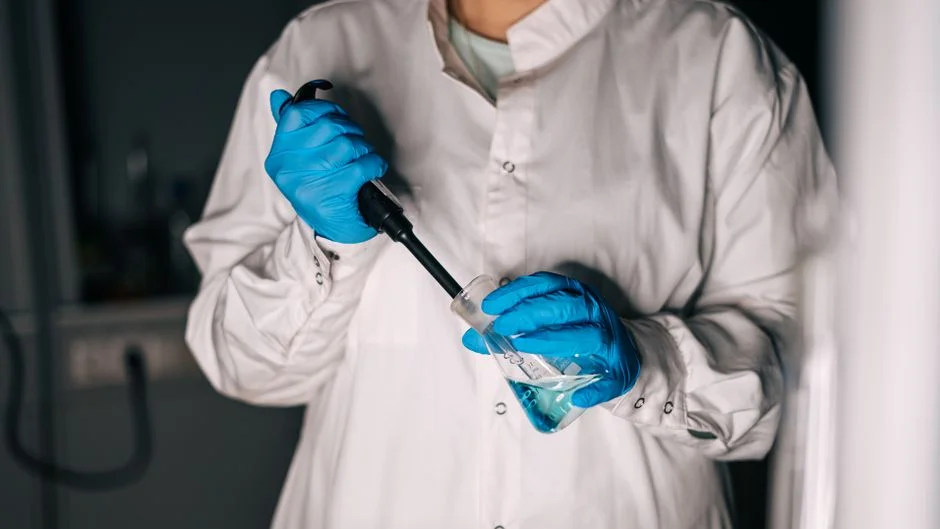
Chemical conditioning has two distinct jobs on a campus plant: PAC for upstream phosphorus capture and primary clarification, and cationic PAM for sludge dewatering. They should not be combined into a single feed point.
Polyaluminum chloride (PAC) at 20–80 mg/L in primary treatment boosts TSS and BOD removal during peak flows, providing a "peak shaving" effect that protects the downstream biological stage (Hydrochemix, 2026-08). For tertiary polishing, 30–100 mg/L PAC brings effluent phosphorus below 0.5 mg/L, which is the threshold for landscape and sports-field irrigation reuse on most campuses.
Cationic polyacrylamide (PAM) at 2–10 kg per ton dry solids is the standard conditioning agent for both belt presses and centrifuges; charge density 40–60% covers the mixed domestic-lab sludge profile at most universities. A 1% rise in feed DS typically requires a 0.5–1.5 kg/ton DS increase in PAM, so the dose must track solids, not volumetric flow. The lab-derived toxicants that enter the campus sewer can partially neutralize cationic sites on the polymer, which is why pH 6.5–7.5 is the operating window where polymer demand is minimized — outside that band, dose can climb by 30–50% with no improvement in cake dryness.
Jar testing is the only way to lock in a defensible dose. Use 1,000 mL samples, rapid mix at 100–500 rpm for 60 seconds, slow mix at 30 rpm for 5 minutes, then 5 minutes of settling. The dose that produces the largest floc, the clearest supernatant, and the lowest CST (capillary suction time) is the operating setpoint. Run the jar test on a 7-day composite of campus wastewater, not a single grab sample — single grabs will miss the lab discharge pulses.
For 2026 plant upgrades, a HydropureWater automatic chemical dosing skid tied to a magnetic flowmeter on the sludge line and a target-DS signal from a suspended-solids probe is the standard PLC architecture. The setpoint logic is straightforward: dose (L/h) = feed DS (%) × sludge flow (m³/h) × polymer demand (kg/ton DS) ÷ polymer concentration (%). Anything less than mass-flow control and you will over-dose during low-flow periods and under-dose during peak loads.
| Application | Chemical | Dose Range | Target pH | Notes |
|---|---|---|---|---|
| Enhanced primary | PAC | 20–80 mg/L | 6.5–7.5 | Peak shaving during dorm surges |
| Tertiary phosphorus | PAC | 30–100 mg/L | 6.5–7.5 | Effluent P <0.5 mg/L |
| Belt press dewatering | Cationic PAM (40–60% charge) | 3–8 kg/ton DS | 6.5–7.5 | Higher end for MBR sludge |
| Centrifuge dewatering | Cationic PAM (50–60% charge) | 4–10 kg/ton DS | 6.5–7.5 | Higher shear tolerance needed |
| Plate-and-frame dewatering | Cationic PAM (40–50% charge) | 2–6 kg/ton DS | 6.5–7.5 | Lowest dose per ton DS |
Sludge Thickening on Campus: DAF, Gravity, and Lamella Options
Thickening is the step most campus plants under-specify. Going from 0.5–1% DS at the reactor outlet to 3–5% DS before the press cuts the dewatering device's hydraulic load by 5–10×, which lets you buy a smaller press or run a longer cycle on the same one.
Gravity thickening with rotating pickets is the cheapest option, removing 60–80% of the water, but it performs poorly when FOG or floated solids from dining halls are present. Buoyant scum breaks the picket mechanism and the overflow carries solids. For most campus plants with active dining halls, gravity thickening alone is not viable.
Dissolved air flotation is the better choice when FOG dominates. A HydropureWater DAF unit in the 4–300 m³/h range reaches 3–5% DS with polymer aid, and the floated sludge is well-suited to downstream plate pressing or centrifuging. DAF also handles the diurnal swings better than gravity, with a 15–25 minute residence time that flattens morning-evening peaks.
A high-efficiency sedimentation tank offers a middle ground for primary-only or well-settled sludge, with surface loading rates of 20–40 m/h and 30% lower chemical demand than DAF when the feed is already low in FOG. MBR surplus sludge at 0.5–1% DS is too dilute for direct dewatering — a DAF or drum thickener must be inserted before the press or centrifuge, or the press will spend its entire cycle on water removal rather than cake formation. For a fuller troubleshooting reference on what happens when upstream thickening is mis-sized, the belt filter press troubleshooting field guide catalogs 23 documented failures, several of which trace back to inadequate thickening.
Dewatering Technology Comparison: Plate Press, Belt Press, and Decanter Centrifuge
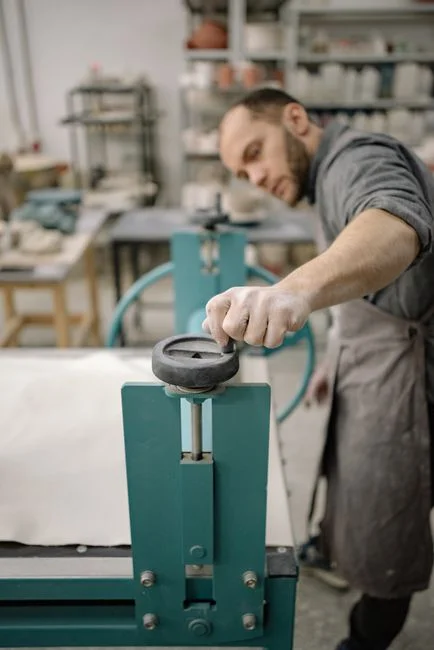
Three dewatering devices dominate campus-scale plants: the plate-and-frame filter press, the belt filter press, and the decanter centrifuge. Each has a defensible place, but the selection is driven by flow rate, target cake dryness, and disposal economics rather than by capital cost alone.
A HydropureWater plate-and-frame filter press in the 1–500 m² filtration area range produces the driest cake at 22–35% DS, with the lowest polymer dose per ton DS, batch operation, the highest CAPEX per m², and the lowest OPEX. It is the default choice for campus plants under 50 m³/day of sludge because dry cake lowers transport cost most on weekends when pickup schedules are sparse and per-ton tipping fees above ~$50/ton in 2026 strongly favor the driest cake the operator can produce.
The belt filter press runs continuously and produces 18–25% DS cake, but it demands 30–50% more polymer per ton DS than the plate press, and its wash-water requirement (typically 5–10 m³/h for a 1 m belt) is a real burden on a campus where reuse water is metered. Belt presses make economic sense above 50 m³/day with stable feed, but the diurnal swings at a campus plant push the press outside its operating window at least twice per day.
The decanter centrifuge is fully enclosed, low-odor, and produces 18–28% DS, but it is sensitive to grit — anything above 200 µm in the feed accelerates scroll wear and raises vibration. This is why fine screening upstream with a GX rotary mechanical bar screen at 2–5 mm aperture is non-negotiable for any centrifuge installation. A 1 m² plate press treats roughly 8–12 kg DS/h; a centrifuge of comparable footprint typically delivers 2–3× that throughput, but at the cost of higher polymer demand and stricter upstream screening.
| Parameter | Plate-and-Frame Press | Belt Filter Press | Decanter Centrifuge |
|---|---|---|---|
| Cake dryness (% DS) | 22–35 | 18–25 | 18–28 |
| PAM dose (kg/ton DS) | 2–6 | 3–8 | 4–10 |
| Throughput per m² floor | 8–12 kg DS/h | 15–25 kg DS/h | 20–35 kg DS/h |
| Wash water demand | Low (batch) | High (5–10 m³/h per 1 m belt) | None |
| Odor / enclosure | Open, moderate odor | Open, high odor | Fully enclosed |
| Best-fit campus flow | <50 m³/day | >50 m³/day, stable feed | Any, with upstream screening |
| CAPEX (relative) | High | Low–medium | Medium–high |
| OPEX (polymer + power) | Lowest | Medium | Highest |
For a more detailed buy-side framework, the filter press vs centrifuge comparison walks through the same decision at industrial scale.
Sludge Reuse and Compliance: Phosphorus, Nitrogen, and Beneficial Reuse Paths
Better dewatering pays back into the upstream compliance story. Tertiary coagulation with 30–100 mg/L PAC produces effluent phosphorus below 0.5 mg/L, which is the threshold for non-potable reuse on most campuses (Hydrochemix, 2026-08). The reuse routes are well-established: landscape and sports-field irrigation, toilet flushing in newer dorms, cooling-tower makeup for HVAC systems, and stream augmentation for campuses near impaired watersheds.
Dewatered cake at 22–35% DS meets typical biosolids handling thresholds — Class B-equivalent stability in many jurisdictions when paired with prior digestion — and reduces landfill tonnage by 60–70% compared with a 2% DS thickened sludge. At 2026 tipping fees of $50–120 per wet ton in most U.S. regions, the disposal savings on the driest cake typically pay back the polymer skid in under 18 months.
For the reuse water loop, disinfection matters. A HydropureWater chlorine dioxide generator in the 50–20,000 g/h range provides the residual control needed for irrigation distribution lines, with effectiveness aligned to WHO Drinking-water Quality Guidelines and EU 98/83/EC for parameters of concern in reclaimed water. The ClO₂ route is preferred over free chlorine for irrigation because it does not form trihalomethanes with the organic load typical of secondary effluent.
The compliance loop closes when you connect three numbers: effluent P <0.5 mg/L, cake DS >22%, and disposal tonnage reduced by 60%+. That combination is what a campus EHS manager takes to procurement as a defensible 2026 process train.
2026 Procurement Checklist for a Campus Sludge Treatment Upgrade
A campus plant is oversized for 9 months and under-sized for 3 months of high-season operation. Specifying equipment to the design maximum guarantees poor performance during the academic year; specifying to break-period flows guarantees overflow during dorm move-in. The defensible move is to specify to average flow with equalization sized for 25–40% of peak, and to confirm the dewatering device can run at 30% turndown without polymer waste.
Require mass-flow-based polymer control, not volumetric, and require jar-test data on a 7-day campus composite sample from the bidding vendor. Volumetric dosing drifts by 20–40% across the academic year as feed solids change; mass-flow holds the dose envelope. Require upstream fine screening to protect press cloths and centrifuge scroll wear — a 2 mm screen is the practical minimum for a plate press, 1 mm for a centrifuge.
Verify the cake-disposal route with the local hauler before selecting the dryness target. Tipping fees above $50/wet ton in 2026 favor the plate press; below $30/ton the belt press wins on CAPEX. Build in seasonal operator SOPs: reduce or eliminate coagulant during low-flow periods, raise polymer dose during cold-water months when sludge viscosity climbs, and waste less biological sludge during extended breaks to preserve MLSS (Hydrochemix, 2026-08).
| Checklist Item | 2026 Specification | Reject If… |
|---|---|---|
| Dewatering device sizing | Match to average flow, not design max | Sized only to peak day |
| Polymer skid control | Mass-flow, target-DS feedback | Volumetric only |
| Jar-test data | 7-day composite, multiple doses | Single grab sample |
| Upstream screening | ≤2 mm for plate press, ≤1 mm for centrifuge | No screen specified |
| Cake dryness target | Driven by local tipping fee | Vendor default only |
| Seasonal SOPs | Documented low-flow and cold-water protocols | Not addressed |
Frequently Asked Questions
What is the typical PAC dose for a campus wastewater plant?
For enhanced primary treatment, 20–80 mg/L of polyaluminum chloride handles peak dorm flows and TSS/BOD removal. For tertiary phosphorus control targeting effluent P below 0.5 mg/L, dose climbs to 30–100 mg/L. Actual values depend on influent alkalinity, pH, and temperature, and should be confirmed by jar testing on a 7-day composite (Hydrochemix, 2026-08).
How much cationic PAM is needed per ton of dry solids for sludge dewatering?
Belt presses typically require 3–8 kg/ton DS, centrifuges 4–10 kg/ton DS, and plate-and-frame presses 2–6 kg/ton DS. MBR surplus sludge runs 20–40% higher than A/O waste activated sludge at the same device because of finer floc structure. Charge density 40–60% is the operating range for mixed domestic-lab campus sludge.
Plate press vs centrifuge — which produces drier cake?
The plate-and-frame press produces 22–35% DS cake; the decanter centrifuge produces 18–28% DS. The plate press wins on dryness and lowest polymer dose per ton DS, but loses on throughput per m² of footprint. For campus plants under 50 m³/day, the plate press is usually the lower lifetime cost when tipping fees exceed $50/wet ton.
Does MBR produce less sludge than a conventional A/O plant?
Yes. MBR operation at SRT 20–40 days produces 30–50% less sludge volume per kg BOD removed than an A/O plant at SRT 10–20 days, but the surplus sludge is more dilute (0.5–1% DS) with finer flocs that require a thickening step and higher polymer demand at the dewatering device.
What screening step is required before a plate press or centrifuge?
A rotary bar screen at 2–5 mm aperture protects press cloths from rags and grit; for a centrifuge, step down to 1–2 mm to limit scroll wear. Without upstream fine screening, both devices see rapid maintenance interval compression and elevated polymer consumption from re-suspended fines.