
Belt filter press troubleshooting focuses on three failure families that drive most unplanned downtime: mechanical wear and misalignment, process and sludge-conditioning faults, and electrical protection trips. Plants often book $50,000–$200,000 per year in downtime and repairs. 2025 Wastewater Equipment Manufacturers Association data ties 68% of issues to uneven belt tension (42%), clogged filter cloths (31%), and misaligned rollers (27%). This guide maps 23 industrial failure modes to measurable thresholds, root-cause checks, and prevention steps that cut recurrence when those three root causes stay controlled.
Belt filter press troubleshooting starts with failure categories
Belt filter press failures fall into mechanical (58%), process (32%), and electrical (10%) categories in 2024 industry surveys, and most chronic downtime comes from how those categories interact. A tracking error raises local pressure, blinds cloth, then overloads the drive motor. Treat the taxonomy as a triage map: fix geometry and tension first, then sludge conditioning, then sensors and controls.
Mechanical failures cover belt tracking errors, roller misalignment, scraper wear, and belt breaks. Splice failures often initiate near a 45° stress line when tension or impact is uneven. These faults damage belts and frames before cake quality recovers.
Process failures start in the sludge or the cloth interface. Inadequate polymer (< 0.3% w/w) can stop cake release; cloth blinding and zone pressure imbalance cut throughput. The plant sees wet cake, high polymer use, or side spill long before a hard mechanical alarm.
Electrical failures include motor overload from mechanical binding, moisture-damaged sensors (about 8% of sensor faults from ingress), and control-cabinet faults. They shut the press or freeze setpoints even when the belts look fine.
| Failure Category | % of Total Failures (2024 Industry) | Common Examples | Primary Impact |
|---|---|---|---|
| Mechanical | 58% | Belt tracking errors, roller misalignment, belt breaks | Physical damage, operational halts |
| Process | 32% | Sludge quality issues, filter cloth blinding, poor cake release | Dewatering inefficiency, product quality |
| Electrical | 10% | Motor overload, sensor malfunctions, control faults | System shutdowns, control errors |
Mechanical Failures: 12 Common Problems & Step-by-Step Fixes
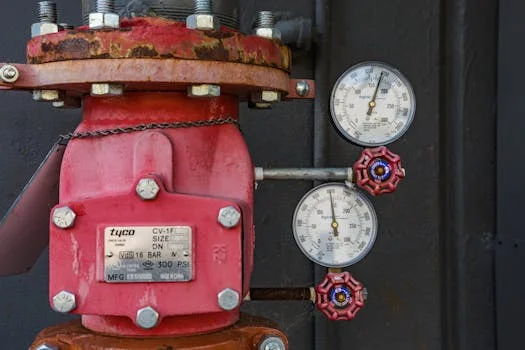
Mechanical faults cause more than half of belt press downtime, so set numeric trip points before you change polymer. Most plants we size for municipal cake run tracking and tension checks daily because a 5 mm wander becomes edge fray within a shift.
- Belt Tracking Error: An error greater than 5 mm consistently triggers an automatic shutdown in most modern belt presses.
- Symptom: Belt running off-center, rubbing against frame, automatic shutdown.
- Root Cause: Uneven belt tension (42% of issues), misaligned tracking rollers, worn belt edges.
- Diagnostic Steps:
- Visually inspect belt tracking during operation.
- Measure belt deviation from center line using a ruler or laser sensor.
- Use a belt tension meter to check tension across the belt width.
- Fix: Adjust belt tension rollers to achieve 150–200 N/cm for polyester belts as a common OEM plant practice, then verify tracking roller alignment. Earlier drafts sometimes cited ISO 14119 for this range; keep the plant tension target and confirm the number against the belt supplier data sheet.
- Prevention: Daily visual inspection of tracking (tolerance ± 2 mm), weekly tension checks.
- Roller Misalignment: Misalignment exceeding ± 0.5 mm across a 1 m width is a primary cause of uneven belt tension and wear.
- Symptom: Uneven belt wear, localized belt stretching, tracking issues, increased motor load.
- Root Cause: Bearing wear, frame distortion, improper installation.
- Diagnostic Steps:
- Use a laser alignment tool to measure roller parallelism.
- Inspect bearings for excessive play or noise.
- Check roller surfaces for grooving or damage.
- Fix: Realign rollers using a laser alignment tool until tolerance is within ± 0.5 mm across a 1 m width. Replace worn bearings.
- Prevention: Quarterly roller realignment checks, regular bearing lubrication.
- Scraper Blade Wear: A gap greater than 1 mm between the scraper blade and the belt leads to inefficient cake discharge and sludge buildup.
- Symptom: Sludge sticking to the belt, incomplete cake discharge, sludge accumulation under the press.
- Root Cause: Abrasive sludge, prolonged use, uneven pressure, improper blade material. Uneven pressure causes sludge buildup (Micronics data).
- Diagnostic Steps:
- Visually inspect the scraper blade edge for wear and gap.
- Measure the gap between the blade and the belt using a feeler gauge.
- Fix: Adjust blade pressure for even contact or replace blades when the gap exceeds 1 mm. Ensure correct blade material for sludge type.
- Prevention: Daily inspection of scraper blade gap (< 1 mm), quarterly blade replacement.
- Belt Breaks: 92% of belt breaks occur at splice points, a critical area for inspection and maintenance.
- Symptom: Sudden press shutdown, visible belt separation, broken belt sensor alarm.
- Root Cause: Mechanical fatigue, poor splice quality, impact damage, excessive tension.
- Diagnostic Steps:
- Locate the break point.
- Examine the splice area for delamination, fraying, or degradation.
- Inspect surrounding areas for signs of impact or abrasion.
- Fix: Repair the break using a specialized belt repair kit or replace the entire belt, ensuring proper splicing techniques.
- Prevention: Inspect weekly for delamination or wear at splice points (2025 industry benchmark), avoid sharp objects, maintain correct belt tension.
Diagnostic tools like belt tension meters ($200–$800), laser alignment tools ($1,500–$5,000), and thermal imaging cameras for roller hotspots ($500–$2,000) speed mechanical diagnosis. When geometry is sound but cake stays wet on abrasive or oily sludge, compare the belt train with a Plate and Frame Filter Press for Sludge Dewatering before another splice.
What does belt press dewatering depend on?
Belt press dewatering depends on feed solids, polymer conditioning, belt speed, and zone pressure working together, not on belt speed alone. Municipal belt-filtration training lists polymer at 6–12 lb dry polymer per ton solids, belt speed 10–16 fpm, and tension about 10–30 psi (ERIC ED224718). Cake dryness often lands near 16–28% solids by sludge and fabric. Keep the plant’s 0.3–0.5% w/w polymer window as the daily band unless jar tests say otherwise.
Process Failures: 7 Sludge and Filtration Issues with Root Cause Analysis
Process failures show up as wet cake, turbid filtrate, or side spill before a hard trip. Fix conditioning and cloth washing before you raise hydraulic pressure on a blinded belt.
- Low Filtration Rate: This is frequently caused by clogged filter cloths or insufficient feed pressure.
- Symptom: Longer dewatering cycles, wet cake, increased polymer consumption.
- Root Cause: Clogged filter cloths (often due to TSS > 500 mg/L), low feed pressure (< 0.3 MPa), incorrect polymer dosage, or poor sludge flocculation.
- Diagnostic Steps:
- Inspect filter cloths for visible blinding or debris.
- Check feed pump pressure gauge.
- Perform a jar test to evaluate sludge flocculation and polymer effectiveness.
- Fix: Clean cloths with a 5% citric acid solution (J Mark Systems) or high-pressure wash. Increase feed pressure if appropriate. Adjust polymer dosage or type.
- Prevention: Regular cloth washing, optimize sludge conditioning, maintain consistent feed quality.
- Sludge Pile-up: Excessive sludge accumulation on the belts can lead to spillage and inefficient dewatering.
- Symptom: Sludge overflowing the belts, uneven cake formation, sludge falling off the sides.
- Root Cause: Uneven pressure on the top belt, incorrect roller gap, poor sludge consistency, or insufficient initial dewatering zone. Uneven pressure on the top belt causes sludge to pile up.
- Diagnostic Steps:
- Observe sludge distribution across the belt width.
- Measure roller gaps using a feeler gauge.
- Assess sludge rheology (viscosity, solids content).
- Fix: Adjust roller gap to 3–5 mm to ensure even pressure and proper dewatering. Improve sludge conditioning to create larger, stronger flocs.
- Prevention: Monitor roller gaps, ensure consistent polymer mixing, adjust feed rate as needed.
- Filter Cloth Blinding: This occurs when fine particles or polymer residues clog the pores of the filter cloth.
- Symptom: Reduced water drainage, higher filtrate turbidity, increased pressure drop across the cloth.
- Root Cause: Polymer dosage > 0.5% w/w, fine particles in sludge, infrequent or ineffective cloth washing, incorrect cloth pore size.
- Diagnostic Steps:
- Visually inspect cloths for a slimy or coated appearance.
- Compare filtrate clarity before and after cleaning.
- Analyze polymer consumption rates.
- Fix: Reduce polymer dosage by 0.1% increments until blinding subsides but dewatering remains optimal. Implement more frequent or aggressive cloth washing, potentially using specialized cleaning agents.
- Prevention: Optimize polymer dosage (target 0.3–0.5% w/w), use appropriate filter cloth material and pore size, regular chemical washing.
- Poor Cake Release: When the dewatered cake sticks to the belt, it compromises discharge efficiency and can lead to rewetting.
- Symptom: Cake adhering to the belt after the scraper blade, wet or sticky cake, incomplete discharge.
- Root Cause: Cake moisture > 85% indicates polymer underdosing, insufficient dewatering pressure, incorrect scraper blade angle, or hydrophobic cake properties. Target 75–80% moisture for release on many municipal cakes.Treat 75–80% moisture as a release target, not a universal solids guarantee.
- Diagnostic Steps:
- Measure cake moisture content.
- Inspect scraper blade angle and condition.
- Evaluate polymer dosage and flocculation.
- Fix: Increase polymer dosage to achieve target cake moisture of 75–80%. Adjust scraper blade angle (typically 45-60 degrees). Increase dewatering pressure if possible.
- Prevention: Maintain optimal polymer dosage and mixing, ensure proper scraper blade alignment and sharpness.
Hold sludge conditioning near pH 6.5–7.5, 20–30°C, and a steady feed solids concentration before you chase roller gaps. Stable dosing usually needs a PLC-controlled chemical dosing system for optimal sludge conditioning rather than manual batching on a 24/7 line.
| Process Parameter | Optimal Range | Impact of Deviation |
|---|---|---|
| Polymer Dosage | 0.3–0.5% w/w | Too low: Poor flocculation, wet cake; Too high: Blinding, high cost |
| Sludge pH | 6.5–7.5 | Affects polymer effectiveness, floc stability |
| Sludge Temperature | 20–30°C | Affects dewatering kinetics, polymer reaction |
| Cake Moisture Content | 75–80% | Too high: Poor release, high disposal cost; Too low: Difficult to achieve |
| Feed Pressure | 0.3–0.5 MPa | Too low: Low filtration rate; Too high: Belt damage, excessive wear |
Electrical Failures: 4 Critical Sensor and Motor Problems
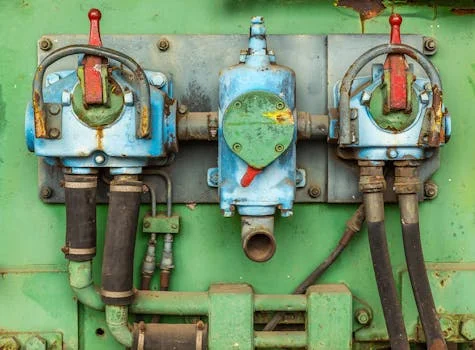
Electrical failures are only about 10% of incidents, yet they stop the press immediately. Prove the mechanical load is free before you replace a motor that is only fighting a seized roller.
- Broken Belt Sensor: A malfunctioning sensor fails to detect a belt break, risking severe mechanical damage.
- Symptom: Belt break occurs but press continues to operate, or false alarms.
- Root Cause: Physical damage to the sensor, wiring fault, moisture ingress.
- Diagnostic Steps:
- Test the sensor continuity with a multimeter; resistance < 1 kΩ indicates failure.
- Inspect sensor wiring for breaks or corrosion.
- Manually trigger the sensor (if possible) to check control system response.
- Fix: Replace the faulty sensor. Repair or replace damaged wiring. Ensure proper sealing against moisture.
- Prevention: Daily test of the broken belt sensor, regular inspection for physical damage.
- Motor Overload: This indicates excessive mechanical resistance or an electrical fault, risking motor burnout.
- Symptom: Motor tripping circuit breaker, excessive heat from motor, reduced belt speed.
- Root Cause: Mechanical binding (e.g., seized rollers, excessive belt tension), clogged system, electrical phase imbalance, worn motor bearings. Current draw > 110% of rated value triggers shutdown.
- Diagnostic Steps:
- Check motor current draw with a clamp meter and compare to rated value.
- Inspect for mechanical binding by manually rotating rollers (when safe).
- Check motor winding resistance and insulation.
- Fix: Identify and eliminate mechanical binding. Check electrical supply for voltage and phase balance. Replace motor if internal fault is confirmed.
- Prevention: Monthly test motor current draw, lubricate rollers regularly, ensure proper belt tension to minimize mechanical resistance.
- Control Cabinet Faults: Failures within the control cabinet can disrupt automation and safety functions.
- Symptom: Intermittent operation, false alarms, unresponsive controls, system shutdown.
- Root Cause: Moisture ingress (8% of faults), loose connections, component failure (e.g., relays, PLCs), dust accumulation.
- Diagnostic Steps:
- Visually inspect cabinet for signs of moisture, corrosion, or dust.
- Check all terminal connections for tightness.
- Use diagnostic tools (e.g., PLC programming software) to check for error codes.
- Fix: Install a dehumidifier to mitigate moisture ingress. Clean dust and tighten connections. Replace faulty components.
- Prevention: Quarterly inspection of control cabinet for moisture and dust, ensure cabinet door seals are intact.
- Barometer Calibration: Incorrect pressure readings can lead to inefficient dewatering or system damage.
- Symptom: Inconsistent dewatering pressure, incorrect display readings, poor cake quality.
- Root Cause: Sensor drift, debris in pressure lines, physical damage to the barometer. Error > 0.05 MPa requires adjustment (JXSC Machine).
- Diagnostic Steps:
- Compare barometer reading with a calibrated reference gauge.
- Inspect pressure lines for blockages.
- Fix: Recalibrate the barometer according to manufacturer specifications. Clean or replace clogged pressure lines.
- Prevention: Recalibrate quarterly, ensure pressure lines are free of sludge buildup.
How much does a belt filter press cost?
Belt filter press cost is dominated by belt, roller, and cloth wear plus downtime, not only the purchase invoice. A new belt runs about $2,500–$5,000, rollers about $800–$1,500 each, and cloths about $300–$800 each. A major belt break can cost about $1,200/hour in downtime for 8–16 hours. For a 0.5 MGD WWTP at about 2% feed solids, size polymer, belt width, and wash water from dry-solids load first. Capital quotes still need sludge type, run hours, and cake target.
If the duty needs cake drier than a continuous belt train can hold after conditioning is optimized, step to a high-efficiency plate and frame filter press for sludge dewatering. UFC 3-280-03 notes fixed-volume plate presses often produce about 6–10 percentage points drier cake than continuous devices such as belt presses on comparable municipal sludges.
Repair vs. Replace: A Decision Framework for Belt Press Components
Repair versus replace decisions should use failure recurrence and repair-to-replace cost, not optimism about one more splice. Replace a belt after more than three breaks per year, or when a single repair exceeds 60% of replacement cost.
- Belt Replacement: The belt is the heart of the dewatering process, and its integrity is paramount.
- Decision Point: Replace if the belt experiences more than 3 breaks per year.
- Cost Impact: New belt cost $2,500–$5,000. Downtime cost is estimated at $1,200/hour for a typical industrial plant (2025 ROI data). A single major break can incur 8-16 hours of downtime.
- Lifespan: Average belt lifespan is 12–18 months in 24/7 operation (2024 industry survey).
- Roller Replacement: Rollers ensure proper belt tracking and pressure application.
- Decision Point: Replace if roller misalignment recurs more than 2 times per year, or if bearing noise/play is excessive despite lubrication.
- Cost Impact: Roller replacement cost $800–$1,500 per roller. Labor cost for replacement/realignment is around $500/hour.
- Lifespan: Rollers typically last 3–5 years, but bearings may need more frequent replacement.
- Filter Cloth Replacement: The filter cloth directly impacts dewatering efficiency.
- Decision Point: Replace if cleaning frequency exceeds 1x/week due to persistent blinding, or if visible tears/excessive wear are present.
- Cost Impact: Filter cloth replacement cost $300–$800 per cloth. Labor for replacement and recommissioning is approximately $200/hour.
- Lifespan: Filter cloths typically last 6–12 months depending on sludge abrasiveness and cleaning regimen.
A practical rule remains: if a component exceeds its recurrence threshold, or repair cost exceeds 60% of replacement, replace it. That choice usually costs less than another emergency outage on a 24/7 dewatering line.
| Component | Repair Cost (Avg.) | Replacement Cost (Avg.) | Downtime Cost per Event | Replacement Threshold |
|---|---|---|---|---|
| Belt | $500–$1,000 (splice) | $2,500–$5,000 | $1,200/hour | >3 breaks/year OR repair cost >60% of replacement |
| Roller | $200–$400 (bearing) | $800–$1,500 | $500/hour | Misalignment recurs >2x/year OR repair cost >60% of replacement |
| Filter Cloth | $50–$100 (patch) | $300–$800 | $200/hour | Cleaning frequency >1x/week OR repair cost >60% of replacement |
What belongs in filter press maintenance?
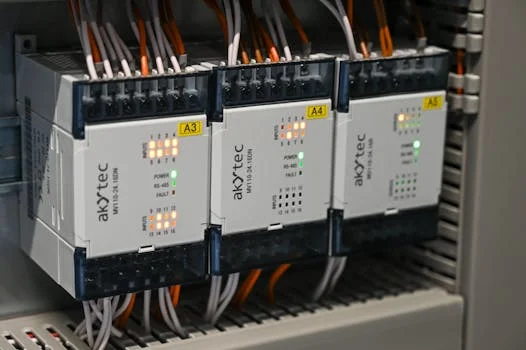
Filter press maintenance belongs on a fixed daily-to-quarterly checklist that catches tracking, cloth blinding, and motor load before they stack. Wash-down that clears rollers and belts prevents many misalignment events that later look like mysterious electrical trips.
- Daily:
- Inspect belt tracking: Ensure deviation is within ± 2 mm. Adjust if necessary.
- Check scraper blade gap: Verify gap is less than 1 mm across the belt width.
- Test broken belt sensor: Confirm alarm function and system shutdown response.
- Visual inspection for sludge buildup, leaks, and unusual noises.
- Weekly:
- Clean filter cloths: Perform high-pressure wash or chemical clean (e.g., 5% citric acid solution) to prevent blinding.
- Lubricate rollers: Apply appropriate grease to all roller bearings.
- Check polymer dosage: Verify flow rates and concentration against target (0.3–0.5% w/w).
- Inspect belt splice for delamination or excessive wear.
- Monthly:
- Recalibrate barometer: Ensure accuracy within ± 0.02 MPa.
- Inspect belt splice: Thoroughly check for signs of fatigue, delamination, or tearing.
- Test motor current draw: Compare actual current to rated value; identify potential overloads.
- Check all bolts and fasteners for tightness.
- Quarterly:
- Replace scraper blades: Proactively replace worn blades to maintain optimal cake release.
- Realign rollers: Use a laser alignment tool to ensure parallelism within ± 0.5 mm.
- Inspect control cabinet: Check for moisture ingress, dust, and loose electrical connections. Install dehumidifier if needed.
- Inspect all hoses and piping for wear or leaks.
- Review and adjust polymer mixing system.
Who this is for / Next step
This guide is for plant engineers, EPC leads, and maintenance supervisors who already run or specify a belt press and need floor-audit thresholds. Look elsewhere for lab rheology work with no operating press. Also look elsewhere if you need incineration-grade cake that continuous belt trains cannot hold after conditioning is optimized. For a duty-sized belt or plate-frame option with polymer and wash-water assumptions filled in, send sludge data through our request a dewatering equipment quote form.
Frequently Asked Questions
What are the most common causes of belt filter press downtime?
Uneven belt tension (42%), clogged filter cloths (31%), and misaligned rollers (27%) are the most common causes in 2025 Wastewater Equipment Manufacturers Association data. Those three drivers explain about 68% of reported issues and usually appear first as tracking error, wet cake, or rising motor load. Lock daily tracking within ± 2 mm and weekly cloth washing before you change major hardware.
How often should filter cloths be cleaned or replaced?
Clean filter cloths weekly with high-pressure wash or a 5% citric acid solution when grease or fines blind the weave. Replace cloths every 6–12 months, or sooner if blinding returns despite weekly cleaning or if tears appear. Persistent weekly chemical cleans usually mean pore size, polymer dose, or feed fines are wrong, not that more acid will fix it.
What is the optimal belt tension for a belt filter press?
Many polyester belt installations run about 150–200 N/cm across the belt width as a practical OEM target. Municipal training ranges often cite about 10–30 psi belt tension, with cake appearance as the final governor (ERIC ED224718). Higher tension can dry cake further but shortens belt life. Verify the supplier data sheet and keep tension even across the width with a meter.
How can I prevent filter cloth blinding?
Hold polymer near 0.3–0.5% w/w, wash cloths on a weekly cadence, and match cloth pore size to the sludge particle cut. Overdosing above 0.5% w/w leaves sticky residue that looks like fines blinding. Confirm floc strength with a jar test before you raise feed pressure on a dirty belt.
When should I replace a belt rather than repair it?
Replace the belt after more than three breaks per year, or when one repair exceeds 60% of a new belt’s $2,500–$5,000 cost. Average belt life is about 12–18 months in continuous 24/7 service. Repeated splice failures usually signal fatigue or chronic misalignment, not bad luck at one clipper seam.
Further Reading
These in-depth articles cover related wastewater treatment topics: