Pharmaceutical Wastewater Treatment in Vietnam: 2026 Process Guide
Pharmaceutical wastewater treatment in Vietnam typically combines screening, equalization, anaerobic/anoxic/oxic (AAO) biological treatment, and an MBR polishing step, with optional Fenton or ozone polishing for residual antibiotics. A 2024 Vietnamese field study ranked removal efficiency as AAO+MBR > AAO+MBBR > AAO alone, with ciprofloxacin as the dominant ecological risk driver. Effluent should meet QCVN 40:2011/BTNMT column B for COD, BOD, TSS, and ammonia before discharge or reuse.
Why Pharmaceutical Wastewater in Vietnam Is a Separate Problem
Antibiotic contamination in Vietnamese hospital and pharmaceutical streams is now measured in the parts-per-trillion to low-parts-per-billion range. A 2024 UPLC/HRMS field study of four hospitals in Vietnam reported total antibiotic concentrations of 1.67–5,041 ng/L across hospital influent, treated effluent, and downstream surface water, with ciprofloxacin emerging as both the most prevalent compound and the largest contributor to ecological risk (Nguyen et al., Research Square, 2024). That is the operating reality a Vietnamese pharma ETP must be designed around, not the textbook "BOD/COD removal" framing used for general industrial plants.
Pharmaceutical wastewater is compositionally distinct from a typical food, textile, or metal-finishing effluent. Alongside the conventional loadings of COD, BOD₅, and TSS, the stream carries residual active pharmaceutical ingredients (APIs), synthesis intermediates, spent solvents, high and variable salinity (often 5–30 g/L Cl⁻ in formulation lines), batch-to-batch pH swings between pH 2 and pH 11, and a documented reservoir of antibiotic resistance genes (ARGs) that biological treatment alone does not fully suppress (Li et al., J. Water Process Eng. 63, 2024). The ScienceDirect 2024 review catalogs residual APIs, refractory organics, and ARG proliferation as the three defining design challenges for any 2026 pharma ETP — and notes that "existing composite processes, while capable of meeting emission standards, have long process chains, require large land areas, high costs, and show high carbon emissions" (Li et al., 2024).
Generic factory wastewater design heuristics (BOD₅-driven sizing, ~30% alkalinity demand, single-stage activated sludge) under-deliver here because the recalcitrant API fraction is what determines toxicity, effluent color, and ecological risk — not the bulk carbon. Vietnamese facilities that have copied food-and-beverage ETP layouts for their formulation or API lines routinely fail the residual-COD and color axes of QCVN 40:2011/BTNMT column B, and they leave ciprofloxacin-class antibiotics largely untouched (Nguyen et al., 2024). A dedicated treatment train is not optional.
Vietnam Discharge and Reuse Limits That Shape the Design
QCVN 40:2011/BTNMT — the National Technical Regulation on Industrial Wastewater — is the baseline discharge standard that governs pharmaceutical facilities in Vietnam, with column A applied to sources discharging into sensitive receiving waters and column B applied to industrial-zone discharges. The parameters that drive pharma ETP design are COD ≤ 150 mg/L (B) / 75 mg/L (A), BOD₅ ≤ 50 mg/L (B) / 25 mg/A, TSS ≤ 100 mg/L (B) / 50 mg/L (A), ammonia nitrogen ≤ 10 mg/L (B) / 5 mg/L (A), total nitrogen ≤ 40 mg/L (B) / 20 mg/L (A), total phosphorus ≤ 6 mg/L (B) / 4 mg/L (A), pH 5.5–9, residual chlorine ≥ 1 mg/L (disinfection contact residual), and color ≤ 50 Pt-Co (column B per QCVN 40:2011/BTNMT).
Ciprofloxacin, norfloxacin, sulfamethoxazole, and other API residues are not currently itemized as individual parameters in QCVN 40:2011/BTNMT, which is why ecological-risk assessment and WHO AWASH guidance are increasingly used as the de-facto compliance lens for procurement audits and global-pharma supplier reviews. The Vietnamese case study found that even when bulk parameters were within limits, residual antibiotic activity remained a high ecological risk in the receiving surface water (Nguyen et al., 2024). A defensible 2026 design therefore treats MBR effluent plus AOP polishing as the practical pathway to that risk envelope, not as an upgrade option.
Facilities discharging into receiving waters with downstream aquaculture, potable intakes, or reservoir sources should expect to be held to QCVN 14:2008 column A equivalents or local MONRE addenda. Industrial-park tenants in Hanoi, Bac Ninh, Binh Duong, and Dong Nai should confirm the specific column applied in their park's environmental license, because the column drives the MBR sizing and the case for RO reuse downstream.
Recommended 2026 Process Train for Vietnamese Pharma Plants
The process train below maps a turnkey pharma ETP for a typical Vietnamese API or formulation plant in the 50–500 m³/day range. Each unit has a defined role; each link in the chain is engineered for a specific parameter or risk axis rather than for generic "polishing."
- Mechanical screening — a GX series rotary bar screen with 3–5 mm aperture at the headworks to remove rags, caps, packaging debris, and tablet fragments that would otherwise blind downstream membranes and damage pump impellers.
- Flow and load equalization — a 12–24 hour balancing tank with mechanical mixing, pH trim, and temperature conditioning. API batch campaigns produce swings of 3–5× in instantaneous COD and pH excursions of 2–4 units; an EQ tank is what protects the biological stage from shock loading.
- Pretreatment — a DAF system or a high-efficiency lamella clarifier for suspended solids, FOG, and colloidal APIs, paired with an automatic chemical dosing system for coagulant (PAC 50–200 mg/L) and polymer (0.5–2 mg/L) to bring TSS below ~150 mg/L ahead of the biological stage.
- Biological core (AAO) — anaerobic/anoxic/oxic reactor for carbon oxidation, nitrification-denitrification, and partial biological phosphorus removal. Per the Vietnamese benchmark, AAO alone ranks lowest of the three configurations tested for antibiotic removal (Nguyen et al., 2024) — it is the necessary backbone, not the finished answer. Refer to our AAO process working principle 2026 engineering guide for sizing and HRT/MRT guidance.
- MBR polishing — submerged PVDF MBR at 0.1–0.4 μm pore size, operated at MLSS 8,000–12,000 mg/L and HRT 6–10 h. The 2024 Vietnamese study ranked AAO+MBR as the top-benchmarked configuration for combined antibiotic and bulk-parameter removal (Nguyen et al., 2024). An integrated MBR membrane bioreactor system using DF series PVDF flat sheet MBR modules is the standard packaged configuration for Vietnamese plants in this size class.
- Advanced oxidation — Fenton (Fe²⁺/H₂O₂ at pH 3–3.5, H₂O₂/COD 1.5–2.5), ozone (5–15 mg/L O₃), or ozone/H₂O₂ to break residual APIs that the MBR cannot oxidize biologically. Fenton is the most common Vietnamese-procurable option; ozone is reserved for plants that can handle CAPEX and gas-handling safety.
- Disinfection — a chlorine dioxide generator for reliable microbial control with lower THM formation than chlorine, providing the ≥1 mg/L residual required by QCVN 40:2011/BTNMT column B.
- Optional RO reuse — an industrial RO system at 65–95% recovery for facilities targeting water reuse in formulation, CIP rinse, or low-pressure boiler feed, with the concentrate sent back to the headworks or to a dedicated crystallization/cost-of-disposal line.
Side-by-side, the three Vietnamese-benchmarked biological configurations (Nguyen et al., 2024):
| Configuration | Typical COD removal | Antibiotic removal (rank) | ARG reduction | Footprint | Notes |
|---|---|---|---|---|---|
| AAO alone | 80–88% | Lowest of three | Partial | Medium | Baseline; not adequate for trace APIs |
| AAO + MBBR | 85–92% | Intermediate | Moderate | Medium | Good retrofit option for existing tanks |
| AAO + MBR | 92–97% | Highest (top-ranked in Vietnam) | Strongest of the three | Compact | Default 2026 recommendation for new plants |
Influent and Effluent Targets: A 2026 Parameter Table
The table below is what a design engineer should hand to a procurement manager in 2026. Values are typical ranges for a Vietnamese API/formulation plant, with the AAO+MBR benchmark anchored in the Nguyen et al. (2024) Vietnamese case study and the discharge limits in QCVN 40:2011/BTNMT column B.
| Parameter | Influent range (pharma, VN) | MBR effluent target | QCVN 40:2011/BTNMT column B |
|---|---|---|---|
| COD (mg/L) | 2,000–8,000 | ≤ 80 | 150 |
| BOD₅ (mg/L) | 800–3,500 | ≤ 20 | 50 |
| TSS (mg/L) | 300–1,200 | ≤ 5 | 100 |
| NH₃-N (mg/L) | 50–200 | ≤ 5 | 10 |
| TN (mg/L) | 100–400 | ≤ 25 | 40 |
| TP (mg/L) | 10–50 | ≤ 3 | 6 |
| pH | 2–11 (batch swing) | 6.5–8.5 | 5.5–9 |
| Color (Pt-Co) | 200–800 | ≤ 30 | 50 |
| Residual Cl₂ (mg/L) | — | ≥ 1 (post-disinfection) | ≥ 1 |
| Total antibiotics (ng/L) | 1.67–5,041 (hospital/adjacent streams; Nguyen et al., 2024) | Track to internal limit; AOP polish for risk envelope | Not individually regulated; ecological-risk lens |
Two operating levers dominate MBR OPEX in a packaged skid: membrane-scour aeration (typically 0.3–0.6 m³ air per m³ permeate, 30–60% of total MBR power) and MLSS control at 8,000–12,000 mg/L to balance solids-handling capacity against membrane fouling rate. A CIP cycle every 4–8 weeks with NaOCl (1,000–3,000 mg/L) and citric acid (1,000–2,000 mg/L) is normal. The CIP frequency — not the membrane replacement cost — is usually the line item that determines whether a packaged MBR is the right choice versus an MBBR retrofit.
Advanced Treatment for Residual APIs and Antibiotic Resistance
Biological treatment — even an AAO+MBR ranked top in Vietnam — is not a complete barrier to recalcitrant APIs or ARG transfer. The 2024 ScienceDirect review lists Fenton oxidation, catalytic ozonation, photocatalytic ozonation, electrochemical oxidation, and bio-electrochemical systems as the proven polishing options documented for pharmaceutical wastewater (Li et al., 2024). The same review flags simultaneous ARG-and-API reduction as the technical question that most published work still treats as two separate problems, which is why the 2026 procurement lens is shifting toward AOP configurations that quantify ARG log-reduction rather than only COD polishing.
For a Vietnamese plant, the practical menu narrows quickly. Fenton plus MBR is the most common configuration that a Hanoi or Ho Chi Minh City procurement team can actually install, source reagents for, and operate with local staff. Ozone and ozone/H₂O₂ are technically superior on refractory APIs but require gas-handling safety systems and on-site oxygen or ozone generation that add CAPEX and recurring power. Photocatalytic and bio-electrochemical systems remain mostly pilot-scale and are not a default 2026 procurement choice for an industrial-park ETP (Li et al., 2024). The defensible design choice is Fenton after MBR as the baseline, with ozone as a step-up for plants that have the operating discipline for it.
The metric to report upward is no longer just COD removal. It is COD plus antibiotic concentration plus ARG log-reduction. Vietnamese regulators reviewing EIAs for new API capacity, and global pharma buyers auditing suppliers, are increasingly asking for all three. For a benchmarked baseline, see our peer hospital wastewater treatment in Delhi 2026 guide and the comparable pharma wastewater treatment in Bahrain 2026 guide, which face the same AOP-vs-MBR decision with the same effluent targets.
From Design to Procurement: Packaged Equipment for Vietnam
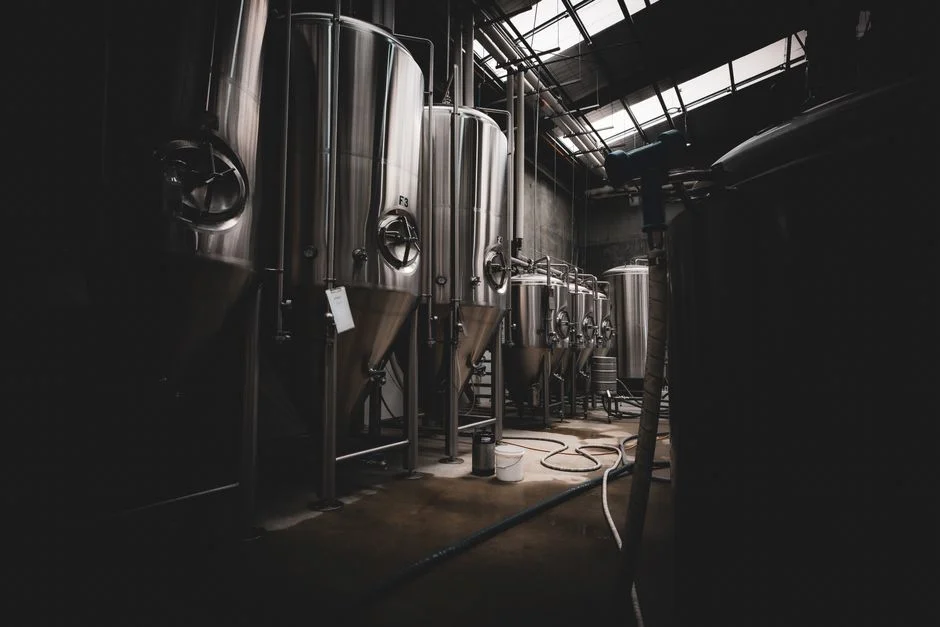
A packaged, modular approach is the lowest-risk path for most Vietnamese pharma sites. Industrial-park tenants in Binh Duong, Dong Nai, Hai Duong, and the Hanoi corridor commonly face wet-season civil delays, on-site space constraints, and tight commissioning windows between facility handover and validation. Skid-mounted, pre-wired, factory-tested packages compress on-site work to mechanical lift, pipe tie-in, and electrical hookup, and they shift the bulk of the quality risk to the factory floor rather than the construction site.
The unit-operation map for a 2026 Vietnamese pharma ETP is straightforward: a GX series rotary bar screen for headworks, a DAF system or high-efficiency lamella clarifier for pretreatment, an automatic chemical dosing system for coagulation and Fenton reagent feed, an integrated MBR membrane bioreactor system for the biological core, a chlorine dioxide generator for disinfection, and an industrial RO system for plants targeting reuse. For plants with hybrid biology or capacity-expansion retrofits, the IFAS process flow diagram 2026 engineering guide is the relevant reference for fixed-film hybrids in a similar footprint.
Standard capacity ranges that fit a Vietnamese pharma ETP (HydropureWater product line, 2026): MBR 10–2,000 m³/day per train, DAF 4–300 m³/h, ClO₂ generator 50 g/h to 20,000 g/h, RO 5–1,000 m³/day per train. The packaged approach typically delivers a 30–50% reduction in on-site installation time versus stick-built and concentrates the spare-parts inventory into a small number of OEM SKUs that can be stocked regionally.
Frequently Asked Questions
What is the baseline discharge standard for pharmaceutical wastewater in Vietnam?
The baseline is QCVN 40:2011/BTNMT — the National Technical Regulation on Industrial Wastewater — with column A applied to sensitive receiving waters and column B to industrial-zone discharges. Key column-B limits for pharma ETPs are COD ≤ 150 mg/L, BOD₅ ≤ 50 mg/L, TSS ≤ 100 mg/L, ammonia ≤ 10 mg/L, total nitrogen ≤ 40 mg/L, and total phosphorus ≤ 6 mg/L (per QCVN 40:2011/BTNMT column B).
Which biological treatment configuration is the best for antibiotic removal in Vietnam?
AAO+MBR is the top-benchmarked configuration for antibiotic removal in a Vietnamese context. A 2024 multi-hospital field study ranked removal efficiency as AAO+MBR > AAO+MBBR > AAO, with ciprofloxacin identified as the most prevalent antibiotic and the largest ecological risk driver in hospital and pharma streams (Nguyen et al., Research Square, 2024).
What concentration of antibiotics should a 2026 Vietnamese pharma ETP be designed for?
A 2024 Vietnamese field study measured total antibiotic concentrations of 1.67–5,041 ng/L across hospital influent, treated effluent, and downstream surface water (Nguyen et al., 2024). Bulk COD/BOD limits are not a sufficient proxy — trace-API reduction should be tracked as a separate parameter and is the practical justification for AOP polishing after MBR.
What MBR pore size is standard for a 2026 Vietnamese pharma ETP?
Submerged PVDF MBR at 0.1–0.4 μm pore size, typically operated at MLSS 8,000–12,000 mg/L and HRT 6–10 hours, is the standard. Flat-sheet PVDF modules in the DF series are the most common packaged configuration in Vietnam and rank top in the Vietnamese-benchmarked removal study (Nguyen et al., 2024).
What is the typical RO recovery for water reuse in a Vietnamese pharma plant?
Industrial RO at 65–95% recovery is the typical range for water reuse in formulation, CIP rinse, and low-pressure boiler feed. RO is normally placed after the MBR (or after MBR plus AOP) and concentrates the API residual load to a stream that is recycled to the headworks or sent to a dedicated disposal line, with the permeate reused internally.