Why MBR Systems Are Gaining Traction in Bahrain
Bahrain's strategic imperative to address water scarcity and meet ambitious reuse goals is driving the adoption of advanced Membrane Bioreactor (MBR) systems. With only 30% of treated sewage currently recycled according to the 2023 MEWA report, MBR technology offers a pathway to significantly increase this, enabling 70–85% reuse for critical applications like irrigation and industrial cooling. Projects in burgeoning areas such as Durrat al Bahrein and the industrial zone of Ma'Amir are already leveraging MBR for its compact footprint and its ability to produce pathogen-free effluent, essential for public health and environmental protection. The prefabricated and containerized nature of many MBR solutions drastically reduces civil works by up to 70%, a crucial advantage in regions like Muharraq with high water tables where extensive groundwork is challenging and costly.
MBR Technology: How It Works for Industrial and Municipal Wastewater
Membrane Bioreactor (MBR) systems use submerged membranes to achieve high-effluent quality by combining biological treatment with physical filtration. Unlike conventional systems that rely on secondary clarifiers, MBR utilizes fine pore polyvinylidene fluoride (PVDF) membranes, typically with pore sizes ranging from 0.1 to 0.4 micrometers, to directly filter the treated wastewater from the bioreactor. This physical barrier effectively removes suspended solids, bacteria, and even viruses, yielding a high-quality effluent suitable for direct reuse. The technology is robust enough to handle high-strength industrial wastewater, with documented success in treating influents containing up to 19,000 mg/L of Chemical Oxygen Demand (COD) and 10,000 mg/L of Biochemical Oxygen Demand (BOD), as demonstrated in case studies such as one by Xylem. To maintain optimal filtration rates and prevent membrane fouling, continuous aeration is employed to scour the membrane surfaces, keeping the flux within a typical range of 15–25 Liters per square meter per hour (LMH). Transmembrane pressure (TMP) is a key operational parameter, with alerts typically set at 0.3 bar to signal the need for proactive cleaning or maintenance before performance is significantly impacted.
Containerized vs Conventional MBR Systems: Design Options in Bahrain
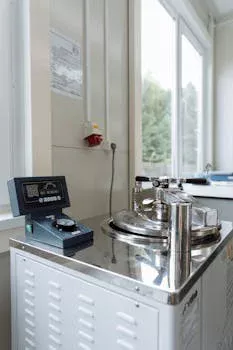
Containerized and conventional MBR systems offer distinct advantages depending on project requirements in Bahrain. Containerized MBR systems, exemplified by installations in Durrat al Bahrein, offer a significantly accelerated deployment timeline, typically requiring just 6–8 weeks from delivery to full operation. This contrasts sharply with conventional plants, which can take six months or longer to construct. These prefabricated units are commonly housed in robust stainless steel ISO containers, a material choice vital for resisting the corrosive effects of the Gulf's saline atmosphere and ensuring a lifespan exceeding 20 years with diligent maintenance. The modular nature of containerized systems also allows for flexible and scalable expansion, accommodating capacities from as low as 10 m³/day, suitable for a hospital or a small resort, up to 2,000 m³/day for larger industrial parks or municipal districts. This adaptability makes them an ideal solution for projects with evolving capacity needs or tight deadlines.
| Feature | Containerized MBR | Conventional MBR |
|---|---|---|
| Deployment Time | 6–8 weeks | 6+ months |
| Civil Works | Minimal (up to 70% reduction) | Extensive |
| Footprint | Compact, modular | Larger, site-specific |
| Corrosion Resistance | High (stainless steel) | Depends on construction materials |
| Scalability | Excellent (add modules) | Complex, requires redesign |
| Initial Cost | Potentially higher per unit volume for small scale | Potentially lower for very large scale |
For smaller to medium-sized projects or those with rapid deployment requirements, the benefits of a integrated MBR wastewater treatment system, especially in a containerized format, are compelling. These systems are designed for plug-and-play operation, reducing on-site labor and project management overhead.
MBR vs MBBR in Bahrain: Which Technology Fits Your Project?
MBR and MBBR technologies serve different wastewater treatment needs in Bahrain based on effluent quality and spatial constraints. MBR systems consistently deliver superior effluent quality, typically achieving turbidity below 5 NTU and BOD levels below 10 mg/L, making them ideal for stringent wastewater reuse applications mandated by Bahrain's water scarcity initiatives. In contrast, MBBR systems, while effective, generally produce effluent with BOD levels ranging from 15–25 mg/L, which may not meet the highest reuse standards. Footprint is another critical differentiator; MBR systems are approximately 60% more compact than conventional treatment plants and about 30% smaller than MBBR installations, a significant advantage in Bahrain's densely populated urban and industrial areas. While the capital expenditure (CAPEX) for an MBR system can be 25–40% higher than for an MBBR system, its operational expenditure (OPEX) can be comparable or even lower due to significantly reduced sludge production. MBRs typically produce around 0.2 kg of dry sludge per kg of COD removed, compared to 0.3 kg/kg for MBBR, leading to lower sludge disposal costs.
| Parameter | MBR System | MBBR System |
|---|---|---|
| Effluent Quality (BOD) | < 10 mg/L | 15–25 mg/L |
| Effluent Quality (Turbidity) | < 5 NTU | Typically > 10 NTU |
| Footprint | Smallest | Medium (larger than MBR, smaller than conventional) |
| Sludge Production (kg/kg COD) | ~0.2 | ~0.3 |
| CAPEX | Higher | Lower |
| OPEX | Comparable (lower sludge handling) | Higher (sludge handling) |
| Suitability for Reuse | Excellent | Good (for non-potable) |
For projects prioritizing the highest effluent quality for water reuse, or where space is at a premium, MBR technology presents a superior long-term solution. For a detailed breakdown of these differences, consult a technical comparison of MBR and extended aeration systems.
MBR System Costs and ROI in Bahrain (2025 Pricing)
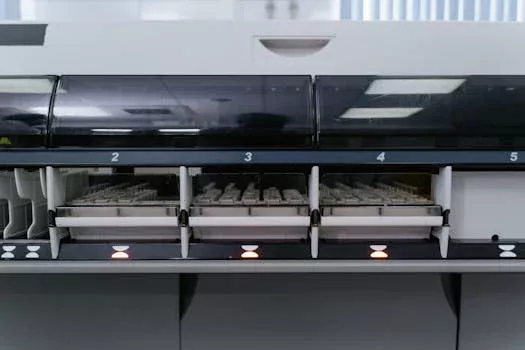
MBR system investment in Bahrain is increasingly predictable with 2025 pricing data. For a capacity of 100 m³/day, the estimated capital expenditure (CAPEX) ranges from $85,000 to $110,000. Larger systems, such as a 500 m³/day plant, typically fall between $320,000 and $410,000, while a substantial 2,000 m³/day installation can range from $1.1 million to $1.4 million, reflecting average Gulf market pricing for 2025. The return on investment (ROI) for MBR systems is often realized within a 3.2 to 4.8-year timeframe. This payback is driven by dual benefits: significant savings from reduced sludge disposal costs, estimated at $45 per ton of sludge, and the revenue or cost-avoidance generated through water reuse, with savings of approximately $0.75 per cubic meter of water reclaimed. Energy consumption is another key operational factor, with MBR systems in the Gulf region typically consuming between 1.2 and 1.8 kWh/m³ of treated water. This efficiency is often lower than the regional average, attributed to the optimized and direct submerged aeration methods employed in modern MBR designs, which minimize energy losses associated with conventional aeration and clarification stages.
| Capacity (m³/day) | Estimated CAPEX (USD) | Estimated ROI (Years) | Energy Consumption (kWh/m³) |
|---|---|---|---|
| 100 | $85,000 – $110,000 | 3.2 – 4.8 | 1.2 – 1.6 |
| 500 | $320,000 – $410,000 | 3.2 – 4.8 | 1.3 – 1.7 |
| 2,000 | $1.1M – $1.4M | 3.2 – 4.8 | 1.4 – 1.8 |
For a comprehensive understanding of the financial implications, consult a detailed 2025 B2B pricing and ROI analysis for MBR sewage systems.
Maintenance and Lifespan of MBR Systems in Gulf Conditions
MBR systems in the Gulf require consistent maintenance to ensure reliable performance under harsh environmental conditions. Regular cleaning is paramount; a Clean-in-Place (CIP) procedure is typically recommended every 3 to 6 months, with chemical costs averaging around $1,200 per year for every 100 m² of membrane surface area. The core components, the PVDF flat sheet membranes, are engineered for longevity and typically offer a service life of 7 to 10 years under optimal operating conditions. The structural integrity of the system, often built with stainless steel frames, can last for 20 years or more. To mitigate common issues like membrane fouling, particularly relevant in industrial wastewater streams, effective upstream screening is crucial. Implementing solutions like the GX Series rotary mechanical bar screen helps remove coarse solids before they reach the membranes. Consistent control of Mixed Liquor Suspended Solids (MLSS) within the bioreactor, generally maintained between 6,000 and 10,000 mg/L, is also vital for both biological treatment efficiency and membrane performance. Adhering to an industrial-grade MBR maintenance protocol is key to maximizing system lifespan and minimizing unexpected downtime.
Frequently Asked Questions
What is the cost of an MBR plant in Bahrain? For capacities ranging from 100 to 500 m³/day, expect initial investment between $85,000 and $410,000, with final pricing dependent on the level of automation and specific containerization requirements.
Which is better: MBBR or MBR? MBR systems are superior for achieving high-quality effluent suitable for water reuse, whereas MBBR offers a lower CAPEX solution for applications where stringent reuse standards are not the primary concern.
What are the disadvantages of MBR? The primary disadvantages of MBR technology are its higher initial capital cost and the potential risk of membrane fouling. These can be effectively managed through robust pretreatment processes