Why Singapore Hotels Need Packaged MBR STPs in 2026
Singapore's PUB Trade Effluent Regulations force every commercial premises discharging to the public sewer to meet concentration-based limits — BOD ≤400 mg/L, COD ≤600 mg/L, TSS ≤400 mg/L, NH3-N ≤100 mg/L, and oil & grease ≤60 mg/L — and the PUB Sewerage Code requires on-site treatment for any new hotel not directly served by a central PUB works. Land scarcity in the CBD, Sentosa, and Orchard corridor makes the 60% footprint reduction that a submerged membrane bioreactor delivers over conventional activated sludge the decisive siting argument. Singapore's tropical 26–32°C ambient range, sustained year-round, keeps biological kinetics in the mesophilic sweet spot without enclosure heating, which simplifies packaged skid design. A growing number of hotel developers now spec NEWater-grade reuse for laundry, toilet flushing, and landscape irrigation, and a well-run packaged MBR STP for hotel projects produces effluent that goes directly into that reuse loop without a tertiary UF polisher.
Singapore PUB Trade Effluent Limits Hotels Must Hit
PUB sets a hard 2026 compliance floor for any hotel discharging to the public sewer, and the limits are non-negotiable at the specification stage. Exceeding any parameter on a single sampling event triggers a S$10,000 first-offence fine per parameter, with permit revocation on repeat breaches within 24 months (per PUB Code of Practice on Sewerage and Sanitary Works, 2024 revision). Where a hotel instead routes treated effluent into a PUB-approved NEWater reuse catchment, the bar rises sharply — BOD ≤10 mg/L, COD ≤50 mg/L, TSS ≤5 mg/L, turbidity ≤5 NTU, and faecal coliform ≤100 CFU/100 mL for non-potable reuse. A correctly designed packaged MBR routinely delivers BOD <5, COD <30, TSS <1, and NH3-N <5 mg/L on hotel influent, which clears the sewer threshold without tertiary polishing and clears the reuse bar with a simple UV or chlorine dioxide pass. Final connection to the public sewer must be made by a PUB-licensed plumber, and the operating permit is tied to a Trade Effluent Permit held in the hotel developer's name.
| Parameter | PUB sewer discharge limit (mg/L) | PUB NEWater non-potable reuse (mg/L) | Typical packaged MBR effluent (mg/L) |
|---|---|---|---|
| BOD₅ | ≤400 | ≤10 | <5 |
| COD | ≤600 | ≤50 | <30 |
| TSS | ≤400 | ≤5 | <1 |
| NH3-N | ≤100 | ≤5 | <5 |
| Oil & grease | ≤60 | — | <5 (post-grease trap) |
| Total nitrogen | ≤100 | ≤20 | 10–20 |
| pH | 6–9 | 6–9 | 7.0–7.5 |
Sizing a Packaged MBR for a Singapore Hotel
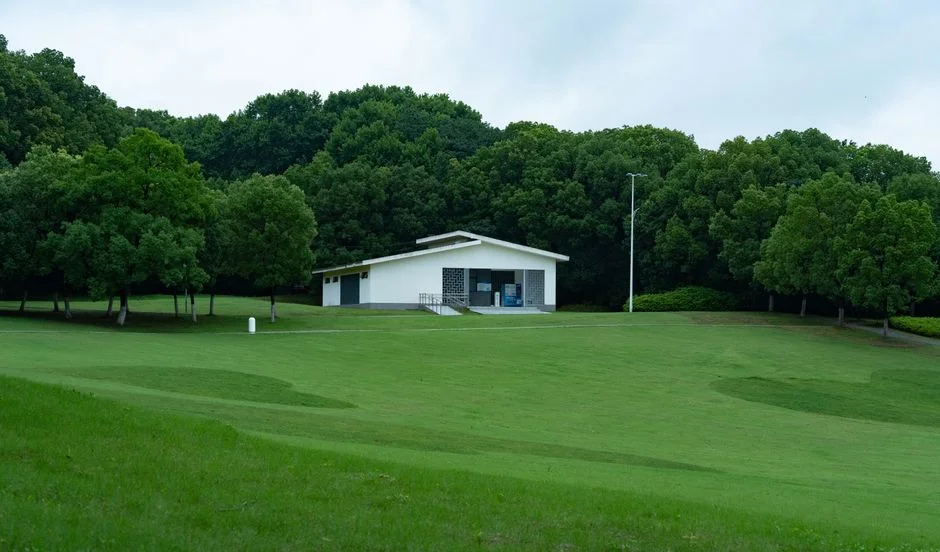
Hotel sewage generation runs 200 L per guest-night for 3–4 star properties and 250–300 L for 5-star properties with spa, banquet, and full F&B outlets (HydropureWater field data, 2025). Apply a peak factor of 2.5–3.0 over the diurnal pattern — morning checkout, mid-morning housekeeping, and evening dining peaks stack to roughly three times the average dry-weather flow. Worked example: a 250-key 4-star hotel at 0.2 m³ per guest-night equals 50 m³/day average; ×3 peak gives 150 m³/day peak instantaneous flow. Size the MBR at 80–100 m³/day with a 25% standby margin so the membranes never run at design flux during a fully-occupied monsoon week. Hotel influent characterisation is unusually oily: BOD 200–400 mg/L, COD 400–800 mg/L, TSS 150–300 mg/L, oil & grease 50–150 mg/L from kitchens — a PUB-spec grease trap upstream of the MBR is non-optional, and the vendor must show an oil & grease removal stage in their P&ID. Verify the operating envelope with the vendor: SRT 20–30 days, HRT 4–6 hours, MLSS 8,000–12,000 mg/L, and membrane flux ≤15 L/m²·h on submerged PVDF flat-sheet membrane modules. For a 5-star hotel with on-site laundry, add 15–20 m³/day per 100 kg dry laundry capacity to the design flow before sizing the bioreactor.
MBR vs MBBR vs SBR for Hotel Applications
MBR is the default winner for any Singapore hotel above 50 m³/day, and the elimination of MBBR and SBR is a site-specific decision, not a generic technology argument. MBBR carries lower CAPEX but requires a downstream clarifier and cannot deliver the sub-1 μm TSS that hotel laundry and toilet-flushing reuse schemes require — most spec writers strike MBBR at the long-list stage once reuse is on the table. SBR runs batch cycles 4–6 times per day, which buffers poorly against sharp meal-time hydraulic peaks and forces a larger equalisation tank on a constrained Singapore footprint. MBR runs continuous flow with a <1 μm physical membrane barrier, delivers the 60% footprint saving over CAS (HydropureWater MBR spec, 2025), and produces reuse-grade effluent without tertiary sand/UF polishing. Energy sits at 0.6–0.9 kWh/m³ for packaged MBR versus 0.3–0.5 kWh/m³ for MBBR — the 0.3 kWh/m³ premium buys back 25–40% of hotel potable water demand through reuse, typically inside 3–5 years. Submerged MBR with an enclosed bioreactor plus a small activated-carbon scrubber is the only configuration that meets NEA's 50 m setback rule on mixed-use sites in Orchard, Bugis, and Marina Bay.
| Criterion | MBR (submerged PVDF) | MBBR | SBR |
|---|---|---|---|
| Effluent TSS (mg/L) | <1 | 10–30 | 10–20 |
| Footprint vs CAS | 40% | 70% | 60% |
| Specific energy (kWh/m³) | 0.6–0.9 | 0.3–0.5 | 0.4–0.6 |
| Direct reuse capable | Yes (NEWater-grade with UV) | No (needs UF + RO) | No (needs UF) |
| Peak flow tolerance | High (continuous flow) | Moderate | Low (batch-limited) |
| CAPEX, 100 m³/day (SGD) | 180,000–320,000 | 120,000–220,000 | 150,000–260,000 |
| 20-year TCO with reuse | Baseline | +8–12% | +5–9% |
For a deeper cross-technology review with full lifecycle numbers, the MBR vs MBBR vs SBR comparison walks the same matrix at larger flow ranges.
Packaged MBR Selection Checklist for Singapore Hotels
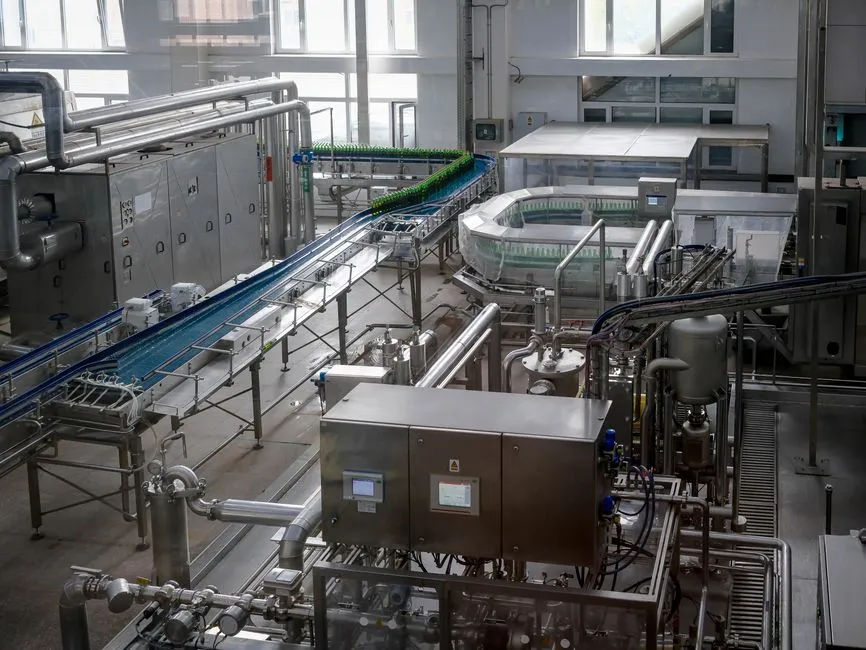
Score every vendor quote against this list before the technical clarification meeting. Membrane spec first: submerged PVDF flat-sheet, 0.1 μm nominal pore size, ≥10,000 hr operating life verified by an independent MTBF certificate, and individually replaceable cartridges — a single blocked panel should not force a full membrane stack swap. Aeration next: integrated blower with VFD and DO-controlled intermittent scouring delivering the 10–20× energy advantage over cross-flow designs (per DF series spec). PLC scope: Allen-Bradley CompactLogix or Siemens S7-1200, 10-inch HMI, Modbus TCP gateway for the hotel BAS, and SMS/email alarm push to the engineering duty phone. Enclosure: hot-dip galvanised skid with SS316 internal piping rated for tropical 95% RH, IP54 control panel, and an optional 40-foot ISO containerised format if the site is plant-room constrained. Compliance pack: PUB-submittable P&ID, SS 532 electrical certification, 12-month defect liability period, and a 2-year service contract option priced separately. Pre-filtration: 2 mm rotary drum screen upstream to keep laundry lint and kitchen solids off the membranes — without it the 10,000 hr membrane life claim collapses. Pair the skid with PLC-controlled chemical dosing for membrane cleaning sized for CIP every 6–8 weeks on hotel loadings.
2026 CAPEX and OPEX for Packaged MBR STPs in Singapore
Budget figures for 2026 hotel projects, drawn from local contractor tender returns and HydropureWater field data 2025, anchor in the following bands. A 50 m³/day packaged MBR skid lands at SGD 120,000–200,000 CAPEX; 100 m³/day at SGD 180,000–320,000; 200 m³/day at SGD 350,000–550,000. Containerised ISO-format skids carry a 15–20% premium over open skid but cut site install from 6–8 weeks to 2–3 weeks. OPEX runs SGD 0.45–0.75 per m³ treated, split roughly 55% membrane aeration, 15% chemical cleaning, 20% sludge hauling to a licensed NEA collector, and 10% routine service. NEWater-grade reuse for laundry, toilet flushing, and landscape irrigation offsets 25–40% of hotel potable demand; a 100 m³/day hotel reuses 25–40 m³/day and saves SGD 80,000–120,000 per year on PUB water bills at 2026 tariff (SGD 2.74/m³, PUB 2026). Over a 20-year lifecycle, packaged MBR total cost of ownership lands 8–12% below MBBR-plus-tertiary-UF once reuse is monetised, because the avoided UF membrane replacement and the avoided potable water purchases compound. Add a 10% contingency line for PUB permit fees, the PUB-licensed plumber connection, and PUB Trade Effluent compliance sampling across the first 12 months of operation.
| Capacity (m³/day) | CAPEX range (SGD) | OPEX (SGD/m³) | Annual potable water saving (SGD) | Simple payback vs PUB water tariff |
|---|---|---|---|---|
| 50 | 120,000–200,000 | 0.45–0.75 | 40,000–60,000 | 3.0–4.5 years |
| 100 | 180,000–320,000 | 0.45–0.75 | 80,000–120,000 | 2.5–3.5 years |
| 200 | 350,000–550,000 | 0.45–0.75 | 160,000–240,000 | 2.0–3.0 years |
Frequently Asked Questions
How much does a packaged MBR STP cost in Singapore in 2026? A 100 m³/day packaged MBR STP for a hotel runs SGD 180,000–320,000 CAPEX with SGD 0.45–0.75/m³ OPEX, and a containerised ISO version adds 15–20% to the skid price.
What is the PUB trade effluent limit for hotels discharging to sewer? PUB sets BOD ≤400, COD ≤600, TSS ≤400, NH3-N ≤100, and oil & grease ≤60 mg/L for sewer discharge, with a S$10,000 first-offence fine per parameter exceeded.
How do I size an MBR for a 200-key hotel? Use 200 L per guest-night, apply a 2.5–3.0 peak factor, and add 25% standby — a 200-key 4-star hotel sizes to roughly 80–100 m³/day packaged MBR capacity.
Can MBR effluent be reused for hotel laundry and toilet flushing? Yes — a submerged PVDF MBR delivers BOD <5, COD <30, TSS <1 mg/L, which clears PUB's NEWater non-potable reuse bar (BOD ≤10, TSS ≤5 mg/L) after a UV or chlorine dioxide pass.
How often do MBR membranes need cleaning? Submerged flat-sheet PVDF membranes on hotel loadings run a maintenance CIP every 6–8 weeks and a recovery clean every 6–9 months, holding the 10,000 hr operating-life envelope when a 2 mm rotary drum screen is fitted upstream.