What Is a UASB Reactor for High COD Wastewater
A UASB reactor for high COD wastewater is a single-tank high-rate anaerobic system. Influent flows upward through granular sludge. A three-phase separator recovers biogas and solids without carrier media. At 2,000–20,000 mg/L COD, OLR above 20 kg COD/m³·d, and HRT under 24 h, mesophilic units routinely remove over 75% COD.
UASB technology emerged in the late 1970s and was first commercialized on sugar refining, brewery, distillery, and pulp and paper effluents. Dense, multi-species granules settle under upflow, so no support media is needed. That cut CAPEX and removes the plugging risk that anaerobic filters still carry. Per the 2023–2024 UASB technology review, decentralized municipal UASB reactors preceded by a septic tank have demonstrated 88% COD and 83% TSS removal at full scale.
Most plants we size for brewery and starch streams land in the 2,000–20,000 mg/L COD band. Outside that envelope the biogas case or the granule blanket usually fails first, not the steel tank.
Influent Screening: When UASB Is and Isn't the Right Choice
UASB performs in a narrow influent envelope, and most failures trace back to wastewater that falls outside it. Use the checklist below as a pass/fail gate before locking a design basis.
| Parameter | Pass range (UASB suitable) | Fail / action required |
|---|---|---|
| Influent COD | 2,000–20,000 mg/L | <1,500 mg/L loses biogas economics; >25,000 mg/L raises toxicity/foaming risk |
| Temperature | 30–38 °C (mesophilic) | <20 °C kinetics drop ~50% — consider EGSB or IC, or add heating |
| TSS | <2,000 mg/L | >3,000 mg/L requires a rotary bar screen for UASB influent protection followed by DAF pre-treatment |
| pH / alkalinity | pH 6.5–7.5; alkalinity/COD > 0.3 | Outside this band, add equalization with NaHCO₃ or NaOH dosing |
| Inhibitors | NH₃-N < 2,500 mg/L; SO₄²⁻ < 3,000 mg/L; low heavy metals | Higher values require toxicity management; landfill leachate UASB operation (H₂S control case, 2010) is a documented example of pushing these limits with sulfide stripping |
Below 1,500 mg/L COD, the reactor still functions but biogas revenue collapses and the OPEX case fails against aerobic alternatives. Above 25,000 mg/L, free ammonia and LCFA toxicity rise sharply. Most designers then add a pre-acidification equalization tank or switch to IC.
The TSS line is the most common trip-up on brewery and starch streams. Fines, spent grain carryover, and milk solids routinely exceed 4,000 mg/L. Without screening and flotation, a granule blanket can wash out within weeks.
Selection checklist before you freeze the process train:
- Measure TSS, FOG, and settleable solids on the same composite samples.
- Verify mesophilic temperature or budget heating duty of 5–10 W/m³.
- Screen alkalinity/COD, NH₃-N, and SO₄²⁻ against the table limits.
- Decide recycle ratio early if peak COD exceeds 15,000 mg/L.
- Budget DAF or lamella polishing capacity for residual TSS and FOG.
- Identify a thermal host for biogas before claiming payback.
How Does Granulation Handle High-Strength COD Wastewater?
Granulation for high-strength COD wastewater builds dense microbial aggregates that settle at 30–60 m/h under design upflow. Healthy industrial granules typically measure 1–3 mm with VSS/ISS above 0.6. Washout risk rises once settling velocity falls below 20 m/h, which is why TSS spikes and hydraulic shocks must be gated upstream.
Most plants we commission spend the first 3–6 months protecting that blanket more carefully than the gas hood. Once granules stabilize at 2–3 mm, loading can step toward the high-rate OLR band without media or external settlers inside the reactor.
2026 Design Parameters for High-COD UASB Reactors
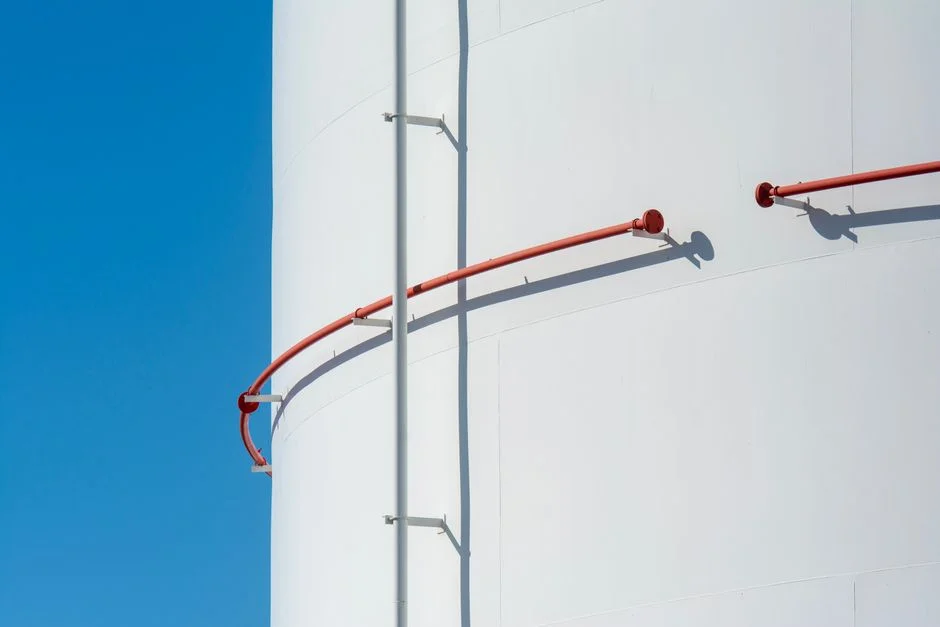
The table below consolidates 2026-validated design parameters for a well-granulated industrial UASB. Carry these numbers into the design basis document before vendor comparison begins.
What Are Typical UASB Design Values?
Typical UASB design values for industrial high-COD service are upflow velocity 0.5–1.5 m/h, HRT 6–24 h, and OLR 10–25 kg COD/m³·d. Standard units sit at 12–24 h and 10–20 kg COD/m³·d. High-rate variants push 6–12 h and 20–25 kg COD/m³·d when granule quality and separator geometry support it.
| Parameter | Standard UASB | High-rate UASB | Notes |
|---|---|---|---|
| Upflow velocity | 0.5–0.9 m/h | 1.0–1.5 m/h | High-rate variants require taller H/D and better three-phase separator geometry |
| HRT | 12–24 h | 6–12 h | Benchmark: OLR >20 kg COD/m³·d at HRT <24 h (2023–2024 UASB review) |
| OLR | 10–20 kg COD/m³·d | 20–25 kg COD/m³·d | Sustained OLR >25 kg COD/m³·d pushes toward IC territory |
| Reactor H/D ratio | 3:1 | 4:1 to 5:1 | Taller columns improve granular retention and gas-solids separation |
| Three-phase separator hood angle | 45–55° | 50–55° | Steeper angles reduce gas entrainment into the settling zone |
| Separator aperture width | 1.5–2.5 m | 2.0–2.5 m | Wider apertures lower upflow velocity at the gas-solids interface |
| Effluent recycle ratio | 1:1 | 2:1 to 3:1 | Used when influent COD >15,000 mg/L to control upflow velocity and dilute spikes |
| Granule VSS/ISS | >0.6 | >0.7 | Lower ratio indicates mineral accumulation and loss of activity |
| Mean granule diameter | 1–3 mm | 2–3 mm | Measured by sieve fractionation during commissioning |
| Granule settling velocity | 30–60 m/h | 50–80 m/h | Healthy granules settle at >30 m/h; washout begins below 20 m/h |
| Heating duty (35 °C) | 5–10 W/m³ | 5–10 W/m³ | Biogas reuse typically covers 30–60% of this thermal load |
The three-phase separator is the single most failure-prone internal component. A deflection angle below 45° lets biogas bubbles drag flocculent sludge into the effluent launder. An aperture too narrow relative to design upflow velocity causes blanket rise and washout.
Recycle ratio is the cheapest control knob. For any influent above 15,000 mg/L COD, plan for 2:1 to 3:1 recycle from day one, even if year-one operation starts at 1:1.
UASB vs EGSB vs IC: Choosing the Right Anaerobic Reactor
UASB, EGSB (Expanded Granular Sludge Bed), and IC (Internal Circulation) are the three high-rate anaerobic technologies an industrial engineer will be asked to compare. They differ on hydraulic tolerance, loading ceiling, and CAPEX intensity. The table below is the head-to-head needed to defend a selection.
| Criterion | UASB | EGSB | IC |
|---|---|---|---|
| Max OLR (kg COD/m³·d) | 20–25 | 25–30 | 35–45 |
| Min HRT (h) | 6–12 | 2–6 | 2–4 |
| Upflow velocity (m/h) | 0.5–1.5 | 3–6 | Internal gas-lift driven |
| TSS tolerance (mg/L) | <2,000 | <1,000 | <1,500 |
| Reactor height | 5–8 m | 12–16 m | 16–25 m |
| CAPEX multiplier (vs UASB) | 1.0× | 1.1–1.3× | 1.4–1.8× |
| Best-fit flow (m³/d) | 20–500 | 100–1,000 | >500 |
| Best-fit industries | Brewery, dairy, starch (small-medium) | Brewery, distillery, chemical (variable T) | Sugarcane vinasse, potato starch, pulp & paper (large, consistent mesophilic) |
Below 200 m³/d and COD under 15,000 mg/L, choose UASB. It is the lowest CAPEX option. The granule blanket also forgives the loading swings a small brewery actually delivers.
Between 200 and 1,000 m³/d with fluctuating temperature or partially soluble COD, choose EGSB. Its 3–6 m/h upflow via recirculation expands the bed. That layout tolerates cooler rinse-water streams a flat UASB cannot.
Above 1,000 m³/d with COD above 15,000 mg/L and steady mesophilic heat, choose IC. Tall reactors and internal gas-lift reach 35–45 kg COD/m³·d. The CAPEX premium pays back in footprint and biogas yield on vinasse, large starch, or pulp evaporator trains, per the 2023–2024 UASB review.
Post-Treatment and Sludge Handling Downstream of a UASB
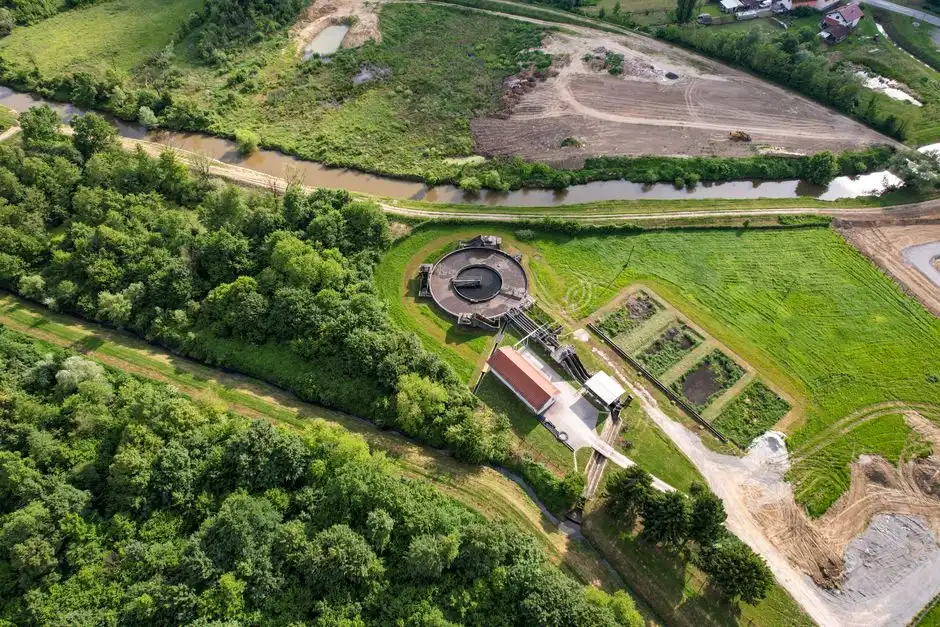
UASB effluent typically retains 500–3,000 mg/L COD, 200–800 mg/L BOD, and elevated TSS, FOG, and color. Direct discharge is rarely compliant below COD 250 mg/L or BOD 30 mg/L.
The standard polishing train starts with a DAF system for post-UASB TSS and FOG removal. Use a High-Efficiency Sedimentation Tank (Lamella Clarifier) instead when solids are denser and FOG is low. Finish with an MBR system for UASB effluent polishing, or activated sludge on cost-sensitive sites, then disinfection for reuse or discharge.
Excess UASB sludge production is small relative to aerobic systems — typically 0.05–0.15 kg TSS per kg COD removed — but it still needs dewatering. A plate-and-frame filter press for UASB excess sludge delivers an 18–25% dry-solids cake that is haulable to landfill or suitable for further digestion.
On brewery, distillery, and starch trains, the clarifier or DAF stage plus the filter press are non-negotiable. Under-specifying polishing is the most common compliance failure on otherwise sound UASB projects. Where primary clarification is also needed ahead of the reactor, the same High-Efficiency Sedimentation Tank (Lamella Clarifier) can cut TSS before the granule bed sees the load.
2026 CAPEX, OPEX, and Payback for Industrial UASB Systems
The 2026 economics below are anchored to packaged UASB units shipped for 50–500 m³/d service and field-erected concrete units above 1,000 m³/d. Budget contingencies of 8–12% remain appropriate for 2026 because stainless and carbon-steel prices have stabilized from 2023–2024 volatility.
| Cost item | 2026 range (USD) | Drivers |
|---|---|---|
| Packaged UASB CAPEX | $180–$420 per m³/d capacity (50–500 m³/d) | Material (SS304 vs SS316), three-phase separator finish, control panel scope |
| Concrete field-erected CAPEX | $90–$160 per m³/d capacity (>1,000 m³/d) | Civil cost dominates; gas system scope drives swing |
| OPEX (all-in) | $0.08–$0.22 per m³ treated | Alkalinity source, trace Fe/Ni/Co, heating, minimal labor |
| Biogas yield | 0.35–0.45 m³ per kg COD removed | 60–65% methane; suitable for boiler, CHP, or biomethane upgrading |
| Biogas revenue (200 m³/d brewery, 4,500 mg/L COD) | 1,400–1,800 m³/d biogas ≈ $400–$700/d displaced NG | Assumes $0.25–$0.40/m³ NG equivalent |
| Simple payback | 2.5–4.5 years | Versus fully aerobic at 0.4–0.6 kWh/m³ aeration energy |
For a 200 m³/d brewery UASB treating 4,500 mg/L COD at 85% removal, daily COD load is about 770 kg. Biogas yield lands near 270–350 m³ CH₄/d, worth roughly $400–$700/d in boiler natural-gas displacement depending on local price. Against packaged CAPEX of $36,000–$84,000 (200 m³/d × $180–$420), payback versus a fully aerobic alternative is typically 2.5–4.5 years once biogas is monetized.
A UASB reactor for high COD service sits at the low end of anaerobic OPEX because biomass yield and mechanical duty stay low. The 2026 high-strength organic wastewater treatment cost benchmark cross-references an OPEX range of $0.12–$0.55/m³ across anaerobic technologies, with UASB near the bottom of that band.
Who This Is For, Who Should Look Elsewhere, and Next Step
Plant engineers, EPC leads, and procurement managers use this guide when sizing anaerobic pretreatment. It fits brewery, dairy, starch, distillery, and pulp and paper trains in the 20–500 m³/d class.
Look elsewhere if COD stays below 1,500 mg/L. Also look elsewhere if you need sustained OLR above 25 kg COD/m³·d, or cold operation without heating. EGSB or IC usually fit those cases better.
If your influent matches the pass ranges above, share flow, COD, TSS, temperature, and limits via a UASB design and quote request. That check locks reactor volume, separator geometry, and the polishing train to one design basis.
Frequently Asked Questions
What COD range is a UASB reactor designed for?
The proven operating window is 2,000–20,000 mg/L influent COD. Below 1,500 mg/L the biogas economics collapse and aerobic options often win on OPEX. Above 25,000 mg/L, toxicity and foaming risk rise, so an EGSB, IC, or pre-concentration step becomes the better fit for most industrial trains.
What HRT and OLR should a high-rate UASB be designed to?
Design HRT of 6–24 hours with OLR of 10–25 kg COD/m³·d for a well-granulated industrial UASB, per the 2023–2024 UASB technology review. Standard units sit at 12–24 h and 10–20 kg COD/m³·d. High-rate variants push to 6–12 h and 20–25 kg COD/m³·d when separator and granule quality support it.
Which industries have validated UASB at full scale?
Breweries, distilleries, sugarcane vinasse, pulp and paper, dairy, starch, and landfill leachate are documented at full scale. Sources include the 2012 flax retting UASB study, the 2010 landfill leachate H₂S case, and the 2023–2024 UASB review. See the 2026 beverage wastewater treatment process guide and the brewery wastewater OPEX benchmark for 2026 for beverage detail.
Does UASB effluent require post-treatment?
Yes. UASB alone will not meet typical COD <250 mg/L or BOD <30 mg/L discharge limits. A polishing train — DAF or lamella clarifier followed by MBR or activated sludge, then disinfection — is standard on every industrial UASB installation that must discharge or reuse the water.
How is the biogas from a UASB typically used?
Typical yield is 0.35–0.45 m³ per kg COD removed at 60–65% methane. At low flows the gas is flared or fired in a boiler. Above about 1,000 m³ biogas/d, a CHP unit or biomethane upgrading skid becomes economic, especially when a brewery or starch plant has a nearby thermal host.