Why Electroplating Effluent Treatment Matters in Cambodia
Cambodia's electroplating sector — anchored by automotive-parts suppliers in the Phnom Penh Special Economic Zone (PP SEZ) and Manhattan SEZ, plus dozens of job-shops in Dangkao and Sen Sok — discharges under a dual regulatory regime. The Ministry of Environment (MoE) Sub-Decree on Water Pollution Control sets the national ceiling, and SEZ operators layer on top of that stricter discharge permits tied to the Prakas on National Pollutant Discharge Standards and the PNM (National Pollution Monitoring) self-reporting cycle. A plating shop in violation faces not only a MoE notice but also SEZ lease non-renewal, which is a business-ending risk in Phnom Penh.
Flow ranges are predictable: 5–50 m³/day for typical job-shops doing decorative chrome and zinc plating, and 100+ m³/day for automotive-parts lines running rack and barrel plating. The toxic load per cubic metre is severe — 50–500 mg/L total heavy metals, 5–100 mg/L free cyanide, and pH swinging from 2 to 4 across acid-pickle and chrome baths. Untreated discharge of this profile into the Tonle Sap watershed or Mekong tributaries puts downstream fisheries and potable-water intakes at measurable risk, which is why MoE inspectors now conduct unannounced sampling at least twice per year across registered SEZs.
Contaminant Profile of Cambodian Plating Wastewater
Plating shops in Phnom Penh and the SEZs typically run hard-chrome and decorative-chrome lines alongside nickel, copper, zinc, and cadmium baths, with cyanide-bearing streams segregated for Cu-Zn, silver, and gold plating. Source segregation is not optional — acid chrome waste mixed with cyanide produces lethal HCN gas within seconds, a hazard that has triggered MoE shutdowns at smaller job-shops in the past five years.
Drag-out from a hard-chrome line carries Cr(VI) at 50–300 mg/L; nickel plating drag-out runs 20–150 mg/L Ni. Cadmium and zinc appear in sacrificial-coating lines, while copper concentrates in acid-etch and printed-circuit-board shops. Process pH spans 1–14 across these streams, which forces equalization-tank sizing for 8–12 hour HRT to dampen shock loads before chemistry. Tropical ambient temperatures of 30–45 °C in Phnom Penh reduce DAF air-saturation efficiency by roughly 10–15% versus temperate design baselines, a correction engineers must build into the clarification stage.
| Stream | Typical pH | Key Contaminant | Concentration Range |
|---|---|---|---|
| Hard-chrome drag-out | 1–2 | Cr(VI) | 50–300 mg/L |
| Nickel plating rinse | 3–5 | Ni | 20–150 mg/L |
| Cyanide Cu-Zn bath | 10–12 | Free CN⁻ | 5–100 mg/L |
| Cadmium plating rinse | 2–4 | Cd | 10–60 mg/L |
| Acid-etch / PCB shop | 1–3 | Cu | 30–200 mg/L |
For a broader regional perspective on chromium limits, the regional chromium discharge-limit comparison shows how Cambodia's 0.1 mg/L Cr(VI) ceiling sits between Thailand's 0.25 mg/L and Vietnam's 0.05 mg/L.
Four-Stage Treatment Process Train for Cambodian Plating Shops

The standard treatment train for a Cambodian plating ETP runs in four sequential stages, each engineered to a specific output target. Skipping a stage or running them out of order collapses removal efficiency and creates permit-renewal risk at the next MoE audit.
Stage 1 — Pre-treatment: bar screening, oil skimming, and flow equalization in an 8–12 hour HRT tank. This dampens pH and flow swings before chemistry. Stage 2 — Primary chemistry: hexavalent chromium reduction with Na₂S₂O₅ or FeSO₄ at pH 2–3, alkaline chlorination of free cyanide at pH 10–11, and mixed-metal hydroxide precipitation at pH 8.5–9 using NaOH or Ca(OH)₂. Stage 3 — Clarification: a DAF clarifier for metal-hydroxide sludge, sized to the design range of 4–300 m³/h. Stage 4 — Tertiary polishing: sand filtration, activated carbon, then RO for either ZLD or rinse-loop reuse, with permeate recovery typically 65–75%.
| Stage | Unit Operation | Target Output | Typical Removal |
|---|---|---|---|
| 1 — Pre-treatment | Screening, equalization | Flow & pH dampening | Oil/grease >90% |
| 2 — Primary chemistry | Cr(VI) reduction, CN⁻ oxidation, hydroxide ppt | Cr/Ni/Cd/Zn/Cu <1 mg/L | 95–99% metals |
| 3 — Clarification | DAF or lamella | TSS <30 mg/L | 85–95% TSS |
| 4 — Polishing | Sand + AC + RO | Reuse or discharge compliance | 95–99% residual metals |
A PLC-controlled chemical dosing skid is essential for Stage 2 — manual dosing in a Cambodian plating shop is the most common audit failure mode.
Cr(VI) Reduction and Cyanide Destruction: The Critical Front-End
Cr(VI) and free cyanide must be treated before any mixed-metal precipitation stage, because residual Cr(VI) poisons the hydroxide floc and residual CN⁻ complexes nickel, making it non-precipitable. Getting front-end chemistry wrong renders the rest of the train ineffective.
For hexavalent chromium reduction, sodium metabisulfite (Na₂S₂O₅) is dosed at 2.5–3.5 g per gram of Cr(VI), with a 30–60 minute reaction time at pH 2–3 and ORP held below 250 mV. Ferrous sulfate (FeSO₄) is the cheaper alternative at 6–8 g per gram Cr(VI), but it produces roughly twice the sludge mass of the sulfite route, which raises downstream disposal cost. Cyanide destruction runs on alkaline chlorination: NaOCl at 2.73 g per gram of CN⁻ oxidizes free cyanide to cyanate (CNO⁻), then to CO₂ and N₂. pH must be held at 10–11 throughout — a drop below pH 9 liberates HCN gas and creates an immediate worker-fatality hazard. Inline ORP and pH probes feeding a PLC-controlled chemical dosing skid with two-stage feedback is the standard configuration in well-run Cambodian ETPs.
Zero-Liquid-Discharge vs Conventional Discharge: Decision Framework
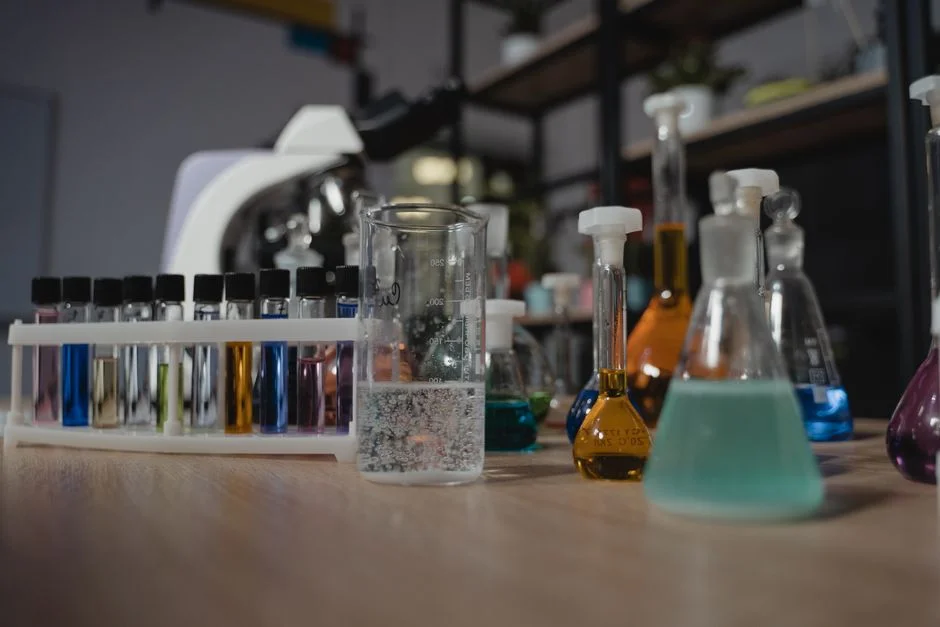
The choice between ZLD and conventional discharge is the highest-leverage capital decision a Cambodian plating owner makes — it determines whether the facility is locked into a 2.5–4× CAPEX premium or accepts a recurring permit-renewal and discharge-monitoring burden. This decision depends on specific site operational costs and regulatory pressures.
| Factor | Choose ZLD | Choose Conventional + Polishing |
|---|---|---|
| Water cost | > USD 1.5/m³ | < USD 0.8/m³ |
| SEZ location | Inside PP SEZ with strict withdrawal limits | Outside SEZ, municipal sewer access |
| Sludge disposal | High disposal cost (> USD 100/tonne) | Licensed hauler within 50 km |
| Discharge permit | Renewal risk or community opposition | Stable MoE permit in place |
| CAPEX premium | 2.5–4× conventional | Baseline |
ZLD configuration pairs the RO polishing stage with a mechanical-vapor or thermal evaporator and crystallizer, eliminating liquid effluent entirely. Conventional discharge runs RO permeate to a compliant outfall and concentrates the reject to a filter press for hazardous metal sludge for off-site disposal.
Sludge Handling and Compliance Documentation
Metal-hydroxide sludge from plating ETP is classified as hazardous waste under MoE guidance, with typical yield 8–15 kg dry solids per cubic metre of treated wastewater. A plate-and-frame filter press dewatering this sludge to below 65% moisture cuts transport tonnage by roughly 50–60% versus belt-press output, and reduces annual hauling cost by a corresponding margin.
Operators must maintain a chain-of-custody log for every sludge shipment to a licensed disposal facility, and SEZ auditors in PP SEZ and Manhattan SEZ routinely request monthly manifests during compliance reviews. Sampling protocol is standardized: 24-hour composite, preserved with HNO₃ to pH below 2, refrigerated at 4 °C, with lab turnaround 5–7 days via MoE-accredited Phnom Penh labs. The filter press OPEX reference gives a worked example of polymer dose, cycle time, and power draw for a 50 m³/day Phnom Penh plating ETP.
Phnom Penh CAPEX and OPEX Bands for Plating ETPs (2026)
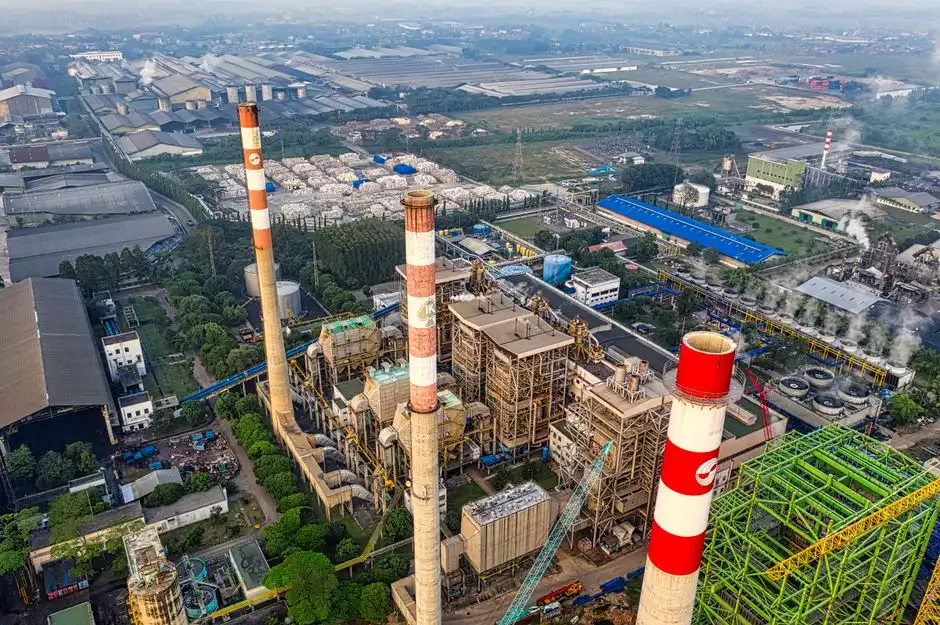
Capital and operating cost bands for a packaged plating ETP in Phnom Penh cluster tightly once flow rate is fixed. The numbers below come from regional equipment-supplier quotes and Cambodian installation contractor data through 2026-Q1, and exclude land, building, and SEZ permit fees.
| Plant Size | Flow (m³/day) | CAPEX (USD) | OPEX (USD/m³) | Configuration |
|---|---|---|---|---|
| Small job-shop | 5–20 | 45,000–90,000 | 2.8–4.5 | Batch chemistry + DAF + sand/AC |
| Mid-size decorative line | 20–80 | 120,000–280,000 | 2.2–3.6 | Continuous chemistry + DAF + RO polishing |
| Automotive supplier | 100–250 | 380,000–850,000 | 1.8–3.0 | Full train + RO + partial ZLD |
| Full ZLD retrofit | 50–150 | 900,000–2,100,000 | 4.5–7.5 | RO + evaporator + crystallizer |
Procurement checklist for a Cambodian plating ETP project: (1) MoE-registered design engineer with PP SEZ or Manhattan SEZ project history; (2) source-segregated piping for acid-chrome versus cyanide lines; (3) equalization tank sized for 8–12 hour HRT; (4) PLC-controlled dosing with ORP/pH feedback; (5) DAF or lamella rated for 30–45 °C influent; (6) RO with CIP system; (7) filter press sized for peak sludge generation; (8) licensed hazardous-waste hauler under contract; (9) chain-of-custody logbook and PNM self-reporting template; (10) operator training records for alkaline-chlorination safety.
Frequently Asked Questions
Q1 — What