Thailand's Chromium Discharge Limits: What the 2026 Standard Actually Says
Under Thailand's Notification of Ministry of Industry B.E. 2560, effective 7 June 2017, industrial effluent must contain no more than 0.25 mg/L of hexavalent chromium [Cr(VI)] and 0.75 mg/L of trivalent chromium [Cr(III)] (per JETRO Bangkok unofficial translation, 2022-03). The 0.25 mg/L Cr(VI) cap appears verbatim in both the IEAT industrial-estate standard and the public-land discharge standard (per U.I. Masters 2021-01 compilation) — facility location does not change the chromium number, only the supporting parameters such as temperature (45 °C inside IEAT vs 40 °C on public land) and color (600 ADMI vs 300 ADMI).
Facilities must comply with both speciation limits. A laboratory Certificate of Analysis that reports only "total chromium" (Cr(VI) + Cr(III)) does not demonstrate compliance — a sample at the 0.25 mg/L Cr(VI) limit would already be above 1.0 mg/L total Cr once Cr(III) carryover is counted, and the 0.75 mg/L Cr(III) cap would bind. The supporting parameter envelope that governs chromium treatment design is shown below.
| Parameter | Unit | Public-land standard (MOI 2560) | IEAT industrial-estate standard |
|---|---|---|---|
| pH | — | 5.5–9.0 | 5.5–9.0 |
| Temperature | °C | ≤ 40 | ≤ 45 |
| Suspended solids | mg/L | ≤ 50 (max 150 with PCC approval) | ≤ 200 |
| Sulfide (as H₂S) | mg/L | ≤ 1.0 | ≤ 1.0 |
| Cyanide (as HCN) | mg/L | ≤ 0.2 | ≤ 0.2 |
| Hexavalent chromium | mg/L | ≤ 0.25 | ≤ 0.25 |
| Trivalent chromium | mg/L | ≤ 0.75 | ≤ 0.75 |
The two cyanide and sulfide values matter for chromium design: free cyanide complexes Cr(III) and prevents precipitation, so any plating shop with copper-zinc lines must destroy cyanide to ≤ 0.2 mg/L HCN before the reduction tank, not after (per MOI 2560 §5.9).
Why Cr(VI) and Cr(III) Are Regulated Separately
Hexavalent chromium exists as the anions chromate (CrO₄²⁻) and dichromate (Cr₂O₇²⁻) at pH above 6.5; it is a confirmed human carcinogen (Group 1, IARC), a mutagen, and a strong oxidizer that readily crosses cell membranes through sulfate transport channels. Trivalent chromium is a cationic species (Cr³⁺, Cr(OH)²⁺) that precipitates readily as the hydroxide and is an essential trace nutrient at low dose — it is roughly 1,000× less bioavailable than Cr(VI) because it does not cross biological membranes passively.
The WHO drinking-water guideline for total chromium is 0.05 mg/L (50 μg/L), and the typical Cr(VI)-only daily maximum in drinking water sits near 0.04 mg/L (40 μg/L) (per WHO 2011; per 2024 industry review of cross-jurisdiction limits). Both numbers sit well below the Thai industrial cap of 0.25 mg/L — but the comparison is the wrong frame. Industrial effluent is not drinking water; it is discharged to canals and rivers that feed irrigation and downstream water supplies, which is why the industrial number is set an order of magnitude below the WHO drinking-water figure and why Cr(VI) is regulated separately from Cr(III).
The treatment consequence is mechanical: because Cr(VI) is anionic above pH 6.5, it passes straight through standard hydroxide precipitation designed for cationic metals. The wastewater must first be reduced to Cr(III) at pH 2.0–3.0, then precipitated as Cr(OH)₃. Skipping the reduction step is the single most common design error in retrofit projects at small Thai plating shops.
The Standard Treatment Train: Reduction → Precipitation → Polishing
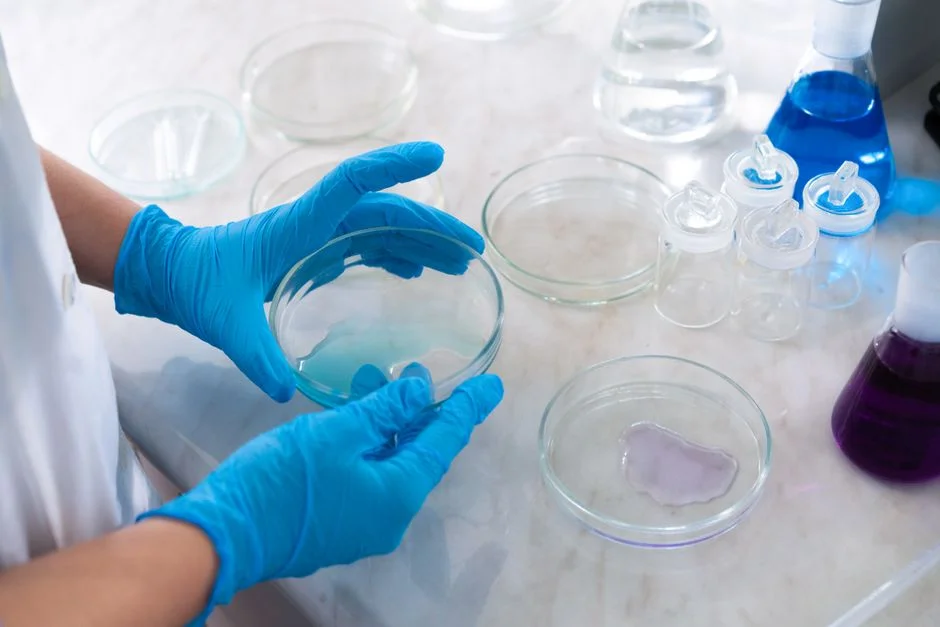
A compliant train for a typical Cr(VI)-bearing wastewater (50–500 mg/L source strength) has six stages, each with a defined control parameter. The sequence below can be copied directly into a P&ID.
- Equalization. 8–24 h HRT basin to dampen pH and concentration spikes from plating rinse dumps. A swing pH of more than 1.5 units between morning and afternoon shifts is a sign the basin is undersized.
- Acidification. Dose 98% H₂SO₄ to drive pH to 2.0–3.0. A pH probe in the reduction tank is mandatory — at pH > 3.5 the reduction kinetics of metabisulfite collapse by an order of magnitude.
- Reduction. Two reagent options dominate Thai practice. Sodium metabisulfite (Na₂S₂O₅) at approximately 1.8 g per g Cr(VI) at pH 2–3, with 15–30 min contact time, is the standard choice where sulfate discharge is constrained because it adds only sodium and sulfate end-products. Ferrous sulfate (FeSO₄·7H₂O) at 2.5–3.0 g per g Cr(VI) is the cheaper option but loads the effluent with iron and additional sulfate; pick this path when downstream iron limits are not binding. ORP probe setpoint of +200 to +250 mV confirms complete reduction; values above +300 mV indicate incomplete reaction.
- Precipitation. Raise pH to 8.0–8.5 with NaOH (3–5 kg per kg Cr removed) or hydrated lime (4–7 kg per kg Cr). Cr(OH)₃ floc forms within 15–20 min; a DAF system for chromium hydroxide sludge separation or a lamella clarifier for chrome precipitation handles the solids.
- Polishing. A polishing multimedia filter after chromium precipitation captures carryover floc and protects downstream sampling. If clarifier overflow still reads > 0.5 mg/L total Cr, add a cation ion-exchange polisher sized for 2–4% of forward flow.
- Final pH correction. Trim to 6.5–7.5 with H₂SO₄ before the final sampling port. PCD inspectors pull samples within 1 m of this port; residence time in the discharge pipe must be at least 10 min to ensure a representative grab.
Matching the Process to the Influent: Which Train for Which Industry
The cheapest train that meets the 0.25 mg/L Cr(VI) and 0.75 mg/L Cr(III) caps depends on influent concentration and on whether the source contains cyanide or only Cr(III). The matrix below maps the four industries most common inside Thai IEAT estates to their typical influent envelope and the minimum viable treatment train. Facilities discharging less than 10 m³/day of chrome-bearing wastewater are exempt from continuous on-line monitoring, but the concentration limits still bind (per PCD practice, 2025 guidance).
| Industry / source | Typical influent Cr(VI) | Typical influent Cr(III) | Minimum treatment train | Sludge class |
|---|---|---|---|---|
| Decorative hard-chrome plating rinse | 50–500 mg/L | < 5 mg/L | Equalize → reduce (Na₂S₂O₅) → precipitate → DAF → multimedia filter → pH trim | HWC An-13 |
| Decorative Zn/Ni electroplating (chrome top-coat only) | 5–50 mg/L | < 2 mg/L | Equalize → reduce → DAF → multimedia filter | HWC An-13 |
| Leather tanning spent liquor | — | 10–200 mg/L | Direct hydroxide precipitation at pH 8–9 → lamella clarifier (no reduction step) | HWC An-13 if total Cr > 2.5% dry weight, else non-hazardous |
| Wood preservation / stainless pickling (mixed Cr + Ni + CN) | 20–200 mg/L | 5–50 mg/L | Alkaline chlorination to ≤ 0.2 mg/L CN → reduce → precipitate → DAF → ion-exchange polish | HWC An-13 |
| Electronics / semiconductor CMP and etch rinses | 1–20 mg/L | < 1 mg/L | Reduce → ion-exchange polish (effluent often recycled to UPW loop rather than discharged) | HWC An-13 |
The leather-tanning row is the one most often over-specified. Tanning liquor contains Cr(III) sulfate already — the BS EN 15987 standard requires reduction only when Cr(VI) is detected, which in a properly managed tannery it is not. Spending on a metabisulfite dosing system is wasted capex for that subsector.
Sludge Handling and Reagent Consumption: The Hidden OPEX
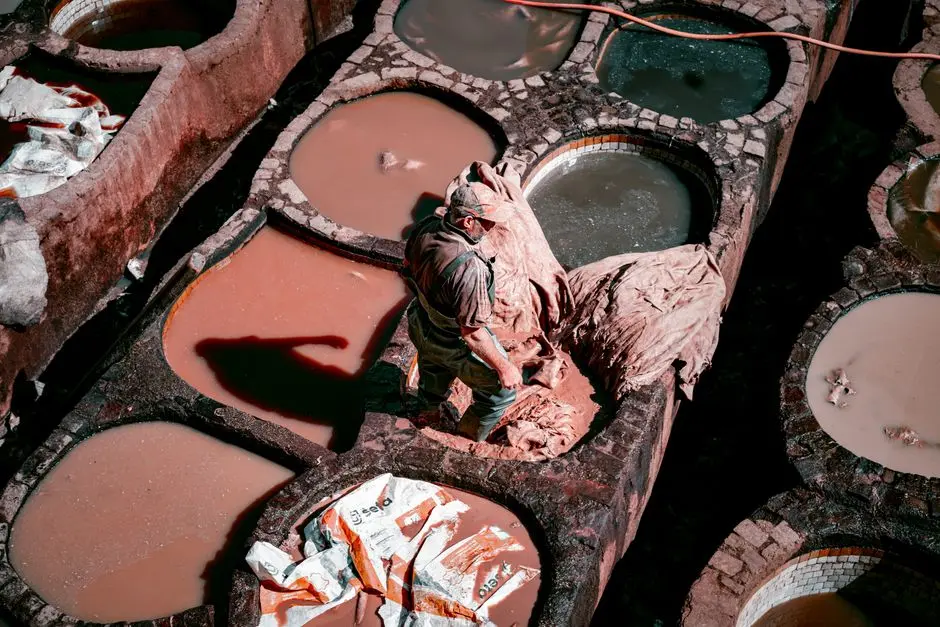
Most Thai plating shops underestimate the OPEX of compliant operation because they price the chemical reduction step but ignore the sludge line. Reagent consumption is roughly 2–4 kg 98% H₂SO₄ plus 3–5 kg NaOH (or 4–7 kg hydrated lime) per kg of chromium removed, plus 1.8 kg Na₂S₂O₅ or 2.5–3.0 kg FeSO₄ per kg Cr(VI) (HydropureWater field data, 2025-2026).
Cr(OH)₃ sludge generation runs 1.5–2.0 kg dry solids per kg Cr(VI) reduced, and in Thailand it classifies as hazardous waste under the Basel-aligned HWC system — specifically code An-13 for chromium-bearing sludge (per Thailand Department of Industrial Works notification on hazardous waste classification). Disposal requires a licensed hauler and currently runs THB 8,000–18,000 per tonne wet weight depending on region (per Department of Industrial Works licensed-hauler tariff, 2025).
A filter press for chromium-bearing hazardous sludge dewatered to 25–35% dry solids cuts sludge volume by 60–80% versus a drying bed, which typically cuts disposal cost by 40–60% and reduces floor space by a factor of 5–8. Dose the reductant and pH reagents with a PLC-controlled reductant and pH dosing system rather than manual pumps; closed-loop control on ORP and pH cuts reductant overuse by 15–25% (HydropureWater field data, 2025-2026).
Monitoring, Sampling, and PCD Inspection in 2026
Monthly composite sampling is the regulatory minimum under MOI 2560 §6, but in 2026 PCD inspectors at chrome-bearing facilities typically take 24-h flow-proportional composites at the final sampling port during both routine and unannounced visits. For any facility discharging more than 10 m³/day of chrome-bearing wastewater, on-line Cr(VI) analyzers using the 1,5-diphenylcarbazide colorimetric method at 540 nm are now a standard PCD expectation (per PCD inspection practice, 2025-2026) — a grab sample showing a momentary spike no longer satisfies the inspector if the on-line record is missing.
Four log entries are non-negotiable during an audit: pH at the final sampling port, ORP in the reduction tank (mV), influent flow (m³/h), and cumulative monthly sludge yield (kg dry). Operators should retain all four logs for at least 5 years, alongside the calibration records for each on-line probe. A facility considering nickel or copper speciation limits will find the audit template similar, since the same online heavy-metal monitoring systems cover both streams.
Non-compliance penalties under the Factory Act B.E. 2535 accumulate as a daily fine and can lead to factory-license suspension for repeated Cr(VI) exceedances, so a single missed month of records is treated as a presumptive violation, not a paperwork error.
Frequently Asked Questions
What is the maximum hexavalent chromium allowed in industrial discharge in Thailand?
0.25 mg/L Cr(VI) under MOI Notification B.E. 2560, effective 7 June 2017, applicable identically in IEAT industrial estates and on public land (per JETRO translation, 2022-03).
Does my facility's location (inside vs outside an IEAT estate) change the chromium limit?
No. Both the IEAT and public-land standards set the same 0.25 mg/L Cr(VI) and 0.75 mg/L Cr(III) caps; only the supporting parameters (temperature, color, TSS) differ (per U.I. Masters 2021-01).
Can I precipitate Cr(VI) directly with NaOH, or must I reduce it first?
You must reduce it first. Cr(VI) is anionic at pH > 6.5 and does not form a hydroxide precipitate; reduction to Cr(III) at pH 2.0–3.0 is required before alkaline precipitation at pH 8.0–8.5.
How much sodium metabisulfite do I need per kg of Cr(VI)?
Approximately 1.8 kg Na₂S₂O₅ per kg Cr(VI) at pH 2.0–3.0 with 15–30 min contact time; ferrous sulfate is dosed at 2.5–3.0 kg FeSO₄·7H₂O per kg Cr(VI) (HydropureWater field data, 2025-2026).
What is the hazardous-waste code for chromium sludge in Thailand?
HWC An-13 for chromium-bearing sludge; disposal requires a Department of Industrial Works licensed hauler.
Are the monitoring and reporting requirements the same for nickel and copper?
Yes — the same MOI B.E. 2560 table governs Ni (≤ 1.0 mg/L) and Cu (≤ 2.0 mg/L), and the same on-line monitoring practice applies; see the sister regulation on copper limits for the equivalent Egyptian cap, and the ion exchange for heavy-metal polishing guide for finishing nickel streams to the same 1.0 mg/L line.