Why Tea Processing Wastewater Needs a Different UF Design
An ultrafiltration system for tea processing wastewater in 2026 typically costs $80–$380 per m³/day of installed capacity in CAPEX (so a 500 m³/day line runs $40,000–$190,000) plus $0.08–$0.34/m³ in OPEX, with PVDF hollow-fiber UF membranes treating 50–90% COD, 95%+ suspended solids, and 30–60% polyphenol recovery when paired upstream with a DAF pre-filter on the 6–8 month tea campaign.
Black, green, and oolong factories discharge a wastewater stream that bears little resemblance to municipal sewage or generic food-industry effluent. Typical influent runs COD 1,500–6,000 mg/L, BOD 800–3,000 mg/L, TSS 300–1,500 mg/L, polyphenols 80–400 mg/L, pH 4.5–6.5, and temperature 30–55 °C (HydropureWater field data, 2026). Three sub-streams dominate: withering-trough washwater (high in dust and proteins from broken leaves), rolling/fermentation cleanup (high in catechins, caffeine residues, and oils), and CTC green-tea effluent (high in fibre fines and tannins). Each peaks at a different hour, which is why seasonal flow swings of 3–5× between March–October plucking and dormancy are the rule, not the exception.
Conventional activated-sludge biology underperforms on this stream. Tea polyphenols are bacteriostatic at concentrations above ~150 mg/L, and the low pH suppresses nitrification; a typical contact-stabilization basin loses 20–30% of its design capacity within weeks of feeding raw tea liquor (HydropureWater field data, 2026). UF sidesteps the toxicity problem entirely by separating solids, colloids, and high-MW organics physically, leaving biomass kinetics out of the design equation.
How UF Fits Inside a Tea-Line Treatment Train
The standard process flow for a tea-factory UF line in 2026 is: rotary bar screen → DAF → equalization tank → UF → optional RO or ClO₂ polishing → discharge or reuse. A 0.5–1.0 mm headworks bar screen removes leaf fragments and stringy fibre before fine screening, then a tea-line DAF pre-filter strips 60–80% of colloidal tea dust, residual oils, and floating leaf fragments that would otherwise blind the UF membrane within 4–8 hours of operation. Without DAF upstream, CIP frequency on the UF skid jumps from 1–2× per week to daily, which alone can double OPEX.
The equalization tank is sized for 12–24 hours of retention to dampen the 3–5× diurnal and seasonal flow swing before the UF sees a stable flux. On a 500 m³/day peak plant, that translates to a 250–500 m³ EQ basin with mechanical mixing and pH correction; on a 2,000 m³/day integrated operation, the EQ typically splits into two 1,000 m³ cells for cleaning redundancy. From the UF permeate, two discharge paths are common in 2026: direct sewer discharge to comply with GB 8978-1996 secondary limits, or further RO polishing for boiler-feed reuse at ≤10 µS/cm.
Polyphenol recovery is where the OPEX math turns interesting. UF permeate routed to a downstream resin-adsorption column can capture 30–60% of the residual catechins and theaflavins, yielding a crude polyphenol extract that wholesales for $1.2–$4/kg in the nutraceutical market. Trimmer et al. (2019) found that the UF component represents roughly 61% of total decentralized treatment CAPEX in their techno-economic analysis, a useful proxy for tea because both are batchy, solids-loaded, low-temperature streams (per Trimmer TEA 2019).
2026 CAPEX Breakdown by Plant Size
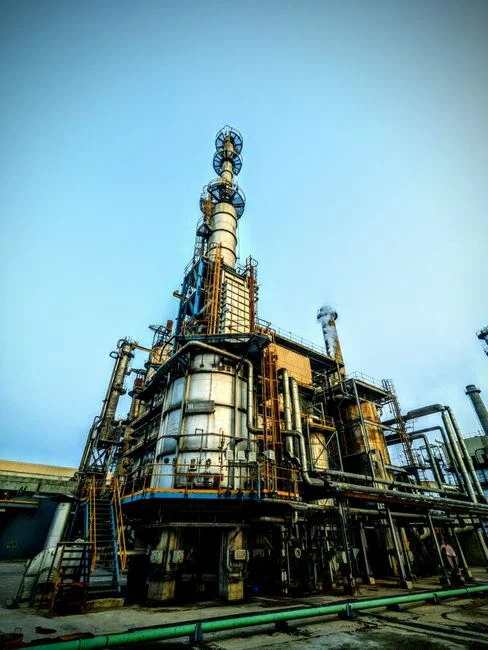
CAPEX for a 2026-vintage tea-line UF skid scales with daily capacity because membrane area, piping, and automation all have a fixed minimum. Across three reference plants, the installed-cost band runs $80–$380 per m³/day: a 200 m³/day small estate lands at $260–$380, a 500 m³/day mid-size factory at $160–$260, and a 2,000 m³/day integrated plant at $80–$140 due to skid-economy of scale (HydropureWater field data, 2026). In absolute dollars that means $52,000–$76,000, $80,000–$190,000, and $160,000–$280,000 respectively, before civil works.
| Cost line | 200 m³/day (small estate) | 500 m³/day (mid-size factory) | 2,000 m³/day (integrated plant) |
|---|---|---|---|
| UF skid + membranes | $28,000–$38,000 (54%) | $40,000–$95,000 (50%) | $80,000–$140,000 (50%) |
| SS304 piping, tanks, frames | $8,000–$13,000 (17%) | $13,000–$32,000 (18%) | $26,000–$48,000 (17%) |
| PLC + SCADA + VFDs | $5,500–$8,500 (11%) | $9,000–$20,000 (11%) | $18,000–$30,000 (11%) |
| Installation + civil | $7,000–$12,000 (14%) | $12,000–$28,000 (15%) | $24,000–$45,000 (16%) |
| Commissioning + training | $3,500–$4,500 (7%) | $6,000–$15,000 (8%) | $12,000–$17,000 (6%) |
| Total CAPEX | $52,000–$76,000 | $80,000–$190,000 | $160,000–$280,000 |
| Per m³/day installed | $260–$380 | $160–$380 | $80–$140 |
The widely quoted "industrial UF >$15,000" band from generic pricing pages refers to compact skids under 50 m³/day, common in small commercial or RO pretreatment duty. A 200+ m³/day tea line is typically 5–20× that figure once tanks, pumps, and PLC panels are added (per Chunke 2026 UF pricing reference). Ceramic UF carries a 3–5× CAPEX premium over PVDF hollow-fiber and is only justified on tea-extract recovery loops running above 60 °C.
Operating Cost Per Cubic Meter in 2026
Total OPEX for a tea-line UF in 2026 sits in the $0.08–$0.34/m³ treated band, with a working median around $0.19/m³ for a 500 m³/day plant running an 8-month (≈180 day) campaign (HydropureWater field data, 2026). The cost line that procurement forgets to budget is chemical sludge hauling from the DAF float and UF backwash, which can rival the energy bill on a low-flow, high-solids estate.
| OPEX line | Unit basis | Cost ($/m³ treated) | Notes |
|---|---|---|---|
| Energy (feed + backwash pumps) | 0.4–0.8 kWh/m³ × $0.08–$0.12/kWh | $0.03–$0.10 | Feed pump 60% of load; backwash 25% |
| Membrane replacement (PVDF) | 3–5 yr life, amortized | $0.03–$0.09 | Ceramic 8–12 yr life but $0.05–$0.11/m³ |
| CIP chemicals (NaOH + citric + NaClO) | 1–2 CIPs/week | $0.01–$0.04 | Tea tannins drive higher dosing than food dairy |
| Labor + spares | 0.5–1.0 FTE/plant | $0.01–$0.04 | Lower for automated CIP |
| Sludge hauling (DAF float + UF backwash) | 2–6% feed vol. as wet cake | $0.01–$0.04 | Drives UF backwash sludge dewatering cost |
| Misc. (lab, monitoring) | COD/SS test kits, SCADA | $0.01–$0.03 | Online TSS probe recommended |
| Total OPEX | $0.08–$0.34 | Median $0.19 at 500 m³/day |
Positioned against the generic RO OPEX framing (high-pressure energy, frequent membrane swap, pretreatment sensitivity), UF is the lower-energy step in the train at 0.4–0.8 kWh/m³ versus 1.5–3.0 kWh/m³ for brackish RO. Where UF bleeds money is CIP chemicals and sludge disposal, both of which respond directly to upstream DAF performance.
Membrane Selection: PVDF, PES, or Ceramic for Tea Water?
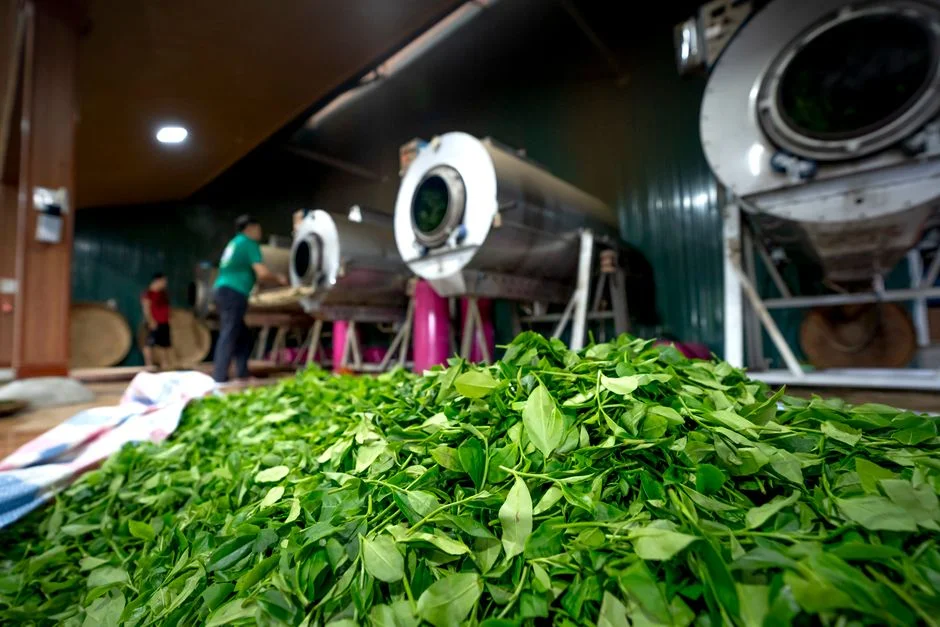
PVDF hollow-fiber is the default 2026 choice for tea effluent: it tolerates 0.5–1.0% NaClO, runs at sustained flux of 40–80 L/m²·h under 0.1–0.3 MPa TMP, and survives 30–55 °C feed temperatures without hydrolysis. PES flat-sheet costs 15–25% less per m² but degrades above 500 ppm free chlorine in CIP, which a tea line routinely hits during polyphenol-fouling recovery washes (HydropureWater field data, 2026).
| Membrane type | Pore / MWCO | Flux (L/m²·h) | TMP (MPa) | Max temp | CAPEX vs PVDF | Best fit in tea line |
|---|---|---|---|---|---|---|
| PVDF hollow-fiber | 0.02–0.1 µm | 40–80 | 0.1–0.3 | 55 °C | 1.0× (baseline) | Default for 95% of tea effluent duties |
| PES flat-sheet | 50–100 kDa | 30–60 | 0.15–0.35 | 45 °C | 0.8–0.9× | Low-CIP, cold water streams; not recommended for tannin-rich effluent |
| Ceramic (Al₂O₃ / ZrO₂) | 50–300 kDa | 80–150 | 0.2–0.5 | 90 °C | 3.0–5.0× | Hot tea-extract concentration (≥60 °C), polyphenol recovery loops |
For polyphenol-recovery duty, a 50–100 kDa MWCO is the sweet spot: it rejects >95% of TSS and proteins while transmitting enough catechin and theaflavin monomers (300–500 Da) for the downstream resin column to adsorb. Tight 10–20 kDa membranes reject the same TSS but also strip the polyphenols of interest, killing the revenue line.
Vendor Selection Checklist and 1-Year ROI Example
Vendor scorecards for tea-line UF should weight industry-specific experience heavily, because tea fouling chemistry differs from dairy, brewery, or starch work. Five criteria separate a credible tea vendor from a generic membrane reseller.
| Criterion | What to ask for | Why it matters for tea |
|---|---|---|
| 1. Tea-industry reference plants | ≥3 operating sites in China/India/Kenya/Sri Lanka, ≥12 months runtime | Proves the vendor has solved tannin/polyphenol fouling, not just lab flux |
| 2. PVDF membrane OEM (not rebranded) | Direct OEM relationship with torque traceability, or in-house casting | Tea CIP regimes (>1,000 ppm NaClO) kill off-brand fibers in 18 months |
| 3. Automated CIP with tea recipe library | ≥5 stored recipes (tannin burn, CaCO₃, biofoul, seasonal cold, post-extract) | Manual CIP on a 6-day campaign loses 3–5% runtime; recipes recover 90% of that |
| 4. PLC/SCADA with remote monitoring | 4G/Ethernet, MQTT or Modbus TCP, alarm push to phone | Tea estates in Assam, Munnar, or Nandi Hills often lack on-site automation staff |
| 5. Local service <48 h | Field engineer within 48 h in tea regions of China (Yunnan, Fujian), Assam, Kenya, Sri Lanka | Membrane damage during peak season costs $5,000–$8,000/day in lost recovery |
Worked ROI for a 500 m³/day tea plant, mid-size factory CAPEX $190,000, OPEX at the $0.19/m³ median over a 180-day campaign: $0.19 × 500 × 180 = $17,100/yr operating cost. If the alternative is hauling effluent off-site at $3/m³, avoided disposal is $3 × 500 × 180 = $270,000/yr, giving a 9–10 month payback before any polyphenol revenue. Layer in polyphenol recovery at 30% capture × 200 mg/L × 500 m³/day ≈ 10 kg/day, sold at $1.2–$4/kg wholesale, that is $4,400–$14,600/yr in additional revenue (HydropureWater field data, 2026). For cross-validation against beverage-sector OPEX framing, see the beverage wastewater aeration cost benchmarks in the parallel 2026 engineering guide, and consult the global wastewater discharge compliance guide for site-specific permit limits. An automated CIP chemical dosing skid typically pays back in 4–6 months on a tea line by reducing CIP chemical waste 20–30%.
Frequently Asked Questions
What is the realistic 2026 CAPEX for a 200 m³/day tea-line UF system? Between $52,000 and $76,000 installed, or $260–$380 per m³/day, with the UF skid + membranes accounting for roughly 54% of the total. Costs compress by 40–60% on a 2,000 m³/day integrated plant due to skid-economy of scale (HydropureWater field data, 2026).
How much polyphenol can a tea-line UF actually recover in 2026? With a 50–100 kDa PVDF membrane and downstream resin adsorption, 30–60% of the feed polyphenols (80–400 mg/L) end up as a crude extract worth $1.2–$4/kg, generating $4,400–$14,600/yr in additional revenue on a 500 m³/day plant.
Why pair DAF with UF on tea effluent instead of running UF alone? A DAF upstream removes 60–80% of colloidal tea dust, oils, and floating leaf fragments. Without it, UF CIP frequency jumps from 1–2× per week to daily, roughly doubling OPEX and shortening membrane life by 30–40%.
PVDF or ceramic membrane for a hot tea-extract concentration loop? Use ceramic (Al₂O₃ or ZrO₂) above 60 °C, accepting the 3–5× CAPEX premium. Below 55 °C on standard tea effluent, PVDF hollow-fiber delivers 95% of the performance at one-fifth the membrane cost.
What is the typical payback period for a tea-line UF in 2026? A 500 m³/day plant at $190,000 CAPEX pays back in 9–10 months versus $3/m³ off-site hauling, and that drops to 6–8 months once polyphenol recovery revenue is credited.