

Why Hermitage Metals Plants Are Re-asking the DAF-vs-Clarifier Question in 2026
Hermitage, PA sits in Mercer County on the Shenango River, a Lake Erie tributary where NPDES permits are administered by PA-DEP on top of federal 40 CFR 437 (Ore Mining and Dressing) effluent guidelines—daily-maximum and monthly-average limits for total suspended solids, total recoverable lead, zinc, copper, iron, and a pH band of 6.0–9.0 (per 40 CFR 437.30–437.32). For most Hermitage hot-strip and cold-rolling lines, the binding metals are iron and TSS, as the stream chemistry is dominated by Fe(OH)₃, Al(OH)₃, and silica floc from acid wash and rolling-mill scale rather than lead-zinc ore. The 2026 capex wave is driven by PA-DEP permit renewals colliding with ESG closed-loop water-reuse mandates, and many in-service clarifiers on these sites date to the 1970s and run at 1–2 m/h surface loading with a 5–8 m² per m³/h footprint—they cannot meet current 40 CFR 437 metals limits on flow alone and are retrofit candidates, not rebuild candidates. The local stream profile also differs sharply from a Caldwell silver/lead-zinc mill: Hermitage plants handle hydroxide floc plus tramp oil and cutting emulsions from hot strip and cold-rolling, with intermittent dewatering sump flows in winter. The humid-continental climate drops raw influent below 5°C from December through March, which slows DAF micro-bubble nucleation kinetics 20–30% versus 20°C operation and forces a 10–15% sizing margin on the recycle pump and saturation vessel (HydropureWater field data, 2026).
How a DAF Clarifier Works on a Metals Stream
Dissolved air flotation units float solids using micro-bubbles generated from a pressurized recycle stream. Clarified effluent is drawn off the DAF outlet, pressurized to approximately 6 bar (87 psi), and saturated with air in a packed saturation vessel; on depressurization back to atmospheric pressure inside the flotation tank, dissolved air comes out of solution as 30–50 µm micro-bubbles that attach to chemically conditioned floc and lift it to the surface, where a skimmer sweeps the float into a sludge trough. Clarified water exits below the float blanket and heavier settleable solids drop to a bottom sediment zone removed by auger. Coagulation with polyaluminum chloride (PAC), ferric chloride, or alum paired with an anionic polymer flocculant at 1–5 mg/L is required; without that conditioning, micro-bubbles pass right past colloidal fines and the DAF underperforms. SigmaDAF field data shows DAF consistently >90% removal for TSS, FOG, COD, and BOD on industrial streams, with proven performance in metalworking and petrochemical applications. A representative packaged dissolved air flotation system covers 4–300 m³/h across 13 standard models, which keeps custom-engineering markup out of mid-band Hermitage flows. Pair it with an automatic chemical dosing skid so the dose tracks influent variability through a feed swing.
How a Lamella Clarifier Works on a Metals Stream
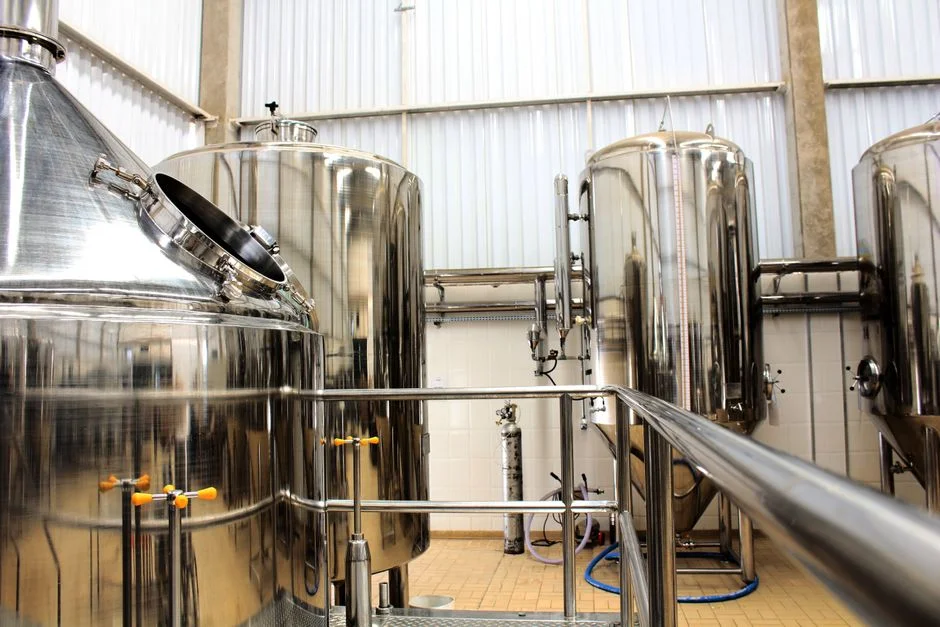
Lamella clarifiers, also called inclined-plate settlers or high-rate sedimentation tanks, stack inclined plates at 55–60° inside a compact tank. These systems bridge the performance gap between conventional clarifiers and DAF units by providing high-rate solids removal for dense hydroxide floc. The plates multiply effective settling area, so surface loading climbs to 20–40 m/h and footprint drops by roughly an order of magnitude versus a conventional clarifier at the same flow (HydropureWater P10 / HydropureWater field data, 2026). Many lamella designs include a sludge-recirculation loop that re-injects settled sludge to contact fresh influent, cutting coagulant consumption by up to 30%—a real OPEX line item for high-flow Hermitage lines dosing PAC or ferric chloride. For dense Fe(OH)₃ or Al(OH)₃ floc with specific gravity above 1.05, design at 20–30 m/h on the plate-pack projected area; for fine silica or low-density floc, drop to 10–15 m/h. The critical Hermitage limitation: lamella cannot capture free oil or emulsified FOG within its residence time—any FOG load exits in the overflow, which is why a lamella-only train fails on Hermitage cold-rolling emulsion streams. A HydropureWater high-efficiency lamella clarifier plate pack delivers the 20–40 m/h band that makes the column competitive on FOG-free hydroxide streams.
DAF vs Lamella vs Conventional Clarifier: Hermitage Parameter Table
The table below reorganizes Hermitage stream parameters into the rows a procurement lead actually asks about. Numbers are anchored to the 2026 US mining DAF vs clarifier buyer's guide and adjusted for Shenango River basin flow and PA-DEP permit frame.
| Parameter | DAF | Lamella | Conventional Clarifier |
|---|---|---|---|
| TSS removal on dense Fe(OH)₃ / Al(OH)₃ floc | 90–95% | 85–95% | 50–70% |
| Equipment CAPEX multiplier (lamella = 1.0x) | 1.5–2.5x | 1.0x | 0.7–0.9x equipment, 2–4x with civil work |
| OPEX (energy) | 8–15 kWh/m³ (compressor + recycle) | ~0.1–0.3 kWh/m³ (scraper drive) | ~0.1–0.3 kWh/m³ (scraper drive) |
| Coagulant savings via sludge recycle | — | Up to 30% | — |
| Footprint at equal flow (m² per m³/h) | 0.2–0.4 | 0.3–0.6 | 5–8 |
| Float/underflow dryness | Float 4–8% DS | Underflow 2–5% DS | Underflow 1–3% DS |
| Cold-weather (<10°C) performance | Moderate (10–15% sizing margin) | Low (sludge hopper freeze risk) | Low (larger vault, same freeze risk) |
| Best-fit stream | FOG, emulsified oil, colloidal fines, light floc | Dense settleable Fe(OH)₃ floc, high flow, no oil | Legacy installations only |
Three Hermitage Scenarios for the 2026 Capex Review
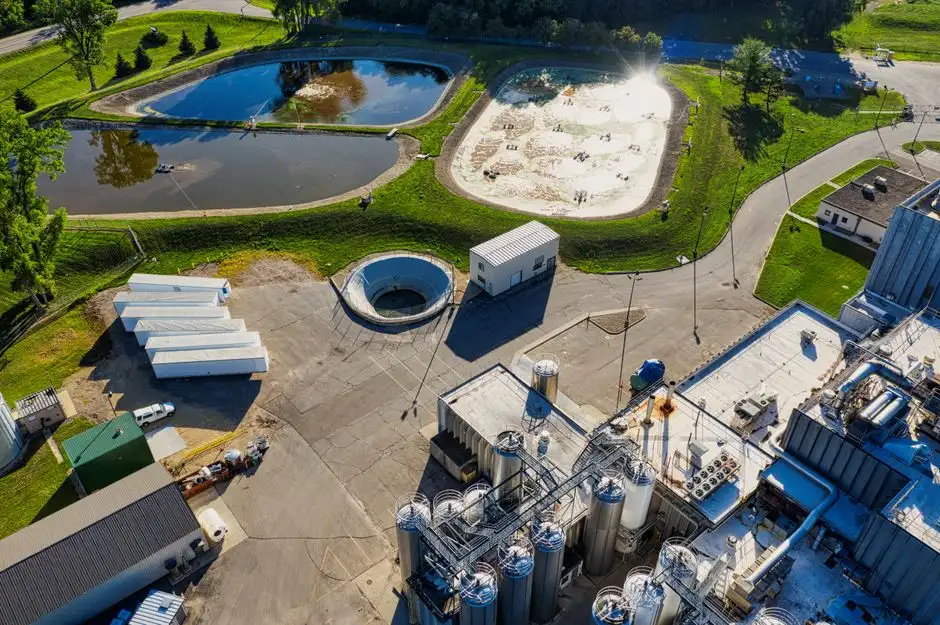
The scenarios below cover the dominant Hermitage stream profiles a procurement lead will see walking a mill in 2026. These specific configurations transition from theoretical performance to site-specific application based on Shenango basin and PA-DEP requirements.
| Scenario | Flow & Stream | Recommended Train | Key Driver |
|---|---|---|---|
| 1 — Hot strip mill / steel finishing | 80 m³/h, FOG-free Fe(OH)₃ floc at 1,500–3,000 mg/L TSS | Lamella primary at 25–30 m/h on plate-pack projected area; add DAF only if maintenance shop contributes oil intermittently | Dense settleable floc, no oil; metals controlled at upstream precipitation (raise pH to 9.0–9.5 with lime or NaOH) |
| 2 — Cold-rolling mill with cutting-oil emulsion | 40 m³/h, 50–200 mg/L emulsified oil | DAF primary (non-negotiable) + small lamella polish for residual TSS margin against daily-maximum lead and zinc | Emulsified FOG exits lamella overflow; 40–80 m³/h sits mid-band on a standard DAF with no custom-engineering cost |
| 3 — Cold-weather, low-flow mine/quarry dewatering sump | <20 m³/h, intermittent winter operation | Compact DAF skid; lamella in unheated concrete vault risks sludge hopper freeze | Frozen sludge hopper in January is a permit excursion, not a maintenance ticket; DAF higher unit CAPEX pays back in uptime |
A Weighted Decision Matrix for Hermitage 2026
Weight five criteria on a 1–5 scale (5 = highest priority for your site), then score DAF, lamella, and DAF+lamella series against each weighted criterion. The configuration with the highest weighted total is the answer for the 2026 capex review. The worked example below uses weights typical of a Hermitage steel-finishing line: FOG = 4, colloidal fines = 3, cold weather = 5, footprint = 4, CAPEX = 3.
| Criterion (weight) | DAF Score × Weight | Lamella Score × Weight | DAF + Lamella Series Score × Weight |
|---|---|---|---|
| FOG load (4) | 5 × 4 = 20 | 1 × 4 = 4 | 5 × 4 = 20 |
| Colloidal fines (3) | 4 × 3 = 12 | 2 × 3 = 6 | 5 × 3 = 15 |
| Cold-weather operability (5) | 4 × 5 = 20 | 2 × 5 = 10 | 5 × 5 = 25 |
| Footprint constraint (4) | 5 × 4 = 20 | 3 × 4 = 12 | 4 × 4 = 16 |
| CAPEX ceiling (3) | 2 × 3 = 6 | 5 × 3 = 15 | 2 × 3 = 6 |
| Total | 78 | 47 | 82 |
The DAF+lamella series wins at 82, DAF alone scores 78, and lamella-only scores 47—matching the mixed-metals Hermitage profile. Lamella-only wins only on FOG-free, footprint-rich sites with hard CAPEX ceilings, which is a narrow slice of the Shenango River basin mill population.
CAPEX, OPEX, and Footprint: 2026 Hermitage Cost Model
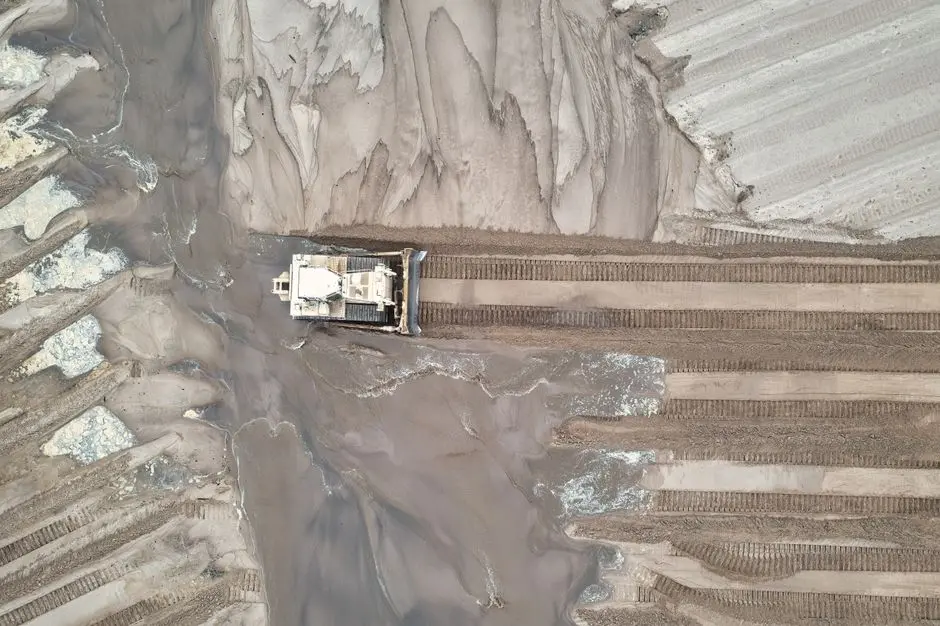
DAF CAPEX runs 1.5–2.5x a comparable lamella at equal flow (HydropureWater field data, 2026). For an 80 m³/h Hermitage line, that is the equipment-cost band before civil work. The ratio narrows on retrofit sites where a 1970s concrete vault is already a sunk cost; the DAF's smaller footprint (0.2–0.4 m² per m³/h) and higher float dryness (4–8% DS vs 2–5% DS underflow) usually pay back the 1.5–2.5x CAPEX premium in 2–4 years via avoided excavation and easier downstream filter-press operation. OPEX narrows the gap further: lamella saves up to 30% on coagulant via sludge recycle, but the DAF's downstream dewatering savings on a 4–8% DS float versus a 2–5% DS underflow close the OPEX gap inside three years on a Hermitage retrofit site. Two pieces of kit make the 2026 cost band defensible in front of procurement: an automatic chemical dosing skid to hold the dose tight against variable influent, and a downstream plate-and-frame filter press sized to the DAF float or lamella underflow stream it receives.
Frequently Asked Questions
What is the binding metals constraint
Frequently Asked Questions
Should a Hermitage, PA metals factory choose a DAF or a clarifier for mining wastewater in 2026?
The selection depends primarily on the density and particle size of the suspended solids. If the wastewater contains low-density particles, oil, or grease, Dissolved Air Flotation (DAF) is superior, often achieving 90-95% removal efficiency for oil and grease. If the influent contains high-density mineral fines or metal hydroxides with a specific gravity significantly greater than 1.0, a lamella clarifier provides a more robust, low-maintenance solution for high-volume solid settling.
For a 2026 installation in Hermitage, consider the footprint constraints of the facility. Lamella clarifiers offer a 70-80% smaller footprint compared to conventional circular clarifiers, while modern DAF units provide high-rate clarification in a compact, modular skid design suitable for indoor or climate-controlled environments.
Does 40 CFR 437 require a DAF or a lamella clarifier for ore mining and dressing discharge?
The EPA’s 40 CFR 437 regulation establishes effluent limitation guidelines based on performance standards, not specific equipment mandates. It requires compliance with limits for parameters such as Total Suspended Solids (TSS), oil and grease, and various heavy metals, but it does not dictate the use of DAF or lamella clarifiers.
Facilities must demonstrate that their chosen technology can consistently meet the Best Available Technology (BAT) standards for their specific subcategory. While many ore mining and dressing operations utilize lamella clarifiers for primary metals removal, a DAF is often necessary as a secondary treatment step to achieve the strict oil and grease discharge limits required for industrial wastewater permits.
Can a lamella clarifier handle FOG or emulsified oil from a cold-rolling mill?
Lamella clarifiers are generally ineffective at removing Fats, Oils, and Grease (FOG) or stable emulsions because these contaminants are often lighter than water and will not settle by gravity. In a cold-rolling application, emulsified oils require chemical destabilization—typically through pH adjustment, de-emulsifiers, or coagulants—before they can be removed.
If the emulsion is broken, the resulting floc may be too light to settle effectively in a lamella plate pack, potentially causing fouling or clogging of the plates. Consequently, a DAF system is the industry standard for cold-rolling wastewater, as it uses micro-bubbles to float the destabilized oil particles to the surface for mechanical skimming.
How does cold weather below 5°C affect DAF sizing for a Hermitage winter operation?
Cold weather significantly increases the viscosity of water, which follows Stokes' Law and slows the rise velocity of air-floc aggregates. For a DAF system operating in Hermitage winter temperatures, the surface overflow rate (SOR) must be derated by approximately 15-20% to account for the increased fluid resistance, ensuring the solids have sufficient time to reach the surface.
Additionally, colder water increases the solubility of air, which can influence the air-to-solids ratio. Engineers must ensure the saturation system is capable of generating sufficient micro-bubbles at lower temperatures to maintain the necessary buoyancy for effective separation during the winter months.
Is a DAF plus lamella clarifier in series worth the higher CAPEX for a Hermitage steel-finishing line?
For high-performance steel-finishing lines, a series configuration is often justified by the reduction in chemical consumption and long-term compliance costs. The lamella clarifier acts as a primary stage to remove heavy metallic scale and bulk solids, protecting the downstream DAF unit from excessive loading and mechanical wear.
By removing the bulk of the solids first, the DAF can operate at higher efficiency to polish the effluent, removing the remaining emulsified oils and light fines. While CAPEX is higher, this configuration reduces sludge volume and decreases the frequency of filter press cycles, providing a lower Total Cost of Ownership (TCO) through reduced polymer usage and consistent adherence to stringent environmental discharge limits.