Why Riyadh's 2026 WWTP Procurement Market Is Structurally Different
Riyadh industrial buyers in 2026 are shortlisting packaged wastewater treatment plant suppliers under conditions that no generic global B2B directory addresses: Saudi Vision 2030's National Industrial Development and Logistics Program (NIDLP) targets 200+ new factories in Riyadh Second City, KAEC, and Sudair industrial valleys by 2030, with the 2025–2026 tranche alone accounting for an estimated SAR 18 billion in packaged effluent treatment demand. Generic global manufacturer catalogs cannot filter for the four binding constraints a Riyadh project engineer must clear: PDWS effluent compliance, NCEC industrial discharge limits, ambient design derating, and SASO customs certification.
Three physical conditions make Riyadh a non-standard deployment environment. Summer ambient temperatures run 45–50°C from May through September, forcing biological reactor designs to derate 15–25% from temperate-climate ratings or accept reduced BOD removal efficiency. Intake water TDS from the Riyadh municipal grid sits at 1,500–3,500 mg/L, which pushes salinity-tolerant biomass selection and demands HDPE or stainless wetted parts rather than mild steel. Dust load routinely exceeds 200 µg/m³ during shamal winds, which mandates enclosed bioreactors and pre-filtration on all aeration systems.
Compliance has tightened measurably. The 2024 revised PDWS effluent standards now require BOD ≤25 mg/L, COD ≤150 mg/L, and TSS ≤30 mg/L for municipal discharge, with reuse-grade thresholds of BOD ≤5, COD ≤30, and TSS ≤5 mg/L. The NCEC's 2025 industrial discharge decree added stricter heavy-metal and TN/TP limits for food, textile, and petrochemical sub-sectors. Any plant installed in KSA must also satisfy Saudi Building Code SBC 701 (plumbing) and SBC 702 (sanitary drainage) for the civil and hydraulic design envelope — non-negotiable for municipal permit sign-off.
Three Supplier Tiers Riyadh Buyers Actually Engage in 2026
A Riyadh procurement manager in 2026 will end up evaluating suppliers from three structurally different tiers, each with its own CAPEX band, lead time, and compliance posture. The mistake most first-time buyers make is treating these tiers as substitutes — they are not, because the cost delta (3–10×) and the documentation burden are not equivalent.
Tier 1 — Local Saudi/Jordanian system integrators operate from Riyadh, Jeddah, Dammam, and Amman. They typically source skids from Chinese OEMs and integrate locally, holding SAR 250K–2.5M turnkey contracts at 8–14 week lead time. Their decisive advantage is the PDWS approval path: Arabic documentation, SASO pre-cleared electrical panels, and a service radius under 4 hours from any Riyadh industrial zone. For projects under 500 m³/day, Tier 1 is usually the lowest-risk path.
Tier 2 — Chinese OEM exporters concentrated in Shandong province (Qingdao, Weifang, Zibo clusters) dominate the 2026 Made-in-China catalog with packaged plants at US$4,000–$14,000/set ex-works (per Made-in-China 2026 listings, e.g., Qingdao Yimei at US$5,800–$13,000 and Qingdao Dongmao at US$4,100–$9,300). Add US$3,000–$8,000 sea freight per 20ft container to Dammam and a 6–10 week shipping window. Tier 2 wins on price-per-m³ but requires the buyer to own PDWS compliance, SASO certification, and commissioning — most Northern Chinese suppliers have no documented installation history above 40°C ambient. The WSZ underground packaged sewage treatment plant line from established Shandong OEMs is the canonical Tier-2 product.
Tier 3 — Indian and European EPC firms (ERA Hydro-Biotech with 650+ installations, Suez, Veolia Middle East) command US$80,000–$500,000 turnkey for the same 10–500 m³/day capacity, at 12–20 week lead time. Their premium is documented performance, MENA-region reference plants, and bankable performance guarantees. For SABIC, Saudi Aramco, or SWCC vendor-approval procurement, Tier 3 is often the only tier that passes pre-qualification without an integrator intermediary.
| Selection Criterion | Tier 1: Saudi/Jordanian Integrator | Tier 2: Chinese OEM (Shandong) | Tier 3: Indian/European EPC |
|---|---|---|---|
| CAPEX band (10–500 m³/day) | SAR 250K–2.5M turnkey | US$4K–$14K ex-works + US$3K–$8K freight | US$80K–$500K turnkey |
| Lead time (order to commissioning) | 8–14 weeks | 10–20 weeks (6–10 wk shipping + 4–6 wk SASO + install) | 12–20 weeks |
| Arabic O&M documentation | Standard | Rare (must request) | Standard |
| PDWS approval path | Direct, pre-staged | Buyer-managed | Direct |
| Ambient >40°C reference plants | Yes (local) | Limited (verify per supplier) | Yes (MENA region) |
| Spare parts logistics | 24–72 hr (Riyadh/Jeddah stock) | 4–8 weeks (factory order) | 1–3 weeks (regional depot) |
Technology Comparison: MBR vs SBR vs MBBR for Riyadh Influent
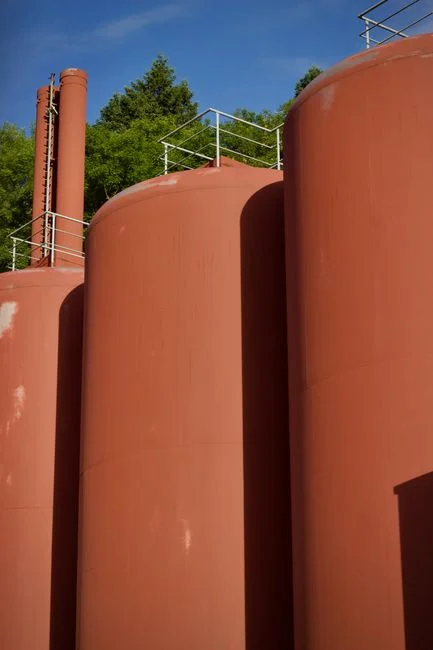
Before a buyer talks to any manufacturer, the process selection must be locked, because it determines 60–70% of the mechanical equipment list and the OPEX curve. For Riyadh influent profiles (high TDS, high temperature, often high oil/grease from food and petrochemical streams), three biological process trains dominate the 2026 shortlist: MBR, SBR, and MBBR.
MBR (membrane bioreactor) with sub-micron (<1 µm) membrane filtration delivers BOD ≤5 mg/L, COD ≤30 mg/L, and TSS ≤5 mg/L in a single step — directly compliant with PDWS reuse-grade targets without tertiary polishing. Footprint is 60% smaller than conventional activated sludge at equivalent load. The enclosed HDPE bioreactor shell limits evaporative loss and provides stable temperature control in 45–50°C ambient, making MBR the climate-adapted default for Riyadh. The principal trade-off is membrane replacement cost (typically every 5–7 years) and the need for consistent MLSS control. An MBR membrane bioreactor system sized at 10–2,000 m³/day covers most mid-size industrial effluent requirements in the city.
SBR (sequencing batch reactor) is the workhorse for shock-load food and beverage effluents because the fill/react/settle/decant cycle absorbs hydraulic surges up to 3× design flow. Effluent quality typically lands at BOD ≤20, COD ≤80, TSS ≤15 mg/L — meeting PDWS municipal discharge but not reuse-grade without a downstream sand filter or UF stage. Capital cost runs 25–35% below MBR, and the absence of membranes removes the fouling risk profile. SBR struggles in 45–50°C ambient with conventional decanters; insulated or buried tank designs are mandatory in Riyadh.
MBBR (moving bed biofilm reactor) uses free-floating HDPE carriers (typically 500–700 m²/m³ specific surface area) and tolerates temperature and load swings well, with the lowest CAPEX of the three options. Effluent typically exits at BOD ≤25, COD ≤120, TSS ≤30–40 mg/L, meaning an MBBR-only train will not meet PDWS reuse-grade TSS ≤30 without a downstream solid-liquid separation step — usually a dissolved air flotation system for industrial streams or a sand/UF polish for municipal reuse. MBBR is a strong choice for retrofit and for projects where the buyer plans phased capacity expansion.
| Parameter | MBR | SBR | MBBR + DAF/sand polish |
|---|---|---|---|
| Effluent BOD (mg/L) | ≤5 | ≤20 | ≤25 |
| Effluent COD (mg/L) | ≤30 | ≤80 | ≤120 |
| Effluent TSS (mg/L) | ≤5 | ≤15 | ≤30 (with polish) |
| PDWS reuse-grade compliance | Direct | Requires tertiary | Requires polish stage |
| Footprint vs CAS | ~40% (60% smaller) | ~70% | ~60% |
| Riyadh ambient fit | Enclosed bioreactor, best | Insulated/buried tank required | Open tank, derate 15–20% |
| OPEX (SAR/m³) | 0.6–2.2 | 0.4–1.5 | 0.5–1.6 |
Landed Cost Stack: From Ex-Works Price to Commissioned Plant in Riyadh
Ex-works catalog prices from Tier-2 Chinese OEMs typically represent only 45–60% of the all-in installed cost in Riyadh. The remaining 40–55% is freight, duty, inland transport, installation labor, and commissioning — line items that 70% of overseas quotes omit, per HydropureWater field data on Riyadh projects (2024–2025).
The realistic cost stack for a 100 m³/day packaged plant from a Chinese OEM into Riyadh breaks down as: ex-works US$8,000–$12,000 + sea freight US$3,000–$5,000 (one 20ft container to Dammam) + Saudi customs duty 5% on HS 8421 equipment + VAT 15% on the dutied value + inland transport Dammam→Riyadh SAR 8,000–$15,000 + installation labor SAR 35,000–$120,000 + commissioning and PDWS performance testing SAR 25,000–$60,000. The all-in Riyadh installed CAPEX for a 10–500 m³/day packaged plant from a Chinese OEM lands at SAR 180K–2.2M; the same capacity from a Tier-3 European EPC lands at SAR 400K–4.5M.
Two schedule items are routinely underestimated. First, Saudi Customs requires SASO IECEE conformity certificates for all electrical control panels — factor 4–6 weeks of pre-shipment certification lead time into the project schedule, or the container will sit at Dammam port accruing demurrage (typically SAR 250–400/day per container after a 7-day free period). Second, an automatic chemical dosing system for chlorination, pH correction, or coagulant addition is often quoted separately and adds SAR 40,000–$180,000 to a mid-size plant; it should be line-itemed in the RFQ from day one.
OPEX benchmarks for operating cost modeling: MBR plants run SAR 0.6–2.2/m³ treated (energy for membrane air scour plus chemical cleaning dominates), SBR runs SAR 0.4–1.5/m³ (lower energy, higher sludge handling), and MBBR runs SAR 0.5–1.6/m³. Sludge dewatering — typically via a rotary mechanical bar screen followed by a filter press or sludge dewatering unit — adds SAR 0.15–$0.40/m³ depending on dry-solids target.
7-Point Vendor Qualification Checklist for Saudi Projects
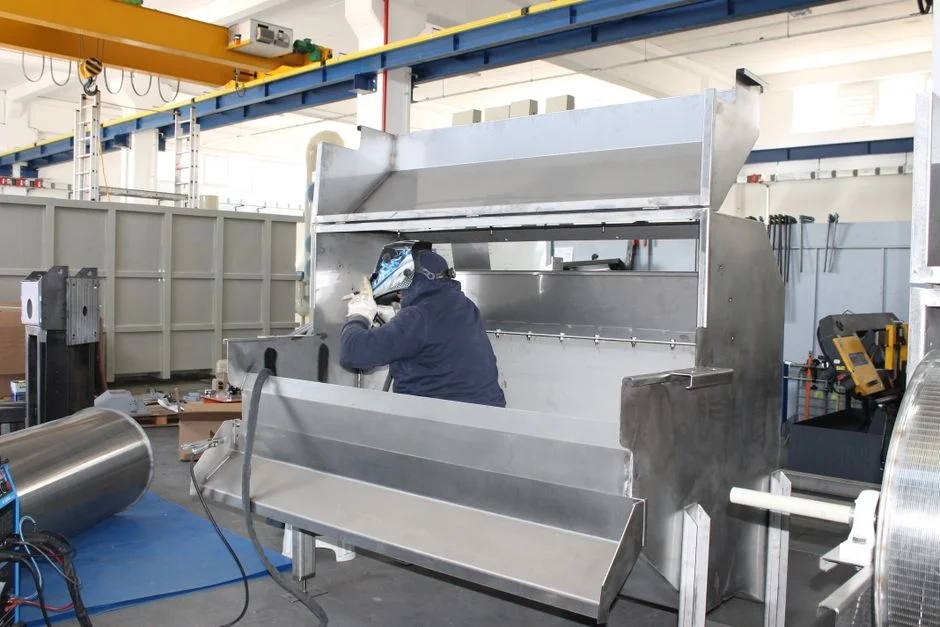
Before issuing a PO, a Riyadh EPC project engineer should require vendors to clear the following seven checkpoints. The list is designed to protect the buyer from the most common failure modes observed in Tier-2 imports: documentation gaps, no MENA reference plants, and electrical panels rejected at Saudi customs.
- ISO 9001:2015 and ISO 14001 certificates with certificate numbers traceable to the issuing accreditation body (IAF member). Audit the certificate scope — "manufacture of water treatment equipment" is acceptable; "trading company" is not.
- 2–3 reference installations in MENA with documented operating data: influent/effluent lab results over at least 6 months, daily flow, and ambient temperature logs. Verbal references do not pass.
- SASO/IECEE certification for all electrical control panels (mandatory for Saudi customs clearance under HS 8537). Request the IECEE CB scheme test report and the SASO CoC reference number.
- Arabic-language O&M manual and on-site commissioning engineer mobilization within 10 working days of plant arrival in Riyadh. Confirm the Arabic version is technical, not a Google-translated placeholder.
- Documented experience at ambient >40°C — request at least one reference plant operating in Riyadh, Dammam, Cairo, or Karachi summer conditions. Northern Chinese suppliers (Beijing, Tianjin, Heilongjiang) often have zero reference plants above 35°C; this is a hard filter.
- PDWS effluent compliance guarantee tied to performance test at commissioning, with retention money held against 90-day operating data. Avoid vendors who will only quote a "design intent" without a numerical guarantee.
- Spare parts commitment — 5-year minimum parts availability with quoted unit prices and regional warehouse location. A vendor without a defined Riyadh, Jeddah, or Dammam stocking point will leave the buyer dependent on 6–10 week factory shipments for routine wear parts.
For pre-treatment on industrial streams, request evidence of upstream screening and disinfection integration. A rotary mechanical bar screen is standard for protecting downstream MBR membranes from fibrous carryover, and a chlorine dioxide generator is now the preferred disinfection chemistry over chlorine gas for Riyadh food and beverage plants due to safer handling and lower trihalomethane formation.
Where HydropureWater Fits in the Riyadh Supply Picture
Within the three-tier framework above, HydropureWater's product line maps cleanly to Tier-2 with Tier-1-style engineering support for buyers who can handle the integration locally. The WSZ underground packaged sewage treatment plant (1–80 m³/h) is a direct substitute for the US$4,000–$14,000/set catalog offerings from Shandong competitors, with documented ISO 9001:2015 manufacturing. The MBR membrane bioreactor system (10–2,000 m³/day) covers the mid-size industrial segment where single-step PDWS reuse-grade compliance matters most. The dissolved air flotation system (4–300 m³/h) is a proven pre-treatment for Riyadh's high-TDS, oil-bearing food and petrochemical wastewater streams, often deployed ahead of an MBR to protect membrane life.
The realistic positioning is as an engineering-driven OEM partner for EPC contractors and Saudi system integrators — not a direct end-customer sales channel. That means the buyer owns the PDWS approval, the SASO certification, the civil works, and the commissioning; HydropureWater supplies the process equipment, GA drawings, and remote commissioning support. For projects where the buyer's engineering team is thin and they need a Tier-1-style turnkey deliverable, a local Saudi or Jordanian integrator using HydropureWater skids typically delivers the best cost-to-risk ratio in 2026.
Frequently Asked Questions
What is the typical CAPEX for a 100 m³/day packaged WWTP in Riyadh?
Riyadh installed CAPEX runs SAR 180K–450K for a Tier-2 Chinese OEM supply (ex-works + freight + duty + install) and SAR 1.2M–2.5M for a Tier-3 European EPC turnkey, with MBR commanding a 25–40% premium over SBR at the same flow (per HydropureWater field data, 2025).
What is the realistic lead time from order to commissioning for a Chinese OEM plant?
Order to commissioning typically takes 14–22 weeks: 4–6 weeks SASO/IECEE certification, 6–10 weeks sea freight Dammam, 1 week customs clearance and inland transport, 2–4 weeks installation, and 1 week commissioning with PDWS performance test (HydropureWater field data, 2024–2025).
How does MBR effluent compliance compare to conventional activated sludge against PDWS limits?
MBR delivers BOD ≤5, COD ≤30, TSS ≤5 mg/L — direct reuse-grade compliance. Conventional activated sludge typically exits at BOD ≤25, COD ≤150, TSS ≤30 mg/L — meeting municipal discharge but not reuse-grade without tertiary filtration (per PDWS 2024 revised standards).
What certifications are mandatory to import a WWTP into Saudi Arabia?
Mandatory certifications are: SASO IECEE CoC for electrical control panels (HS 8537), CE or equivalent electrical safety for skids, ISO 9001:2015 for the manufacturer, and a SASO-approved Arabic nameplate and O&M manual. Saudi customs duty is 5% on HS 8421; VAT is 15% on the dutied landed value.
What is the minimum footprint for a 50 m³/day packaged plant in Riyadh?
A buried 50 m³/day WSZ underground package plant typically occupies a 6 m × 12 m civil footprint with 1.5 m clearances, or approximately 100 m² total plot. An above-grade MBR system for the same flow requires roughly 120–150 m² including the membrane skid and DAF pre-treatment stage.
Related Equipment
- WSZ underground packaged sewage treatment plant — specifications, capacity range, and technical data
- MBR membrane bioreactor system — specifications, capacity range, and technical data
- Dissolved air flotation system — specifications, capacity range, and technical data