Why Iraq Needs New Wastewater Treatment Capacity in 2026
Baghdad's Al-Rustamiya plant, designed for 1.5 million residents, now receives flow from a 4-million-person catchment and treats roughly 300,000 m³/day through unmodified activated-sludge trains, with BOD removal falling below the prescribed limit (Springer, 2024). That single data point captures the national condition: existing Iraqi infrastructure is hydraulically overloaded and operationally stagnant, while post-2020 reconstruction has pulled fresh capital into the water sector — the Iraq Ministry of Planning's water and sanitation allocation is widely reported in regional infrastructure briefs at USD 1.7 billion+ of public investment, a directional figure that confirms the funding pipeline is real even when exact tranches shift.
Four buyer segments are converting that pipeline into purchase orders in 2026. Oil and gas camps in Rumaila, West Qurna, and the Majnoon block need containerized sewage treatment plant packages sized 50–500 m³/day for workforces that rotate every 28 days. Food processors — date packers in Karbala, dairy plants in Najaf, edible-oil refineries around Basra — must pre-treat high-COD effluent before municipal discharge. Hospital networks, now under expanded Ministry of Environment (MOEN) oversight, require packaged WWTP units that reliably hit coliform and BOD targets. Residential developers in Erbil, Baghdad, and Basra new cities are specifying decentralized packaged plants for compounds of 500–5,000 residents.
Climate is the second hard constraint. Ambient air reaches 45–55 °C in July and August, and dust loading exceeds 500 mg/m³ PM10 during shamal wind events. Diffusers lose efficiency above 40 °C, membranes foul faster in particulate-laden air, and outdoor switchgear derates by roughly 1% per °C above 40 °C. Any vendor proposal that does not show equipment rated to 55 °C ambient and IP55 enclosure protection should be rejected at technical evaluation.
Iraq Discharge Standards and Compliance Targets for 2026
MOEN Law 25/1967 as amended through 2017 sets the federal surface-water discharge limits that every packaged WWTP must meet when the outfall is a river, canal, or marine outfall. The headline numbers for B2B evaluation are below.
| Parameter | Federal MOEN limit (surface water) | Reuse for irrigation | Marine outfall (Basra) |
|---|---|---|---|
| BOD₅ | ≤ 40 mg/L | ≤ 20 mg/L | ≤ 100 mg/L |
| COD | ≤ 100 mg/L | ≤ 50 mg/L | ≤ 200 mg/L |
| TSS | ≤ 60 mg/L | ≤ 30 mg/L | ≤ 100 mg/L |
| Oil & grease | ≤ 10 mg/L | ≤ 5 mg/L | ≤ 15 mg/L |
| pH | 6–9 | 6.5–8.5 | 6–9 |
| Residual Cl₂ | 0.5–1.0 mg/L | 0.5–1.5 mg/L | 0.5–1.0 mg/L |
| Total coliforms | ≤ 1,000 MPN/100 mL | ≤ 200 MPN/100 mL | ≤ 1,000 MPN/100 mL |
Reuse for agricultural irrigation tightens the pathogen envelope and pushes buyers toward MBR or MBR+RO trains rather than conventional activated sludge. Basra marine outfalls are more forgiving on organics but stricter on salinity tracking, which matters when RO concentrate is co-discharged. In the Kurdistan Region, Erbil, Dohuk, and Sulaymaniyah apply KRG MOEN 17/2008, which carries slightly different total-nitrogen and total-phosphorus ceilings — confirm with the regional environment directorate before locking the process design.
Compliance is also a documentation exercise. Iraqi EPC tenders list ISO 9001 (quality), ISO 14001 (environmental management), and CE or UL electrical certification as documentary prerequisites. Oil and gas scopes add SASO or IECEx for any equipment inside hazardous-area classification. A vendor that cannot hand over all four certificates at bid stage will be technically disqualified even if the process guarantee is strong.
WWTP Process Technologies That Perform in Iraqi Conditions
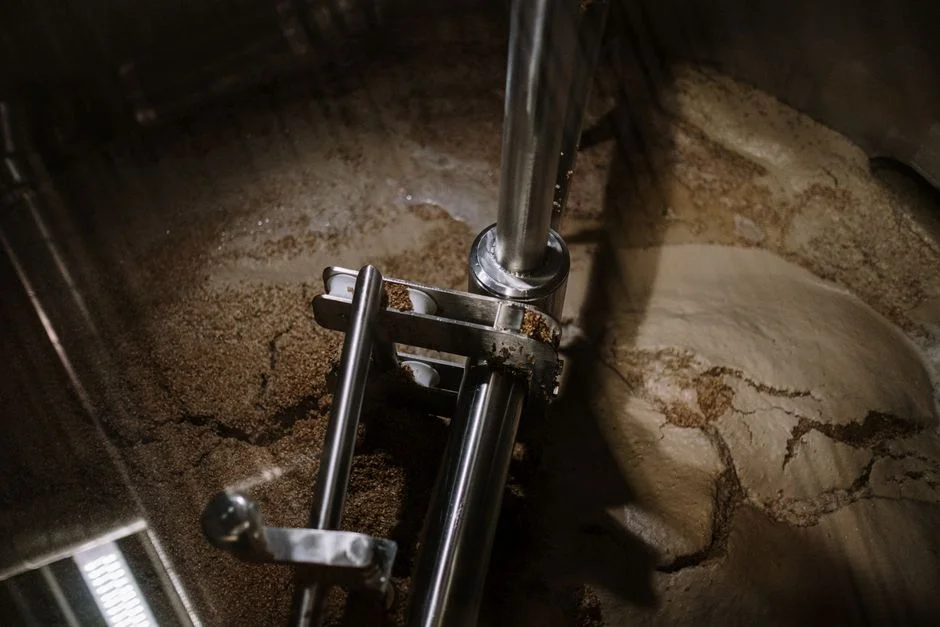
Process selection should follow the influent profile and the discharge or reuse target, not the vendor's catalog. The four process trains below cover roughly 90% of 2026 Iraqi packaged WWTP inquiries.
| Process | COD removal | BOD removal | Typical flow band | Energy (kWh/m³) | Best fit in Iraq |
|---|---|---|---|---|---|
| A/O biological (WSZ underground) | 85–92% | 90–95% | 1–80 m³/h per unit | 0.3–0.5 | Residential compounds, small hotels, clinics |
| MBR (submerged PVDF, 0.1 μm) | ≤ 50 mg/L effluent | ≤ 5 mg/L TSS effluent | 5–500 m³/h | 0.6–0.8 | Hospitals, food processing, pharma, oil & gas camps with reuse |
| SBR (batch) | 85–90% | 90–95% | 10–300 m³/h | 0.4–0.6 | Seasonal discharges (date, sugar), intermittent industrial flow |
| MBBR (moving bed biofilm) | 80–90% | 85–95% | 10–400 m³/h | 0.4–0.7 | Refinery and petrochem, high-strength organics up to 2,000 mg/L COD |
An underground package sewage treatment plant based on A/O biology is the lowest-footprint, lowest-CAPEX option for residential compounds under 500 m³/day, but it cannot meet the coliform ceiling for unrestricted irrigation without tertiary disinfection. The MBR membrane bioreactor system delivers near-reuse quality at 60% smaller footprint than conventional activated sludge, which matters in tight hospital and camp sites, and pairs naturally with an RO polishing stage when cooling-tower makeup is the end use. SBR is the right call when influent swings 3–4× across the day, common at date and sugar processors. MBBR tolerates toxic upsets that would kill a suspended-growth biomass, so it is the default for refinery and gas-plant scopes.
Pre-treatment is not optional in Iraq. A rotary mechanical bar screen at 3–6 mm aperture protects downstream pumps, and a dissolved air flotation system ahead of the biological stage is mandatory for any influent carrying more than 50 mg/L oil and grease — which is most oil & gas and food industry streams. For final disinfection, a chlorine dioxide disinfection system outperforms sodium hypochlorite at 50 °C+ because ClO₂ retains biocidal efficacy at elevated temperature, while HOCl off-gases and loses residual quickly in hot service water.
Supplier Evaluation Scorecard: 7 Criteria That Predict Delivery Success
Generic "choose a reputable vendor" advice fails on Iraqi projects because the failure modes are specific: missed Umm Qasr cutoff dates, membranes held in customs, and bilingual O&M manuals that never arrive. The weighted scorecard below is built from those repeat failure points.
| Criterion | Weight | What to verify | Pass threshold |
|---|---|---|---|
| Manufacturing scale | 15% | Factory floor area, welding certs (ASME/EN 1090), annual m³/day output | ≥ 50,000 m³/day cumulative delivery history |
| Export track record | 20% | Middle East shipments, Iraqi or Jordanian reference projects, bilingual O&M | ≥ 5 Iraqi installations since 2022 |
| Lead time | 15% | Ex-works skid build + sea transit + install/commission | 30–60 d ex-works, 25–35 d to Umm Qasr, 4–8 wk site |
| Local support | 15% | Regional service engineer, spare parts depot | Engineer in Jordan/Turkey/UAE; ≤ 72 h to Basra; depot with membranes, diffusers, dosing pumps |
| Quality control | 10% | FAT witnessed by buyer or third-party inspector, hydrostatic test certs, pump curves | FAT video + signed test sheets per skid |
| Financial resilience | 10% | Audited 3-year financials | Working capital covers 12–24 month PO-to-payment cycle |
| Documentation | 15% | Country-of-origin, SASO/IECEx for Ex zones, IQ/OQ protocols, ISO 9001 + 14001 | All certificates dated within 12 months at bid submission |
Two points carry the most weight in practice. First, demand the FAT — a recorded factory acceptance test witnessed by the buyer's engineer or a third-party inspector (SGS, BV, TÜV) is the single best predictor of a clean commissioning. Second, verify the regional service engineer actually exists and has a name: ask for the service contract, the engineer's phone number, and the spare-parts depot address. Suppliers who cannot produce all three typically cannot support the plant in year two.
2026 CAPEX Benchmarks for Packaged Wastewater Treatment Plants in Iraq
These bands are CIF Umm Qasr, ex-works equipment only, and exclude civil works. They reflect 2026 market pricing for containerized skid packages and should be treated as ±15% depending on membrane area, material of construction (epoxy-coated carbon steel vs. SS304), and instrumentation tier.
| Plant class | Capacity band | CAPEX range (USD per m³/day) | Typical application |
|---|---|---|---|
| Small packaged A/O (WSZ) | ≤ 100 m³/day | $180–$350 | Residential compounds, clinics, small hotels |
| Mid-range MBR | 100–1,000 m³/day | $420–$750 | Food processing, hospitals, labor camps |
| Large MBR + reuse (tertiary RO) | 1,000–5,000 m³/day | $650–$1,200 | Cooling-tower makeup, irrigation, industrial reuse |
OPEX benchmarks for 2026 (HydropureWater field data) land at $0.04–$0.12 per m³ for energy, $0.02–$0.06 per m³ for chemicals (chlorine dioxide, CIP chemicals, polymer), and 0.5–1.5 FTE per 1,000 m³/day of operating labor. Budget line items that finance teams consistently miss on the first pass: 5% customs duty on CIF value, pre-shipment and on-arrival inspection fees, civil foundation works at 30–50% of equipment CAPEX for green-field sites, and an 18–24 month performance bond at 5–8% of contract value.
A like-for-like MBR membrane bioreactor system from an established Chinese OEM typically lands 30–50% below European equipment delivered CIF Umm Qasr, with comparable BOD, COD, and TSS performance when a third-party witnessed FAT is in place. For reuse applications, the RO polishing stage adds roughly $250–$450 per m³/day of RO capacity. Comparable GCC benchmarks for cross-checking are in the wastewater treatment plant supplier guide for Qatar and the wastewater treatment plant manufacturer guide for Jeddah.
Logistics, Installation, and Commissioning in Iraq
Port routing is the first decision. Umm Qasr is the primary container terminal for Iraq; standard 40 ft HC skids pass through without specialized handling. Basra International Airport accepts urgent air-freight of membranes, control electronics, and dosing pump spares when a critical path is at risk — expect a 5–8× cost premium over sea freight and use it sparingly. Inland transit from Umm Qasr to Baghdad is 10–14 hours by road; security escort is mandatory for high-value loads on certain corridors, and route permits must be arranged before the vessel berths, not after.
Site preparation is the second decision and the most common source of schedule slip. Suppliers expect a reinforced concrete pad with anchor points cast in, three-phase 380–415 V electrical supply with a stable neutral, a clean water source for the hydrostatic test (typically 1.5× tank volume), and a waste reception tank to receive water displaced during biological seeding. Without these four items on day one, the 4–8 week commissioning window stretches into 10–12.
The commissioning sequence itself runs seeding of activated sludge (or membrane startup for MBR), 14–28 days of biological acclimation while monitoring influent and effluent daily, and a performance test against the contractual guarantees — usually a 7-day continuous run at design flow. Operator training should be a 2-week on-site program covering routine operation, sludge wasting, membrane cleaning, and alarm handling; the training O&M manual must be bilingual English-Arabic, with at least one copy delivered as hard copy on commissioning day, not on final payment.
Frequently Asked Questions
What discharge limits must a packaged WWTP meet in Iraq?
Federal MOEN Law 25/1967 (as amended 2017) requires BOD ≤ 40 mg/L, COD ≤ 100 mg/L, and TSS ≤ 60 mg/L for surface-water discharge, with total coliforms ≤ 1,000 MPN/100 mL. Reuse for irrigation is tighter at BOD ≤ 20 mg/L and coliforms ≤ 200 MPN/100 mL.
MBR vs SBR for a 500 m³/day hospital plant in Baghdad — which wins?
MBR. Effluent is already below 50 mg/L COD and 5 mg/L TSS without tertiary filtration, footprint is roughly 60% smaller, and the closed-tank design suits hospital sites. Expect $420–$750 per m³/day CAPEX and 0.6–0.8 kWh/m³ energy use in 2026.
How long does a containerized WWTP take to reach Basra from China?
Plan 30–60 days ex-works for skid build, 25–35 days sea transit to Umm Qasr, 1–2 days port clearance, and 4–8 weeks site installation and commissioning. The critical path is almost always inland transport and site readiness, not the vessel.
Are Chinese packaged WWTP units accepted by Iraqi EPCs?
Yes, when the supplier carries ISO 9001, ISO 14001, and CE or UL electrical certification, provides a third-party witnessed FAT, and can deliver bilingual O&M manuals. Several Chinese OEMs now have reference plants in Iraq, Jordan, and Saudi Arabia.
What OPEX should we budget per m³ of treated wastewater?
For a 2026 packaged MBR in Iraq, budget $0.04–$0.12 per m³ for energy, $0.02–$0.06 per m³ for chemicals, and 0.5–1.5 operator FTE per 1,000 m³/day of capacity (HydropureWater field data, 2026). Sludge hauling is the most variable line item and should be priced per tonne wet weight.
Does the Kurdistan Region use different discharge limits?
Yes. Erbil, Dohuk, and Sulaymaniyah apply KRG MOEN 17/2008, which carries different total-nitrogen and total-phosphorus ceilings than the federal 2017 amendment. Confirm the regional directorate's latest revision before finalizing the process design — and compare against neighboring benchmarks in the industrial wastewater treatment in Iran guide for cross-region reference.