What the Qatar Wastewater Treatment Market Looks Like in 2026
Qatar's wastewater treatment plant market in 2026 is dominated by three supplier tiers: regional EPCs (Qatari/local integrators with MOEC-approved designs), Chinese package-plant OEMs offering US$4,100–$13,000 containerized units, and European specialty suppliers. Selection hinges on Qatar Construction Specifications (QCS 2014) compliance, MOEC Law No. 30/2002 discharge consents, and designs rated for 45°C+ ambient and TDS up to 18,000 mg/L. Understanding which tier matches your project is the first filter before any technical scoring begins.
Local Qatari EPC integrators — typically QatarEnergy-approved vendors on the PWA/Ashghal pre-qualified lists — carry the highest unit cost (often 25–40% above imported packaged plants) but offer in-country engineering, Arabic-language documentation, and direct MOEC liaison capability. The second tier is the Chinese OEM export cluster concentrated in Shandong, Zhejiang, and Jiangsu provinces, with Made-in-China 2026 listings showing packaged WWTP units priced US$4,100–$13,000 per set (1 MOQ) for slaughterhouse, food processing, and small municipal flows up to ~200 m³/day. These are catalog designs sized for temperate climates and almost never include Qatar-specific hydraulic profiling.
European specialty suppliers (WABAG, Veolia, SUEZ, and their regional licensees) compete on the mega-project segment — Doha South, Industrial Area expansions, and QatarEnergy LNG downstream — where bid bonds, performance guarantees, and 20-year O&M contracts offset higher CAPEX. Per ScienceDirect, a WWTP integrates mechanical, physical, chemical, and biological stages; this baseline applies regardless of supplier, but each tier implements it differently under Qatari conditions. Demand drivers in 2026 include the FIFA-infrastructure legacy requiring ongoing TSE (treated sewage effluent) reuse upgrades, QatarEnergy LNG expansion at Ras Laffan and the North Field, food processing sector growth tied to food-security targets, and Doha municipal population growth tracking toward 2.8M+ by 2030 (per Qatar Planning Authority projections cited 2025-11). High-TDS produced water from oil & gas creates a parallel industrial WWTP market that municipal package plants cannot serve without process retraining.
Qatar Discharge Standards and Regulatory Framework Every Supplier Must Navigate
MOEC Law No. 30 of 2002 (Environment Protection Law) and its Implementing Regulations govern every wastewater discharge consent in Qatar, with the Ministry of Environment and Climate Change (MOEC) acting as the consent-issuing authority for industrial and municipal projects above 5,000 m³/day. Typical approval timelines run 8–14 weeks from complete submission; incomplete hydraulic profiles or missing QCS 2014 compliance statements are the most common rejection causes (per MOEC procedural guidance, 2025-09). The Public Works Authority (PWA / ASHGHAL) handles technical approval for municipal sewerage under Qatar Construction Specifications QCS 2014 Section 6, which sets binding design criteria for sewer networks, pumping stations, and treatment plant interconnect.
For an industrial WWTP in Qatar, the typical MOEC discharge consent envelope is BOD 20–30 mg/L, COD 150 mg/L, TSS 30 mg/L, oil & grease 10 mg/L, pH 6–9, total nitrogen 40 mg/L, and residual chlorine <0.5 mg/L (per MOEC Implementing Regulations, Schedule 4). These limits drive process selection: a packaged plant sized only to BOD 30 will fail COD 150 if the influent has high suspended solids, and most Chinese catalog units ship with no oil & grease pre-treatment. Desalination plant brine co-discharge — common in QatarEnergy-adjacent facilities — requires a dedicated high-salinity treatment train (typically RO or high-recovery NF downstream of biological); very few Chinese packaged plants can handle TDS above 10,000 mg/L without an external brine evaporator. Any supplier quoting below US$15,000 for an industrial Qatar site should be asked specifically about brine tolerance.
| Parameter | Typical MOEC Limit (industrial) | Standard Test Method | Implication for Supplier Design |
|---|---|---|---|
| BOD | 20–30 mg/L | APHA 5210 B (5-day) | Biological stage must meet low end at design temperature |
| COD | 150 mg/L | APHA 5220 D (closed reflux) | Pre-treatment needed if COD:BOD > 3:1 |
| TSS | 30 mg/L | APHA 2540 D | Tertiary filtration or MBR required |
| Oil & Grease | 10 mg/L | APHA 5520 B | DAF pre-treatment mandatory for O&G sites |
| pH | 6–9 | APHA 4500-H+ | Equalization tank sized for ≥8 hr HRT |
| Total Nitrogen | 40 mg/L | APHA 4500-N | Nitrification/denitrification stage required |
| Temperature | Site-specific, often <35°C at outfall | Field probe | Cooling tower or deep outfall may be needed |
Five Engineering Criteria That Decide a Qatar WWTP Supplier
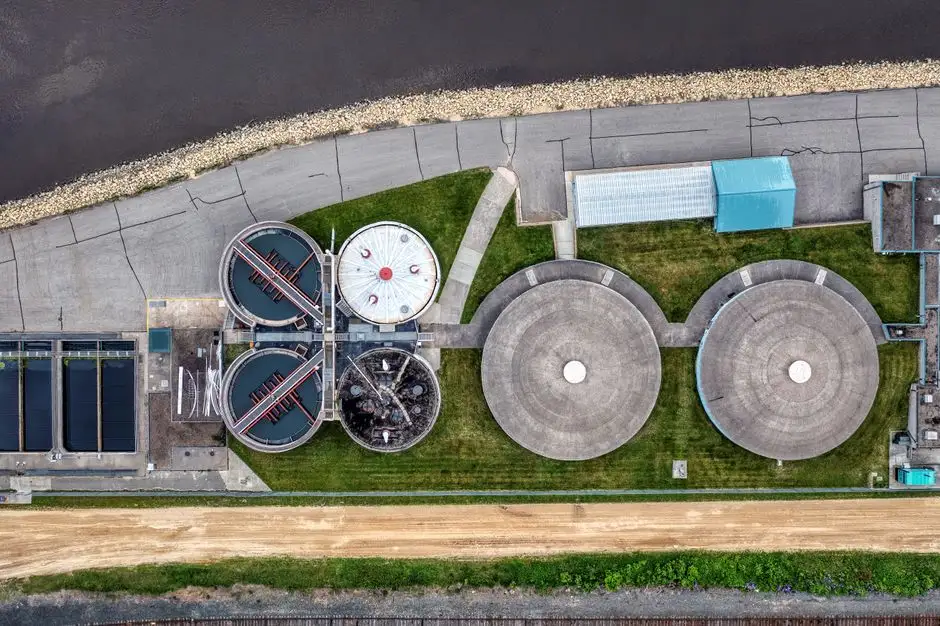
A weighted scoring matrix outperforms gut-feel comparison when short-listing 2–4 Qatar WWTP suppliers, and the five criteria below reflect the failure modes most often seen in Qatar bid evaluations. Each criterion is scored 1–5, with weights applied per project profile (industrial O&G sites should up-weight Criteria 1 and 3; municipal sites should up-weight Criteria 2 and 4).
Criterion 1 — Process fit for high-TDS, high-temperature influent. Biological kinetics derate above 30°C; oxygen transfer efficiency drops roughly 2% per °C above 20°C, and a supplier offering only temperate-climate default aeration sizing is a disqualifying signal. Ask for a hydraulic profile explicitly calculated at 40°C ambient and the designer's TDS tolerance certificate. Criterion 2 — Containerization and modularity. MBR skid footprints run 60% smaller than conventional activated sludge at equivalent capacity (HydropureWater MBR field data, 2026), which is decisive on constrained Doha industrial plots where civil works costs run QAR 800–1,200/m². Criterion 3 — Local content and Qatar-based service. ASHGHAL pre-qualification and QatarEnergy-approved vendor list status carry heavy weight in government and O&G tenders, and a 4-hour on-site response window is realistic only with a Qatar-domiciled service team. Criterion 4 — Documentation depth. Hydraulic profiles, P&IDs, electrical schematics, and O&M manuals must be in English per QCS standards, with revision control and as-built drawing commitment. Criterion 5 — Commissioning and after-sales. PLC-automation with pre-wired skids and factory acceptance testing (FAT) at the OEM site compresses on-site commissioning to 2–3 weeks versus 8–12 weeks for site-built plants — a measurable project schedule advantage.
| Criterion | Weight (Industrial O&G) | Weight (Municipal) | Score 1 (Fail) | Score 5 (Strong) |
|---|---|---|---|---|
| 1. Process fit (TDS, 40°C+) | 30% | 15% | Catalog design, no derating | Hydraulic profile at 40°C, TDS test cert |
| 2. Containerization / footprint | 15% | 25% | Site-built civil, >500 m² | MBR skid, <200 m², plug-flow |
| 3. Local content / approval | 25% | 25% | No GCC reference, no PWA list | ASHGHAL + QatarEnergy approved |
| 4. Documentation (QCS English) | 15% | 20% | Generic O&M, machine-translated | Full P&ID, hydraulic, electrical in English |
| 5. Commissioning & after-sales | 15% | 15% | 12+ week on-site, remote support only | Pre-wired, FAT in factory, 2–3 week on-site |
Technology Comparison: MBR vs SBR vs MBBR vs Conventional ASP for Qatar Conditions
Process technology choice drives 60–70% of long-term OPEX, and Qatar's climate narrows the field faster than temperate-region comparisons suggest. MBR (membrane bioreactor) using submerged PVDF hollow-fiber or flat-sheet membranes at 0.1 μm pore size produces effluent suitable for TSE reuse under QCS 2014 reuse criteria — typically BOD <5 mg/L, TSS <5 mg/L, turbidity <1 NTU — and a 60% smaller footprint than conventional activated sludge (per HydropureWater MBR field data, 2026). The trade-off is membrane replacement every 7–10 years and energy for membrane scour air, which adds roughly 0.3–0.5 kWh/m³ to the aeration baseline. MBR skids in the 10–2,000 m³/day range from established OEMs typically land in the mid-CAPEX band but dominate on space-constrained Doha industrial plots.
SBR (sequencing batch reactor) handles low-flow variable loads with simpler controls and no separate clarifier, but its larger footprint and longer cycle time at high temperatures make it a legacy choice in older Ashghal plants rather than new builds. MBBR (moving bed biofilm reactor) tolerates temperature swings well and works as a retrofit inside existing aeration tanks, but its effluent quality — typically BOD 30 mg/L and TSS 30 mg/L — falls short of MOEC's industrial BOD 20–30 envelope without polishing. Conventional ASP with secondary clarifier delivers the lowest CAPEX but the largest footprint and is the most climate-sensitive; this is the default configuration in most Chinese packaged plants unless the buyer explicitly specifies an MBR upgrade. A pre-treatment DAF unit is required upstream when oil & grease exceeds 50 mg/L in the influent, regardless of downstream technology. For a deeper look at how MBR is scaling regionally, see the MBR market forecast to 2030.
| Parameter | MBR | SBR | MBBR | Conventional ASP |
|---|---|---|---|---|
| Effluent BOD (mg/L) | <5 | 10–20 | 20–30 | 20–30 |
| Effluent TSS (mg/L) | <5 | 15–25 | 20–30 | 20–30 |
| Footprint vs ASP | 40% (60% smaller) | 70% | 60% | 100% baseline |
| Temperature tolerance | 5–40°C (derate above 35°C) | 10–35°C | 5–40°C | 10–30°C (sensitive) |
| TDS tolerance (mg/L) | Up to 8,000 (higher with RO polish) | Up to 5,000 | Up to 6,000 | Up to 4,000 |
| TSE reuse suitability | Yes (direct) | With filtration | With filtration | With filtration + disinfection |
| Typical CAPEX (50 m³/day, Qatar) | US$180k–$320k | US$120k–$200k | US$140k–$240k | US$90k–$160k |
| Membrane replacement cycle | 7–10 years | N/A | N/A | N/A |
For the full equipment envelope, the MBR membrane bioreactor system and DF-series flat sheet membrane modules cover the 10–2,000 m³/day band that fits most Qatar industrial and mid-scale municipal bids.
CAPEX and OPEX Benchmarks for Qatar WWTP Procurement
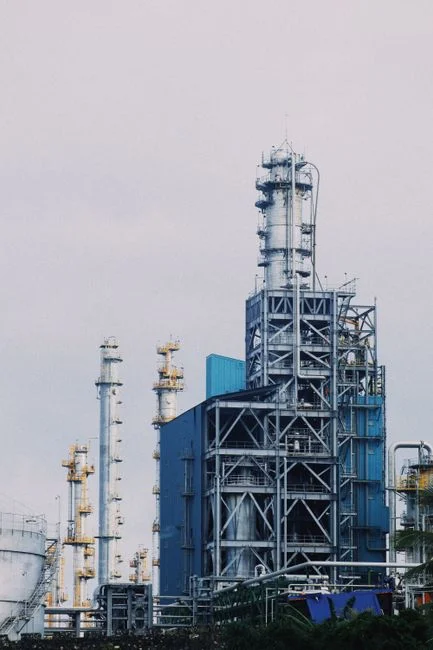
Made-in-China 2026 listings for packaged WWTPs show a US$4,100–$13,000 per set band for 1 MOQ units aimed at slaughterhouse, food processing, and small municipal applications — but those numbers are ex-works China and exclude everything a Qatar buyer actually needs. A realistic Qatar-context uplift is 20–35% on top of the OEM ex-works price to cover MOEC documentation preparation, ASHGHAL approval fees, climate derating engineering, Qatar-duty electrical panels (IEC 61439 + G-mark compatible), and maritime logistics to Hamad Port plus inland transport. For an industrial-scale MBR in the 50–500 m³/day range, CAPEX realistically lands between US$150,000 and US$800,000 depending on influent complexity, with pre-treatment scope (screening, grit removal, DAF) often adding 25–40% to the biological stage cost alone.
OPEX drivers in Qatar are dominated by energy for aeration at 45°C+ ambient, chemical dosing for pH correction and nutrient removal, and membrane replacement for MBR configurations every 7–10 years. A DAF pre-treatment unit reduces downstream biological loading and chemical demand, and a PLC-controlled chemical dosing skid tightens reagent consumption by 10–15% versus manual dosing. The single largest hidden cost in OEM quotes from China is the exclusion of civil works, MCC electrical integration, and SCADA — scope these separately in the RFQ or expect a 30–50% cost overrun mid-project. For a deeper OPEX lens outside Qatar, the electrocoagulation OPEX breakdown shows how pre-treatment choices cascade into lifecycle cost.
| Cost Line | China OEM Ex-Works (per Made-in-China 2026) | Qatar Delivered (after 20–35% uplift) | Notes |
|---|---|---|---|
| Packaged WWTP, 50 m³/day | US$4,100–$13,000 | US$5,300–$17,500 | Excludes civil, MCC, SCADA |
| Industrial MBR, 100 m³/day | US$80,000–$140,000 | US$105,000–$190,000 | Add DAF pre-treatment US$25k–$50k |
| Civil works & installation | Not included | US$60,000–$200,000 | QAR 800–1,200/m² in Doha industrial zones |
| Electrical MCC + SCADA | Not included | US$30,000–$90,000 | IEC 61439 + G-mark mandatory |
| MOEC documentation & approval fees | Not included | US$8,000–$20,000 | 8–14 week timeline |
| OPEX (energy, chemicals, membrane) | N/A | US$0.25–$0.60/m³ treated | Energy dominant at 45°C+ |
Supplier Red Flags and Pre-RFQ Verification Checklist
Three red flags disqualify a supplier faster than a low bid: (1) no Qatar or GCC reference project in the last 5 years, with vague claims of "worldwide experience" substituting for regional track record; (2) inability to provide a hydraulic profile explicitly sized for 40°C+ ambient, which indicates a generic Chinese catalog design re-priced for export; (3) quoted equipment not on the QatarEnergy-approved vendor list when the project is oil & gas adjacent, which blocks downstream EPC qualification regardless of technical merit. These three checks take less than an hour and eliminate 40–60% of weak bidders before detailed technical evaluation begins.
The pre-RFQ verification checklist should confirm, in writing: a valid ASHGHAL pre-qualification certificate (or PWA contractor grade), an MOEC-approved process design with prior consent reference, IEC and G-mark electrical compliance documentation, a factory acceptance test (FAT) plan with witness-testing option at the OEM site, and demonstrable on-site commissioning capability in Qatar with named engineers and CVs. For EPC firms benchmarking regional pricing, the parallel Saudi Arabia WWTP supplier buyer's guide provides a useful cross-check on GCC-wide cost uplifts.
Frequently Asked Questions
How long does MOEC discharge consent take in Qatar? 8–14 weeks from a complete submission, with incomplete hydraulic profiles and missing QCS 2014 compliance statements being the most common rejection causes (per MOEC procedural guidance, 2025-09).
What effluent quality can an MBR plant deliver in Qatar conditions? An MBR with 0.1 μm submerged membranes typically achieves BOD <5 mg/L, TSS <5 mg/L, and turbidity <1 NTU, suitable for TSE reuse under QCS 2014 reuse criteria (HydropureWater MBR field data, 2026).
How does the 45°C+ ambient affect WWTP design? Oxygen transfer efficiency drops roughly 2% per °C above 20°C, biological kinetics must be derated above 30°C, and aeration basin sizing typically increases 10–15% versus temperate-climate defaults.
Why source a Qatar-approved supplier rather than importing direct from China? Direct import avoids the 20–35% Qatar-context uplift but forfeits MOEC documentation support, ASHGHAL approval, and QatarEnergy vendor-list status, often adding 30–50% in project-execution cost overruns (per Qatar EPC field data, 2025-12).
What is the realistic budget threshold for an industrial Qatar WWTP? Industrial-scale MBR (50–500 m³/day) lands at US$150,000–$800,000 CAPEX delivered, with OPEX of US$0.25–$0.60 per m³ treated depending on influent TDS and required effluent quality.