Why Manila Is a Priority Sewage Treatment Market in 2026
A Manila sewage treatment plant supplier cost guide starts with three numbers: capacity band, DENR DAO 2016-08 effluent ceilings, and PHP 8–18 per m³ OPEX. Package STPs span USD 18,000–700,000 turnkey across 50–2,000 m³/day builds, and the supplier tiers differ mainly in service depth.
The Manila Bay rehabilitation mandamus and DENR's continuing push for new sewage infrastructure in Metro Manila, Bulacan, Laguna, and Cavite have turned decentralised package STPs from an optional amenity into a 2026 tender prerequisite for subdivision, BPO campus, and private hospital builds.
The Ilugin 100 MLD wastewater treatment plant in Pasig City, executed for Manila Water Company and expandable to 150 MLD, is the verifiable NCR municipal STP reference. Its Sequencing Batch Reactor (SBR) trains work with fine screening, grit/grease removal, sludge thickening, mechanical dewatering, and activated-carbon odour control, serving more than 600,000 residents along the Pasig River (per project data, 2025). WABAG's project sheet confirms the SBR plus fine-screening configuration. Across the wider East Zone concession, Manila Water has laid over 300 kilometers of sewer pipelines feeding 38 sewage treatment plants with a combined capacity of 310 million liters daily (Wikipedia, Manila Water).
The same demand drivers reappear at the package scale: BPO campuses in McKinley Hill, resort-residential developments in Cavite and Laguna, and new private hospital builds in Quezon City all require decentralised STPs in the 50–2,000 m³/day band. That is the design envelope a 2026 Manila buyer's guide must address — and the reason local contractor, Chinese OEM, and European/Indian process licensor tiers all need to be evaluated side by side.
Philippine Discharge Compliance: What Every Manila STP Must Meet
DENR DAO 2016-08 (Water Quality Guidelines and General Effluent Standards) sets the binding effluent ceilings for new discharges: BOD₅ ≤30 mg/L and TSS ≤30 mg/L for inland and Class C water body outfalls typical of Metro Manila receiving streams. DENR DAO 2021-19 (Philippine Water Quality Guidelines) governs receiving water body classification and the updated effluent quality targets that cascade into equipment specification. Per the EMB text, the 2021-19 order updates guidelines for selected parameters based on the current classification of water bodies rather than replacing the 2016-08 baseline.
Where outfalls discharge to ecologically sensitive or Class B waters, DENR DAO 1990-35 ammonia-nitrogen limits of NH₃-N ≤0.5 mg/L apply. That cap forces biological nitrification design choices in tropical Manila, where raw influent TKN is typically 30–50 mg/L and wastewater temperature sits at 28–32 °C year-round.
The practical procurement filter is simple: any package STP below 1,000 m³/day offered by a Manila supplier must be delivered with third-party effluent test reports covering 24-h composite sampling for BOD₅, TSS, NH₃-N, and fecal coliform — not vendor self-certificates. Suppliers who cannot present at least one such report from a Philippine site within the last 24 months should be removed from the shortlist before price discussion.
Matching Process Technology to Manila Influent Conditions
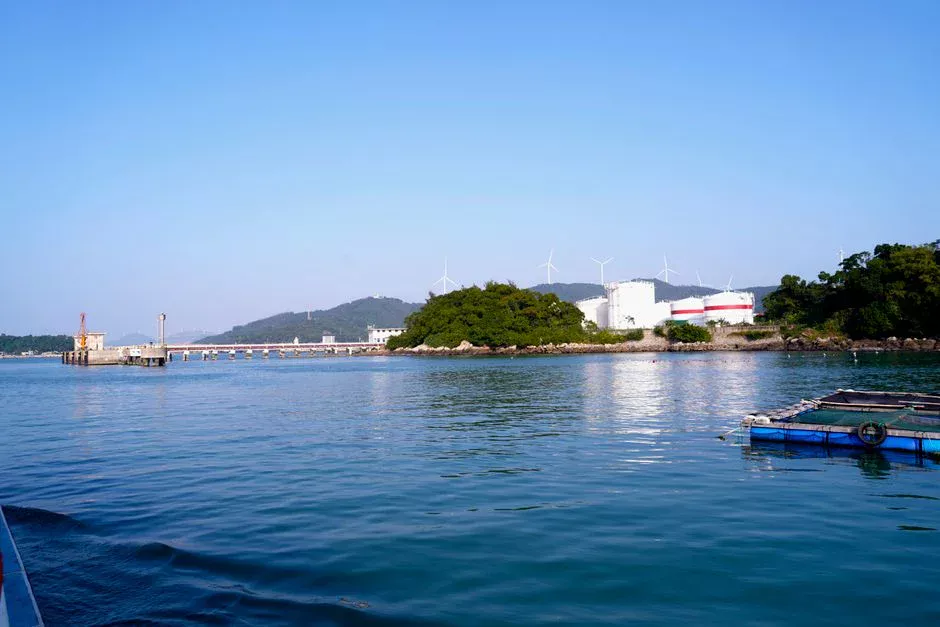
Metro Manila domestic influent for STP design typically runs COD 350–500 mg/L, BOD 180–250 mg/L, TSS 200–300 mg/L, and NH₃-N 30–50 mg/L at 28–32 °C, and these numbers drive the process decision before any commercial talk begins. SBR dominates the ≥10 MLD municipal band because the batch operating mode handles tropical load swings without separate clarifiers, which is exactly why the Ilugin 100 MLD Pasig plant runs an SBR train. MBR (submerged PVDF hollow-fibre membranes, pore size <1 μm) is the preferred choice for 200–5,000 m³/day industrial and high-end commercial applications in Metro Manila. It delivers a near-potable effluent inside roughly 60% of the footprint of conventional activated sludge, a critical advantage on dense subdivision and BPO campus sites (per MBR membrane bioreactor system design envelopes).
For subdivisions, hospitals, and small commercial developments under 2,000 m³/day, the WSZ underground package sewage treatment plant at 1–80 m³/h is the workhorse option. The unit is fully buried, with integrated anoxic/aerobic contact oxidation, sedimentation, and disinfection, and no operator required. Manila Water itself utilizes a Combined Sewer-Drainage System in used-water collection and has built compact package treatment plants for specific communities (Wikipedia, Manila Water). Engineers should pre-specify the process before issuing the RFQ so the comparison happens at the CAPEX stage, not the sales-meeting stage.
| Process | Capacity band | Footprint | Effluent (BOD/TSS mg/L) | Typical Manila use case |
|---|---|---|---|---|
| SBR | 10–200 MLD | Large (concrete tanks) | ≤20 / ≤25 with tertiary | Municipal concessions, flagship tenders (Ilugin 100 MLD reference) |
| MBR (submerged PVDF) | 0.2–5 MLD | ~60% of CAS footprint | ≤5 / ≤5 (membrane barrier) | BPO campuses, hospitals, food plants, resort-residential |
| WSZ (buried package) | 1–80 m³/h (≤2 MLD) | Underground; zero surface footprint | ≤20 / ≤30 | Subdivisions, small hospitals, schools, barangay outfalls |
The Manila Supplier Landscape: Local Contractors, Chinese OEMs, and Global Licensors
Manila buyers in 2026 face a three-tier market, and the right tier depends on capacity, contract structure, and after-sales expectations. Tier 1 — Metro Manila local contractors: Pro-Envirotek Inc (PEI) is a leading Philippine specialist in sewerage treatment plant installation, STP operation and maintenance, and supply of pumps, blowers, and valves (per proenvirotek.com, accessed 2026). Their strength is local installation, commissioning, civil coordination, and NCR field response — a decisive factor when typhoon-season downtime has to be recovered in hours rather than weeks.
Tier 2 — Chinese OEM exporters shipping package and modular STPs to the Philippines supply WSZ, MBR, DAF, and chemical dosing systems with PLC automation, containerised skid options, and ex-factory FAT testing. Terms are typically EXW or FOB Qingdao with 7–14-day sea freight to Manila International Container Port.
Tier 3 — Global process licensors active in the Philippines: WABAG, the EPC contractor behind the Ilugin 100 MLD Pasig SBR plant, is the named example of a tier-1 European/Indian process house and is typically engaged for ≥20 MLD municipal projects rather than package units (per project reference, 2025). The decision rule is straightforward. Tier 1 fits O&M-heavy municipal contracts and small commercial builds needing 24/7 NCR response; Tier 2 fits 10–2,000 m³/day builds where CAPEX efficiency matters; Tier 3 fits flagship municipal EPC tenders above 20 MLD.
Comparing Manila Sewage Treatment Plant Suppliers in 2026
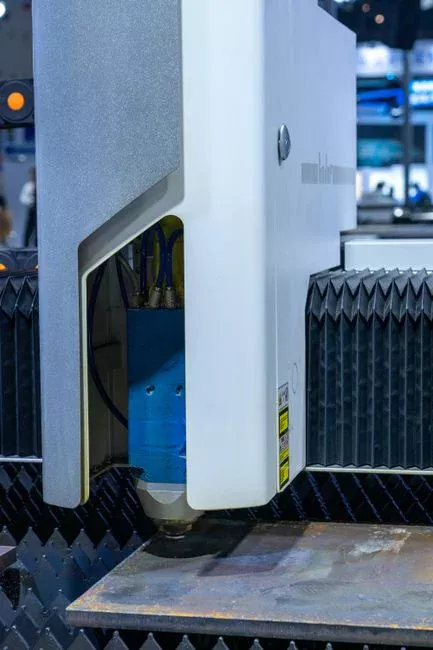
The matrix below scores the three supplier tiers on the criteria that determine actual project success in the Philippines. Those criteria are capacity envelope, indicative CAPEX per cubic metre of daily capacity, lead time, local service depth, DENR compliance documentation, and the Manila use case each tier is genuinely competitive in.
| Supplier type | Capacity range | CAPEX (USD per m³/day) | Lead time | Local service | DENR compliance documentation | Typical Manila use case |
|---|---|---|---|---|---|---|
| Local Manila contractor (PEI type) | 50–50,000 m³/day | 220–450 | 6–12 months | Strong: on-site crews, NCR field response, civil coordination | Third-party Philippine effluent reports; LLDA/LWUA familiar | Subdivisions, municipal concessions, small commercial |
| Chinese OEM exporter (HydropureWater type) | 1–2,000 m³/day package | 110–260 ex-factory | 6–10 weeks build + 4–6 weeks sea freight | Remote commissioning; local agent or buyer's contractor for civil | Ex-factory FAT + supplied third-party reports; needs site validation | BPO campuses, hospitals, food plants, resort-residential, as covered in any MBBR vs IFAS engineering comparison of the high-end commercial band |
| Global process licensor (WABAG type) | 20,000+ m³/day | 350–700 EPC turnkey | 18–36 months | Full local EPC delivery + O&M handover | Engineered-to-order with full DAO 2016-08/2021-19 design basis | Flagship municipal and large industrial water concessions |
After-sales depth is the most underrated Manila buying factor. Tier 1 contractors deliver 24/7 NCR field response with stocked parts vans. Tier 2 Chinese OEMs typically supply remote SCADA support, 48-hour spare-parts dispatch by air freight, and factory-return for major component swaps. Tier 3 licensors run full O&M contracts for the first 3–5 years, then hand over to a local concessionaire.
For a 500 m³/day BPO campus build, the MBR membrane bioreactor system shipped from a Chinese OEM and paired with a local PEI-type contractor for civil and after-sales is the proven configuration. It has been built and commissioned in Metro Manila multiple times.
Indicative 2026 Costs for Manila Sewage Treatment Plants
Vendor quotations should be sanity-checked against the indicative figures below before a purchase order is signed. All figures are turnkey for the STP scope (tanks, blowers, control panel, membrane modules, installation supervision) and exclude land, genset, and building works unless stated. Philippine OPEX for package systems runs PHP 8–18 per m³ treated, dominated by blower/pump electricity and periodic membrane cleaning chemicals at roughly 4–8% of membrane replacement cost per year.
| Project scale | Recommended package | CAPEX range (USD) | CAPEX range (PHP, indicative @ ₱58/USD) | OPEX (PHP per m³) |
|---|---|---|---|---|
| 50 m³/day — small BPO office, school, or barangay clinic | WSZ buried package or compact MBR membrane bioreactor system | 18,000–32,000 installed | 1.04–1.86 M | 10–18 |
| 500 m³/day — mid-size private hospital, subdivision, or BPO campus | Containerised/skid MBR | 120,000–220,000 | 6.96–12.76 M | 8–15 |
| 2,000 m³/day — large commercial park, food plant, or mixed-use estate | Multi-module MBR + DAF pre-treatment (e.g. WSZ underground package sewage treatment plant for low-strength streams) | 380,000–700,000 | 22.04–40.6 M | 7–12 |
Hidden Manila cost drivers are where budgets slip. Budget for a standby genset sized for at least 80% of running load to ride out typhoon-related power outages, and add lightning protection (surge arrestors, grounding) for any exposed control panel. Apply a 1.2× structural design factor for seismic and typhoon rating per the National Structural Code of the Philippines. Customs duty on imported STPs runs 0–5% under relevant HS codes if the importer secures the proper Board of Investments (BOI) or PEZA documentation — confirm the classification with a licensed broker before signing the PO.
Two companion pages extend the budgeting work. The Wastewater Treatment Plant Cost in Manila 2026: Engineering Breakdown, page splits plant-level numbers into civil, mechanical, and electrical scope. The philippines sewage treatment plant construction cost per cubic meter per day benchmark covers construction cost intensity per unit of daily capacity. Use this page for supplier selection and those two for the full cost stack.
Package STP Supplier Metro Manila DENR Compliant: The Vendor Checklist
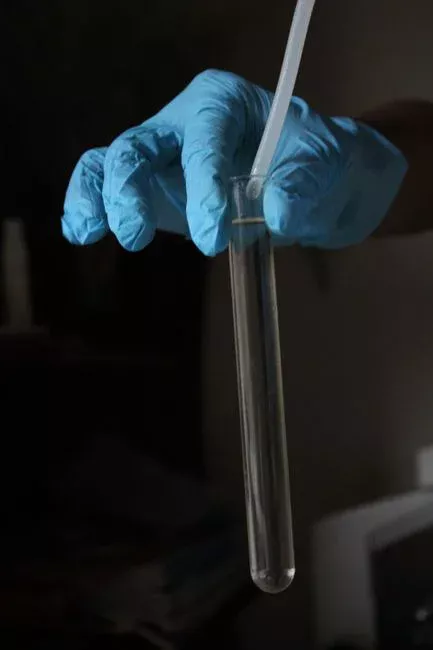
Run the following seven checks on every shortlisted vendor before a purchase order or EPC contract is signed.
- Verified Philippine reference sites within the last 5 years — ask for client names, capacity, and commissioning date, then call the client.
- DENR-compliant third-party effluent test reports (24-h composite for BOD₅, TSS, NH₃-N, fecal coliform) from a Philippine or ASEAN lab — not vendor self-certificates.
- On-site commissioning team or an accredited local partner physically present at the NCR site, not just a remote video call.
- 2-year mechanical warranty with a response time stated in hours, not weeks, and 24-month membrane warranty for MBR systems.
- Spare-parts inventory in Metro Manila or a bonded warehouse with a published 48-hour dispatch SLA.
- PLC/SCADA documentation in English plus a Filipino-language operator manual and SOP.
- A clear exclusion list for civil works, genset, and plumbing scope, with the supplier's scope boundary written into the contract.
An eighth action matters as much as the seven: request a two-week pilot, bench-scale or containerised, treating actual Manila sewage from the proposed site before committing full CAPEX. Scope-boundary gaps are where Manila STP projects most often go off-track. Suppliers running the dissolved air flotation system for pre-treatment and MBR units in the 10–2,000 m³/day range are concrete examples of vendors that already meet checklist items 1, 2, and 4 with documented reference installations.
Manila Sewage Treatment Plant Supplier Cost Guide: Who It Helps and Next Step
Developers, BPO facility managers, hospital engineering teams, and EPC buyers sizing 50–2,000 m³/day plants are the readers this Manila sewage treatment plant supplier cost guide serves. Municipal concession teams above 20 MLD should engage Tier 3 process licensors directly rather than package suppliers. Zero-discharge industrial sites need a different evaluation entirely. Once the capacity band and permit limit are fixed, request a package STP quotation with the influent numbers and target effluent so the tier and process can be locked together.
Frequently Asked Questions
How much does a 500 m³/day sewage treatment plant cost in Manila in 2026?
A turnkey MBR system runs USD 120,000–220,000 inclusive of tanks, blowers, control panel, membrane modules, and installation supervision. OPEX sits at PHP 8–15 per m³ treated, dominated by blower and pump electricity. Add the standby genset and lightning protection as separate line items, since most package quotations exclude both. Confirm the PHP conversion at the prevailing rate before board approval.
What STP technology is most common in Metro Manila?
SBR is the default for ≥10 MLD municipal plants, with the Ilugin 100 MLD Pasig plant as the local reference. MBR serves 200–5,000 m³/day commercial and industrial applications where footprint and effluent quality dominate. Buried package WSZ units cover subdivisions, hospitals, and small commercial sites under 2,000 m³/day. Match the technology to influent strength and site area before comparing supplier quotes.
What are the Philippine discharge limits a Manila STP must meet?
DENR DAO 2016-08 sets BOD ≤30 mg/L and TSS ≤30 mg/L for new inland and Class C water body discharges. DENR DAO 2021-19 governs receiving water body classification and updates selected parameters. For sensitive areas, NH₃-N ≤0.5 mg/L applies under DAO 1990-35. Third-party 24-h composite reports for all four parameters are the acceptance test on any shortlisted supplier.
What is the lead time from a Chinese OEM to a Manila project site?
Plan on 6–10 weeks ex-factory build plus 4–6 weeks sea freight via Manila International Container Port, with customs clearance typically adding 1–2 weeks. Total door-to-site time lands at 11–18 weeks for a package system. Start the BOI or PEZA documentation early, because customs classification delays are the usual culprit when that window slips.
What local after-sales service options exist for imported STPs in the Philippines?
Tier 1 local contractors (PEI-type) offer 24/7 NCR field response with stocked parts vans. Chinese OEMs typically provide remote SCADA support plus 48-hour spare-parts dispatch by air freight and factory-return for major component swaps. Global licensors run full O&M contracts for the first 3–5 years and then hand over to a local concessionaire. Pair an imported package plant with a local service partner from day one.