Why Medellín's Market for Sewage Treatment Plant Suppliers Looks Different in 2026
Medellín sits at 1,495 m above sea level in the Aburrá Valley, home to 2.6 million residents and a metro area of roughly 3.7 million, and the 2026 municipal infrastructure pipeline for water and sanitation in the valley is on the order of USD 480 million (per Plan de Desarrollo Municipal 2024-2027 allocations). That spend, combined with 280+ housing developments under construction and the textile finishing cluster in Itagüí, has made the Aburrá Valley one of Colombia's densest pockets of demand for packaged and mid-scale planta de tratamiento de aguas residuales Medellín projects in the 10-500 m³/day segment.
Three physical conditions disqualify generic global guides. First, altitude: at 1,495 m atmospheric pressure drops to ~84 kPa, which reduces clean-water oxygen transfer efficiency in fine-bubble diffusers by roughly 18% versus sea level (per ASCE/EWRI Aeration Design Manual, 2018 ed., derating factors at 1,500 m). Blower selection must account for this or actual α-SOTE will land 15-20% below nameplate. Second, climate: ambient air sits at 14-25°C year-round, which is ideal for mesophilic biology but creates two side effects — covered tanks are mandatory to block UV degradation of HDPE/PP media, and uncovered equalization basins breed 30°C+ algae blooms that choke downstream filters. Third, electrical: grid supply is 110/220 V at 60 Hz, and RETIE (Reglamento Técnico de Instalaciones Eléctricas) compliance is enforced by the local operator, not the foreign skid supplier.
Buyers here are also concentrated. EPM and Aguas Claras anchor the municipal side, while private demand comes from Hospital Pablo Tobón and Clínica El Rosario, the Itagüí textile finishers, and the new residential towers in El Poblado. Any PTAR Medellín proveedor proposal that does not address altitude, RETIE, and Corantioquia permit timelines should be filtered out early.
Colombian Discharge Compliance: Resolución 0631/2015 and What It Means for Supplier Selection
Resolución 0631/2015 (Ministerio de Ambiente y Desarrollo Sostenible) sets the discharge ceiling that every supplier must design against. For municipal-type discharges to surface water, Article 8 caps BOD₅ at 50 mg/L, total suspended solids (TSS) at 50 mg/L, total nitrogen (TN) at 15 mg/L, total phosphorus (TP) at 10 mg/L, fats and oils at 10 mg/L, and pH at 6.0-9.0. Industrial discharges to the sanitary sewer under Article 6 are tighter and sector-specific; textile finishers in the Aburrá Valley typically face COD ≤ 500 mg/L and total chromium ≤ 0.5 mg/L at the pretreatment outlet, which is why most Itagüí plants install a DAF pre-treatment system upstream of the biological stage.
Two regulatory shifts since 2024 matter for supplier selection. First, Corantioquia now requires influent and effluent flow meters plus online pH and conductivity instrumentation on any plant above 50 m³/day; suppliers that exclude these from their scope force the buyer into a costly retrofit. Second, the permiso de vertimientos review now routinely references influent characterization over 30+ days, which means a supplier's commissioning team must be capable of running a proper sampling campaign — not just turning on the blowers.
Process choice falls out of these limits directly. An MBR with submerged PVDF membranes hits BOD₅ < 5 mg/L and TSS < 1 mg/L in a single step, which guarantees compliance even with influent variability. A conventional A²O package with chemical P precipitation can meet TN ≤ 15 mg/L and TP ≤ 10 mg/L, but a basic A/O skid without a polishing step will not reliably hold TSS ≤ 50 mg/L on a textile or hospital feed — the buyer must insist on either a cloth-media filter or membrane polish in the supplier's scope.
| Parameter | Resolución 0631/2015 limit (Art. 8, surface water) | MBR typical effluent | A²O typical effluent | A/O + sand filter |
|---|---|---|---|---|
| BOD₅ | ≤ 50 mg/L | < 5 mg/L | ≤ 20 mg/L | ≤ 30 mg/L |
| TSS | ≤ 50 mg/L | < 1 mg/L | ≤ 30 mg/L | ≤ 20 mg/L |
| Total nitrogen | ≤ 15 mg/L | ≤ 10 mg/L | ≤ 15 mg/L | ≤ 25 mg/L (no denitrification) |
| Total phosphorus | ≤ 10 mg/L | ≤ 2 mg/L (with coagulant) | ≤ 8 mg/L (biological) | ≤ 10 mg/L (chemical) |
| pH | 6.0-9.0 | 7.0-8.0 | 7.0-8.0 | 7.0-8.0 |
| Fats & oils | ≤ 10 mg/L | ≤ 5 mg/L | ≤ 10 mg/L | ≤ 10 mg/L |
Process Technologies Supplied to Medellín: MBR, SBR, A²O, and Packaged A/O Compared
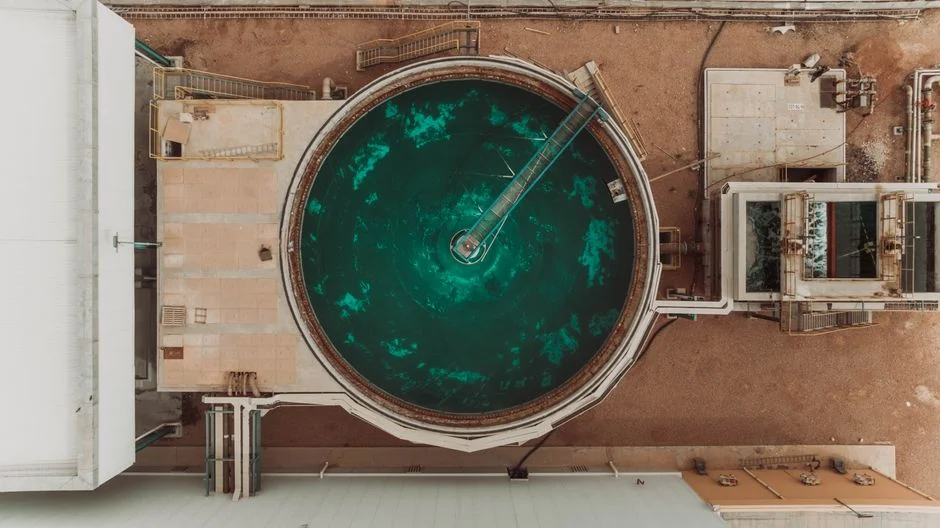
MBR is the premium option for sites with footprint pressure or strict reuse targets. Submerged PVDF flat-sheet or hollow-fiber membranes at 0.1-0.4 μm pore size deliver BOD₅ < 5 mg/L and TSS < 1 mg/L, occupy roughly 60% of the land a conventional activated-sludge plant needs, and run at MLSS 8,000-12,000 mg/L. They suit 10-2,000 m³/day hospital and hotel projects in El Poblado, and CAPEX lands at USD 380-720 per m³/day installed (per HydropureWater field data, 2026). Membrane life is typically 5-7 years with proper in-situ cleaning.
SBR is the right answer when influent flow is intermittent — common in rural Antioquian municipalities and weekend-peak hotel loads. The fill-react-settle-decant cycle is run in a single tank, removing 80-90% of BOD without separate clarifiers. CAPEX runs USD 250-450 per m³/day, and OPEX is lower than MBR because there are no membranes to replace — only periodic decanter maintenance. The trade-off is a larger equalization footprint and tighter control logic.
A²O (anaerobic/anoxic/oxic) is the workhorse for 500-5,000 m³/day municipal projects. Continuous flow, biological phosphorus uptake, and a dedicated anoxic zone let it hit TN ≤ 15 mg/L without methanol dosing. A well-designed A²O typically achieves TN 8-12 mg/L and TP 4-8 mg/L without chemical polishing. It is the default for EPM-sized projects where land is available and the operator has conventional activated-sludge experience.
WSZ packaged A/O units combine anoxic contact, aerobic oxidation, sedimentation, and chlorination in a buried integrated skid sized 1-80 m³/h (24-1,920 m³/day). They offer the lowest CAPEX in the market — USD 180-340 per m³/day — and are commonly specified for residential developments and small commercial sites. They are limited to roughly BOD₅ ≤ 30 mg/L effluent without a tertiary polish, so they are not a fit for industrial feeds with high TSS swings.
| Process | Flow range | Effluent BOD₅ / TSS | Footprint (per 100 m³/day) | CAPEX (USD / m³/day) | Best fit in Medellín |
|---|---|---|---|---|---|
| MBR (submerged PVDF) | 10-2,000 m³/day | < 5 / < 1 mg/L | ~25 m² | 380-720 | Hospitals, hotels, El Poblado residential |
| SBR | 20-1,500 m³/day | ≤ 20 / ≤ 30 mg/L | ~60 m² | 250-450 | Intermittent flows, rural municipalities |
| A²O (continuous) | 500-5,000 m³/day | ≤ 20 / ≤ 30 mg/L | ~80 m² | 200-400 | EPM-scale municipal, large residential |
| WSZ packaged A/O | 24-1,920 m³/day | ≤ 30 / ≤ 30 mg/L | ~20 m² (buried) | 180-340 | Residential, small commercial |
For a buyer evaluating an MBR membrane bioreactor system or a buried WSZ underground package sewage plant, the decision is flow variability and reuse requirement, not technology hype. Pair either with a DF-series PVDF flat sheet membrane module retrofit if future expansion is on the table.
The Three Tiers of Sewage Treatment Plant Suppliers Serving Medellín in 2026
Tier 1 — local Colombian integrators carry a 30-80% equipment premium because they import skids, re-fabricate in Medellín or Bogotá, and bill local engineering hours. In return the buyer gets same-week service response, Spanish documentation, and an established relationship with Corantioquia. Examples of this profile (without naming specific firms) include mid-sized integrators in Antioquia and the Bogotá office of a global player. Expect to pay USD 95,000-140,000 for a 100 m³/day packaged plant from this tier (HydropureWater field data, 2026).
Tier 2 — LATAM OEMs from Brazil, Mexico, and Argentina offer a middle ground. They typically ship 4-6 weeks faster than Asia because they keep stock in Cartagena or Callao, and their commissioning crews are bilingual. Equipment cost lands between the Chinese and the Colombian integrator, with the advantage of regional FAT records the buyer can audit. The downside is limited customization and a smaller installed base inside Colombia specifically.
Tier 3 — direct Chinese manufacturers are the CAPEX floor. A 100 m³/day packaged plant runs USD 38,000-72,000 FOB Ningbo (HydropureWater field data, 2026), and the typical 6-10 week sea transit plus 1-2 weeks customs clearance at Buenaventura is workable for non-urgent projects. The buyer must verify, before signing the PO, that the supplier provides Spanish O&M manuals, FAT video records, and a pre-paid commissioning visit. Retention money of 10% held 12 months is standard, with a 12-24 month mechanical warranty and 12-month membrane warranty (pro-rata thereafter). For a comparison of similar offerings in the neighboring Andean market, see the Municipal sewage treatment plant in Peru engineering guide.
| Tier | CAPEX (100 m³/day) | Lead time to Medellín | Spanish O&M | On-site response | Compliance ownership |
|---|---|---|---|---|---|
| Local Colombian integrator | USD 95,000-140,000 | 10-16 weeks | Yes (native) | Same week | Supplier + buyer shared |
| LATAM OEM | USD 70,000-110,000 | 6-10 weeks | Yes (native) | 3-7 days | Supplier primary |
| Direct Chinese manufacturer | USD 38,000-72,000 | 8-14 weeks | Yes (translated) | Fly-in, 5-10 days | Buyer primary |
CAPEX and OPEX: What a 100 m³/day Plant Actually Costs Landed in Medellín
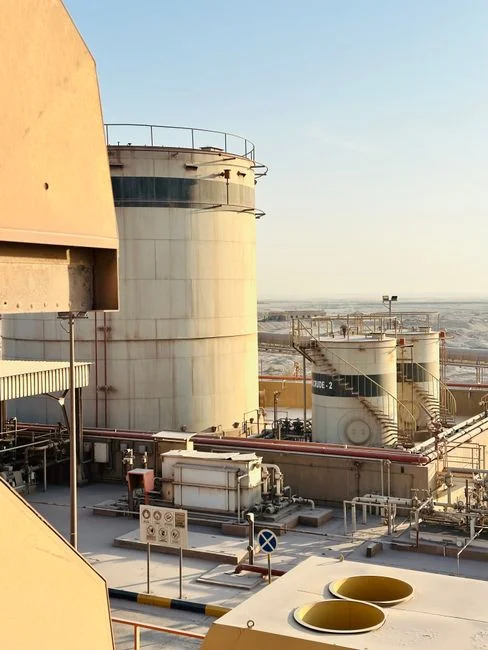
For a 100 m³/day packaged sewage treatment plant, equipment CAPEX in 2026 ranges from USD 38,000-72,000 FOB Ningbo for a Chinese OEM skid to USD 95,000-140,000 from a Colombian integrator using imported modules (HydropureWater field data, 2026). The gap reflects local engineering markup, re-fabrication labor, and the integrator's margin on instruments and electrical panels built to RETIE.
Maritime logistics from Shanghai to Puerto Buenaventura run USD 2,800-4,200 per 20 ft standard container in 2026 with 38-42 day transit via the Panama Canal; an alternative is Manzanillo-México → Buenaventura by feeder at slightly lower cost but a similar total. The overland leg from Buenaventura to Medellín is 720 km through the Andean coffee axis, costing USD 1,400-2,200 per container by truck. Colombia applies 0% import duty on wastewater treatment equipment under HS 8421.21 (Andean Community common tariff), but 19% IVA applies; most foreign suppliers quote DDP Medellín to keep the buyer out of customs paperwork. The Bogotá market is structurally similar and is benchmarked separately in the Bogotá sewage plant supplier guide.
OPEX for the same 100 m³/day plant lands at USD 0.18-0.32 per m³ treated, or COP 700-1,250 per m³ at the May 2026 reference rate of ~COP 3,900/USD. The cost stack is roughly electricity 55%, membrane replacement 18% (MBR only), chemicals 12%, labor 10%, and sludge handling 5%. Sludge handling is typically where plants get into trouble — a 100 m³/day MBR generates 8-12 m³/d of wasted activated sludge at 0.8-1.2% solids, which is dewatered with a plate and frame filter press to 22-28% dry solids for off-site disposal. Where the reclaimed water is reused for landscape irrigation at a residential development, a chlorine dioxide generator sized 50-2,000 g/h provides tertiary disinfection without the trihalomethane risk of chlorine. A GX rotary mechanical bar screen at the headworks protects downstream membranes in textile or hospital feeds with high solids loading.
| Cost component | Value (100 m³/day plant) | Notes |
|---|---|---|
| Equipment CAPEX (Chinese OEM, FOB) | USD 38,000-72,000 | Skid + control panel, no civil works |
| Sea freight Shanghai → Buenaventura | USD 2,800-4,200 / 20 ft | 38-42 days |
| Trucking Buenaventura → Medellín | USD 1,400-2,200 / 20 ft | 720 km, Andean coffee axis |
| Import duty (HS 8421.21) | 0% | Andean Community tariff |
| IVA | 19% | Applied to CIF value |
| OPEX (total) | USD 0.18-0.32 / m³ | ~COP 700-1,250 / m³ |
| Electricity share of OPEX | ~55% | Altitude derating adds 5-8% |
Logistics, Installation, and After-Sales: What Trips Up Foreign Suppliers in Antioquia
The container route from Shanghai to Medellín is Shanghai → Panama Canal → Buenaventura → 720 km overland to the Aburrá Valley, or alternatively Shanghai → Manzanillo (Mexico) → feeder to Buenaventura. Total transit runs 50-60 days door-to-door. For plants serving hospitals or food processors, INVIMA may require documentation review on the disinfection step, which adds 2-4 weeks if the supplier has not pre-cleared. The Corantioquia permiso de vertimientos itself typically takes 90-180 days from application, and the supplier must support the influent characterization campaign that the CAR requires as part of the file.
Two technical traps catch foreign skids. First, voltage: Chinese panels ship at 380 V / 50 Hz, but Colombian supply is 110/220 V three-phase at 60 Hz — step-down transformers are mandatory and must be sized for the blowers, which are the largest load. Second, altitude derating applies to every motor above 1,000 m elevation, typically -1% output per 100 m, which at 1,500 m means a 5% output loss that pushes blower and pump selection one frame size up. Top suppliers either build this into their selection or flag it explicitly in the datasheet.
Spare parts stocking is the difference between a 5-day recovery and a 6-week shutdown. The strongest 2026 suppliers maintain a bonded warehouse in Zona Franca Bogotá or Rionegro with critical spares — blowers, diffusers, membrane modules, dosing pumps, and PLC cards — and commit to dispatch within 5 business days. Confirm this in writing before signing; a verbal commitment is not enforceable when the membrane fails at month 14.
7-Point Checklist for Selecting a Sewage Treatment Plant Supplier in Medellín
- Verify regional track record. Demand at least three operating plants of similar capacity delivered into Colombia or Ecuador in the last 24 months, with buyer references and contact numbers. Call at least one.
- Audit quality documentation. Require FAT video, ISO 9001 and ISO 14001 certificates, and CE or UL listing on the control panel. For Colombian sites add RETIE compliance evidence.
- Lock the performance guarantee. Insist on an effluent guarantee tied to Resolución 0631/2015 Article 8 limits, with liquidated damages of 0.5-1% of contract value per non-compliant parameter per month of non-compliance.
- Confirm Spanish documentation and RETIE. O&M manuals in Spanish, electrical drawings to RETIE, and unlocked PLC code (no proprietary passwords on the ladder logic).
- Validate the warranty terms. 12 months mechanical, 12 months membrane (pro-rata after), and on-site commissioning with at least one Spanish-speaking engineer present for SAT.
- Fix spare parts pricing and dispatch. Lock spare parts pricing for 24 months post-commissioning and require a written commitment to dispatch critical spares from a Latin American bonded warehouse within 5 business days.
- Require remote monitoring for plants > 100 m³/day. 4G/SCADA remote telemetry is now standard for plants that lack 24/7 operators. Cross-reference the remote monitoring system supplier guide for hardware selection, and pair it with the industrial wastewater OPEX breakdown 2026 to size the operating budget realistically.
Frequently Asked Questions
What is a realistic 2026 CAPEX per m³/day for a packaged sewage plant landed in Medellín? USD 380-720 per m³/day for an MBR and USD 180-340 per m³/day for a buried WSZ A/O unit, equipment only, FOB origin (HydropureWater field data, 2026). Add USD 40-60 per m³/day for sea freight, trucking, and IVA to land it in the Aburrá Valley.
Which process technology most reliably meets Resolución 0631/2015 Article 8? A submerged MBR with PVDF membranes is the safest bet, delivering BOD₅ < 5 mg/L and TSS < 1 mg/L with margin against Article 8 limits of 50 mg/L for both parameters (per Minambiente, Resolución 0631/2015).
How long does shipping from China to Medellín take in 2026? 38-42 days sea freight Shanghai to Buenaventura, plus 3-5 days trucking over 720 km to Medellín, plus 7-14 days customs clearance — plan for 50-60 days door-to-door excluding manufacturing lead time.
Are rental or mobile sewage treatment plants available for Medellín projects? Yes, several LATAM integrators offer containerized MBR rentals in the 20-200 m³/day range, typically at 2-3% of CAPEX per month with a 6-month minimum; useful during construction-phase dewatering or for temporary hospital capacity.