Kuwait’s industrial wastewater treatment sector is expanding rapidly, with KEPA enforcing stricter effluent limits in 2025 (e.g., TSS <30 mg/L, COD <125 mg/L for oil & gas). The country’s largest facility, a 1M m³/day plant built with Chinese collaboration, highlights the shift toward high-capacity systems. For industries like petrochemicals and food processing, treatment costs range from KWD 500K to 3M, depending on technology (DAF for FOG removal, MBR for reuse). This guide provides KEPA-compliant specs, cost benchmarks, and a supplier checklist to help engineers and procurement teams select the right solution.
Kuwait’s Industrial Wastewater Challenge: Why Treatment is Non-Negotiable in 2025
Kuwait relies on desalination for 90% of its freshwater supply, creating an environment where industrial wastewater reuse is no longer an optional sustainability goal but a operational necessity. As the Ministry of Electricity and Water (MEW) faces increasing pressure to meet domestic demand, industrial facilities are being mandated to reduce their freshwater draw. The Environment Public Authority (KEPA) has responded by accelerating its enforcement timeline, moving toward a zero-discharge mindset for heavy industries located in areas like Shuaiba and Mina Abdulla.
The Shuaiba Area Authority (SAA) serves as a primary example of this transition; their integrated wastewater reuse projects have successfully reduced freshwater demand by approximately 30% through the implementation of advanced secondary and tertiary treatment stages. For plant operators, the risk of non-compliance is significant. Under current KEPA regulations, fines for illegal discharge or exceeding effluent limits can range from KWD 5,000 to KWD 50,000 for initial violations, with the potential for facility closure in cases of persistent non-compliance.
Each industry faces unique technical hurdles. The oil and gas sector must manage complex hydrocarbons and heavy metals that can poison standard biological systems. Food processing facilities in Kuwait City’s outskirts grapple with high Biological Oxygen Demand (BOD) and Fats, Oils, and Grease (FOG) that clog municipal sewers. Meanwhile, petrochemical plants must neutralize extreme pH levels and remove volatile organic compounds (VOCs). Failure to address these specific contaminants results in rapid equipment degradation and immediate regulatory scrutiny.
KEPA Effluent Standards for Industrial Wastewater: 2025 Limits by Industry
KEPA’s 2025 effluent standards are designed to protect Kuwait’s marine environment and groundwater aquifers, often matching or exceeding the stringency of the EU Urban Waste Water Directive (91/271/EEC). Engineers must design systems that not only meet these average limits but also handle peak loading events without deviation. In the petrochemical sector, for instance, a pH drift of just 1.5 points outside the 6.5–8.5 range can trigger automated shut-off valves at discharge points, leading to costly production downtime.
| Parameter | Oil & Gas (mg/L) | Petrochemicals (mg/L) | Food Processing (mg/L) | General Industry (mg/L) |
|---|---|---|---|---|
| pH | 6.5 – 8.5 | 6.0 – 9.0 | 6.5 – 9.0 | 6.5 – 8.5 |
| TSS (Total Suspended Solids) | < 30 | < 35 | < 50 | < 40 |
| COD (Chem. Oxygen Demand) | < 125 | < 150 | < 250 | < 150 |
| BOD (Bio. Oxygen Demand) | < 20 | < 25 | < 30 | < 25 |
| Oil & Grease (FOG) | < 5 | < 10 | < 15 | < 10 |
| Phenols | < 0.5 | < 1.0 | N/A | < 0.5 |
Common compliance failures in Kuwait typically stem from three areas: hydrocarbon breakthroughs in oil-water separators, insufficient aeration in BOD removal for food waste, and heavy metal precipitation failures in electroplating. Comparing KEPA limits to EPA (USA) standards reveals that Kuwait is particularly strict regarding Oil & Grease and Phenols due to the sensitivity of the Arabian Gulf’s coral ecosystems. To ensure compliance, many refineries are now integrating tertiary polishing steps, such as activated carbon or membrane filtration, to buffer against process fluctuations.
Industrial Wastewater Treatment Technologies for Kuwait: DAF, MBR, and Chemical Dosing Compared
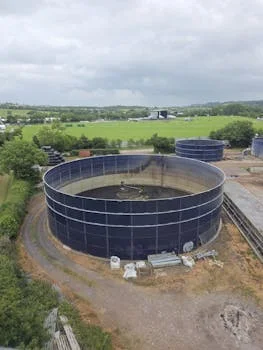
Selecting the correct technology requires balancing Kuwait’s high ambient temperatures, which affect biological activity and chemical solubility, with the required effluent quality. For many industrial applications, a multi-stage approach is necessary to reach 2025 KEPA targets. For example, understanding alternatives to DAF for high-flow applications can help in the early design phases for large-scale petrochemical sites.
Dissolved Air Flotation (DAF): This is the industry standard for FOG and TSS removal in Kuwait’s food processing and upstream oil sectors. DAF systems for Kuwait’s oil & gas and food processing industries typically achieve 92–97% TSS removal by introducing micro-bubbles that attach to particles, causing them to float for mechanical skimming. While highly effective for solids, DAF systems are chemically dependent, requiring precise polymer and coagulant dosing to function in high-salinity environments (HydropureWater field data, 2025).
Membrane Bioreactor (MBR): For plants targeting high-quality water reuse, MBR systems for water reuse in Kuwait’s petrochemical plants offer the most compact and efficient solution. By combining biological treatment with membrane filtration, MBRs produce effluent with TSS <1 mg/L and BOD <5 mg/L. However, engineers must account for higher energy requirements and the risk of membrane fouling, which is exacerbated by Kuwait’s hard water and high-temperature feed streams.
Chemical Dosing: Essential for pH correction and heavy metal removal, chemical dosing systems for pH adjustment and heavy metal removal utilize lime, ferric chloride, or caustic soda to precipitate dissolved contaminants. In Kuwait, automated dosing is critical because manual adjustments often fail to keep pace with the rapid fluctuations in industrial batch processing, leading to KEPA limit excursions.
| Technology | TSS Removal | CAPEX (KWD/m³) | OPEX (KWD/m³) | Footprint | Best For |
|---|---|---|---|---|---|
| DAF | 92–97% | 500 – 900 | Low-Mid | Medium | O&G, Food Processing |
| MBR | >99% | 1,200 – 2,000 | High | Compact | Water Reuse, Petrochem |
| Chem-Dosing | Variable | 300 – 600 | Mid (Chemicals) | Small | pH, Metals, Pre-treatment |
Cost Benchmarks for Industrial Wastewater Treatment Plants in Kuwait (2025)
Budgeting for an industrial wastewater plant in Kuwait involves more than just the equipment purchase price. Logistics, civil works in desert conditions, and long-term chemical procurement significantly impact the Total Cost of Ownership (TCO). Procurement managers should note that CAPEX is typically distributed as: 60% for core equipment, 20% for civil and structural works, 10% for electrical and instrumentation, and 10% for commissioning and KEPA certification support.
OPEX in the GCC region is heavily weighted toward energy (40%) and chemicals (25%). Maintenance (15%) and labor (20%) round out the annual costs. For a standard 500 m³/day plant, the following benchmarks apply based on current market data in Kuwait:
- DAF-based system: KWD 250,000 – KWD 450,000 CAPEX.
- MBR-based system: KWD 600,000 – KWD 1,000,000 CAPEX.
- Chemical Dosing/Clarifier: KWD 150,000 – KWD 300,000 CAPEX.
ROI Calculator Example: 500 m³/day Petrochemical Plant
Scenario: Implementing an MBR system for process water reuse to replace desalinated water purchases.
CAPEX: KWD 1,500,000
Annual OPEX: KWD 120,000
Annual Savings (Water Reuse + Fine Avoidance): KWD 420,000 (Based on KWD 1.5/m³ water cost and avoidance of one KWD 50k fine/year).
Net Annual Benefit: KWD 300,000
Payback Period: 5.0 Years
Hidden costs often overlooked include sludge disposal fees—which are rising in Kuwait as landfills reach capacity—and the cost of specialized labor required to maintain MBR membranes. For global context, observing how other oil & gas hubs manage wastewater compliance can provide insights into optimizing these OPEX variables.
Supplier Checklist: How to Evaluate Industrial Wastewater Treatment Providers in Kuwait
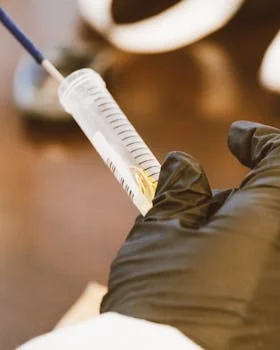
Evaluating a supplier for industrial wastewater treatment in Kuwait requires a focus on local environmental performance and the ability to provide rapid technical support. Given the harsh climate, equipment must be rated for high-ambient temperatures (up to 55°C) and corrosive atmospheres. Suppliers should demonstrate a clear understanding of how DAF systems perform in similar arid environments to ensure longevity.
A major red flag during the procurement process is a supplier’s inability to provide a KEPA-compliant discharge guarantee in writing. Without this, the financial risk of the project shifts entirely to the plant operator. verify the availability of local spare parts; a three-week delay for a specialized MBR membrane or a dosing pump can result in millions of gallons of untreated waste and immediate regulatory penalties.
| Checklist Question for Suppliers | Required Response/Evidence |
|---|---|
| Do you provide a written KEPA compliance guarantee? | Contractual clause with performance penalties. |
| What is the design TSS/COD removal rate for our specific effluent? | Lab-scale pilot data or similar case studies. |
| Are the electrical components rated for 50°C+ ambient temps? | Data sheets showing IP65/NEMA 4X ratings. |
| What is your local response time for emergency repairs? | Service Level Agreement (SLA) < 24 hours. |
| Do you provide O&M training for our local operators? | On-site training program and manual in English/Arabic. |
| What is the expected membrane/media lifespan in Kuwait? | Guaranteed lifespan (e.g., 5-7 years for MBR). |
| Can the system handle 20% shock loading? | Hydraulic and organic loading calculations. |
| Is the PLC system compatible with our existing SCADA? | Modbus/Profinet compatibility confirmation. |
| What are the sludge dewatering requirements? | Expected sludge cake dryness percentage. |
| Are there existing installations we can visit in Kuwait? | At least two local industrial references. |
Frequently Asked Questions
What are KEPA’s effluent limits for industrial wastewater in Kuwait?
As of 2025, KEPA enforces strict limits depending on the discharge point. For marine discharge in industrial zones, typical limits include TSS <30 mg/L, COD <125 mg/L, and Oil & Grease <5 mg/L. Always verify the specific executive regulations for your industrial sector.
How much does an industrial wastewater treatment plant cost in Kuwait?
CAPEX typically ranges from KWD 500 to KWD 2,000 per cubic meter of daily capacity. A 500 m³/day plant can cost between KWD 300,000 and KWD 1.5 million depending on whether the goal is basic discharge compliance or high-grade water reuse.
Which industries in Kuwait require wastewater treatment?
Any industry discharging non-domestic waste must treat it. This primarily includes oil refineries, petrochemical plants, food and beverage processors, chemical manufacturers, and commercial laundries located in industrial blocks like Sabhan or Amghara.
What is the best technology for oil & gas wastewater treatment in Kuwait?
A combination of Dissolved Air Flotation (DAF) for primary hydrocarbon removal followed by Biological treatment (like MBR) or Advanced Oxidation Processes (AOP) is considered the most reliable method for meeting KEPA’s 2025 standards.
How do I choose a wastewater treatment supplier in Kuwait?
Prioritize suppliers who offer local technical support, provide performance guarantees for KEPA compliance, and have a proven track record with high-temperature equipment design. Use the supplier checklist provided above to vet technical and commercial transparency.