What the Indonesian Color Discharge Limit Actually Is in 2026
The numeric color limit in Indonesia is 200 TCU on the Pt-Co (platinum-cobalt) scale for industrial wastewater discharged to most inland receiving streams (Class II and Class III water bodies), tightening to 100 TCU Pt-Co when the receiving water body is designated a Class I drinking-water-source basin. The legal anchor is Peraturan Pemerintah Republik Indonesia Nomor 22 Tahun 2021 tentang Penyelenggaraan Perlindungan dan Pengelolaan Lingkungan Hidup (commonly written PP No. 22 Tahun 2021), which replaced PP 82/2001 and is the controlling regulation for baku mutu air limbah (effluent quality standards). The color and related parameter table sits in Lampiran VI (Annex VI) of the regulation, alongside BOD, COD, TSS, and pH limits that define the maximum permissible load to each water-body class. The headline number is rarely stated in plain text on the regulator's site, which is why a typical compliance memo cites PP 22/2021 Lampiran VI and the Pt-Co value rather than quoting a webpage.
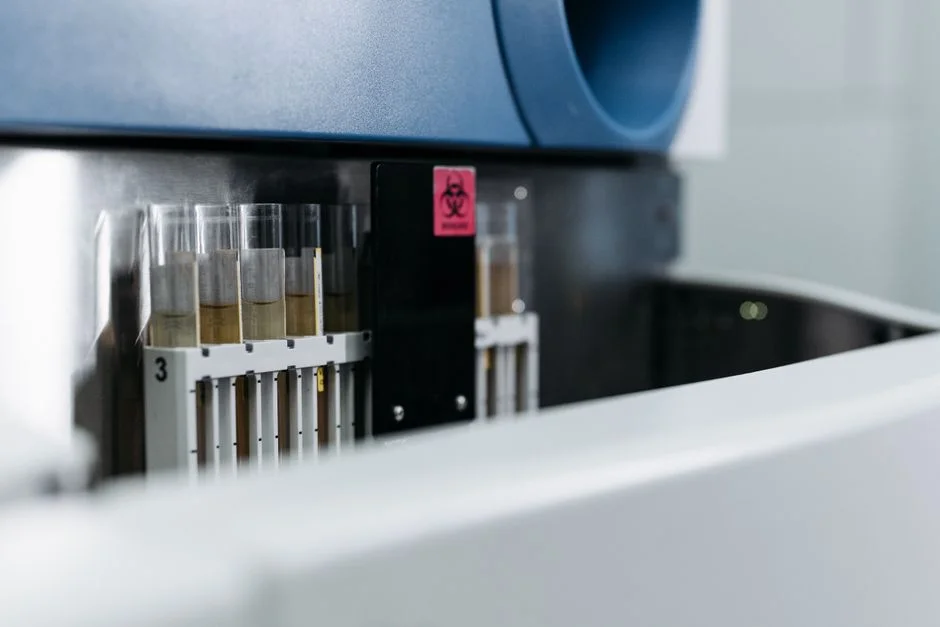
Color is quantified as TCU (True Color Units) on the Pt-Co scale, where 1 TCU equals the absorbance of a 1 mg/L solution of chloroplatinate ion, prepared from hexachloroplatinate(IV) and cobalt(II) chloride. The Indonesian national method is SNI 06-6989.24-2005, which is functionally equivalent to APHA 2120B (platinum-cobalt visual comparison or, in modern labs, spectrophotometric at 455 nm after 0.45 µm membrane filtration). True color is measured on the filtrate after removing suspended solids; apparent color is read on the unfiltered sample. The permit is enforced on the true color value, but in-plant operators typically trend both: apparent color for day-to-day control (faster, no filter step) and true color for the daily composite that the accredited lab reports.
| Receiving water class (PP 22/2021) | Designation | Color limit (Pt-Co / TCU) | Typical industry siting |
|---|---|---|---|
| Class I | Drinking water source (raw water abstraction) | 100 | Upstream catchment; rare for industrial siting |
| Class II | Aquaculture, water recreation, irrigation in restricted use | 200 | Rivers receiving textile, pulp, and tannery effluent |
| Class III | Irrigation, livestock watering | 200 | Most inland canals and small rivers on Java |
| Class IV | Land application, infiltration | 200 (effluent standard; receiving soil criteria also apply) | Land-treatment or percolation zones |
For plant managers planning discharge, the practical reading is: if the effluent outfall is upstream of a PDAM (regional water utility) intake, design to 100 TCU; for any other inland water body in Indonesia, 200 TCU is the operating ceiling. The full parameter suite in Annex VI also locks in TSS ≤ 30 mg/L, pH 6.0–9.0, and a BOD₅ of 30 mg/L (50 mg/L for certain agro-industry categories) — but color is the parameter most often failed in the textile and pulp subsectors even when the others pass cleanly. For cross-checking BOD limits against an adjacent regulatory framework, the BOD discharge limit reference for India 2026 shows a similar numeric envelope, useful when a multinational EHS team benchmarks across plants.
Which Industries in Indonesia Hit the Color Wall First
Color failures concentrate in four industrial subsectors, and the risk profile maps directly to the dye chemistry or process liquor, not to the BOD/COD load. A facility manager who recognizes their stream in the list below should treat the color limit as the binding constraint on the treatment train, not as a polishing step after biological treatment.
- Textile and dyeing (woven and knit finishing): Reactive, disperse, vat, and acid dyes generate effluent in the 1,000–3,000 TCU range before any treatment, with reactive dyes (the largest share in Bandung, Solo, and Pekalongan clusters) leaving the most recalcitrant hydrolyzed chromophore. SNI 8378 frames the sector reference and Codex-style sector guidance pushes the discharge to PP 22/2021 Annex VI at the outfall.
- Batik and digital printing: Indigo, naphthol, and azo dye baths; small and medium enterprises in Central Java frequently discharge partially treated dye-rinse water to local drains because capex for oxidation is hard to amortize on a 20–50 m³/d flow. The color reading at the drain is often 1,500 TCU even when BOD looks compliant.
- Pulp and paper: Kraft mills and recycled-fiber mills produce color from lignin-derived chromophores (coniferyl and sinapyl alcohol oxidation products) and from ink-removal wash water. The 200 TCU ceiling sits alongside the binding TSS 30 mg/L; meeting both simultaneously is the engineering challenge, not BOD.
- Palm oil mill effluent (POME): Amber-brown color from phenolic and tannin compounds. POME is generally BOD-limited (the classic 25,000 mg/L BOD₅ problem), but the residual color at the receiving stream often fails 200 TCU after the typical pond-and-decanter train. PP 22/2021 Annex VI applies across industrial categories, so POME discharged to a Class II/III water body must meet the same 200 TCU.
- Leather tanning: Combination dyes plus chrome, with the binding pair being 200 TCU color + total chromium 0.5 mg/L. A facility that solves one without the other fails the integrated standard.
Across these five subsectors, the median raw effluent color is 800–2,000 TCU and the median compliant target is 100–200 TCU — a 5× to 20× reduction that a biological stage alone cannot deliver. The treatment train must be sized to that ratio.
Why Color Is Harder to Remove Than COD or BOD
Color resists biological degradation for the same reason it resists UV and washing on a finished garment: chromophoric molecules are designed to be inert. Azo (–N=N–), anthraquinone, phthalocyanine, and indigo chromophores are stabilized by extended π-conjugation, which is exactly the structural feature that absorbs visible light and produces the Pt-Co reading. Activated-sludge microbes can cleave some bonds and reduce COD by 60–80%, but they do not mineralize the chromophore; they leave the color body intact. Field data across Indonesian textile WWTPs shows activated sludge typically removes only 20–40% of true color (HydropureWater field data, 2024–2025), even when the same plant reports BOD removal above 90%.
Color is also partially coupled to TSS, but only loosely. A 250 mg/L TSS stream carries bound dye on the floc surface; dropping TSS to 30 mg/L via sedimentation or DAF usually cuts true color by 30–50%, but the remaining dissolved chromophore is unaffected. The two are decoupled above the TSS floor: a stream with COD 80 mg/L can still read 600 TCU, which is why textile plants routinely pass the COD/BOD compliance test while failing color. This decoupling is the practical reason the Indonesian regulator added color as a standalone parameter in Lampiran VI rather than rolling it into COD.
The third engineering consequence is that the cheapest unit operations (screens, equalization, primary clarification) do essentially nothing for color. Capital has to be allocated to either chemical oxidation (Fenton or ozone) or to a membrane polish; there is no shortcut in the train.
Treatment Trains That Hit ≤100 TCU in Real Indonesian Plants
A staged train is the standard configuration in Bandung, Solo, and Pekalongan textile clusters. Three stages, each with a defined dose envelope, get a 1,500 TCU raw stream under the 200 TCU ceiling and — with one extra polish stage — under 100 TCU for Class I catchments.
Stage 1 — Coagulation/flocculation + DAF. Alum at 50–150 mg/L or polyaluminum chloride (PAC) at 30–80 mg/L, plus anionic polymer at 0.5–2 mg/L, removes colloidal dye and bound TSS. A well-tuned DAF cell drops TSS to ≤30 mg/L and cuts true color by 40–60%. Dose is pH-sensitive: alum wants 6.5–7.5, PAC tolerates 6.0–8.0. The DAF float is dewatered on a filter press; a current Indonesian filter press buyer's guide covers sizing for the resulting sludge.
Stage 2 — Fenton oxidation. Hydrogen peroxide at 200–500 mg/L with Fe²⁺ at 50–100 mg/L (molar ratio H₂O₂/Fe²⁺ = 3–5:1), pH 3.0–3.5, 30–60 min reaction. Fenton generates hydroxyl radicals that attack the azo bond and open aromatic rings; color removal is 70–90% in a single stage. Fenton is preferred for high-COD, intermittent-flow streams and where the plant already handles iron sludge. The chemistry, retention time, and sludge handling are covered in a dedicated Fenton oxidation design guide.
Stage 2 (alternative) — Ozonation. Dose 0.8–1.5 g O₃ per g of color (or 30–80 mg/L gas dose in a venturi injector with 15–30 min contact). Removal is 80–90% in textile streams, no sludge is generated, and the contactor footprint is small. Power draw is the penalty: an ozone generator consumes 8–12 kWh per kg O₃ at the cell. Cost and engineering tradeoffs are detailed in the textile ozone oxidation cost guide.
Stage 3 — Polishing. A sand or multimedia filter, or an MBR polishing stage at 0.1 µm PVDF, strips residual solids and the small fraction of color that escapes Stage 2 on soluble organic matter. This stage is what stabilizes the effluent at ≤100 TCU for Class I compliance. Reagent feed for Stages 1 and 2 is handled by a PLC-controlled chemical dosing skid to keep pH and Fe²⁺ stoichiometry inside the Fenton envelope.
| Stage | Process | Key doses | pH / RT | Color removal | Sludge? | Best fit |
|---|---|---|---|---|---|---|
| 1 | Coagulation + DAF | Alum 50–150 mg/L or PAC 30–80 mg/L; polymer 0.5–2 mg/L | 6.5–7.5 / 15–25 min | 40–60% | Yes (float) | All dye-bearing streams |
| 2a | Fenton oxidation | H₂O₂ 200–500 mg/L, Fe²⁺ 50–100 mg/L, ratio 3–5:1 | 3.0–3.5 / 30–60 min | 70–90% | Yes (iron) | High-COD, intermittent flow |
| 2b | Ozone | 0.8–1.5 g O₃/g color (30–80 mg/L) | 7–8 / 15–30 min | 80–90% | No | Tight spec, no sludge handling |
| 3 | Sand filter / MBR | — | 6.5–7.5 / continuous | Stabilizes ≤100 TCU | No / backwash | Class I outfalls |
Decision rule for the plant engineer: if the receiving water body is Class I and the existing train already has biological treatment, the gap is closed by adding Fenton or ozone Stage 2 plus a multimedia or multi-media polishing filter. If the site produces an iron-tolerant sludge stream and the flow is variable, Fenton wins on robustness. If land is constrained and the client will not accept iron sludge, ozone wins on footprint and solids handling.
Designing the Right Plant: Flow Rate, Footprint, and CapEx Reality
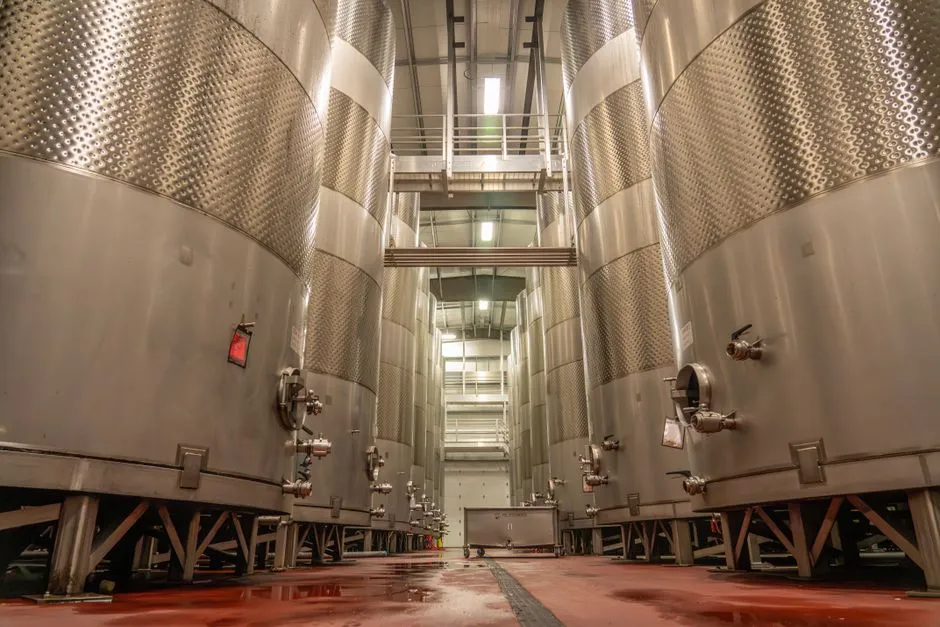
Train sizing is driven by hydraulic load and by the dose envelope of Stage 2, not by the equalization basin. Two reference cases drawn from Indonesian projects cover most of the small-to-mid textile and pulp segment.
A 200–500 m³/d dye house or batik print shop fits a skid-mounted DAF + Fenton + sand filter on a 60–80 m² covered footprint. Ex-works CapEx runs USD 80,000–180,000 depending on stainless steel selection and automation scope. Power draw is dominated by the Fenton acid dosing and the sludge pump; figure 1.2–1.8 kWh/m³ treated.
A 1,000–5,000 m³/d integrated textile mill or pulp line needs parallel DAF cells, two-stage Fenton (first stage for COD shock load, second for color polish) and either an MBR or multimedia filter. Footprint is 250–450 m². Ex-works CapEx is USD 350,000–900,000; power draw climbs to 1.5–3.0 kWh/m³ when ozone is included at 8–12 kWh/kg O₃. A DAF + ozone configuration beats a conventional activated-sludge train by roughly 50–60% in plot area, which is decisive on Java where industrial land is at a premium.
For all cases, the MBR polishing stage is the cleanest way to lock in the Class I 100 TCU target and to give the operations team a real-time turbidity proxy (NTU correlates strongly with residual Pt-Co at low color). A multi-media polishing filter is the lower-cost alternative when the train is downstream of a working biological stage and the color spec is 200 TCU, not 100.
Permits, Sampling, and Penalties Under PP 22/2021
The discharge permit (Izin Pembuangan Air Limbah) is the legal instrument that ties the 200 TCU limit to an operating plant. It is issued by the gubernur for cross-kabupaten/kota discharges and by the bupati or walikota for discharges within a single regency or city. Validity is up to five years and the permit is renewable; it specifies the outfall coordinates, the design flow, the parameter list, and the sampling cadence.
PP 22/2021 Article 274 requires an accredited independent laboratory to perform the parameter analysis at least quarterly, with flow and pH under continuous on-site monitoring that is telemetered to the regulator's provincial environmental agency (DLH). A single exceedance triggers an order to stop discharge within 48 hours; persistent violation can revoke the permit and impose administrative sanctions up to IDR 5 billion (per PP 22/2021 administrative penalty schedule). The criminal pathway sits in Undang-Undang Nomor 32 Tahun 2009 tentang Perlindungan dan Pengelolaan Lingkungan Hidup, Article 99, which authorizes imprisonment up to 10 years and a fine up to IDR 10 billion for deliberate or negligent pollution. In practice, the 48-hour stop order is the lever that closes the plant; the criminal statute is reserved for the worst cases.
Design checklist for the EHS officer preparing the permit submission: confirm the receiving water-body class on the DLH map; quote the 200 TCU (or 100 TCU) value with the Lampiran VI cite; specify SNI 06-6989.24-2005 as the test method; commit to a quarterly accredited sampling protocol plus continuous flow/pH monitoring; and document the treatment train against the dose envelopes in this article so the regulator sees a defensible design.
Frequently Asked Questions
Q1: What is the color discharge limit in Indonesia for industrial wastewater?
A: 200 TCU on the Pt-Co scale per PP 22/2021 Annex VI for discharges to most inland water bodies (Class II and Class III); 100 TCU when the receiving water body is a Class I drinking-water-source basin.
Q2: How is color measured for the Indonesian discharge permit?
A: Pt-Co / TCU on a filtered (true color) sample, per SNI 06-6989.24-2005, which is functionally equivalent to APHA 2120B. Modern labs use spectrophotometric measurement at 455 nm; visual comparison against standards is still accepted for low-color samples.
Q3: Can I meet the color limit with biological treatment alone?
A: Rarely. Activated sludge typically cuts true color 20–40%; meeting ≤200 TCU from a 1,000+ TCU raw stream almost always requires a coagulation/DAF stage plus Fenton or ozone oxidation, and ≤100 TCU requires a polishing filter or MBR.
Q4: What is the fine for exceeding Indonesia's color limit?
A: Up to IDR 5 billion in administrative sanctions under PP 22/2021, and up to 10 years' imprisonment plus a fine up to IDR 10 billion under UU 32/2009 Article 99. A single exceedance also triggers a 48-hour stop-discharge order, which is operationally the most immediate consequence.
Q5: Does the 200 TCU limit apply to POME or palm oil mill effluent?
A: Yes. PP 22/2021 Annex VI applies across industrial categories, so POME discharged to a Class II or Class III water body must meet 200 TCU after treatment, alongside BOD 100 mg/L and the other annex parameters. The pond-and-decanter train typical of POME frequently fails color at the receiving stream even when BOD is in spec.