What Counts as a True API Wastewater Treatment Plant Manufacturer
A genuine pharmaceutical API wastewater treatment plant manufacturer owns the fabrication floor — SS/SS304 reactor vessels, anaerobic digester shells, membrane housings, RO skids, and filter press frames — and carries certified welding credentials (ASME U & R, PED) verifiable on audit. The top-ranked B2B directory pattern (Made-in-China) lists suppliers that publish only a "plant area" badge and an "employee count" figure with no process flow diagram, no mass balance, and no reference plant — that profile is a trading company relabeling containerized STP units, not an engineered manufacturer. The second-ranked page (WTE Infra, 2026) publishes ASME U & R stamps, 5,500+ executed projects across 40+ countries, and a process overview from raw water through RO/UV/ozone — the documentation depth a serious buyer should demand. Insist on three artifacts before any RFQ response is read: workshop photos showing in-house welding and skid assembly, a signed mass-balance diagram sized to your influent numbers, and at least two visit-able API reference plants. A vendor that cannot produce all three is selling equipment, not engineered treatment.
API Wastewater Influent Characteristics: Why Generic Designs Fail
API fermentation effluent is not "industrial wastewater" in the generic sense — it is a high-strength, biologically inhibitory stream with extreme batch variability. Typical inlet parameters are COD 8,000–25,000 mg/L, BOD₅ 4,000–12,000 mg/L, TSS 2,000–10,000 mg/L, total nitrogen 200–1,500 mg/L, sulfate 500–3,000 mg/L, pH 4–9, and temperature 30–45 °C (HydropureWater field data, 2026). Antibiotic fermentation discharges in surges that swing COD by 40–60% within hours, so equalization tanks must buffer at least 24 hours of peak flow — anything less and the downstream UASB or MBR will be hit with shock loads that wash out biomass. The residue load is the part most generic designs miss: residual erythromycin, amoxicillin, ciprofloxacin, solvents (methanol, acetone, DMF), and synthesis intermediates are recalcitrant and inhibit nitrification and methanogens at low mg/L concentrations. Against a global backdrop where roughly 80% of the world's wastewater is still discharged untreated (WTE Infra 2026 reference), a serious manufacturer must demonstrate that its design basis explicitly handles this residue load, not just carbon and nitrogen.
| Parameter | Typical API Fermentation Effluent Range | Design Implication |
|---|---|---|
| COD | 8,000–25,000 mg/L | Requires anaerobic pre-treatment ahead of any aerobic step |
| BOD₅ | 4,000–12,000 mg/L | BOD/COD ≈ 0.4–0.5; moderate biodegradability |
| TSS | 2,000–10,000 mg/L | DAF or primary clarifier needed upstream of biology |
| Total Nitrogen | 200–1,500 mg/L | Drives MBR HRT and C:N ratio design |
| Sulfate | 500–3,000 mg/L | Risk of H₂S in anaerobic reactor; vent gas treatment needed |
| pH | 4–9 | NaOH/H₂SO₄ dosing in equalization mandatory |
| Temperature | 30–45 °C | Mesophilic UASB operating range; favors anaerobic step |
| API residues | Variable, 0.1–50 mg/L individual | Polishing (RO / ozone / Fenton) required to meet discharge |
The Standard API Wastewater Process Train: Unit Operations Explained
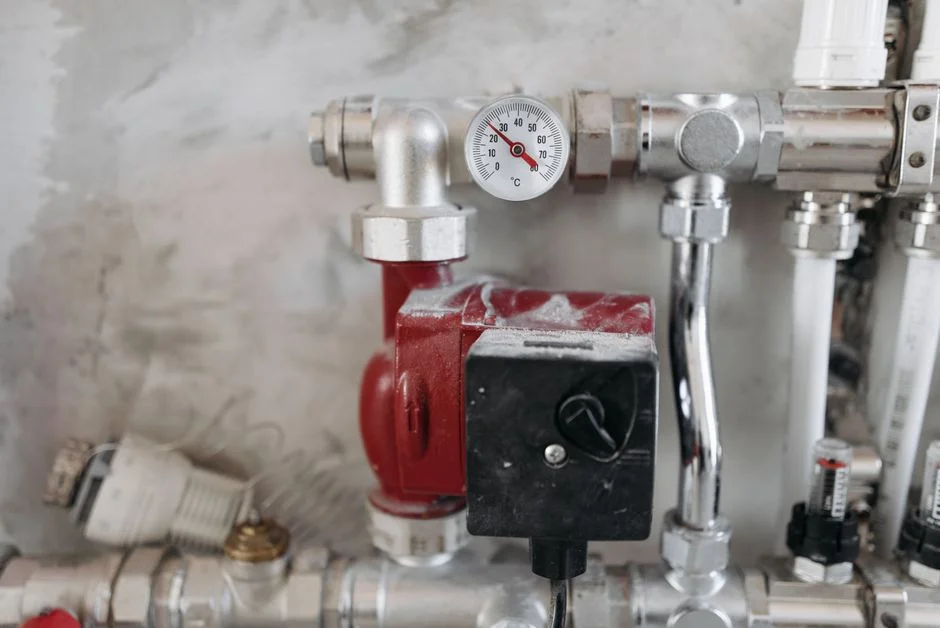
The defensible process train for an API plant runs in six stages, each with a non-negotiable purpose. Stage 1 — Equalization and pH adjustment: a 24-hour buffer tank sized at roughly 1.5× daily flow, with NaOH/H₂SO₄ dosing on a PLC-controlled chemical dosing skid and temperature trim cooling where summer influent exceeds 40 °C. Stage 2 — Physicochemical pre-treatment: a DAF pre-treatment unit removes suspended solids, oil/grease, and biomass; DAF routinely achieves 92–97% TSS removal across the HydropureWater DAF range (4–300 m³/h, 13 models). Stage 3 — Anaerobic / hydrolytic acidification: a UASB or IC reactor digests the high-COD broth with 60–80% COD reduction and a biogas yield of 0.3–0.5 m³ per kg COD removed, with the captured biogas typically offsetting 20–30% of plant aeration energy per the aeration energy cost optimization guide. Stage 4 — MBR biological polishing: a submerged PVDF MBR biological polishing system with <1 μm pore size delivers effluent SS <5 mg/L at roughly 60% smaller footprint than conventional activated sludge (per MBR product spec), and is the workhorse for residual COD and ammonia reduction. Stage 5 — RO and advanced oxidation: an RO polishing and reuse system runs at up to 95% recovery, with ozone or Fenton ahead of the membranes to destroy recalcitrant APIs that survive biology. Stage 6 — Sludge dewatering: a plate and frame filter press handles the high biological yield; filtration areas 1–500 m² cover the typical API sludge throughput. Any vendor proposal that skips Stage 3 or collapses Stages 4 and 5 into a single aerobic tank should be rejected on technical grounds. For the closed-loop reuse case, the antibiotic fermentation wastewater recycling guide documents how RO permeate is returned to the cooling tower and CIP loop.
| Stage | Unit Operation | Primary Purpose | Typical Performance |
|---|---|---|---|
| 1 | Equalization + pH correction | Buffer surges, stabilize feed | 24-h retention, pH 6.5–7.5 |
| 2 | DAF pre-treatment | Remove TSS, oil/grease, biomass | 92–97% TSS removal |
| 3 | UASB / IC anaerobic | Digest high-COD broth, generate biogas | 60–80% COD reduction; 0.3–0.5 m³ biogas/kg COD |
| 4 | MBR (submerged PVDF) | Polish COD/NH₃-N, retain biomass | Effluent SS <5 mg/L; ~60% smaller footprint vs CAS |
| 5 | RO + ozone / Fenton | Reject salts, destroy residual APIs | Up to 95% RO recovery; API log-removal >2.5 |
| 6 | Plate and frame filter press | Dewater biological sludge | Cake dryness 25–35% |
2026 Compliance Targets: COD, BOD, and Antibiotic Residue Limits
No top-3 SERP result publishes a consolidated API discharge limit table, which is why vendor proposals so often drift off the design basis. For India, CPCB pharma-sector limits are COD <250 mg/L, BOD <30 mg/L, TSS <100 mg/L, with antibiotic residue reporting tightened across the 2024–2026 revisions. For China, GB 21904 (chemical synthesis APIs) and GB 21906 (fermentation products) set COD <120 mg/L and BOD <20 mg/L for fermentation products, with residual antibiotics monitored case-by-case by the local environmental authority. For the US, EPA 40 CFR 439 distinguishes "zero discharge" categories (some fermentation APIs) from conventional pollutant limits for synthesis APIs, and is the benchmark most EPCs reference when a US-headquartered client signs off. Any vendor that quotes a single "pharma limit" without naming the regulation it is targeting is hand-waving the design basis.
| Region / Standard | COD | BOD | TSS | Antibiotic Residue Reporting |
|---|---|---|---|---|
| India CPCB (pharma sector) | <250 mg/L | <30 mg/L | <100 mg/L | Required; tightened 2024–2026 |
| China GB 21904 / 21906 (fermentation) | <120 mg/L | <20 mg/L | <50 mg/L | Case-by-case monitoring |
| US EPA 40 CFR 439 (fermentation APIs) | Zero discharge / case-by-case | Conventional pollutants | Conventional pollutants | Zero discharge for some categories |
| US EPA 40 CFR 439 (synthesis APIs) | Conventional pollutants | Conventional pollutants | Conventional pollutants | Reported by mass balance |
Manufacturer Evaluation Matrix: 6 Criteria That Actually Matter
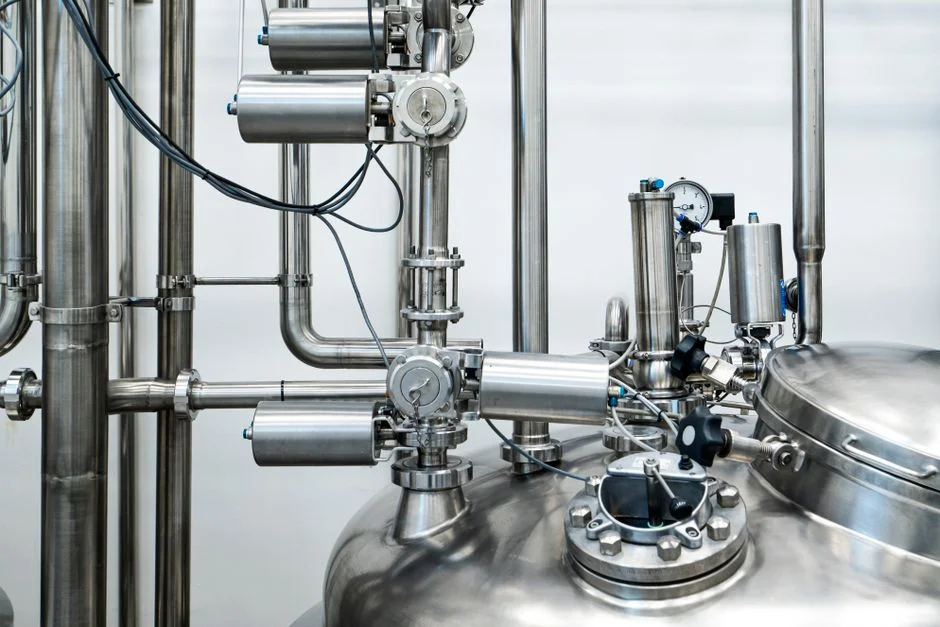
Score each shortlisted vendor against these six criteria; anything below a 4/5 on criterion 1 or 2 is a hard reject. (1) Fabrication depth — workshop photos, ASME U & R or PED certificates, and welding procedure spec sheets, not brochures. (2) Process engineering — a mass-balance diagram drawn against the buyer's actual influent, not a generic one-pager. (3) Membrane and RO sourcing — named OEM elements (Toray, DuPont, Veolia) rather than private-label. (4) API removal data — published removal rates for erythromycin, ciprofloxacin, amoxicillin, not a generic "antibiotics removed" line. (5) Reference projects — at least two running API plants, ideally visit-able, or verifiable client references with contact names. (6) Commissioning and after-sales — on-site commissioning engineers, operator training, and a minimum 24-month warranty on the membrane and instrument train. The market context, per the MBR market growth outlook, is that membrane capacity is no longer the bottleneck — vendor depth is.
| Criterion | What to Ask For | Weight | Hard Reject if Missing |
|---|---|---|---|
| 1. Fabrication depth | Workshop photos, ASME U & R / PED certs | 20% | No in-house welding evidence |
| 2. Process engineering | Custom mass balance for your influent | 25% | Generic one-pager only |
| 3. Membrane & RO OEM | Toray / DuPont / Veolia named | 15% | Private-label only |
| 4. API removal data | Compound-specific removal rates | 15% | No compound-level data |
| 5. Reference projects | 2+ visit-able API plants | 15% | No API references |
| 6. Commissioning & warranty | On-site commissioning, 24-mo warranty | 10% | No warranty commitment |
2026 CAPEX and OPEX Benchmarks for an API Wastewater Plant
Total installed CAPEX for an API effluent treatment plant runs $250–$900 per m³/day of capacity in 2026, with the upper end driven by ZLD scope, full instrumentation, and ASME-stamped vessels (HydropureWater field data, 2026). The spend splits roughly: UASB or IC reactor ~20%, MBR skid ~25%, RO system ~20%, civil works and tanks ~25%, and instrumentation and automation ~10%. OPEX lands at $0.08–$0.22 per m³ of treated wastewater, dominated by aeration energy and periodic membrane replacement. The single largest cost lever is process choice, not vendor choice: putting a UASB ahead of the MBR cuts aeration OPEX by 40–60% compared to a fully aerobic design, because the anaerobic stage removes 60–80% of the COD before any air is blown. For ZLD scope (evaporator + crystallizer), add $400–$700 per m³/day to the CAPEX line and budget 12–18 months for thermal commissioning.
| Plant Capacity (m³/day) | CAPEX Range (2026, USD) | Scope |
|---|---|---|
| 100 | $25,000–$90,000 | EQ + DAF + UASB + MBR, no ZLD |
| 500 | $125,000–$450,000 | Full train + RO polishing |
| 1,000 | $250,000–$900,000 | Full train + RO + reuse loop |
| 2,000+ | $500,000–$1,800,000 | Full train + ZLD (evaporator/crystallizer) |
Frequently Asked Questions
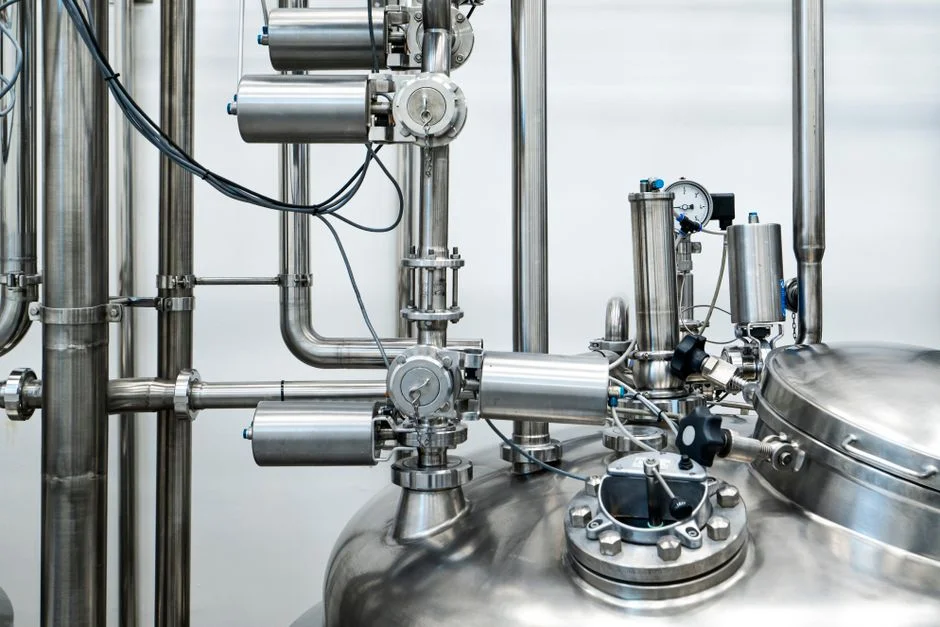
What does an API wastewater treatment plant actually do? It treats high-strength fermentation and synthesis effluent through a multi-stage train — equalization, DAF pre-treatment, anaerobic (UASB/IC), MBR biological polishing, and RO or advanced oxidation — to bring influent COD of 8,000–25,000 mg/L below discharge limits (typically <250 mg/L COD) while destroying residual active pharmaceutical ingredients.
How do I choose between UASB, MBR, SBR, and RO for an API plant? Use UASB (or IC) as the high-COD digester when influent COD exceeds 6,000 mg/L; follow with MBR for nitrogen and residual COD polishing; add RO only when reuse or stringent discharge limits apply. SBR is workable below 3,000 mg/L COD but is rarely the right primary biology for fermentation API streams.
How much does an API wastewater treatment plant cost in 2026? $250–$900 per m³/day of installed capacity, so a 500 m³/day plant lands between $125,000 and $450,000 for a non-ZLD scope, and roughly doubles with evaporator and crystallizer for zero liquid discharge.
How are antibiotic residues removed? MBR alone typically achieves 1–2 log removal for compounds like erythromycin and ciprofloxacin; pairing MBR with ozone or Fenton plus RO reaches 2.5–4 log removal, which is what pharma discharge permits and reuse loops require.
What is the difference between a manufacturer and a trading company in this market? A manufacturer owns the fabrication floor (ASME U & R welding, in-house skid assembly, named-OEM membranes, and visit-able reference plants); a trading company relabels containerized STP units and cannot produce a custom mass balance or a verifiable API reference list.