Thailand's Lead Discharge Limit: The 0.2 mg/L Standard Explained
The enforceable lead discharge limit in Thailand is 0.2 mg/L for industrial effluents under the Pollution Control Department's (PCD) Industrial Effluent Standards, governed by the Enhancement and Conservation of National Environmental Quality Act B.E. 2535 (1992) and Ministry of Industry notifications. Factories inside Industrial Estate Authority of Thailand (IEAT) zones must also meet 0.2 mg/L. Compliance is verified through 24-hour composite sampling, with non-compliance triggering stepwise penalties from warnings to plant shutdown.
The 0.2 mg/L ceiling applies to total lead across all industrial categories regulated under the PCD framework, with the underlying instrument being the Notification of the Ministry of Science, Technology and Environment No. 4 (B.E. 2539 / 1996) on Industrial Effluent Standards — still the operative standard as of 2026, amended periodically for sector-specific tightening. The 1992 Enhancement and Conservation of National Environmental Quality Act remains the primary umbrella statute; any wastewater discharge exceeding PCD standards is a statutory violation under Sections 75 and 96, carrying both administrative and criminal exposure.
Factories inside the 65+ IEAT industrial estates (Map Ta Phut, Bangpoo, Lat Krabang, Rojana, Hi-Tech Kabinburi) face the same 0.2 mg/L ceiling, enforced at the estate's central wastewater treatment plant (WWTP) discharge point per IEAT Operating Regulations B.E. 2559 (2016) and subsequent amendments. Sector-specific tighter values exist for electroplating, lead-acid battery manufacturing, and electronics — typically 0.1–0.2 mg/L Pb depending on provincial order. Engineers sometimes encounter a 0.5 mg/L figure in legacy 1996 documentation; that value applied to a narrower set of categories and has been superseded for most industrial sub-sectors under subsequent PCD notifications.
Who Enforces the Limit: PCD, IEAT, and the Ministry of Industry
Three agencies share enforcement authority, and a Thai factory typically answers to all three. The Pollution Control Department (PCD), under the Ministry of Natural Resources and Environment, sets national effluent quality standards, maintains the central monitoring database, and publishes annual ambient and effluent water quality reports — the 2024 PCD State of Pollution report (published 2025) remains the most recent authoritative reference.
The Industrial Estate Authority of Thailand (IEAT), under the Ministry of Industry, sets tighter rules inside its industrial estates and operates the central WWTPs that receive tenant discharge. Any factory discharging lead-bearing wastewater into an IEAT estate system must sign a wastewater discharge contract specifying the 0.2 mg/L Pb limit and per-load surcharges for non-compliance — typically 200–500 THB per kilogram of Pb above the cap (HydropureWater field data, 2025).
The Ministry of Industry, through the Department of Industrial Works (DIW), issues factory operating permits (ใบอนุญาตประกอบกิจการโรงงาน) and handles permit amendments when a factory adds a lead-using process line. Local Provincial Offices of Natural Resources and Environment (สำนักงานทรัพยากรธรรมชาติและสิ่งแวดล้อมจังหวัด) conduct on-site sampling, often unannounced, and have authority to issue field citations. For a metal-finishing or battery plant, a single day can bring an inspector from PCD, IEAT, DIW, and the provincial office — all with overlapping jurisdiction.
Lead Limits by Industry Sector: Electroplating, Battery, Electronics, Smelting
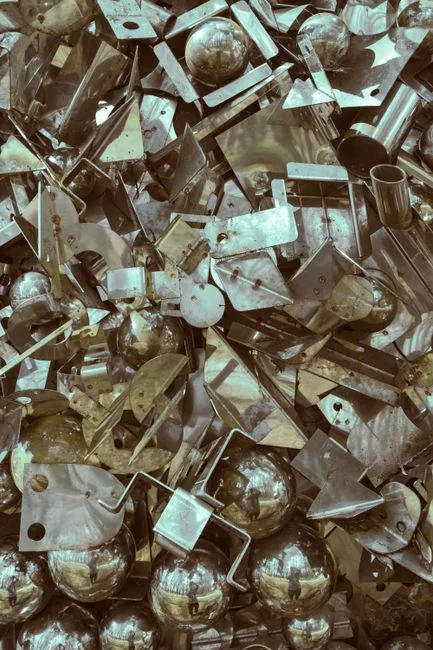
The PCD 0.2 mg/L headline number hides meaningful sector-by-sector variation. Electroplating and metal-finishing shops typically discharge rinse waters at 5–50 mg/L Pb, and must hit 0.2 mg/L under the PCD base standard, while simultaneously capping Zn, Cu, Ni, and total Cr — the combined-metal load is often the binding constraint, not lead alone. A well-run hydroxide precipitation train at pH 9.0–9.5 typically removes 95–99% of influent Pb in this segment (HydropureWater field data, 2026).
Lead-acid battery manufacturing (formation, plate-pasting, and assembly rinse waters) generates high-Pb streams at 10–100 mg/L, with intermittent spikes during paste-mixing cleanup. PCD sector standards apply, but several provincial orders — notably in Samut Prakan and Rayong — push the target to 0.1 mg/L Pb. Electronics and PCB manufacturers face the 0.2 mg/L base, but multinational buyer codes (Sony Green Partner, HP General Specification for the Environment, Apple Regulated Substances Specification) routinely impose internal targets of <0.1 mg/L Pb in final effluent, which effectively sets the design floor regardless of local statute.
Primary lead and zinc smelters, plus secondary smelters processing scrap batteries, generate the strongest lead streams (20–200 mg/L Pb) and face the tightest scrutiny. New facilities are designed to 0.2 mg/L from day one; the 0.5 mg/L figure occasionally cited for mining and smelting sector tables reflects pre-2010 legacy permits and is no longer the design basis. Industrial estates typically impose a single 0.2 mg/L ceiling applied at the central WWTP discharge point, regardless of tenant sub-sector — meaning the tenant's pretreatment must be tighter than 0.2 mg/L to stay below the cap after dilution and blending at the estate outfall.
| Sector | Typical Influent Pb (mg/L) | PCD Effluent Ceiling (mg/L) | Common Provincial / Buyer Target (mg/L) |
|---|---|---|---|
| Electroplating / metal finishing | 5–50 | 0.2 | 0.1 |
| Lead-acid battery manufacturing | 10–100 | 0.2 | 0.1 (Samut Prakan, Rayong orders) |
| Electronics / PCB | 1–20 | 0.2 | <0.1 (multinational buyer code) |
| Lead / zinc smelting, mining | 20–200 | 0.2 (new); 0.5 (legacy permits only) | 0.1–0.2 |
| Industrial estate central WWTP | Blended tenant discharge | 0.2 (single cap) | — |
How Compliance Is Measured: Sampling, Monitoring, and Penalties
The standard compliance check is a 24-hour composite sample collected by an automatic sampler at the final discharge point, with the analysis performed by a laboratory accredited by the Thailand Industrial Standards Institute (TISI) or by an APAC-equivalent body. Grab samples are reserved for spot enforcement and screening — a single elevated grab is not by itself a violation, but it triggers a resampled composite within 72 hours. The analytical method is ICP-OES or ICP-MS per standard methods, with a method detection limit of approximately 0.01 mg/L Pb; any reported value above 0.2 mg/L is a presumptive exceedance pending reanalysis (per PCD Standard Methods for Examination of Wastewater, 2024 edition).
Self-monitoring frequency depends on facility size and effluent volume. Most permitted factories submit quarterly monitoring reports; categories with high metal loads (electroplating >100 m³/d, battery manufacturing, smelting) are required to install online effluent monitoring for pH, TSS, COD, and total heavy metals, with data telemetered to the PCD regional office. Some IEAT estates additionally require tenant online Pb analyzers at the discharge manhole, with a 4-hour averaging window for compliance assessment.
Penalties escalate in three steps under the 1992 Act. A first exceedance triggers a written warning and a 30-day cure period during which the facility must submit a corrective action plan. A second confirmed violation within 12 months carries an administrative fine of 10,000–500,000 THB depending on severity and effluent volume. A third violation, or any single exceedance more than 5× the standard (i.e. >1.0 mg/L Pb), triggers a factory shutdown order under Section 96 of the 1992 Act, with permit revocation by DIW — and the operator becomes liable for cleanup costs and third-party damages. A useful reference for the suspended-solids side of compliance is the suspended solids removal engineering guide.
Treatment Technologies That Hit 0.2 mg/L: A 2026 Comparison
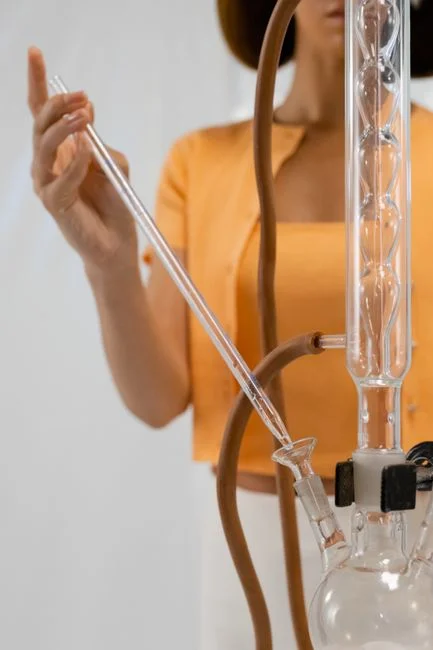
Selection hinges on influent strength, target residual, and the volume of sludge your site can handle. Chemical precipitation with NaOH or Ca(OH)₂ at pH 8.5–9.5 is the baseline workhorse: it removes Pb to 0.1–0.5 mg/L from influents up to 50 mg/L, has the lowest CAPEX, but generates 5–10 kg of dry metal hydroxide sludge per kilogram of Pb removed. Co-precipitation with FeCl₃ or Al₂(SO₄)₃ as a coagulant drives the residual to 0.1–0.2 mg/L and pairs naturally with a DAF system for lead-bearing wastewater pre-treatment or a lamella clarifier for lead sludge separation for solids separation. PLC-controlled pH and coagulant dosing for lead precipitation is now standard at any Thai site that has been cited for metal variability.
Ion exchange with a strong-acid cation resin polishes effluent to <0.05 mg/L Pb, ideal as a final step at flow rates below 50 m³/h where the plant needs a consistent sub-0.1 mg/L internal target. The trade-off is OPEX: resin regeneration with HCl and NaOH adds 15–25 THB per cubic meter treated, and exhausted brine becomes a secondary waste stream. Membrane bioreactor followed by reverse osmosis handles mixed-metal streams with high TDS — an MBR system for mixed-metal wastewater polishing followed by RO polishing for sub-0.1 mg/L lead targets achieves <0.01 mg/L Pb with two-pass RO. CAPEX is 3–5× a precipitation-only train, but sludge volume drops by ~80%. Electrowinning and electrocoagulation remain niche options for high-strength (>100 mg/L) streams where the plant wants to recover metallic Pb and eliminate sludge disposal; capex is high and power consumption is 2–4 kWh per cubic meter, but the recovered Pb has resale value and avoids landfill liability. A practical cost reference is the DAF system cost and sizing guide.
| Technology | Influent Pb Range (mg/L) | Achievable Effluent Pb (mg/L) | CAPEX Band | OPEX Band (THB/m³) | Sludge / Waste |
|---|---|---|---|---|---|
| Chemical precipitation (NaOH / Ca(OH)₂) | 1–50 | 0.1–0.5 | Low | 5–15 | High (5–10 kg dry / kg Pb) |
| Co-precipitation + DAF / lamella | 1–100 | 0.1–0.2 | Low–Medium | 8–20 | Medium–High |
| Ion exchange (cation resin) | <5 (polishing) | <0.05 | Medium | 15–25 | Brine regeneration waste |
| MBR + 2-pass RO | 1–50 (mixed metals) | <0.01 | High | 20–40 | Low (concentrate stream) |
| Electrowinning / electrocoagulation | 50–500+ | 0.05–0.2 | High | 10–30 + power | Recovered metallic Pb |
How Thailand's Limit Compares to Neighboring Countries
Thailand's 0.2 mg/L ceiling sits at the tighter end of the regional compliance landscape and matches the EU IED BAT-AEL upper bound for non-ferrous metals. Vietnam's QCVN 40:2009/2014 industrial effluent standard sets Pb at 0.5 mg/L for Class B (industrial discharge to non-sensitive receiving waters) and 0.1 mg/L for Class A (discharge to sensitive areas or near water supply intakes) — Vietnamese plants in export-oriented industrial zones typically target 0.1 mg/L to meet buyer codes regardless of statutory class. China's GB 25466-2010 sets 0.5 mg/L for the lead-zinc mining and smelting sector, and GB 8978-1996 (general integrated wastewater discharge) sets 1.0 mg/L — both looser than Thailand for the same activity.
By contrast, the US EPA Metal Finishing categorical standard under 40 CFR 433 sets 0.69 mg/L Pb as a monthly average and 1.61 mg/L as a daily maximum — significantly more lenient than PCD limits, reflecting the US framework's use of categorical pretreatment standards enforced through POTW programs rather than end-of-pipe national limits. The EU IED BAT-AEL range of 0.05–0.2 mg/L Pb for non-ferrous metals makes the Thai 0.2 mg/L figure equivalent to the upper EU benchmark, which is useful context when presenting to a global EHS auditor. A broader reference is the global lead discharge standard 2026 comparison guide.
| Jurisdiction | Standard / Reference | Pb Effluent Limit (mg/L) | Notes |
|---|---|---|---|
| Thailand | PCD Industrial Effluent (1996, in force 2026) | 0.2 | 24-hr composite; nationwide |
| Vietnam | QCVN 40:2009/2014 | 0.5 (Class B) / 0.1 (Class A) | Class A for sensitive receiving waters |
| China (mining / smelting) | GB 25466-2010 | 0.5 | Sector-specific |
| China (general integrated) | GB 8978-1996 | 1.0 | First-class discharge |
| USA | 40 CFR 433 (Metal Finishing) | 0.69 monthly avg / 1.61 daily max | Categorical pretreatment |
| EU | IED BAT-AEL (non-ferrous metals) | 0.05–0.2 | BAT-associated emission level |
Implementation Checklist for Thai Facilities in 2026
Five steps move a Thai metal-finishing, battery, or electronics plant from current operation to documented compliance. Step 1 — Map lead streams: audit every rinse bath, dump rinse, and floor-cleanup flow, and quantify weekly influent Pb mass loading (kg Pb / week) at each discharge point. Step 2 — Confirm the applicable limit: 0.2 mg/L base under PCD, tighter 0.1 mg/L if a provincial order or IEAT estate rule applies, and sub-0.1 mg/L if a buyer code is in force. Step 3 — Select the treatment train: precipitation + lamella/DAF for the 0.2 mg/L target, with ion exchange or RO polishing added for sub-0.1 mg/L internal targets. Step 4 — Install monitoring: automatic 24-hour composite sampler and online TSS / pH meter at the discharge manhole, with data retention for 36 months per PCD recordkeeping rules. Step 5 — Validate compliance: collect three consecutive compliant monthly composite samples under normal operating conditions before resuming routine reporting, and archive the lab certificates in the PCD e-reporting portal.
Frequently Asked Questions
What is the exact enforceable lead discharge limit in Thailand for industrial effluent? The PCD-enforced ceiling is 0.2 mg/L total Pb for industrial wastewater, measured as a 24-hour composite sample, under the 1996 Industrial Effluent Standard as in force in 2026.
Do factories inside IEAT industrial estates face a different lead limit? No — IEAT estates apply the same 0.2 mg/L ceiling at the central WWTP discharge point, but require tenant pretreatment tighter than the cap to allow for blending and dilution losses.
What is the penalty for exceeding Thailand's lead discharge limit? Penalties escalate under the 1992 Act: written warning on first violation, 10,000–500,000 THB administrative fine on second, and factory shutdown order under Section 96 on third or severe violations.
Which treatment technology reliably achieves 0.2 mg/L Pb from typical industrial influents? Hydroxide precipitation at pH 8.5–9.5 followed by a lamella clarifier or DAF typically hits 0.1–0.2 mg/L from influents up to 50 mg/L, with ion exchange or RO polishing added for sub-0.1 mg/L targets — a broader treatment overview is in the global lead discharge standard 2026 comparison guide.