Why Antofagasta Hospital Effluent Demands a Dedicated Treatment Train
Antofagasta receives less than 2 mm of rainfall per year, yet the city discharges municipal and hospital effluent into coastal waters of the Atacama Desert that see almost no dilution flow. In this context, hospital wastewater treatment in Antofagasta is not a copy of Santiago municipal practice — it is a water-reuse problem first and a compliance problem second. Potable water tariffs in the region exceed US$4/m³ (Aguas Antofagasta tariff schedule, 2025), so every cubic metre of treated effluent reused on site is a direct operational saving.
Hospital effluent carries pharmaceutical residues, iodinated X-ray contrast media, residual disinfectants, antibiotic-resistant bacteria, and trace radioisotopes that are absent from domestic sewage. Khan et al. (2022) confirm that hospital wastewater differs fundamentally from municipal wastewater in pollutant profile, with extended-aeration activated sludge removing 91.95% TSS and 97.52% BOD under controlled conditions. A Springer 2024 study reported a BOD₅:COD ratio of 0.77 in hospital influent — well within the biodegradable range, which means biological treatment is technically justified as the core stage before polishing and disinfection.
Chilean Regulatory Framework: D.S. 90/2000 and Hospital Discharge Limits
Decreto Supremo 90/2000 MINSEGPRES — the Norma de Emisión para la Regulación de Contaminantes Asociados a las Descargas de Residuos Líquidos a Aguas Marinas y Continentales Superficiales — sets the numerical envelope for any hospital discharging in Chile. For discharge to sewer, the headline limits are BOD₅ ≤ 35 mg/L, TSS ≤ 80 mg/L, oil & grease ≤ 20 mg/L, pH 6.0–8.5, and fecal coliform ≤ 1,000 NMP/100 mL (D.S. 90/2000, Tabla 1). Direct discharge to a water body tightens the envelope further and pushes pathogen reduction toward 99.9% (≤ 1 NMP/100 mL equivalent for some receiving waters).
Permit oversight sits with SEREMI de Salud Antofagasta for sanitary approval and, for hospitals above 250 beds, with the Servicio de Evaluación Ambiental through a Resolución de Calificación Ambiental (RCA). As of 2026, D.S. 90/2000 remains the operative standard; the recent update process (Reglamento de Residuos Líquidos) is still in public consultation and should be verified against current SEREMI guidance before tender (HydropureWater field data, 2026).
| Parameter | D.S. 90/2000 discharge to sewer | Direct discharge to water body |
|---|---|---|
| BOD₅ | ≤ 35 mg/L | ≤ 35 mg/L (lower in practice) |
| TSS | ≤ 80 mg/L | ≤ 50 mg/L typical |
| Oil & grease | ≤ 20 mg/L | ≤ 10 mg/L |
| Fecal coliform | ≤ 1,000 NMP/100 mL | ≤ 1,000 NMP/100 mL (stricter per body) |
| pH | 6.0–8.5 | 6.0–8.5 |
Antofagasta Hospital Influent Characterization: What Enters the Plant
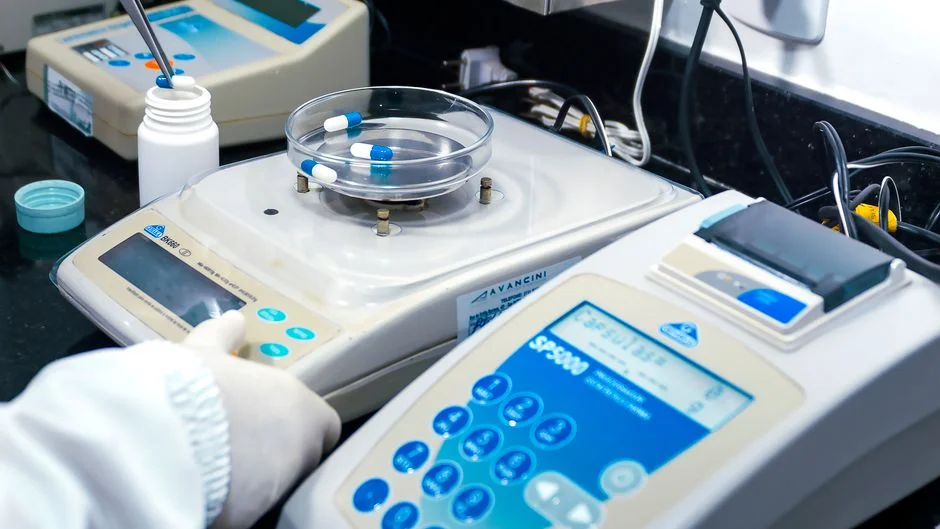
Design basis matters more than vendor brochures. The Springer 2024 hospital wastewater study reports untreated BOD₅ of 192 ± 8.62 mg/L and COD of 245 ± 9.15 mg/L, and these numbers sit in the middle of the typical Antofagasta hospital range. For a 200-bed public hospital in northern Chile, expect a hydraulic flow of 80–120 m³/day at 400–600 L/bed/day, with sharp diurnal peaks tied to surgery, laundry, and meal cycles.
Influent temperature in the coastal-desert climate runs 18–28 °C year-round — ideal for mesophilic biology without reactor heating. pH stays inside 6.5–8.5 in well-operated facilities, but iodinated contrast media from radiology suites can transiently depress pH below 6.0, which is why an equalization basin with pH correction is non-negotiable. Pharmaceutical and contrast-agent residues are not removed to any meaningful degree by primary settling; they require an extended sludge age biological stage (SRT ≥ 20 days) followed by oxidation or advanced oxidation for partial trace removal (per Khan et al., 2022).
| Parameter | Typical Antofagasta hospital range | Springer 2024 measured value | Design basis (200-bed) |
|---|---|---|---|
| BOD₅ | 150–300 mg/L | 192 ± 8.62 mg/L | 220 mg/L |
| COD | 250–600 mg/L | 245 ± 9.15 mg/L | 400 mg/L |
| TSS | 100–350 mg/L | — | 200 mg/L |
| NH₃-N | 20–60 mg/L | — | 40 mg/L |
| Fecal coliform | 10⁶–10⁸ NMP/100 mL | — | 10⁷ NMP/100 mL |
| Temperature | 18–28 °C | 30 °C (lab) | 22 °C |
| pH | 6.5–8.5 | 8.0 (optimal) | 7.0–7.5 |
Pretreatment and Equalization: The Non-Negotiable First Stage
Most Antofagasta hospital projects that fail at commissioning fail at the upstream end. Diurnal flow peaks of 2–3× average are normal — a 200-bed hospital can swing from 3 m³/h overnight to 11 m³/h during morning shift change. Equalization must therefore be sized for 8–12 hours of peak flow, with the practical volume calculated as Q_avg × 0.5 × HRT (hours).
A GX series rotary bar screen at 6 mm clear opening followed by grit removal is the minimum pretreatment envelope; for hospitals with on-site kitchens, add a grease trap ahead of the EQ basin. In northern Chile, the basin must be covered to cut evaporative loss and prevent photosynthetic growth in the high-UV Atacama sunlight. Submerged mixers at 4–6 W/m³ keep solids in suspension without aerating the basin, which keeps downstream biological loading stable. From here, effluent is pumped at controlled rate to the biological stage.
Biological Treatment: MBR vs Activated Sludge vs SBR for Antofagasta Hospitals
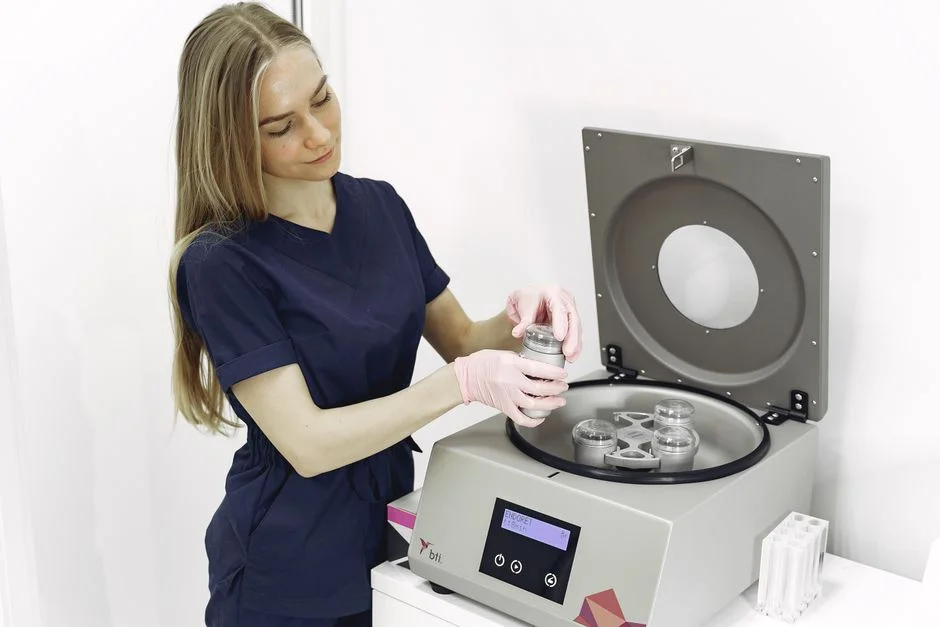
The biological core is the single largest CAPEX line and the decision that drives the rest of the train. Three configurations are realistic for hospital duty in northern Chile: conventional activated sludge (CAS) with extended aeration, sequencing batch reactor (SBR), and membrane bioreactor (MBR).
MBR delivers the best reuse-grade effluent. A submerged MBR with DF series flat sheet membrane modules produces TSS consistently below 5 mg/L and BOD below 10 mg/L — quality suitable for direct reuse in toilet flushing, landscape irrigation, or cooling-tower makeup without tertiary filtration. MBR also cuts the biological footprint by roughly 60% versus CAS at the same loading (HydropureWater field data, 2026), which matters on constrained urban hospital sites. CAS with extended aeration remains the workhorse for 50–150 bed facilities where reuse is not planned; Khan et al. (2022) recorded 91.95% TSS and 97.52% BOD removal at 3 L/s with 0.5 ppm chlorine polishing, which is a defensible baseline. SBR suits 50–150 bed hospitals with intermittent flow and small operator teams — no separate clarifier, simpler controls, but a smaller reuse-grade effluent envelope.
| Configuration | Best fit (beds) | Effluent BOD | Effluent TSS | Footprint vs CAS | Reuse-ready? |
|---|---|---|---|---|---|
| CAS extended aeration | 50–500 | ≤ 20 mg/L | ≤ 30 mg/L | 1.0× baseline | No (needs tertiary) |
| SBR | 50–150 | ≤ 20 mg/L | ≤ 30 mg/L | 0.7× | No (needs tertiary) |
| MBR (submerged) | 100–500+ | ≤ 10 mg/L | ≤ 5 mg/L | 0.4× | Yes |
For any Antofagasta project where treated water is destined for toilet flushing, an integrated MBR system is the default choice. Water savings of 30–50% versus single-pass discharge are realistic when the reuse loop is well-instrumented (HydropureWater field data, 2026).
Disinfection: Why Chlorine Dioxide Is the 2026 Default for Chilean Hospitals
Three disinfectants are credible for hospital duty: sodium hypochlorite (NaOCl), chlorine dioxide (ClO₂), and UV. Ozone is technically capable but its CAPEX and lack of residual rule it out for small-to-mid Antofagasta hospitals. Khan et al. (2022) demonstrated 99.99% fecal coliform kill at 0.5 ppm NaOCl residual — adequate but not optimal, since NaOCl forms trihalomethanes (THMs) when it contacts hospital effluent rich in contrast media and pharmaceutical residues.
ClO₂ at 0.5–1.5 mg/L is effective across a wider pH window (4–10) and does not produce THMs. It is also more effective against chlorine-resistant pathogens, including antibiotic-resistant strains common in hospital effluent. UV is viable for reuse applications where no distribution piping is involved, but it offers no residual — a downstream ClO₂ polishing dose of 0.2–0.5 mg/L is required if the reuse loop exceeds 50 m. A packaged chlorine dioxide generator using NaClO₂ + HCl precursor is the standard 2026 selection for hospitals in northern Chile.
| Disinfectant | Typical dose | Log kill (fecal coliform) | Residual | THM formation | Best fit |
|---|---|---|---|---|---|
| NaOCl | 0.3–0.5 ppm residual | 4-log (99.99%) | Yes | Yes | Budget projects |
| ClO₂ | 0.5–1.5 mg/L | 4–5-log | Yes | No | Hospitals, reuse loops |
| UV | 30–40 mJ/cm² | 3–4-log | No | No | Reuse, polishing |
| Ozone | 5–10 mg/L | 4–5-log | No | No (forms bromate) | Large tertiary plants |
Sludge Handling and Chemical Dosing for Hospital Trains
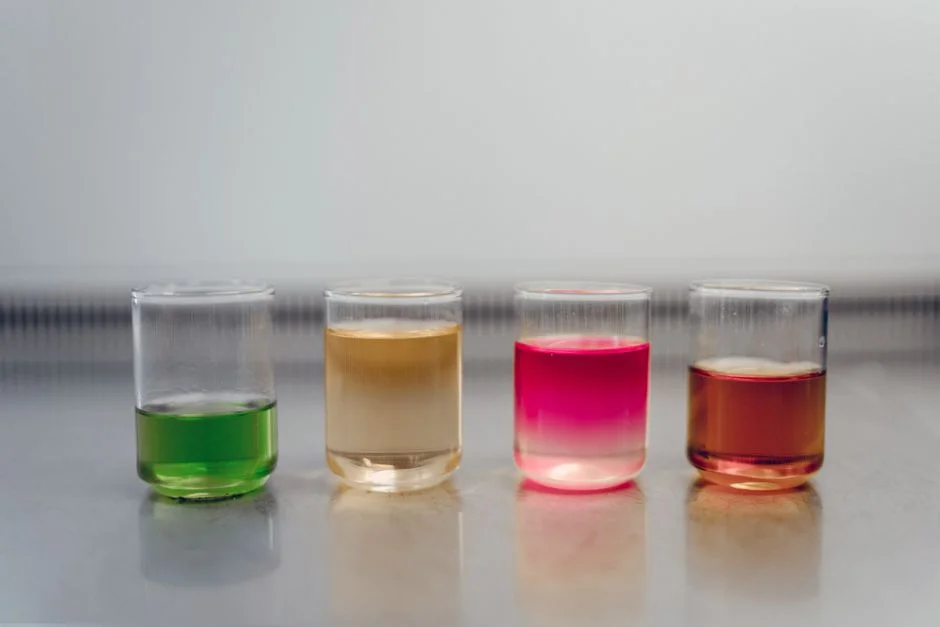
Hospital sludge contains bound pharmaceutical residues and trace pathogens, which puts it under hazardous-waste handling rules in Chile. Typical biological sludge yield is 0.15–0.25 kg DS per kg BOD removed, so a 200-bed hospital generates roughly 25–40 kg DS/day — enough to justify mechanical dewatering. A plate and frame filter press producing 18–25% dry solids is the standard for Chilean hospital tenders; screw presses are gaining ground in smaller plants where operating labour is constrained.
Chemical dosing ties the train together. An automatic chemical dosing system handles pH correction (NaOH or lime), coagulant feed (PAC or FeCl₃ ahead of the clarifier or MBR for phosphorus precipitation), and CIP chemicals for membrane cleaning. Sludge cake must be transported under a RESOLUCIÓN SANITARIA manifest to a licensed disposal site; in Antofagasta Region that typically means haul to the Salar del Carmen secure landfill or alternative authorised site.
2026 CAPEX and OPEX for Antofagasta Hospital Treatment Plants
Budget envelopes below are 2026 USD, equipment-supply plus installation in northern Chile, and exclude land, building works, and ESSAL sewer-connection fees. Use them as shortlist filters, not as binding quotes (HydropureWater field data, 2026).
| Hospital scale | Flow | CAPEX (USD) | OPEX (USD/m³) | Energy share of OPEX | Reuse saving potential |
|---|---|---|---|---|---|
| 50 beds | 20–30 m³/day | 60,000–110,000 | 0.25–0.40 | 35–40% | 20–30% offset |
| 200 beds | 80–120 m³/day | 180,000–320,000 | 0.18–0.35 | 40–45% | 25–40% offset |
| 500 beds | 200–300 m³/day | 450,000–780,000 | 0.15–0.28 | 40–45% | 30–45% offset |
Energy accounts for 35–45% of OPEX; MBR energy demand in 2026 sits at 0.4–0.8 kWh/m³ with high-efficiency blowers and intermittent aeration control. OPEX in northern Chile runs 10–15% higher than a Santiago baseline because of logistics costs on membranes, imported chemicals, and sludge transport to licensed disposal. When treated water is reused for toilet flushing at a potable tariff above US$4/m³, the reuse credit offsets 25–40% of OPEX — usually enough to recover the MBR premium inside 3–5 years.
Project Execution in Antofagasta: Permits, Suppliers, and Commissioning
The design on paper is the easy part. The permit pathway runs through SEREMI de Salud Antofagasta for sanitary approval, and through the Sistema de Evaluación de Impacto Ambiental (SEIA) for any hospital above 250 beds that requires an RCA. Coordinate early with ESSAL (or the local water utility) on the punto de descarga and on the maximum instantaneous discharge rate they will accept into the collector.
Containerized equipment shipped from Asia to the port of Antofagasta takes 8–12 weeks door-to-door; build that into the critical-path schedule with no buffer compression. Cold commissioning with clean water verifies hydraulic and electrical integrity, then biological seeding brings the reactor to design SRT over 4–6 weeks for MBR. Operator training must cover membrane CIP cycles, ClO₂ generator precursor handling, and SCADA alarm response — these three items cause the majority of post-handover service calls in the first year. A containerized WSZ underground package plant is a defensible fast-track option for 50–100 bed clinics with constrained sites and tight schedules.
Frequently Asked Questions
What are the D.S. 90/2000 discharge limits for a hospital in Antofagasta?
For discharge to sewer, BOD₅ ≤ 35 mg/L, TSS ≤ 80 mg/L, oil & grease ≤ 20 mg/L, pH 6.0–8.5, and fecal coliform ≤ 1,000 NMP/100 mL. Direct discharge to a water body tightens pathogen limits and may add nutrient controls per receiving-water classification (D.S. 90/2000, Tabla 1).
Why choose MBR over conventional activated sludge for a hospital in northern Chile?
MBR delivers TSS below 5 mg/L and BOD below 10 mg/L without tertiary filtration, supporting direct reuse for toilet flushing. In Antofagasta, where potable water exceeds US$4/m³, reuse typically offsets 25–40% of OPEX and recovers the MBR CAPEX premium in 3–5 years (HydropureWater field data, 2026).
What dose of chlorine dioxide is required to meet ≤ 1,000 NMP/100 mL fecal coliform?
A dose of 0.5–1.5 mg/L ClO₂ with a 15–30 minute contact time reliably achieves the D.S. 90/2000 limit on MBR or SBR effluent, without forming THMs that NaOCl would produce on hospital effluent rich in contrast media (Khan et al., 2022).
What CAPEX should a 200-bed hospital in Antofagasta budget in 2026?
Equipment-supply and installation for an 80–120 m³/day MBR-based train sits in the US$180,000–US$320,000 range; add 15–20% for civil works and SEREMI permitting (HydropureWater field data, 2026).
Does hospital wastewater in Chile need an RCA environmental permit?
Hospitals above 250 beds typically require a Resolución de Calificación Ambiental through SEIA; smaller hospitals usually process through SEREMI de Salud sanitary approval only. Confirm with current SEREMI Antofagasta guidance before tender (HydropureWater field data, 2026).