Why Tangier Hospitals Face Urgent Wastewater Treatment Challenges in 2026
Hospitals in Tangier are facing a critical 2026 compliance deadline for wastewater treatment, driven by Morocco’s Decree 2-15-44. This regulation mandates tertiary treatment for effluent, particularly for reuse applications, setting a stringent COD limit of <100 mg/L, a significant reduction from typical hospital wastewater. Non-compliance carries substantial financial risks, with potential fines reaching up to MAD 500,000. Recent audits of Tangier hospitals reveal influent COD levels averaging between 800–1,200 mg/L and Total Suspended Solids (TSS) ranging from 300–500 mg/L. local hospital effluent has shown concerning levels of heavy metals, specifically Mercury (Hg) at 0.03–0.05 mg/L, according to 2024 Ministry of Health reports. The Boukhalef Wastewater Treatment Plant (WWTP), while serving Tangier's broader wastewater infrastructure, is not equipped for the advanced tertiary treatment required for hospital effluent, particularly concerning pathogen removal and specific contaminant reduction, leaving individual healthcare facilities responsible for meeting these escalating standards.
The financial repercussions of failing to meet these standards are a stark reality. In 2025, a prominent Tangier hospital incurred a fine of MAD 300,000 due to exceeding COD discharge limits, underscoring the immediate need for robust wastewater treatment solutions. This situation is compounded by the increasing focus on water reuse for irrigation and other non-potable purposes, which demands a much higher quality of treated effluent. The current infrastructure and regulatory landscape necessitate a proactive approach to wastewater management for all healthcare facilities in Tangier to avoid significant financial penalties and protect public health and the environment.
Pollutant Profiles: What’s in Tangier Hospital Wastewater and Why It Matters
Understanding the complex pollutant profile of Tangier hospital wastewater is paramount for selecting effective treatment technologies. Typical influent characteristics include high Chemical Oxygen Demand (COD) ranging from 800–1,200 mg/L and Biochemical Oxygen Demand (BOD5) between 400–600 mg/L. Total Suspended Solids (TSS) can reach 300–500 mg/L, and critically, pathogen loads, such as E. coli, can be as high as 10^5–10^7 CFU/100 mL. These levels are significantly higher than those found in municipal wastewater, often by a factor of 3–5 for COD and up to 10 times for pathogen concentrations, necessitating specialized treatment approaches.
Beyond conventional pollutants, Tangier hospital wastewater contains a cocktail of heavy metals and emerging contaminants. Mercury (Hg) levels, observed at 0.03–0.05 mg/L, along with Lead (Pb) at 0.15–0.3 mg/L and Cadmium (Cd) at 0.01–0.02 mg/L, originate from sources like dental amalgam, laboratory reagents, and certain medical devices. A 2025 study by the University of Tangier also identified the presence of emerging contaminants, including pharmaceuticals like antibiotics and hormones, and personal care products (PCPs), in local hospital effluent. These substances, even at low concentrations, can have profound ecological impacts and are increasingly under regulatory scrutiny. Effectively treating hospital wastewater in Tangier requires systems capable of achieving high removal efficiencies for all these contaminant classes, aligning with Moroccan wastewater reuse standards and protecting local ecosystems.
| Pollutant | Typical Influent Range (Tangier Hospitals) | Moroccan Reuse Standard (<100 mg/L COD) | Significance |
|---|---|---|---|
| COD | 800–1,200 mg/L | <100 mg/L | High organic load, oxygen depletion potential. |
| BOD5 | 400–600 mg/L | <20 mg/L (typical for reuse) | Biodegradable organic matter. |
| TSS | 300–500 mg/L | <35 mg/L | Turbidity, suspended solids impact treatment processes. |
| E. coli | 10^5–10^7 CFU/100 mL | <10 CFU/100 mL (for irrigation) | Indicator of fecal contamination and pathogens. |
| Hg | 0.03–0.05 mg/L | <0.01 mg/L (WHO drinking water) | Neurotoxin, bioaccumulative. |
| Pb | 0.15–0.3 mg/L | <0.01 mg/L (WHO drinking water) | Neurotoxin, developmental effects. |
| Cd | 0.01–0.02 mg/L | <0.003 mg/L (WHO drinking water) | Kidney damage, carcinogen. |
To effectively address these diverse contaminants, advanced treatment solutions are essential. For pathogen removal, technologies like chlorine dioxide generators for hospital effluent disinfection offer superior efficacy compared to traditional methods. For comprehensive pollutant removal, including COD and TSS, integrated systems such as compact medical wastewater treatment systems for Tangier clinics are highly recommended.
Engineering Specs: How to Treat Hospital Wastewater to Meet 2026 Standards
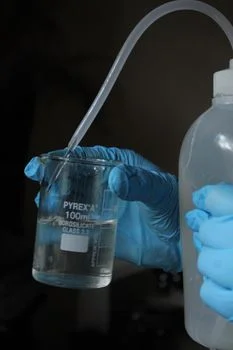
Achieving the stringent 2026 compliance targets for hospital wastewater in Tangier necessitates a multi-stage treatment process. The foundational steps involve pretreatment, including screening to remove large solids and equalization to buffer flow and concentration variations, ensuring consistent influent to subsequent treatment stages. Primary treatment typically employs sedimentation to remove settleable solids, reducing the organic load by approximately 20-30%. The core of the treatment lies in secondary biological processes, where microorganisms break down dissolved organic matter. However, to meet tertiary treatment standards, advanced polishing steps are crucial.
Tertiary treatment is critical for meeting the <100 mg/L COD and <35 mg/L TSS targets, as well as achieving 99.9%+ pathogen removal. Filtration, such as sand filters or microfiltration, is essential for removing remaining suspended solids. Disinfection is the final barrier against pathogens. While UV and ozone are options, chlorine dioxide (ClO₂) offers distinct advantages for hospital wastewater, particularly its efficacy against antibiotic-resistant bacteria and its ability to provide a residual disinfectant effect. The required removal efficiencies are substantial: 90%+ for COD, 95%+ for TSS, and 99.9%+ for pathogens. For heavy metals like Hg, Pb, and Cd, removal efficiencies of 90%+ are generally required to meet Moroccan standards. Sludge management is also a critical consideration, with options like filter presses or centrifuges for dewatering followed by disposal via licensed landfills or incineration facilities in Morocco.
| Treatment Stage | Key Processes | Target Removal Efficiencies | Tangier 2026 Compliance |
|---|---|---|---|
| Pretreatment | Screening, Equalization | N/A (solids removal) | Essential for process stability. |
| Primary Treatment | Sedimentation | 20-30% COD, 40-60% TSS | Reduces overall load. |
| Secondary Treatment | Biological Treatment (e.g., activated sludge) | 85-95% COD, 80-90% TSS | Core organic removal. |
| Tertiary Treatment | Filtration (e.g., sand, microfiltration) | 90%+ COD, 95%+ TSS | Polishing for discharge/reuse. |
| Disinfection | Chlorine Dioxide, UV, Ozone | 99.9%+ Pathogen Removal | Ensures microbial safety. Chlorine dioxide generators are highly effective. |
| Heavy Metal Removal | Chemical Precipitation, Ion Exchange | 90%+ for Hg, Pb, Cd | Critical for environmental protection. |
For a comprehensive approach to tertiary treatment and disinfection, consider advanced systems. MBR systems for hospital wastewater treatment in Tangier offer a compact and highly effective solution for achieving stringent effluent quality. For facilities with specific disinfection needs, chlorine dioxide generators provide a reliable method for eliminating pathogens.
MBR vs DAF vs Chemical Dosing: Which System is Right for Your Tangier Hospital?
Selecting the optimal wastewater treatment technology for a Tangier hospital involves balancing performance, cost, and site-specific constraints. Membrane Bioreactor (MBR) systems are a leading option, offering exceptional effluent quality with pathogen removal rates of 99.9% and COD reduction of over 95%. For a 100 m³/day system, MBRs typically incur a Capital Expenditure (CAPEX) of MAD 2.2M–3.5M. While highly effective, MBRs can be susceptible to membrane fouling, particularly in areas with hard water, which is a consideration for Tangier. Dissolved Air Flotation (DAF) systems provide robust removal of TSS (92–97%) and are generally more budget-friendly, with CAPEX for a 100 m³/day system ranging from MAD 800K–1.5M. However, DAFs require chemical coagulants and struggle with soluble COD, necessitating additional treatment steps for full compliance. Chemical dosing, often employing methods like struvite precipitation, is highly effective for heavy metal removal (90% for Pb, Cd) but adds to Operational Expenditure (OPEX) with costs of MAD 0.3–0.5/m³ and generates sludge that requires disposal.
The decision matrix for Tangier hospitals should consider several factors. For hospitals with limited space, the compact footprint of MBR systems for hospital wastewater treatment in Tangier makes them an attractive choice. Facilities prioritizing lower initial investment might lean towards DAF systems, especially if the influent has a high TSS load and moderate COD. For hospitals with significant heavy metal contamination, a combined approach incorporating chemical precipitation alongside biological treatment is often necessary. Tangier-specific considerations include the region's water scarcity, where MBR's potential for water reuse is a significant advantage. Energy costs are also a factor; DAF systems generally have a lower power draw than MBRs. navigating Moroccan import regulations for equipment sourced from international markets is a crucial aspect of the selection process.
| Technology | CAPEX (100 m³/day) | OPEX (per m³) | Key Advantages | Key Disadvantages | Best For |
|---|---|---|---|---|---|
| MBR | MAD 2.2M–3.5M | MAD 0.5–1.0/m³ (incl. membrane replacement) | 99.9% pathogen removal, high COD/TSS reduction, compact footprint. | Higher CAPEX, membrane fouling risk, higher energy consumption. | Space-constrained facilities, high effluent quality needs, water reuse. |
| DAF | MAD 800K–1.5M | MAD 0.3–0.6/m³ (incl. chemicals) | High TSS removal, lower CAPEX, lower energy consumption. | Requires chemical dosing, struggles with soluble COD, less effective for pathogens. | Facilities with high TSS, budget constraints, pre-treatment for other systems. |
| Chemical Dosing (e.g., Struvite Precipitation) | MAD 500K–1M | MAD 0.3–0.5/m³ (incl. chemicals) | Effective for heavy metal removal, nutrient recovery potential. | Adds OPEX, generates sludge, may require pre/post-treatment for other parameters. | Hospitals with significant heavy metal contamination. |
For a comprehensive solution that addresses both organic pollutants and pathogens effectively, consider integrated medical wastewater treatment systems for Tangier clinics. For facilities requiring robust disinfection, chlorine dioxide generators offer a reliable and efficient option.
CAPEX and OPEX Breakdown for Tangier Hospital Wastewater Systems
Budgeting for hospital wastewater treatment in Tangier requires a clear understanding of both Capital Expenditure (CAPEX) and Operational Expenditure (OPEX). For a 100 m³/day system, CAPEX can vary significantly by technology: Membrane Bioreactor (MBR) systems typically range from MAD 2.2M to 3.5M, offering high performance. Dissolved Air Flotation (DAF) systems present a more accessible entry point with CAPEX between MAD 800K and 1.5M, while chemical dosing systems, focusing on specific contaminants like heavy metals, might range from MAD 500K to 1M. OPEX is a crucial long-term consideration. Energy consumption for a 100 m³/day system can range from MAD 0.4–0.7/m³. Chemical costs, particularly for DAF or precipitation methods, add MAD 0.2–0.4/m³. For MBR systems, membrane replacement can contribute MAD 0.3–0.5/m³ to OPEX. Labor costs, including operation and maintenance, are estimated at MAD 0.1–0.2/m³.
Calculating the Return on Investment (ROI) is vital. For a 100 m³/day MBR system, the payback period, factoring in avoided fines and potential water reuse savings, can range from 3–5 years. DAF systems, with their lower initial cost, might offer a payback period of 2–4 years. Tangier-specific cost drivers include import duties, which can add 10–15% for equipment sourced from the EU, and local labor rates, typically MAD 15–25/hour. Sludge disposal fees are also a significant factor, ranging from MAD 500–800/ton. Understanding these variables is key to accurate financial planning and achieving long-term cost-effectiveness.
| Cost Component | MBR (100 m³/day) | DAF (100 m³/day) | Chemical Dosing (100 m³/day) | Notes |
|---|---|---|---|---|
| CAPEX | MAD 2.2M–3.5M | MAD 800K–1.5M | MAD 500K–1M | Excludes civil works, installation. |
| OPEX (Energy) | MAD 0.4–0.7/m³ | MAD 0.2–0.4/m³ | MAD 0.1–0.2/m³ | Varies with pump usage and efficiency. |
| OPEX (Chemicals) | MAD 0.1–0.2/m³ | MAD 0.2–0.4/m³ | MAD 0.3–0.5/m³ | For coagulants, disinfectants, precipitants. |
| OPEX (Membrane Replacement) | MAD 0.3–0.5/m³ | N/A | N/A | For MBR systems, over system lifespan. |
| OPEX (Labor & Maintenance) | MAD 0.1–0.2/m³ | MAD 0.1–0.2/m³ | MAD 0.1–0.2/m³ | Includes skilled operators and technicians. |
| Total OPEX (Estimate) | MAD 0.9–1.6/m³ | MAD 0.5–1.2/m³ | MAD 0.5–0.9/m³ | Excludes sludge disposal. |
Zero-Risk Supplier Selection: A Tangier-Specific Checklist
Selecting a wastewater treatment equipment supplier in Tangier requires a rigorous, risk-averse approach tailored to the local Moroccan context. First, verify the supplier's direct experience and proven track record with Morocco’s Decree 2-15-44 and related environmental legislation, including EU Directive 91/271 if applicable. Request specific case studies of installations in Morocco, ideally within the healthcare sector. Crucially, assess the availability of local support. Does the supplier have Tangier-based service teams, readily accessible spare parts inventory, and a commitment to 24/7 emergency response times? This local presence is vital for minimizing downtime. Ensure all equipment certifications are in order, including ISO 14001 for environmental management, CE marking for EU compliance, and any required approvals from the Moroccan Ministry of Environment, particularly for technologies like chlorine dioxide generators.
Demand robust performance guarantees. This should include a minimum 12-month warranty on all equipment and effluent quality guarantees that explicitly match or exceed Decree 2-15-44 standards (e.g., COD <100 mg/L). Include penalty clauses in the contract for failure to meet these guaranteed performance levels. Be wary of red flags: suppliers lacking Tangier or Moroccan references, providing vague CAPEX/OPEX quotes without detailed breakdowns, or those who rely heavily on unproven subcontractors for installation and commissioning should be approached with extreme caution. When comparing suppliers, consider local Moroccan companies like Amendis, international players such as Veolia or Suez, and reputable Chinese manufacturers like HydropureWater, evaluating each based on their local support, technical expertise, and commitment to long-term service.
- Regulatory Compliance: Does the supplier have demonstrable experience with Moroccan environmental laws (Decree 2-15-44, EU Directive 91/271)? Are there Moroccan case studies?
- Local Support Network: Is there a dedicated service team in Tangier? Is there local spare parts inventory? What are the guaranteed response times for service calls?
- Equipment Certifications: Does the equipment hold ISO 14001, CE marking, and Moroccan Ministry of Environment approvals?
- Performance Guarantees: Are effluent quality guarantees (e.g., COD <100 mg/L) contractually binding? Is a minimum 12-month warranty provided? Are there penalty clauses for non-compliance?
- Financial Transparency: Are CAPEX and OPEX quotes detailed and transparent? Are lifecycle costs clearly presented?
- Supplier Reputation: Check for independent reviews and references. Avoid suppliers with vague pricing or a history of relying on third-party contractors for critical services.
Frequently Asked Questions

What are the key 2026 compliance deadlines for hospital wastewater in Tangier?
Hospitals in Tangier must meet Morocco’s Decree 2-15-44, which mandates tertiary treatment for effluent, particularly for reuse, with a COD limit of <100 mg/L and TSS <35 mg/L by 2026.
What are the typical pollutant levels in Tangier hospital wastewater?
Influent typically shows COD of 800–1,200 mg/L, BOD5 of 400–600 mg/L, TSS of 300–500 mg/L, and high pathogen loads. Heavy metals like Hg, Pb, and Cd are also present.
Which technologies are most suitable for treating hospital wastewater in Tangier?
MBR systems are highly effective for high-quality effluent and pathogen removal. DAF systems are cost-effective for TSS reduction. Chemical dosing is crucial for heavy metal removal. Often, a combination of technologies is required.
What is the average CAPEX for a 100 m³/day hospital wastewater treatment system in Tangier?
CAPEX can range from MAD 800,000 for DAF systems to MAD 3.5 million for advanced MBR systems, depending on the technology and specific requirements.
How can hospitals in Tangier ensure zero-risk supplier selection?
Focus on suppliers with proven Moroccan experience, strong local support in Tangier, valid equipment certifications, and robust performance guarantees with penalty clauses. Avoid suppliers with vague quotes or a lack of local presence.
What are the risks of non-compliance with wastewater regulations in Morocco?
Non-compliance can result in significant fines, up to MAD 500,000, as well as reputational damage and potential operational disruptions.
Can treated hospital wastewater be reused in Tangier?
Yes, treated hospital wastewater can be reused for non-potable purposes like irrigation, provided it meets the stringent standards set by Decree 2-15-44, which necessitates tertiary treatment.