Why Kuwait's Wastewater Profile Demands a Specialized DAF Supplier
Kuwait's industrial wastewater runs hotter, saltier, and more emulsified than the temperate-zone influents most DAF vendors use to size their nameplate ratings. Refinery desalter brine and desalination pre-treatment routinely arrive at the DAF inlet with TDS of 35–45 g/L, suspended solids of 200–4,000 mg/L, and free or emulsified oil of 50–600 mg/L (HydropureWater field data, 2026). Food plants — poultry slaughterhouses, dairies, edible-oil refineries — layer another load on top: high FOG with sharp pH swings between CIP cycles. None of this looks like the 18°C municipal sewage the European vendor's cut-sheet was built around.
Ambient air sits at 45–50°C from June through August, and inlet temperatures rarely drop below 30°C even in winter. Dissolved-air solubility falls roughly 4–5% per 10°C of temperature rise, so a saturator tank designed for temperate operation delivers measurably less air mass per unit of recycled flow in Kuwait. The honest consequence: any DAF nameplate quoted without a hot-climate derating curve is overstated by 10–15% on Kuwait duty (HydropureWater field data, 2026). A credible daf system supplier in Kuwait publishes a derating chart tied to inlet temperature and TDS, sizes the saturator pump and air compressor for the derated condition, and selects SS316L — not SS304 — for every wetted part because chloride pitting at Gulf TDS levels is a 12–24 month failure mode, not a 10-year one.
Compliance and Vendor-Prequalification Framework in Kuwait
Procurement engineers in Kuwait filter suppliers through two distinct gates: a regulatory discharge gate and a buyer-side prequalification gate. Failing either one kills the bid before a pilot run.
The Kuwait Environment Public Authority (KEPA) governs industrial discharges under Law No. 42 of 2014 and its implementing regulations. For pre-treatment effluent routed to a municipal sewer or to Treated Sewage Effluent (TSE) reuse, the typical industrial tier is TSS ≤ 50 mg/L, COD ≤ 500 mg/L, and oil & grease ≤ 10 mg/L — bands the supplier must guarantee at the DAF outlet, not at the downstream biological stage (per KEPA / Law 42/2014 typical pre-treatment tier). On the buyer side, KNPC, KOC, EQUATE Petrochemical, KIPIC, MEW (Ministry of Electricity & Water), and PAI (Public Authority for Industry) each maintain their own Approved Vendor List (AVL) with overlapping but non-identical documentation demands.
A Kuwait-ready DAF supplier should hand you, on request: ISO 9001:2015 and ISO 14001:2015 certificates, CE marking plus ASME U-stamp on the saturator vessel, EN 12255-15 conformity for wastewater treatment plant design, and traceable mill certificates for the SS316L wetted parts. International documentation discipline — the same posture that underwrites an EU IED 2010/75/EU FGD package or a Drinking Water Directive 98/83/EC chlorine skid — transfers cleanly into a KEPA file, even though Kuwait does not directly transpose those EU instruments (per 2026 internal compliance review). Treat the documentation depth as a proxy for engineering depth; a vendor who cannot produce mill certs will not survive a KNPC audit.
DAF Process Design Specifications for Kuwait Applications
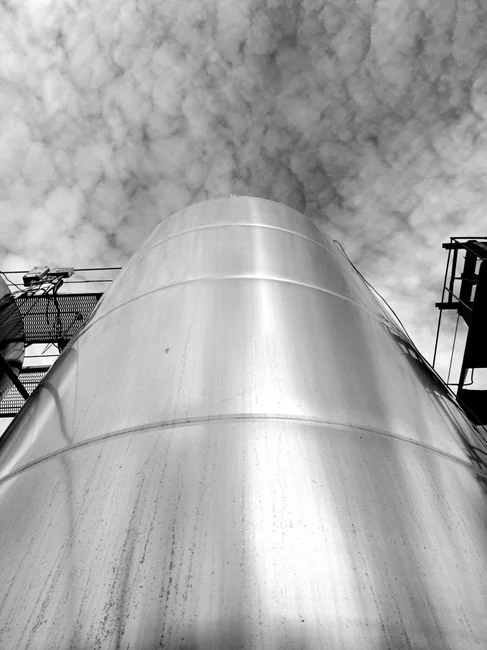
Specifying a DAF for a Kuwait site is a balancing act between bubble physics, hydraulic retention, and chloride-resistant metallurgy. The table below condenses the parameter set you should pin down in the RFQ before any vendor prices a unit.
| Parameter | Kuwait design band | Engineering rationale |
|---|---|---|
| Micro-bubble diameter | 10–50 µm | Needle-valve saturators hit 10–30 µm but clog on high-FOG refinery streams; ejector-type saturators trade to 30–50 µm and survive better in Gulf service. |
| Hydraulic retention time | 15–30 min (general); 25–35 min (refinery FOG) | Higher retention stabilises float layer under high-TDS, high-viscosity influent. |
| Recycle ratio | 20–50% (Kuwait sweet spot 30–40%) | More recycle = higher bubble density = better TSS/FOG lift, but inflates pump kWh; 30–40% is the cost/performance optimum for 35–45 g/L TDS streams. |
| Wetted-parts material | SS316L (mandatory), FRP or rubber-lined CS shell, EPDM gaskets | SS304 suffers pitting at Gulf chloride levels; 316L extends service life to 10+ years. |
| Surface loading (flotation zone) | 5–20 m/h | Tied to the 20–40 m/h lamella clarifier benchmark from the HydropureWater catalog as a downstream reference. |
| Air-to-solid ratio | 0.02–0.06 (mass air / mass TSS) | Drives float-layer stability; undersize and the float re-shears, oversize and you waste compressor capacity. |
| Expected removal efficiency | 85–95% TSS; 90–97% FOG | Achievable on properly coagulated and flocculated Kuwait influents at design recycle ratio (HydropureWater field data, 2026). |
Pair the DAF with a correctly sized automatic chemical dosing system for DAF coagulant and flocculant injection; underdosing is the single most common reason a well-built DAF underperforms in the field.
Comparing DAF System Suppliers for the Kuwait Market
You will hear from three supplier archetypes. Each has a different risk profile, and the scorecard below makes the trade-offs explicit.
| # | Vetting criterion | Why it matters in Kuwait | Weight |
|---|---|---|---|
| 1 | Gulf / Kuwait project references | Proves the vendor has actually started up a unit in 45°C ambient on high-TDS feed. | High |
| 2 | SS316L wetted parts as standard (not option) | Chloride pitting at 35–45 g/L TDS destroys SS304 in 12–24 months. | High |
| 3 | PLC / HMI with bilingual Arabic–English interface | Plant operators in KNPC and food plants are bilingual by policy. | Medium |
| 4 | Factory Acceptance Test video record | You cannot attend every FAT in person; a time-stamped video is the audit trail. | High |
| 5 | Kuwait-resident commissioning engineer or local agent | Fly-in commissioning adds 2–3 weeks of visa and mobilisation delay per visit. | High |
| 6 | 24–48 h spares dispatch from a regional hub | Saturation pump and nozzle wear parts cannot wait for a 6-week sea-freight cycle. | Medium |
| 7 | Documented hot-climate derating curve | Separates engineering-grade suppliers from catalog resellers. | High |
Archetype (a) — European premium vendors — wins on engineering documentation and metallurgy but typically lands at the top of the CAPEX band and rarely stocks spares in the Gulf. Archetype (b) — Chinese mid-tier suppliers including the dissolved air flotation (DAF) system from HydropureWater (4–300 m³/h, 13 standard models, SS316L wetted, PLC-skid packaging) — sits in the middle on price and is the archetype most buyers shortlist for Kuwait refinery and food duties. Archetype (c) — local GCC system integrators — offers the fastest response time but often rebadges Chinese or Turkish skids with thin engineering documentation. The lowest-CAPEX offer without a Gulf service agent is the most expensive unit on a 10-year lifecycle, because every service visit is a fly-in mobilisation.
2026 CAPEX and OPEX Benchmarks for DAF Systems in Kuwait
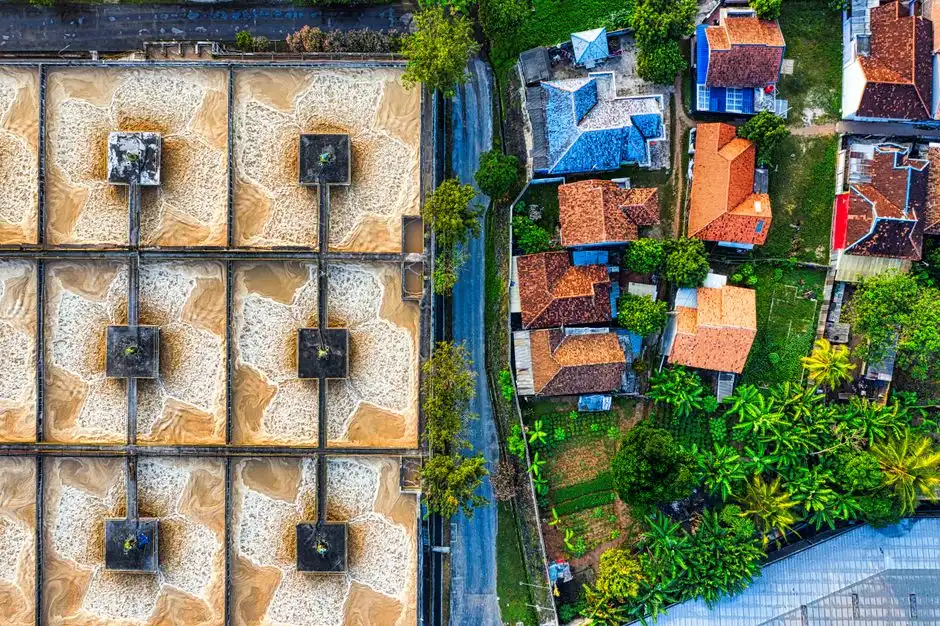
Budget figures for the internal proposal need to be defensible. The ranges below reflect 2026 quotations for skid-mounted SS316L DAF units on a Kuwait-incident scope (HydropureWater field data, 2026).
| Cost line | 2026 range | Notes |
|---|---|---|
| CAPEX (ex-works, skid-mounted SS316L) | USD 18,000–55,000 per m³/h | Stepped by capacity; smaller units sit at the upper bound of the band. |
| Kuwait-incident adder | +25–35% | Covers ATEX-rated motors, climate-controlled PLC panel, Arabic HMI, FAT, sea-freight CIF Shuwaikh or Shu'aiba. |
| OPEX (energy) | USD 0.018–0.066 / m³ (45–55% of OPEX) | Saturator pump and air compressor dominate; Kuwait grid tariff keeps this in the lower half of the band. |
| OPEX (polymer / coagulant) | 25–35% of OPEX | Drives the 30–40% recycle ratio choice above. |
| OPEX (wear parts + maintenance) | 10–15% of OPEX | Saturator nozzles, recycle pump seals, skimmer bearings. See the cavitation air flotation maintenance cost in 2026 article for the line-item breakdown. |
| OPEX (labour) | 5–10% of OPEX | Skid packaging with PLC auto-backwash suppresses this line. |
| Total OPEX | USD 0.04–0.12 per m³ treated | Sum of the four OPEX lines above. |
For hospital and clinical waste streams that often pre-treat through a DAF, the same CAPEX/OPEX logic applies — the Gulf hospital wastewater treatment engineering guide covers the influent matrix and downstream disinfection scope.
Procurement Workflow: From RFQ to Commissioning in Kuwait
The five-stage workflow below is the one to put on a single page and pin to your procurement folder.
- Issue a Kuwait-tailored RFQ. Pin influent and effluent matrix (TSS, FOG, TDS, temperature, pH), required turndown, KEPA discharge band, and bidder documentation list (ISO 9001/14001, ASME U-stamp, EN 12255-15, SS316L mill certs).
- Technical scoring on the 7-criterion scorecard from the previous section. Reject any bidder who cannot show a hot-climate derating curve or a Gulf reference list.
- Factory Acceptance Test at the supplier's plant with a recorded video covering cold-loop hydraulic test, saturator performance, and PLC simulation. FAT video is your insurance against disputes at site.
- Sea-freight CIF Kuwait Port (Shuwaikh for general cargo, Shu'aiba for refinery/heavy lifts) in a humidity-controlled container; desiccant and vacuum-bag the PLC panel.
- On-site commissioning by a Kuwait-resident or fly-in commissioning engineer, followed by a 72-hour performance test against the KEPA pre-treatment band.
Plan for 12–20 weeks ex-works lead time in 2026, plus 4–6 weeks sea freight to Shuwaikh or Shu'aiba; the variability is driven by saturator-vessel ASME U-stamp slot booking and 2026 container-schedule volatility (per Q1–Q2 2026 freight data). Hold a 5–10% performance-bond retention and a 12–24 month mechanical warranty with quarterly service visits for the first year — that is the leverage you have to enforce responsiveness after hand-over.
Frequently Asked Questions
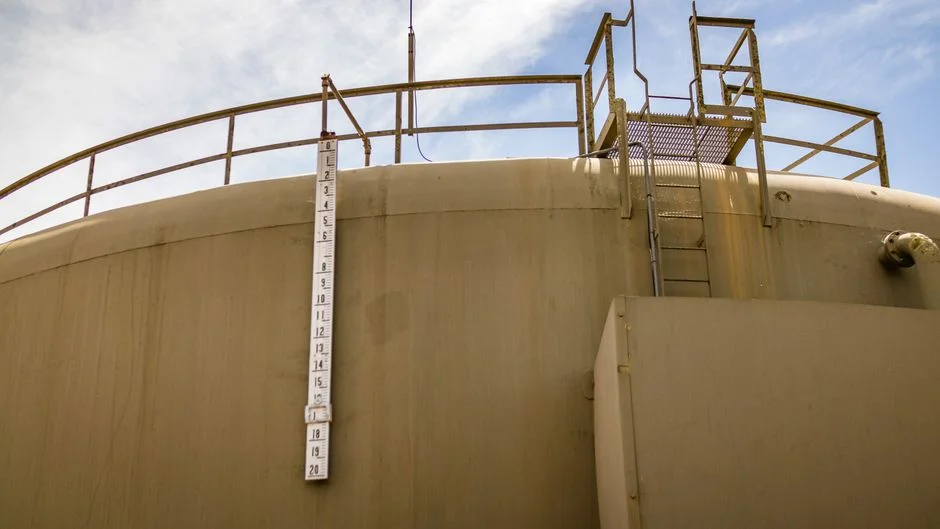
What influent parameters matter most when sizing a DAF for Kuwait? TSS (200–4,000 mg/L), FOG (50–600 mg/L), TDS (35–45 g/L in refinery streams), and inlet temperature (30–42°C). The combination drives saturator sizing, recycle ratio, and SS316L selection — not any single number in isolation (HydropureWater field data, 2026).
Which KEPA discharge limits apply to industrial DAF effluents? Under Law 42/2014, the typical industrial pre-treatment tier is TSS ≤ 50 mg/L, COD ≤ 500 mg/L, and oil & grease ≤ 10 mg/L for sewer discharge. Always confirm the latest values with KEPA before bid submission (per KEPA / Law 42/2014 typical pre-treatment tier).
What documentation should a DAF supplier provide for KNPC or KOC prequalification? ISO 9001:2015, ISO 14001:2015, CE marking, ASME U-stamp on pressure vessels, EN 12255-15 conformity, traceable SS316L mill certificates, and a documented hot-climate derating curve. Without these, AVL approval will stall.
Why is SS316L mandatory for DAF wetted parts in Kuwait? Gulf chloride levels at 35–45 g/L TDS drive pitting corrosion in SS304 within 12–24 months. SS316L extends wetted-parts service life to 10+ years and is the de facto standard for refinery and desalination pre-treatment.
How long does a DAF shipment take from factory to Kuwait Port? Ex-works manufacturing is 12–20 weeks in 2026, followed by 4–6 weeks sea freight to Shuwaikh or Shu'aiba. Add 2–3 weeks for Kuwait-resident commissioning and a 72-hour performance test (per Q1–Q2 2026 freight data).