Hospital wastewater in Jubail requires treatment to meet MARAFIQ's stringent discharge limits (BOD < 30 mg/L, COD < 250 mg/L, fecal coliform < 1,000 CFU/100mL) and Saudi Vision 2030 water reuse targets. A 2025 engineering analysis shows that membrane bioreactor (MBR) systems achieve 99% pathogen removal and 95% pharmaceutical compound reduction, while dissolved air flotation (DAF) systems reduce TSS by 90-95% at 40-60% lower capital cost. This guide provides compliance benchmarks, equipment selection criteria, and cost models for hospital-scale systems (50-500 m³/day).
Why Hospital Wastewater in Jubail Needs Specialized Treatment
Hospital wastewater in Jubail contains a unique and complex cocktail of contaminants, significantly different from municipal or general industrial effluent, posing distinct environmental and public health risks. This specialized wastewater includes pharmaceuticals such as antibiotics and hormones, a diverse range of pathogens (bacteria, viruses, fungi), high biochemical oxygen demand (BOD) and chemical oxygen demand (COD) typically ranging from 300-1,000 mg/L, and various disinfectants like chlorine and glutaraldehyde, as detailed by WHO 2023 guidelines on healthcare waste management. Saudi Arabia's MARAFIQ, the regulatory body for Jubail Industrial City, enforces stricter discharge limits for medical effluent compared to municipal wastewater. For instance, MARAFIQ's 2024 Jubail Industrial City Wastewater Master Plan confirms a fecal coliform limit of < 1,000 CFU/100mL for medical facilities, which is significantly more stringent than typical municipal standards that might allow up to 10,000 CFU/100mL for certain parameters.
Untreated hospital wastewater presents severe risks to both the environment and public health. The discharge of antibiotic residues contributes to the rise of antibiotic resistance in local water bodies, a concern highlighted in the Saudi Ministry of Health's 2023 report. Pathogens released without adequate treatment can lead to public health outbreaks, affecting communities reliant on local water sources. non-compliance with treatment standards can result in substantial penalties under Saudi Vision 2030's National Water Strategy, which includes fines up to SAR 500,000 for violations. For example, a typical 300-bed hospital in Jubail generates between 150-250 m³/day of wastewater. To meet MARAFIQ's reuse standards for irrigation, such a facility requires a treatment system capable of achieving 90-95% BOD removal and 99% pathogen reduction, underscoring the necessity of specialized and robust wastewater treatment solutions.
Saudi Arabia's Hospital Wastewater Regulations: MARAFIQ, SASO, and Ministry of Health Standards
MARAFIQ's Jubail Wastewater Master Plan (2024) sets specific and stringent discharge limits for medical facilities operating within Jubail Industrial City, which are often stricter than national standards. For hospital effluent, MARAFIQ mandates a Biochemical Oxygen Demand (BOD) of less than 30 mg/L, Chemical Oxygen Demand (COD) below 250 mg/L, Total Suspended Solids (TSS) under 30 mg/L, fecal coliform counts less than 1,000 CFU/100mL, and a pH range of 6-9. These limits surpass the general requirements outlined in Saudi Arabia's national standards (SASO 2015), emphasizing the critical need for advanced treatment in medical facilities.
SASO 2015 (Saudi Standards for Wastewater Reuse) further mandates tertiary treatment, typically involving advanced filtration followed by disinfection, for hospital effluent, especially if it is intended for reuse. For irrigation applications, additional monitoring for specific pharmaceutical compounds, such as carbamazepine and diclofenac, is required to ensure environmental safety. The Ministry of Health (MOH) Circular 2023/47 reinforces these requirements by obligating hospitals to conduct quarterly wastewater quality audits and submit comprehensive reports to MARAFIQ. Non-compliance with these MOH directives can lead to severe consequences, including facility shutdowns.
Aligning with Saudi Vision 2030's National Water Strategy (2021), which targets 70% wastewater reuse by 2030, there is a strong incentive for hospitals to adopt advanced treatment technologies like Membrane Bioreactor (MBR) or ozone disinfection. These systems enable high-quality treated effluent suitable for non-potable reuse applications such as cooling towers and landscaping, contributing to the national water conservation goals. The permitting process for new wastewater treatment systems in Jubail is overseen by MARAFIQ, requiring formal approval. This typically involves a lead time of 6-12 months for design review and environmental impact assessments, underscoring the importance of early planning and adherence to regulatory protocols.
| Parameter | Influent Range (Hospital WW) | MARAFIQ Discharge Limit (Jubail, 2024) |
|---|---|---|
| BOD | 300-1,000 mg/L | < 30 mg/L |
| COD | 500-2,000 mg/L | < 250 mg/L |
| TSS | 150-500 mg/L | < 30 mg/L |
| Fecal Coliform | 105-107 CFU/100mL | < 1,000 CFU/100mL |
| pH | 6-8 | 6-9 |
Hospital Wastewater Treatment Technologies: How They Work and Which to Choose
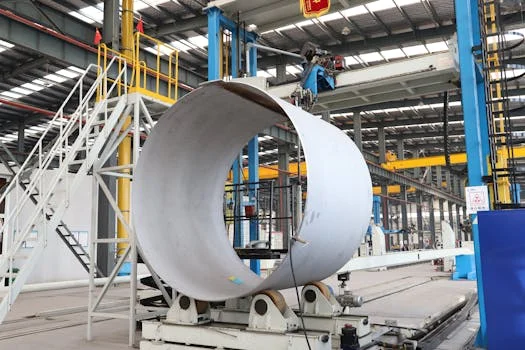
Selecting the appropriate hospital wastewater treatment technology in Jubail is critical for achieving MARAFIQ compliance, managing operational costs, and enabling potential water reuse. MBR systems for hospital wastewater treatment in Jubail combine conventional activated sludge biological treatment with advanced ultrafiltration membranes (typically 0.1-0.4 μm pore size). This integration achieves exceptional contaminant removal, including 99% pathogen removal and up to 95% pharmaceutical reduction. MBR systems are highly suitable for space-constrained hospitals due to their compact footprint, often 60% smaller than conventional systems. However, they typically entail higher capital expenditure (CAPEX), ranging from SAR 1.2-1.8 million for a 100 m³/day system (HydropureWater field data, 2025).
DAF systems for pre-treatment of hospital wastewater utilize micro-bubbles to float suspended solids, oils, and greases to the surface for removal, achieving 90-95% TSS reduction and 60-80% BOD/COD reduction. DAF can reduce chemical costs by approximately 30% compared to traditional sedimentation processes. It is particularly effective as a pre-treatment step for high-TSS wastewater streams, such as those from hospital laundries or kitchens, but requires subsequent disinfection with chlorine or ozone to meet stringent pathogen limits. For robust disinfection, chlorine dioxide generators for hospital effluent disinfection produce ClO₂ on-site, ensuring 99.9% pathogen kill, including chlorine-resistant organisms like Cryptosporidium, without forming harmful trihalomethanes (THMs). HydropureWater's generators (50-20,000 g/h) comply with WHO and EPA standards for hospital effluent.
Ozone disinfection offers another powerful option, achieving 99.99% virus inactivation and up to 90% pharmaceutical degradation. While highly effective, ozone systems demand significant energy input (0.5-1.0 kWh/m³) and require post-treatment deozonation to remove residual ozone. This technology is often adopted by high-end medical facilities, such as King Fahd Specialist Hospital in Dammam, for superior effluent quality. A typical hospital wastewater treatment train combines several stages: initial screening for large solids, an equalization tank to buffer flow and contaminant loads, followed by DAF for TSS removal, biological treatment (either MBR or conventional activated sludge), and finally, advanced disinfection using ClO₂ or ozone before discharge or reuse.
| Technology | Key Mechanism | Removal Efficiency (Pathogens, Pharma, TSS, BOD) | Footprint (Relative) | Typical CAPEX (100 m³/day) | OPEX/m³ (SAR) | Best Application |
|---|---|---|---|---|---|---|
| Membrane Bioreactor (MBR) | Activated Sludge + Ultrafiltration | Pathogens: 99%, Pharma: 95%, TSS: >99%, BOD: >95% | Small (60% less than conventional) | SAR 1.2-1.8 Million | 2.5-4.0 | High-quality effluent for reuse, space-constrained sites |
| Dissolved Air Flotation (DAF) | Micro-bubble separation | TSS: 90-95%, BOD/COD: 60-80% (pre-treatment) | Medium | SAR 0.8-1.0 Million | 1.2-2.0 (pre-treatment) | Pre-treatment for high-TSS/O&G wastewater |
| Chlorine Dioxide (ClO₂) | Strong Oxidant Disinfection | Pathogens: 99.9% | Small | SAR 0.2-0.4 Million (generator) | 0.1-0.3 | Post-treatment disinfection, THM avoidance |
| Ozone Disinfection | Powerful Oxidant & Disinfectant | Pathogens: 99.99%, Pharma: 90% | Medium | SAR 0.5-0.8 Million (generator) | 0.5-1.0 (energy intensive) | High-end disinfection, advanced pharmaceutical degradation |
Cost Breakdown: Hospital Wastewater Treatment Systems in Jubail (2025 Data)
The capital expenditure (CAPEX) for a hospital wastewater treatment system in Jubail for a 100 m³/day capacity typically ranges from SAR 800,000 to SAR 1.5 million in 2025. This cost variation largely depends on the chosen technology and complexity. For instance, a system incorporating Dissolved Air Flotation (DAF) as a primary treatment with subsequent chlorine dioxide disinfection might cost around SAR 800,000, while a more advanced Membrane Bioreactor (MBR) system could reach SAR 1.5 million. These CAPEX figures encompass equipment procurement, civil works (foundations, tankage), and essential MARAFIQ permitting fees, which typically range from SAR 50,000 to SAR 100,000 (HydropureWater field data, 2025).
Operational expenditure (OPEX) for these systems also varies significantly. MBR systems generally incur higher OPEX, ranging from SAR 2.5–4.0/m³, primarily due to energy consumption for aeration and membrane replacement cycles (typically every 5-7 years). In contrast, a DAF system combined with chlorine dioxide disinfection has a lower OPEX of SAR 1.2–2.0/m³. Labor costs represent a consistent component, with approximately one full-time equivalent (FTE) operator required for system monitoring and maintenance, costing around SAR 8,000/month. The return on investment (ROI) for advanced hospital wastewater treatment in Jubail is driven by several factors: MARAFIQ wastewater tariffs (SAR 3.5/m³ for discharge versus SAR 1.8/m³ for treated reuse), avoiding substantial non-compliance fines (up to SAR 500,000), and significant water reuse savings (desalinated water costs around SAR 1.2/m³).
A notable case study involves a 200-bed hospital in Jubail that implemented an MBR system for advanced treatment. By reusing the treated effluent for irrigation and cooling towers, the hospital reduced its overall water costs by 40%, translating to savings of approximately SAR 250,000 per year. This project achieved a payback period of 3.2 years (HydropureWater field data, 2025). Cost-saving strategies for new installations include deploying modular systems that can expand as hospital capacity grows, utilizing energy-efficient blowers that can reduce power consumption by up to 30%, and implementing automated chemical dosing systems that optimize coagulant use, leading to a 20% reduction in chemical costs.
| System Component / Cost Type | CAPEX (SAR) for 100 m³/day | OPEX (SAR/m³) | Notes |
|---|---|---|---|
| MBR System (Equipment + Install) | 1,200,000 - 1,500,000 | 2.5 - 4.0 | Includes membranes, blowers, controls. Higher energy, membrane replacement. |
| DAF + Biological + ClO₂ System | 800,000 - 1,000,000 | 1.2 - 2.0 | Lower initial cost, requires more space. |
| Civil Works (Tanks, Foundations, Building) | 200,000 - 300,000 | N/A | Site-specific, for both MBR and DAF systems. |
| MARAFIQ Permitting & Fees | 50,000 - 100,000 | N/A | Includes design review, environmental assessment. |
| Electrical Power | N/A | 0.5 - 1.5 | Varies by technology (MBR generally higher). |
| Chemicals (Coagulants, Disinfectants) | N/A | 0.2 - 0.8 | Varies by influent quality and disinfection method. |
| Labor (1 FTE) | N/A | ~0.8 (based on 100 m³/day) | SAR 8,000/month for operation & maintenance. |
Vendor Selection Checklist: How to Choose a Hospital Wastewater Treatment Supplier in Jubail
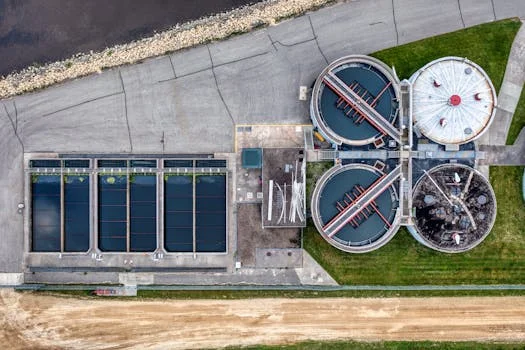
Selecting a qualified wastewater treatment supplier for a hospital in Jubail requires careful evaluation beyond initial cost, focusing on long-term compliance, reliability, and local support. First, the supplier must demonstrate extensive compliance expertise, specifically with MARAFIQ and Ministry of Health (MOH) standards. Requesting case studies from other hospitals or medical facilities in Jubail or Yanbu can provide concrete evidence of their regulatory experience. Second, assess the technology fit for your facility's specific needs and scale. For instance, compact hospital wastewater treatment systems for Jubail clinics might be suitable for smaller facilities (50-150 beds) using DAF and chlorine dioxide, while larger hospitals (200+ beds) may benefit from MBR systems for their higher efficiency and smaller footprint.
Third, ensure the supplier offers robust local support. A Jubail-based service team capable of providing 24/7 maintenance with a guaranteed response time of less than 4 hours is crucial for minimizing downtime in a critical healthcare environment. Fourth, demand complete cost transparency. Itemized quotes should clearly break down equipment costs, civil works, and permitting fees, alongside detailed operational expenditure (OPEX) estimates covering energy, chemicals, and labor. Finally, scrutinize the warranty and guarantees provided. Look for a minimum 2-year equipment warranty, a 90% uptime guarantee for the system, and performance bonds specifically tied to MARAFIQ compliance. Red flags during the selection process include a lack of verifiable Saudi references, vague descriptions of proposed technologies, or any indication of missing MARAFIQ approvals, all of which signal potential long-term risks.
Frequently Asked Questions
How is hospital wastewater treated in Jubail?
Hospital wastewater in Jubail undergoes a multi-stage treatment process typically involving screening for large solids, equalization to balance flow and concentration, biological treatment (often using advanced Membrane Bioreactor (MBR) or activated sludge systems), and final disinfection with agents like chlorine dioxide or ozone. This rigorous process ensures the effluent meets MARAFIQ's stringent discharge limits, including BOD < 30 mg/L and fecal coliform < 1,000 CFU/100mL. Advanced systems often facilitate reuse of treated effluent for irrigation or cooling towers, aligning with water conservation goals, similar to hospital wastewater treatment regulations in Kazakhstan.
What is the cost of a hospital wastewater treatment plant in Jubail?
The capital expenditure (CAPEX) for a 100 m³/day hospital wastewater treatment system in Jubail ranges from SAR 800,000 to SAR 1.5 million. Operational expenditure (OPEX) typically falls between SAR 1.2–4.0/m³, varying significantly based on the chosen technology. MBR systems, while offering higher pathogen removal and effluent quality, are generally 30–50% more expensive in CAPEX and OPEX compared to systems combining Dissolved Air Flotation (DAF) with chlorine dioxide disinfection.
Does Saudi Arabia have sewer systems for hospitals?
Yes, Saudi Arabia, including Jubail, has extensive sewer networks. However, in Jubail, the sewer network is operated by MARAFIQ, which requires hospitals to pre-treat their wastewater to specific MARAFIQ standards before discharge into the municipal system. Direct discharge of untreated hospital wastewater is strictly prohibited under Saudi Vision 2030's national water reuse targets and environmental regulations.
What are the MARAFIQ standards for hospital wastewater in Jubail?
MARAFIQ's 2024 standards for hospital effluent in Jubail include strict limits such as Biochemical Oxygen Demand (BOD) < 30 mg/L, Chemical Oxygen Demand (COD) < 250 mg/L, Total Suspended Solids (TSS) < 30 mg/L, fecal coliform < 1,000 CFU/100mL, and a pH range of 6–9. For treated wastewater intended for reuse, additional pharmaceutical monitoring may be required.
Can treated hospital wastewater be reused in Jubail?
Yes, MARAFIQ actively permits and encourages the reuse of treated hospital wastewater in Jubail, provided it meets the stringent quality parameters outlined by Saudi Vision 2030's reuse standards. This includes criteria like turbidity < 2 NTU and no detectable E. coli. Treated effluent can be safely reused for non-potable applications such as irrigation, cooling towers, and toilet flushing. MBR systems are particularly preferred for reuse applications due to their high pathogen removal efficiency and ability to produce consistently high-quality effluent, similar to how Durban hospitals treat wastewater under strict environmental regulations.
Further Reading
Explore these in-depth articles on related wastewater treatment topics: