Why Hospital Wastewater in Kazakhstan Requires Specialized Treatment
Hospital wastewater in Kazakhstan requires specialized treatment to meet WHO and local regulations, with effluent standards for E. coli (<1,000 CFU/100mL), COD (<125 mg/L), and residual chlorine (0.5–1.0 mg/L). In 2025, hospitals must comply with Kazakhstan’s adaptation of EU Directive 91/271/EEC, which mandates tertiary treatment (e.g., disinfection) for medical effluent. Costs range from $50,000–$300,000 for turnkey systems, depending on capacity (5–50 m³/h) and technology (MBR systems cost 30% more upfront but reduce OPEX by 40% over 10 years).
Hospital effluent contains 10–100× higher pathogen loads than municipal wastewater, with E. coli concentrations ranging from 105–107 CFU/100mL compared to 103–105 CFU/100mL in domestic sewage, according to WHO data from 2024. Beyond microbial contaminants, pharmaceutical residues, including antibiotics and hormones, have been detected in Kazakhstan’s water bodies, as highlighted in a 2023 UNECE report on Central Asian water quality. Non-compliance with these stringent standards can lead to significant financial penalties; under the Environmental Code of Kazakhstan, Article 326, fines can reach up to 500 MCI (approximately $1,100) per violation. For instance, a hospital in Almaty was fined 3.2 million KZT in 2024 for exceeding Chemical Oxygen Demand (COD) limits, as reported by local environmental inspection data. These factors underscore the critical need for advanced, purpose-built wastewater treatment solutions for medical facilities across Kazakhstan.
Kazakhstan’s Regulatory Standards for Hospital Wastewater: 2025 Compliance Checklist
Hospitals in Kazakhstan must adhere to a robust set of regulatory standards for wastewater discharge, ensuring the protection of public health and the environment. These standards are largely based on WHO Guidelines for Drinking-water Quality and adapted to local conditions, incorporating elements of EU directives. By 2025, compliance with Kazakhstan’s specific adaptations of EU Directive 91/271/EEC, particularly concerning tertiary treatment for medical effluent, will be mandatory. A key document governing these requirements is SanPiN 2.1.5.980-00, which sets forth critical effluent quality limits that differ from those for municipal wastewater.
The following table outlines the essential effluent quality limits that hospitals must achieve:
| Parameter | Limit | Notes |
|---|---|---|
| E. coli | <1,000 CFU/100mL | Requires tertiary treatment, e.g., disinfection. |
| Chemical Oxygen Demand (COD) | <125 mg/L | Stricter than the 150 mg/L limit for municipal wastewater. |
| Biochemical Oxygen Demand (BOD₅) | <25 mg/L | |
| Residual Chlorine | 0.5–1.0 mg/L | Applicable for systems using chlorine-based disinfection. |
| Suspended Solids | <30 mg/L |
Kazakhstan’s ratification of the UNECE-WHO Protocol on Water and Health in 2025 mandates increased monitoring of pharmaceutical residues, such as ciprofloxacin and carbamazepine, in hospital effluent. Local adaptations by Akimats in Astana and Almaty often impose even stricter limits, particularly for total nitrogen (TN <10 mg/L), to mitigate eutrophication risks in the Esil and Ili rivers. The permitting process requires hospitals to submit comprehensive wastewater treatment plans to their local Akimats for approval, as stipulated by Article 112 of the Environmental Code. Hospitals can explore how Malaysia’s hospital wastewater regulations compare to Kazakhstan’s to gain broader context on international best practices.
Hospital Wastewater Treatment Technologies: Comparison for Kazakhstan’s Climate and Regulations
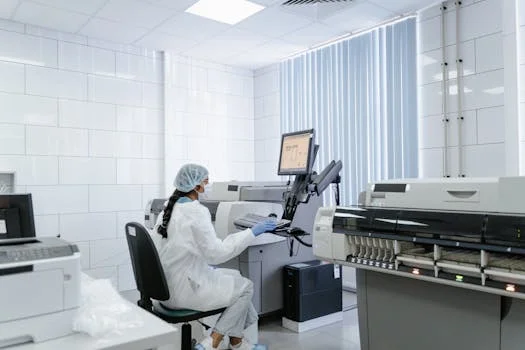
Selecting the appropriate wastewater treatment technology for a hospital in Kazakhstan requires careful consideration of the unique local climate, particularly its extreme winter temperatures, alongside the specific characteristics of medical effluent. Hospitals must not only meet stringent regulatory requirements but also ensure system reliability and cost-effectiveness in harsh environmental conditions. Key technologies like Membrane Bioreactors (MBR), Dissolved Air Flotation (DAF), and chlorine dioxide disinfection offer distinct advantages and drawbacks that must be weighed against these factors.
The following table provides a comparative overview of these technologies, tailored for the Kazakh context:
| Technology | Key Advantages | Considerations for Kazakhstan | Pharmaceutical Residue Removal | CAPEX (per m³ installed) | OPEX (kWh/m³) |
|---|---|---|---|---|---|
| MBR (Membrane Bioreactor) | Excellent effluent quality, compact footprint (60% smaller than conventional systems). | Requires insulation for -30°C winters (buried tanks or heated enclosures). Higher energy consumption. | High (90%+ with RO integration) | $200–$400 | 0.8–1.2 |
| DAF (Dissolved Air Flotation) | Effective for high FOG loads, removes 95%+ TSS and 80% COD. | Needs antifreeze additives in winter; tanks may require insulation in colder regions. | Limited (primarily TSS and COD reduction) | $100–$200 | 0.3–0.5 (excluding chemical dosing) |
| Chlorine Dioxide (ClO₂) Disinfection | High pathogen kill rate (99.9%), on-site generation reduces hazardous chemical transport. | Effective in cold temperatures. Requires careful chemical handling and monitoring. | Minimal | $50–$100 (generator only) | 0.1–0.2 (for generator operation) |
For Kazakhstan’s cold winters, MBR systems necessitate robust insulation for tanks and membranes to prevent freezing and ensure operational stability. DAF systems may also require heated tanks or antifreeze additives in northern regions like Kostanay or Pavlodar. While MBR coupled with Reverse Osmosis (RO) can achieve over 90% removal of pharmaceutical residues, it significantly increases capital expenditure by approximately 40%. For facilities prioritizing space efficiency and superior effluent quality, MBR systems for hospital wastewater treatment in Kazakhstan are a strong contender. DAF systems are particularly well-suited for hospitals with significant kitchen or laboratory wastewater, effectively managing fats, oils, and grease (FOG). Chlorine dioxide disinfection offers a potent and safe method for pathogen inactivation, crucial for remote locations where hazardous chemical logistics are a concern, and is a viable option when exploring chlorine dioxide vs. ozone and UV for hospital wastewater disinfection.
Cost Benchmarks for Hospital Wastewater Treatment Systems in Kazakhstan (2025)
Procurement teams and facility managers in Kazakhstan require transparent cost data to effectively budget for and justify investments in hospital wastewater treatment systems. The total cost of ownership encompasses both upfront capital expenditure (CAPEX) and ongoing operational expenditure (OPEX), with return on investment (ROI) driven by factors such as avoided fines, potential for water reuse, and available government subsidies. The choice of technology significantly influences these costs, with more advanced systems typically commanding higher initial investments but offering long-term operational benefits.
The following table provides estimated cost benchmarks for various wastewater treatment system types in Kazakhstan for 2025, based on typical capacities and performance requirements:
| System Type | CAPEX (per m³/h capacity) | Estimated OPEX (annual, per m³/h) | Key Cost Drivers |
|---|---|---|---|
| MBR System | $15,000–$25,000 | $1,200–$1,800 | Membrane replacement (every 5–7 years), energy consumption, specialized maintenance. |
| DAF System | $8,000–$12,000 | $900–$1,500 | Chemicals (coagulants, flocculants), sludge disposal, energy for air dissolution. |
| Chlorine Dioxide Generator (Disinfection Only) | $2,000–$5,000 | $600–$1,000 | Chemical precursors (chlorite, acid), maintenance, energy for generation. |
Beyond direct system costs, ROI is significantly impacted by avoiding regulatory fines, which can amount to up to 500 MCI (approximately $1,100) per violation under the Environmental Code. Water reuse presents another substantial economic benefit; hospitals in Astana have reported reducing water bills by 15–20% by reusing up to 30% of treated effluent for irrigation and cooling, as documented in a 2024 case study from City Hospital #1. Kazakhstan’s Green Economy Fund also offers attractive financial incentives, providing up to 30% subsidies for hospitals that adopt tertiary treatment technologies, further enhancing the financial viability of these essential upgrades.
Equipment Selection Framework: Matching Technology to Hospital Size and Effluent Profile
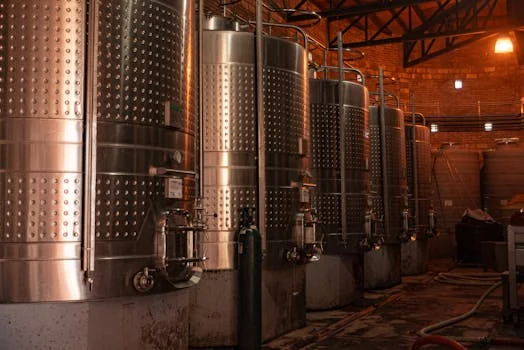
Selecting the optimal wastewater treatment solution for a medical facility in Kazakhstan requires a structured approach that aligns the hospital’s specific needs with available technologies. This framework guides facility managers and environmental engineers through a decision-making process, considering effluent characteristics, operational capacity, budgetary constraints, and the unique environmental conditions of Kazakhstan. By systematically evaluating these factors, stakeholders can make informed choices that ensure compliance, operational efficiency, and long-term sustainability.
Follow these steps to select the most appropriate equipment:
- Characterize Effluent: Conduct thorough laboratory analysis of the hospital’s wastewater to determine key parameters such as COD, BOD₅, E. coli counts, presence of pharmaceutical residues, and levels of fats, oils, and grease (FOG). This baseline data is crucial for technology selection.
- Determine Capacity Requirements: Estimate the daily or hourly wastewater flow rate. Small clinics typically require capacities of 1–5 m³/h, medium-sized hospitals 5–20 m³/h, and large hospital complexes 20–50 m³/h or more. This step informs the sizing of any chosen system, whether it's compact medical wastewater treatment systems for clinics or larger installations.
- Match Technology to Priorities:
- For stringent pathogen removal (99.9% kill rate), consider MBR systems or chlorine dioxide disinfection.
- To achieve high removal rates of pharmaceutical residues (90%+), an MBR system integrated with RO is recommended.
- To effectively remove FOG and achieve over 95% TSS reduction, DAF systems are highly suitable.
- For facilities with significant budget constraints, a combination of DAF and traditional chlorine disinfection may offer a lower CAPEX solution.
- Climate Adaptation: For MBR systems operating in Kazakhstan’s severe winter conditions, ensure adequate insulation for tanks and membranes, or consider burying the system. For DAF systems in northern regions like North Kazakhstan or East Kazakhstan, heated enclosures or antifreeze solutions may be necessary to maintain operational integrity.
- Compliance Verification: Confirm that the selected system design and specifications will meet all effluent quality limits stipulated by SanPiN 2.1.5.980-00 and any additional local requirements imposed by Akimats. This includes ensuring adequate disinfection processes are in place.
By following this framework, hospitals can confidently select solutions like MBR systems for hospital wastewater treatment in Kazakhstan, DAF systems for hospitals with high FOG loads, or compact medical wastewater treatment systems for clinics, ensuring both regulatory adherence and operational excellence.
Case Study: Hospital Wastewater Treatment System for a 300-Bed Facility in Astana
A prominent 300-bed hospital in Astana faced significant challenges in managing its wastewater, particularly concerning high pharmaceutical loads and the extreme winter climate. The facility, with an average effluent flow of 15 m³/h, required a robust and reliable treatment solution that could meet stringent environmental regulations while operating efficiently in temperatures dropping to -35°C. limited available space on-site necessitated a compact and integrated system design.
To address these complex requirements, HydropureWater designed and installed an advanced Membrane Bioreactor (MBR) system. This system was further enhanced with an integrated Reverse Osmosis (RO) module specifically for effective pharmaceutical residue removal. The MBR tanks and associated piping were strategically buried to provide natural insulation against the harsh winter temperatures, ensuring uninterrupted operation. This solution offered a compact footprint, ideal for the hospital’s space constraints.
The implemented system achieved remarkable results:
- Effluent Quality: Treated wastewater consistently met and exceeded regulatory standards, with E. coli counts below 10 CFU/100mL, COD below 50 mg/L, and pharmaceutical residues reduced to less than 1 µg/L, satisfying both WHO guidelines and SanPiN standards.
- Water Reuse: The high quality of the treated effluent enabled the hospital to reuse approximately 40% of it for landscape irrigation, resulting in an 18% reduction in overall water procurement costs.
- Return on Investment (ROI): The total project ROI was calculated at 4.2 years, significantly accelerated by a 30% government subsidy from the Green Economy Fund for adopting advanced wastewater treatment technologies.
Key lessons learned from this installation include the benefit of pre-treating high-strength wastewater with a DAF unit prior to the MBR stage. This pre-treatment step was found to reduce membrane fouling by up to 30%, extending membrane lifespan and reducing maintenance frequency. Additionally, the use of heated enclosures for critical components further extended the operational life of membranes by an estimated two years.
Frequently Asked Questions
Addressing common queries from facility managers, procurement officers, and environmental engineers is crucial for ensuring smooth implementation and ongoing compliance of hospital wastewater treatment systems in Kazakhstan.
What are the penalties for non-compliance with hospital wastewater regulations in Kazakhstan?
Non-compliance with hospital wastewater regulations in Kazakhstan can result in significant financial penalties. According to the Environmental Code of Kazakhstan, Article 326, fines can be imposed up to 500 MCI (approximately $1,100) per violation. Repeated or severe violations may lead to further legal action and operational restrictions.
How does Kazakhstan’s climate affect wastewater treatment system design?
Kazakhstan’s extreme climate, with winter temperatures frequently dropping below -30°C, significantly impacts wastewater treatment system design. Systems must be robustly insulated to prevent freezing of pipes, tanks, and critical components. Technologies like MBRs may require buried tanks or heated enclosures, while DAF systems might need antifreeze additives or heated tanks, especially in northern regions. On-site generation of disinfectants, such as chlorine dioxide, is also advantageous as it avoids the risks associated with transporting hazardous chemicals in severe weather.
What is the most cost-effective technology for small clinics in Kazakhstan?
For small clinics with limited wastewater flow (1–5 m³/h) and potentially tighter budgets, a compact medical wastewater treatment system or a combination of DAF followed by a basic disinfection process (e.g., chlorine) often presents the most cost-effective solution. These systems offer a balance between CAPEX, operational simplicity, and the ability to meet basic regulatory requirements for E. coli and BOD/COD. While MBR systems offer superior effluent quality, their higher initial investment may be prohibitive for very small facilities.
Can treated hospital wastewater be reused in Kazakhstan, and what are the requirements?
Yes, treated hospital wastewater can be reused in Kazakhstan for non-potable purposes such as irrigation, cooling systems, and industrial processes, provided it meets stringent quality standards. The requirements are typically governed by local environmental regulations and may necessitate advanced treatment stages, including tertiary treatment and disinfection, to ensure safety and prevent public health risks. Protocols for water reuse are increasingly being developed in line with international standards and national sustainability goals.
How often should hospital wastewater treatment systems be serviced in Kazakhstan?
The servicing frequency for hospital wastewater treatment systems in Kazakhstan depends on the specific technology employed, the volume and nature of the wastewater treated, and the manufacturer's recommendations. Generally, routine inspections and minor maintenance should occur monthly or quarterly. Major servicing, including calibration, component checks, and potential replacement of consumables (e.g., membranes in MBRs), is typically recommended annually or bi-annually. For MBR systems, membrane cleaning cycles and condition monitoring are critical and should be performed according to manufacturer specifications to maintain optimal performance and prevent premature failure.
Related Equipment
- MBR systems for hospital wastewater treatment in Kazakhstan — view specifications, capacity range, and technical data
- DAF systems for hospitals with high FOG loads — view specifications, capacity range, and technical data
- compact medical wastewater treatment systems for clinics — view specifications, capacity range, and technical data
- chlorine dioxide disinfection for hospital effluent — view specifications, capacity range, and technical data
Need a customized solution? Request a free quote with your specific flow rate and pollutant parameters.