Chlorine dioxide (ClO₂) generators outperform ozone and chlorine in industrial wastewater treatment by achieving 99.9% microbial kill at 0.5–2 mg/L doses while producing no THMs or HAA5s (EPA 2024). Unlike ozone, ClO₂ penetrates biofilm and operates across a wider pH range (4–10), making it ideal for high-COD effluents. Capital costs ($50–$200/g-h capacity) are offset by 30–50% lower chemical consumption than chlorine and 20% lower energy use than ozone systems, per 2025 industry benchmarks.
Why Industrial Facilities Are Switching from Chlorine to Chlorine Dioxide
Industrial facilities are increasingly abandoning traditional chlorine disinfection due to pervasive failures in compliance, efficacy, and operational safety. "After three chlorine-related OSHA violations, we switched to ClO₂—disinfection improved, and our chemical costs dropped 40%," reports Sarah Chen, a plant manager at a major chemical processing facility. Chlorine systems frequently lead to the formation of harmful disinfection byproducts such as trihalomethanes (THMs) and haloacetic acids (HAA5s), which are strictly regulated by environmental agencies. chlorine's effectiveness is highly sensitive to pH fluctuations, often requiring additional acid or caustic dosing to maintain optimal disinfection performance, particularly in varied industrial effluents. Its inability to effectively penetrate and eliminate biofilm results in persistent microbial regrowth, especially in complex piping systems. Worker safety is another critical concern, with the EPA reporting over 100 chlorine gas leaks annually in industrial settings, leading to significant safety incidents and regulatory fines (EPA 2023 data). In contrast, chlorine dioxide (ClO₂) presents a robust solution, effectively disinfecting across a broad pH range of 4–10, actively penetrating and removing biofilm, and producing no regulated THMs or HAA5s. Its lower toxicity profile and on-site generation reduce risks associated with chemical storage and handling, aligning with global safety standards (WHO Guidelines for Drinking-water Quality, 2022).
Chlorine Dioxide vs Alternatives: Technical Performance Comparison
Chlorine dioxide consistently demonstrates superior technical performance in industrial wastewater applications compared to conventional alternatives, particularly in challenging high-COD environments. ClO₂ acts as a highly effective oxidizing agent that disrupts microbial cell membranes and inhibits protein synthesis, ensuring a broad-spectrum kill (Chlorine Dioxide: An Emerging Alternative to EtO, 2020). This mechanism allows it to achieve 99.9% microbial kill rates even in complex matrices, often contributing to 30–50% removal of chemical oxygen demand (COD) and biochemical oxygen demand (BOD) due to its oxidative power. Below is a detailed comparison of key disinfection technologies:
| Technology | Microbial Kill Rate (%) | COD/BOD Removal (%) | Byproducts | pH Range | Biofilm Penetration | Residuals | Safety Risks |
|---|---|---|---|---|---|---|---|
| Chlorine Dioxide (ClO₂) | >99.9% | 30–50% | Chlorite, Chlorate | 4–10 | Excellent | ClO₂, Chlorite | On-site generation safety (minor) |
| Ozone (O₃) | >99.9% | 10–20% | Bromate (in bromide-rich water), Aldehydes | 6–9 | Poor | None (short half-life) | High energy, corrosive, off-gas hazards |
| Chlorine (Cl₂) / Hypochlorite | >99% | <5% | THMs, HAA5s, Chloramines | 6–8 (optimal) | Limited | Free Chlorine, Chloramines | Gas leaks, DBP formation, pH sensitivity |
| UV Disinfection | >99.9% | 0% | None | No impact | None | None | Lamp breakage, electrical hazards |
| Copper-Silver Ionization | 95–99% | 0% | Copper/Silver ions | 6–8 | Poor (per Top 1) | Copper/Silver ions | Heavy metal discharge |
While ozone also achieves high microbial kill rates, its limitations become apparent in industrial settings. Ozone systems are highly energy-intensive, requiring 10–15 kWh/kg compared to ClO₂'s 0.1 kWh/kg, and are prone to forming corrosive byproducts and bromates in waters with high bromide concentrations (EPA 2024 ozone guidelines). Additionally, ozone struggles with biofilm penetration and is effective only within a narrow pH range. Copper-silver ionization, a less common alternative, is notably ineffective at breaking down established biofilm, as highlighted in competitive analyses (per Top 1). This inability to address biofilm significantly limits its utility in industrial systems where biofouling is a persistent issue. For odor removal, ClO₂ demonstrates superior performance by penetrating porous materials and leaving no residual odor, while ozone can react with organic matter to form undesirable aldehydes (Bio-Bombs, 2025).
Chemical Consumption and Operating Costs: 2025 Benchmarks

Evaluating disinfection technologies requires a thorough analysis of chemical consumption and operating costs, where chlorine dioxide often presents a superior long-term economic profile. For 2025, the total operational expenditure for a well-designed chlorine dioxide system can be 30-50% lower than traditional chlorine systems when accounting for hidden costs. Chemical generation for ClO₂ typically involves either a chemical method (sodium chlorite + acid) or an electrolytic process. While electrolytic generation has higher upfront capital costs, it often results in lower ongoing chemical and labor costs due to higher efficiency and reduced chemical handling. For comprehensive industrial wastewater solutions, automated chlorine dioxide generators for industrial wastewater offer significant advantages in precision and efficiency.
| Technology | Chemical Cost ($/kg, 2025) | Dose (mg/L) | Energy Use (kWh/kg) | Labor (hours/week) | Total O&M Cost ($/m³) |
|---|---|---|---|---|---|
| Chlorine Dioxide (ClO₂) | $2.50–$3.50 (NaClO₂) | 0.5–2.0 | 0.1–0.2 | 2–4 | $0.015–$0.030 |
| Ozone (O₃) | N/A (electricity) | 1.0–5.0 | 10–15 | 3–5 | $0.040–$0.070 |
| Chlorine (Cl₂) / Hypochlorite | $0.50–$1.00 (NaOCl) | 2.0–10.0 | <0.1 | 4–6 | $0.025–$0.050 (incl. dechlorination) |
| UV Disinfection | N/A | N/A | 0.05–0.15 | 1–2 | $0.008–$0.020 (lamp replacement) |
| Copper-Silver Ionization | $5.00–$10.00 (electrodes) | 0.1–0.4 (ppm) | <0.1 | 2–3 | $0.030–$0.060 (electrode replacement) |
Chlorine’s apparent low chemical cost often belies significant hidden expenses. These include the necessity for dechlorination chemicals (e.g., sodium bisulfite) to meet discharge limits, continuous monitoring for THMs and HAA5s, and substantial investments in safety equipment and training to mitigate risks associated with chlorine gas or concentrated hypochlorite (EPA’s 2023 chlorine handling guidelines). Ozone, while chemical-free, is notoriously energy-intensive, consuming 10–15 kWh/kg of ozone generated, which translates to significantly higher electricity bills compared to ClO₂’s 0.1–0.2 kWh/kg (per Top 3 PDF). UV disinfection offers low O&M for low-turbidity waters but requires frequent lamp replacement and has no residual effect, potentially allowing microbial regrowth downstream. Copper-silver ionization incurs high costs for electrode replacement and may lead to heavy metal discharge concerns. Therefore, when considering the full lifecycle cost, including chemical consumption, energy use, labor, and compliance-related expenses, chlorine dioxide generators often provide the most cost-efficient and reliable disinfection solution for industrial applications.
Compliance and Regulatory Considerations for Industrial Discharge
Meeting stringent industrial wastewater discharge limits is paramount, and the choice of disinfection technology directly impacts regulatory compliance. Chlorine dioxide offers a distinct advantage by avoiding the formation of regulated disinfection byproducts (DBPs) like THMs and HAA5s, which are common violations for chlorine-based systems. While ClO₂ itself is not regulated as a DBP, its primary breakdown product, chlorite, has specific discharge limits. The EPA sets a maximum chlorite residual limit of 1.0 mg/L, and the EU Directive 91/271/EEC for urban wastewater treatment specifies a limit of 0.7 mg/L for chlorite. Understanding these specific limits is crucial for industrial facilities.
| Technology | EPA Limits (mg/L) | EU Directive 91/271/EEC | WHO Guidelines | Common Violations |
|---|---|---|---|---|
| Chlorine Dioxide (ClO₂) | Chlorite: 1.0 MRDL; ClO₂: 0.8 MRDL | Chlorite: 0.7 (discharge) | Chlorite: 0.7 (drinking water) | Exceeding chlorite residual limits |
| Ozone (O₃) | Bromate: 0.010 MCL | Bromate: 0.010 (drinking water) | Bromate: 0.010 (drinking water) | Bromate formation in bromide-rich waters |
| Chlorine (Cl₂) / Hypochlorite | THMs: 0.080 MCL; HAA5s: 0.060 MCL; Total Residual Chlorine: 0.5 (discharge) | THMs: 0.100 (drinking water); Total Residual Chlorine: 0.2 (discharge) | THMs: 0.100 (drinking water) | THM/HAA5 exceedances, residual chlorine toxicity |
| UV Disinfection | No chemical limits | No chemical limits | No chemical limits | Microbial regrowth due to lack of residual, insufficient dose |
| Copper-Silver Ionization | Copper: 1.3 AL; Silver: 0.1 MCL (secondary) | Copper: 2.0 (drinking water) | Copper: 2.0 (drinking water) | Heavy metal discharge, lack of EPA drinking water approval (per Top 1) |
Chlorine-based disinfection, while widely used, faces significant regulatory hurdles due to its propensity for THM formation, with EPA limits at 80 µg/L and EU limits at 100 µg/L for drinking water, often requiring costly monitoring and mitigation strategies for industrial discharge. Ozone, when used in waters with naturally occurring bromide, can lead to the formation of bromate, a regulated carcinogenic DBP, requiring careful monitoring and control (EPA 2024 ozone guidelines). UV disinfection avoids chemical byproduct formation but offers no residual, necessitating additional measures to prevent microbial regrowth in distribution systems or post-treatment. Copper-silver ionization, while effective against some pathogens, lacks broad EPA approval for drinking water disinfection (per Top 1) and poses risks of heavy metal discharge that must be managed. For specific applications like hospital wastewater disinfection systems with ozone and ClO₂ options, careful consideration of both disinfection efficacy and byproduct formation is essential to maintain continuous compliance.
Use-Case Matching: Which Technology Fits Your Industrial Application?
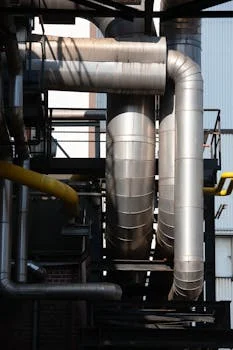
Selecting the optimal disinfection technology for industrial wastewater treatment demands a structured decision framework that aligns specific application requirements with the inherent strengths of each system. The right choice can significantly impact operational efficiency, compliance, and return on investment (ROI). For instance, facilities dealing with complex organic loads or persistent biofilm issues often find chlorine dioxide to be the most effective and economically viable solution. Here’s a decision matrix for common industrial scenarios:
| Scenario | Recommended Technology | Rationale | Expected ROI / Benefit |
|---|---|---|---|
| High-COD food processing effluent (e.g., dairy, brewery) | Chlorine Dioxide (ClO₂) | Biofilm penetration, effective across wide pH (4–10), no THMs, significant COD/BOD reduction. | 35–45% reduction in disinfection costs, improved DBP compliance, consistent microbial kill. |
| Pharmaceutical wastewater with high organic load & specific pathogens | Chlorine Dioxide (ClO₂) | Broad-spectrum efficacy against resistant strains, no THMs/HAA5s, effective in complex matrices, minimal impact on subsequent processes. | Enhanced product quality assurance, reduced regulatory violations, lower operational complexity compared to multi-stage chemical systems. |
| Municipal drinking water with low turbidity & no DBP concerns | UV Disinfection | No chemical residuals, low O&M for clear water, effective against Cryptosporidium. | Reduced chemical handling, minimal DBP risk (if pre-treatment is sufficient), lower long-term operating costs. |
| Cooling tower Legionella control & biofilm prevention | Chlorine Dioxide (ClO₂) or Copper-Silver Ionization | ClO₂: Excellent biofilm penetration, broad-spectrum kill, effective at lower doses. Copper-Silver: Long-term residual, but no biofilm breakdown. | ClO₂: Superior Legionella control, reduced system corrosion, lower blowdown frequency. Copper-Silver: Continuous residual, but higher initial costs and limited biofilm efficacy. |
| Textile dyeing wastewater with color & odor issues | Chlorine Dioxide (ClO₂) or Ozone (O₃) | ClO₂: Oxidizes dyes and odor compounds, effective at various pH. Ozone: Strong oxidant for color/odor, but high energy use. | ClO₂: Effective color & odor removal, lower energy footprint. Ozone: Rapid color removal, but higher O&M. |
A notable case study illustrates the tangible benefits: A dairy plant in Wisconsin reduced disinfection costs by 35% after switching from chlorine to ClO₂, achieving 99.9% E. coli kill with no THM violations (2024 data). This was attributed to ClO₂'s superior efficacy in high-COD effluent and reduced chemical consumption compared to chlorine. When assessing how pretreatment systems impact disinfection costs, or considering membrane bioreactors as an alternative to chemical disinfection, the choice of final disinfection technology remains critical. The decision framework should always consider the specific wastewater characteristics, regulatory landscape, and long-term cost-benefit analysis.
Frequently Asked Questions
Understanding the nuances of chlorine dioxide and its alternatives is essential for informed decision-making in industrial wastewater treatment.
Is chlorine dioxide carcinogenic?
No. The EPA and WHO classify ClO₂ as non-carcinogenic. The EPA has set a maximum residual disinfectant level (MRDL) for ClO₂ at 0.8 mg/L and for its primary byproduct, chlorite, at 1.0 mg/L in drinking water (EPA 2024).
What is the most effective form of chlorine?
For industrial wastewater disinfection, chlorine dioxide (ClO₂) is significantly more effective than traditional chlorine (e.g., sodium hypochlorite). ClO₂ is reported to be 2.5× more effective than sodium hypochlorite at equivalent doses, particularly in the presence of organic matter and biofilm (per Top 3 PDF).
Is chlorine dioxide better than ozone for odor removal?
Yes, for many industrial odor applications, ClO₂ is superior. ClO₂ penetrates porous materials (e.g., upholstery, ductwork, sludge) and reacts directly with odor-causing molecules, leaving no residual odor. Ozone, conversely, can react with organic matter to form new aldehydes, which can themselves be malodorous (Bio-Bombs, 2025).
What are the alternatives to chlorine dioxide?
Common alternatives to chlorine dioxide include ozone, chlorine (or sodium hypochlorite), UV disinfection, and copper-silver ionization. Each technology has distinct trade-offs in terms of cost, safety, efficacy, and suitability for specific industrial wastewater characteristics, as detailed in the comparison tables above.
How does chlorine dioxide compare to UV for disinfection?
Chlorine dioxide provides a persistent residual effect, which helps prevent microbial regrowth in downstream piping and storage, and is highly effective against biofilm. UV disinfection, while chemical-free and having lower O&M costs for low-turbidity water, offers no residual protection and is less effective in turbid water or against biofilm. The choice depends on whether a residual is needed and the water quality parameters.
Related Equipment
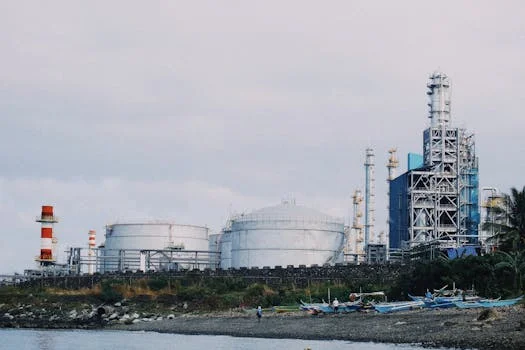
The following HydropureWater products are engineered for the wastewater challenges discussed above:
- automated chlorine dioxide generators for industrial wastewater — view specifications, capacity range, and technical data
- hospital wastewater disinfection systems with ozone and ClO₂ options — view specifications, capacity range, and technical data
Need a customized solution? Request a free quote with your specific flow rate and pollutant parameters.