Hospital wastewater in Durban requires specialized treatment to meet eThekwini municipality’s strict discharge limits for pathogens, pharmaceutical residues, and heavy metals. A 2025 engineering analysis shows that systems like Organica’s botanical garden treatment plant achieve 99.9% pathogen removal and 30% lower operational costs than conventional activated sludge systems, while MBR systems excel in space-constrained urban hospitals. This guide provides Durban-specific compliance requirements, cost benchmarks (CAPEX: R5M–R20M, OPEX: R0.80–R2.50/m³), and a decision framework for selecting equipment tailored to hospital effluent characteristics.
Why Durban Hospitals Need Specialized Wastewater Treatment
The eThekwini municipality’s 2023 Water and Sanitation Bylaws mandate that hospital effluent must meet strict numeric limits, including a Chemical Oxygen Demand (COD) of less than 75 mg/L, Total Suspended Solids (TSS) of less than 25 mg/L, and fecal coliform counts below 1,000 CFU/100mL. These regulations are increasingly enforced as Durban’s aging infrastructure struggles with the complex chemical load generated by healthcare facilities.Unlike municipal sewage, hospital wastewater contains a high concentration of recalcitrant organic compounds, including pharmaceutical residues like carbamazepine and diclofenac, which conventional treatment plants are not designed to remove efficiently.
A 2024 engineering report from the SJ Group highlighted the Northern Wastewater Treatment Works’ upgrade, which was specifically necessitated by the rising levels of pharmaceutical residues entering the system from surrounding medical hubs. Durban hospitals are significant contributors of antibiotic-resistant bacteria (e.g., MRSA) and viruses such as SARS-CoV-2, which can persist in the environment if not neutralized at the source. Chemotherapy drugs and iodine-based contrast agents pose a significant ecotoxicological risk to Durban’s coastal waters, requiring advanced oxidation or membrane filtration to achieve safe discharge levels (per WHO 2024 guidelines).
The financial and reputational stakes for non-compliance are substantial. According to eThekwini Environmental Health Services (2025), hospitals facing violations can be fined up to R500,000 per occurrence. Public scrutiny has also intensified following incidents like the 2023 sewage spills at Mbagathi Hospital, which resulted in widespread public backlash and forced immediate, costly infrastructure overhauls. For facility managers, implementing on-site compact medical wastewater treatment systems for clinics and small hospitals is no longer just a regulatory checkbox but a critical risk mitigation strategy.
Durban’s Regulatory Requirements for Hospital Wastewater
The eThekwini Water and Sanitation Bylaws 2023 serve as the primary legal instrument governing the discharge of trade effluent, which includes all wastewater from medical facilities.In addition to local bylaws, hospitals must adhere to the South African Water Quality Guidelines (SAWQG) 2024, which define target ranges for receiving waters. For instance, pH levels must be maintained between 6 and 9, and dissolved oxygen must remain above 5 mg/L to protect local aquatic ecosystems. The National Environmental Management: Waste Act (NEMWA) 2008 further requires that hazardous waste, such as chemotherapy-tainted effluent, be segregated and pre-treated on-site before it enters the general wastewater stream.
| Parameter | eThekwini Discharge Limit (2025) | SAWQG Target Range |
|---|---|---|
| Chemical Oxygen Demand (COD) | < 75 mg/L | N/A |
| Biochemical Oxygen Demand (BOD) | < 30 mg/L | < 5 mg/L (Receiving Water) |
| Total Suspended Solids (TSS) | < 25 mg/L | < 10 mg/L |
| Ammonia (NH3-N) | < 10 mg/L | < 1.0 mg/L |
| Fecal Coliform | < 1,000 CFU/100mL | 0 CFU/100mL (Target) |
| Chlorine Residual | < 0.5 mg/L | < 0.1 mg/L |
The permitting process in Durban is rigorous. Facility managers must submit a formal Trade Effluent Permit application to eThekwini Water and Sanitation. This involves a technical site assessment, submission of engineering drawings, and an application fee ranging from R1,200 to R5,000 depending on the projected flow rate. Approval timelines typically span 4 to 8 weeks. Failure to maintain these standards can lead to immediate fines or mandatory upgrade orders, as seen in the 2024 case of Addington Hospital, which was required to install tertiary filtration within six months following a series of failed compliance tests.
Hospital Wastewater Treatment Technologies: Durban-Specific Comparison
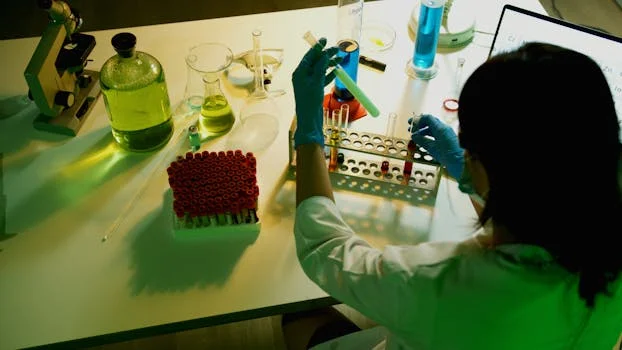
Selecting the appropriate treatment technology in Durban requires balancing high contaminant removal efficiency with local constraints such as high energy costs (R1.80/kWh in 2025) and limited urban footprint. Membrane Bioreactor (MBR) systems have emerged as the gold standard for Durban hospitals due to their ability to produce high-quality effluent suitable for reuse in a compact area. Compared to traditional activated sludge, MBR systems for hospital wastewater treatment in Durban utilize PVDF membranes with a pore size of 0.1 μm, ensuring 99.9% pathogen removal and a 60% reduction in physical footprint (HydropureWater MBR product specs).
For hospitals with large catering facilities, Dissolved Air Flotation (DAF) is an essential pre-treatment step. DAF systems for high FOG and TSS removal in hospital kitchens use micro-bubbles (25–50 μm) to lift fats, oils, and grease to the surface for mechanical removal, achieving up to 95% TSS reduction. This prevents the clogging of downstream biological units and ensures compliance with municipal grease-trap regulations.
| Technology | Removal Efficiency (Pathogens) | Footprint | Energy Use | CAPEX (Durban) | OPEX (per m³) |
|---|---|---|---|---|---|
| MBR (Membrane Bioreactor) | 99.9% | Ultra-Compact | High | R12M – R20M | R1.20 – R2.50 |
| DAF (Dissolved Air Flotation) | Low (TSS/FOG focus) | Medium | Moderate | R3M – R8M | R0.80 – R1.50 |
| Chlorine Dioxide Gen. | 99.99% | Small | Low | R500k – R2M | R0.50 – R1.00 |
| Organica System | 99.0% | Compact/Botanical | Low | R15M – R25M | R0.90 – R1.60 |
Chlorine dioxide generators are often integrated as a final disinfection stage. Unlike traditional chlorine, chlorine dioxide is highly effective against antibiotic-resistant bacteria and does not produce harmful trihalomethanes (THMs). This technology is particularly favored in Durban for its 99.99% kill rate, aligning with WHO Guidelines for Drinking-water Quality. When considering how to select the best medical wastewater treatment system for your facility, the decision often hinges on whether the priority is footprint or operational simplicity.
Cost Benchmarks for Hospital Wastewater Treatment in Durban (2025)
The cost of implementing hospital wastewater treatment systems in Durban varies based on technology and capacity.Capital Expenditure (CAPEX) for hospital wastewater systems in Durban is influenced by equipment importation costs, local installation labor, and the complexity of the required treatment train. As of 2025, a standard MBR system capable of processing 100–500 m³/day typically ranges from R12 million to R20 million. In contrast, a DAF system for kitchen pre-treatment is more affordable at R3 million to R8 million. These costs include the primary treatment units, control systems, and initial commissioning by certified engineers.
Operational Expenditure (OPEX) is dominated by energy consumption and chemical dosing. With Durban’s electricity rates at approximately R1.80/kWh, the energy-intensive nature of MBR aeration results in OPEX costs of R1.20 to R2.50 per cubic meter of treated water. Chlorine dioxide disinfection is the most cost-effective from an operational standpoint, costing between R0.50 and R1.00 per m³. Facility managers must also budget for membrane replacement every 5 to 7 years, which can cost between R2 million and R5 million depending on the system size.
| Cost Component | MBR System (200 m³/day) | DAF System (200 m³/day) | ClO2 Generator |
|---|---|---|---|
| CAPEX | R15,000,000 | R5,500,000 | R1,200,000 |
| Annual OPEX | R1,440,000 | R860,000 | R450,000 |
| Energy Cost (kWh) | R1.80 | R1.80 | R1.80 |
| Payback Period | 4.5 Years | 3.2 Years | 1.5 Years |
The Return on Investment (ROI) for these systems is calculated by comparing the total cost of ownership against the savings from avoided municipal fines and the potential for water reuse. For example, a Durban hospital using a 200 m³/day MBR system can achieve a payback period of approximately 4.5 years. This assumes a water reuse revenue (or savings) of R0.50/m³ for non-potable applications like irrigation or cooling tower make-up. The 2024 upgrade at Addington Hospital serves as a local benchmark: the R15M investment resulted in a 3.8-year payback period due to the elimination of heavy non-compliance penalties and a reduction in fresh water intake (data from eThekwini municipality).
Equipment Selection Framework for Durban Hospitals
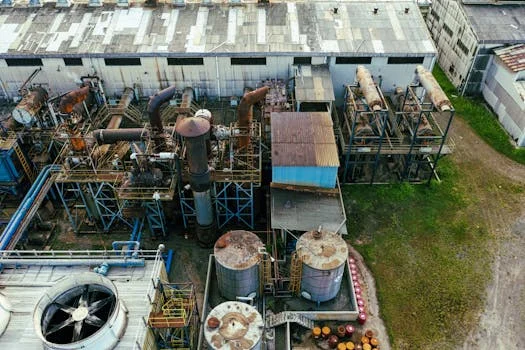
The first step is to characterize the wastewater through comprehensive sampling during peak operating hours. A typical 300-bed hospital in Durban generates between 150 and 200 m³/day of effluent, often characterized by high surges in pharmaceutical concentrations and disinfectants during morning cleaning cycles.
The second step involves assessing site-specific constraints. Urban hospitals in the Durban CBD or Umhlanga often face severe space limitations, making the high-density footprint of MBR systems for hospital wastewater treatment in Durban the only viable option. Odor control is another critical factor; systems located near patient wards or public areas must prioritize submerged biological processes or advanced air scrubbing units to maintain a therapeutic environment. For a broader perspective, facility managers can examine