What Makes Coking Wastewater One of the Hardest Industrial Streams to Treat
Coking wastewater carries the full pollutant fingerprint of coal carbonization: high COD, high ammonia, phenols, cyanides, thiocyanate, polycyclic aromatic hydrocarbons, and oil & grease, all in a single stream. A coking plant typically generates seven distinct wastewater sources identified in the 2023 vinventor process overview: residual ammonia water (raw gas condensate), asphalt cooling water, final cooling water, diphenyl separation water, refined benzene separation water, tar washing wastewater, and biochemical wastewater. Once these streams are combined, typical raw-water envelopes run at several thousand mg/L COD, 200–3,000 mg/L NH3-N, 200–1,600 mg/L total phenols, and 5–80 mg/L total cyanide, with thiocyanate and PAHs adding a refractory load that conventional activated sludge cannot touch.
The practical consequence is that the conventional baseline confirmed in the Wang et al. 2019 O/A/O study (Cited 47) — solvent extraction, steam stripping, and biological treatment — still works as a front-end, but it no longer delivers effluent fit for surface-water discharge or cooling-tower reuse in 2026. The remaining gap is caused by refractory organics: quinolines, indoles, pyridines, and polycyclic aromatics that pass a conventional aeration tank and leave 100–300 mg/L of residual COD. Closing that gap is exactly what the advanced-oxidation, MBR, and ZLD steps in a 2026 process train are designed to do. Engineers specifying coking duty in 2026 should treat the 2023 vinventor-described “ammonia distillation + biochemistry” line as a starting point only and plan the polishing and salt-separation stages from day one. For more on the ammonia side of the design basis, see the ammonia nitrogen removal technology comparison.
Stage 1: Pretreatment — Phenol Extraction and Ammonia Stripping
The standard 2026 front-end is still the two-step recovery sequence cited in both Wang et al. 2019 and the 2023 vinventor article: solvent extraction of phenols followed by steam stripping of free ammonia. The phenol extraction stage uses diisopropyl ether (DIPE), methyl isobutyl ketone (MIBK), or tricresyl phosphate (TCP) as the extractant, typically in a multi-stage mixer-settler or pulsed column at a solvent-to-wastewater ratio around 1:5 by volume. Recoveries are consistent across references: solvent extraction removes 80–90% of total phenols, and a downstream steam stripper operated at pH 10.5–11.5 with a steam-to-wastewater mass ratio of ~0.12 removes 70–85% of free NH3-N. The recovered ammonia is typically scrubbed with sulfuric acid to produce ammonium sulfate fertilizer, and the recovered phenol-rich solvent is distilled and recycled to the by-products plant — together these credits offset 15–25% of the train's OPEX.
The legacy 2023 vinventor-described approach (mixed wastewater → ammonia distillation → biological) “can effectively remove benzene and the like in wastewater, but has great shortcomings” (vinventor, 2023-06): high steam consumption, NH3-N air pollution from the stripper overhead, and a complete inability to deal with fixed ammonia or thiocyanate-bound nitrogen, which passes through the stripper untouched. The 2026 upgrade is to add a fixed-ammonia hydrolyzer upstream of the stripper — dosing NaOH to pH 12–13 with live steam at 95–105 °C to crack NH4SCN and (NH4)2S2O3 — which raises total nitrogen removal in the stripper from approximately 40% to approximately 75%. For plants with tight indirect-discharge nitrogen caps, this single step is often the cheapest kilogram of nitrogen removed anywhere in the train; the design logic overlaps with the principles in this high nitrate wastewater denitrification guide.
Stage 2: Biological Treatment — A/O, A2O, SBR, and MBR for Coking Duty
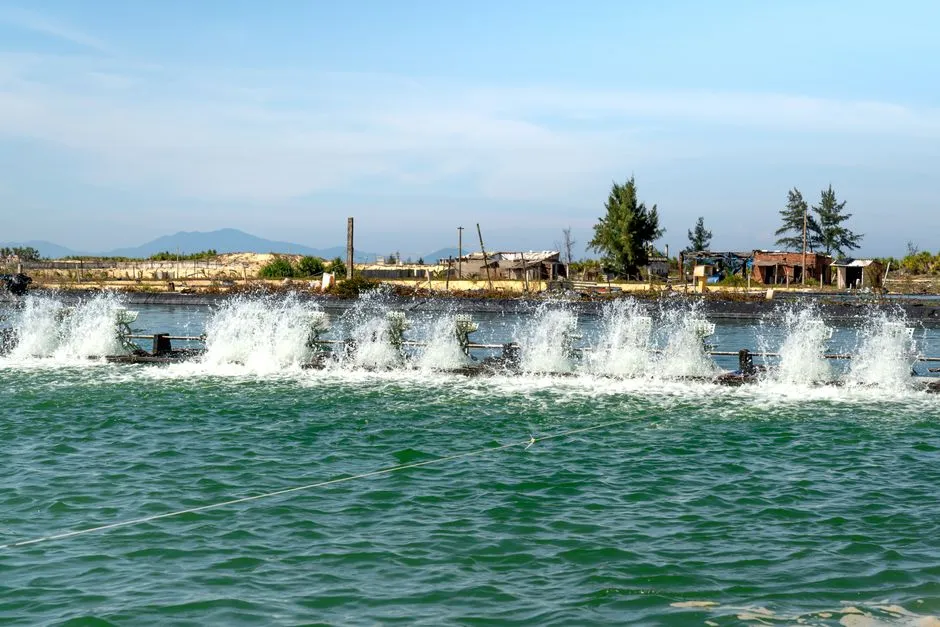
The biological stage is where most of the COD, NH3-N, and phenol load is actually mineralized, and the 2026 reference case is the Wang et al. 2019 O/A/O (Oxic-Anoxic-Oxic) configuration, which reports approximately 95% COD removal and approximately 90% NH3-N removal on real coking influent. Four biological configurations are routinely specified for coking duty in 2026, and the trade-offs between them drive both footprint and downstream polishing cost. The matrix below is built from Wang et al. 2019, WesTech's STM-Aerotor™ IFAS reference, and HydropureWater field data on coking retrofits.
| Configuration | Footprint vs conventional | Typical MLSS (mg/L) | Effluent COD (mg/L) | Effluent NH3-N (mg/L) | Main weakness on coking duty |
|---|---|---|---|---|---|
| A/O (single-sludge anoxic + aerobic) | 1.0× (baseline) | 3,000–5,000 | 150–250 | 10–25 | Poor TN removal; sensitive to thiocyanate spikes |
| A2O (anaerobic + anoxic + aerobic) | 1.1–1.2× | 3,500–6,000 | 120–200 | 8–20 | Anaerobic zone upset by residual solvent from extraction |
| SBR (sequencing batch) | 0.8–0.9× | 4,000–6,000 | 130–220 | 8–15 | Limited capacity for continuous large flows; complex controls |
| MBR (submerged PVDF membrane) | 0.5–0.7× | 6,000–10,000 | 80–150 | 5–15 | Membrane fouling from tar & oil; higher OPEX for cleaning |
For greenfield coking plants in 2026, the default recommendation is A2O followed by a submerged MBR membrane bioreactor system, with the membrane stage populated by DF-series PVDF flat sheet MBR modules rated at 0.1–0.2 µm nominal pore size. The MBR holds back slowly degrading organics and most suspended solids, which is what drops effluent COD into the 80–150 mg/L band where an advanced-oxidation polish becomes economically viable rather than punishing. Plants with severe land constraints or a hard reuse target should consider the IFAS variant (WesTech STM-Aerotor™), which combines a moving fixed-film carrier with activated sludge to push MLSS-effective inventory to 8,000–12,000 mg/L without raising clarifier solids loading. Standard 2026 process-control targets: HRT 24–48 h, SRT 30–60 days, dissolved oxygen 1.5–2.5 mg/L in aerobic zones, pH 7.0–8.0, and methanol or acetate dosing on the anoxic return for denitrification polish at a COD:N ratio of approximately 6:1.
Stage 3: Advanced Oxidation and Polishing for Surface-Water Discharge
Biological effluent from coking wastewater typically still contains 100–200 mg/L of refractory COD — humic acids, residual PAHs, soluble microbial products, and pyridine derivatives — and will not meet GB 16171-2012 indirect-discharge limits without a polishing step. The 2026 menu is dominated by three advanced-oxidation options, each with a defensible design basis.
Fenton oxidation is the workhorse: Fe²⁺ 200–400 mg/L dosed with H2O₂ at an H2O₂/COD mass ratio of 1.5–2.0, controlled at pH 2.8–3.2 with a 30–60 minute reaction time, followed by neutralization to pH 7–8 to precipitate iron sludge. Typical COD reduction is 50–70%. Reagent dosing is best handled by a PLC-controlled chemical dosing system tied to the upstream flow meter; manual dosing on a Fenton reactor is a common root cause of CBOD excursions in older Chinese coking plants. Ozone + H2O₂ (the peroxone process) at an O3:H2O2 mass ratio of about 1:0.5 is preferred where iron-free effluent is required (no Fenton sludge to handle) and typically removes 40–60% of residual COD at an ozone dose of 1.0–1.8 g/L. Catalytic ozonation over Cu-Mn-Al2O3 or Fe-loaded activated carbon is the highest-performance option: 60–80% COD reduction at an O3 dose of 1.5–2.5 g/L, with the catalyst bed replacing homogeneous H2O₂ consumption.
The 2023 vinventor article describes powdered activated carbon (PAC) adsorption as a polishing option. PAC works but generates 5–10× the sludge volume of catalytic oxidation and is rarely the 2026 default for plants discharging to surface water or cooling-tower reuse. For a coking site that must also handle free cyanide spikes, chemical precipitation ahead of the Fenton stage should be evaluated as a polishing-of-polishing step; design specifics are in the cyanide removal process design reference.
Stage 4: Tertiary Treatment, Reuse, and Zero Liquid Discharge (ZLD)
After advanced oxidation, the 2026 train forks into one of three finishing paths depending on the site's water-cost pressure and discharge permit. The matrix below summarizes the practical engineering decision.
| Finishing path | Unit operations | Typical effluent / reuse quality | Best fit |
|---|---|---|---|
| Surface-water discharge | DAF → multi-media filter → ClO2 disinfection | TSS < 5 mg/L; COD < 30 mg/L; NH3-N < 5 mg/L | Coastal sites with available receiving water |
| Cooling-tower reuse | DAF → multi-media filter → UF → RO | Conductivity < 50 µS/cm; silica < 5 mg/L; ~70% recovery | Water-scarce inland sites with closed-loop cooling |
| Zero liquid discharge (ZLD) | DAF → multi-media filter → RO → brine concentrator → crystallizer | Liquid effluent = 0; solid Na2SO4 / NaCl salts for disposal or sale | Inland coking sites in Shanxi / Inner Mongolia under tight water-use caps |
In every path, a dissolved air flotation system immediately after Fenton oxidation is required to remove iron-rich chemical sludge before it blinds downstream filters, and a multi-media filter (anthracite + sand + garnet) protects the RO membranes from particulates and residual oil. The chemical sludge from the DAF is dewatered on a plate-and-frame filter press to a 25–35% dry solids cake for off-site disposal. The discharge standard landscape in 2026 is layered: GB 16171-2012 remains the coking-industry baseline, but Hebei and Shanxi tightened indirect-discharge limits in 2024–2025 — engineers should always confirm the current local standard against the design basis before procurement.
2026 Cost Benchmarks for Coking Wastewater Treatment
CAPEX and OPEX for coking wastewater projects scale with plant size and with the polishing complexity required. The 2026 ranges below draw on HydropureWater field data from Chinese coking retrofits (2025-Q4 to 2026-Q1) and published Indian coking-tender data, normalized to USD per cubic metre per day for CAPEX and per cubic metre treated for OPEX.
| Plant size | CAPEX (USD per m³/day) | OPEX (USD per m³ treated) | OPEX drivers |
|---|---|---|---|
| Small retrofit (1,000–3,000 m³/day) | 1,100–1,800 | 0.45–0.70 | H2O2 / O3 reagents ~30%; electricity ~25%; sludge disposal ~15% |
| Mid-size (10,000 m³/day) | 900–1,500 | 0.35–0.55 | H2O2 / O3 reagents ~28%; electricity ~22%; sludge disposal ~12% |
| Large new-build (50,000+ m³/day) | 700–1,100 | 0.35–0.50 | H2O2 / O3 reagents ~25%; electricity ~20%; sludge disposal ~10% |
Phenol and ammonia recovery credits typically offset 15–25% of OPEX, and cooling-tower reuse saves an additional 0.10–0.20 USD per m³ against fresh-water purchase in inland Chinese coking regions. RO brine disposal in ZLD paths adds 0.08–0.15 USD per m³ of feed, which is why ZLD is still economically driven by water-cost caps rather than by the salt-separation hardware itself.
Frequently Asked Questions
What is the standard biological process for coking wastewater in 2026?
The 2026 default is A2O followed by a submerged MBR, which is the configuration most likely to deliver COD below 150 mg/L and NH3-N below 15 mg/L on real coking influent (per Wang et al. 2019 O/A/O study, Cited 47). A/O alone is acceptable on sites with relaxed nitrogen limits; IFAS (WesTech STM-Aerotor™) is the right answer for land-constrained retrofits.
How much of the COD in coking wastewater can biological treatment actually remove?
Approximately 90–95% on readily biodegradable organics, leaving 100–300 mg/L of refractory COD from quinolines, indoles, pyridines, and PAHs. An advanced-oxidation polish (Fenton, peroxone, or catalytic ozone) is mandatory to meet GB 16171-2012 surface-water limits in 2026.
What is the cheapest way to remove ammonia from coking wastewater before biological treatment?
A steam stripper with a fixed-ammonia hydrolyzer upstream, raising stripper TN removal from ~40% to ~75% (HydropureWater field data, 2025). Recovered ammonia is sold as ammonium sulfate, which materially offsets OPEX; for nitrogen polishing downstream of the biological stage, see the high nitrate wastewater denitrification guide.
Is zero liquid discharge required for coking plants in China in 2026?
Not nationally, but inland coking regions in Shanxi and Inner Mongolia are tightening indirect-discharge limits and water-use caps through 2024–2025, and ZLD is increasingly the path of least resistance. A typical 2026 ZLD stack is RO followed by a brine concentrator and forced-circulation crystallizer, with the salt sold or sent to secure disposal.
What is the realistic 2026 CAPEX range for a 10,000 m³/day coking wastewater retrofit?
900–1,500 USD per m³/day for a full solvent-extraction + stripper + A2O/MBR + Fenton + DAF + multi-media filter train, with OPEX at 0.35–0.55 USD per m³ treated (HydropureWater field data, 2026). Phenol and ammonia recovery credits and any cooling-tower reuse offset should be netted against the OPEX before budget submission.