Abu Dhabi Sewage Treatment Equipment Suppliers: 2026 Engineering Specs, Cost Models & Zero-Risk Selection Guide
Abu Dhabi’s sewage treatment equipment market is dominated by DAF (Dissolved Air Flotation) and MBR (Membrane Bioreactor) systems, with 2026 engineering specs prioritizing DOE compliance (TSS <30 mg/L, BOD <20 mg/L) and footprint efficiency. For example, MBR systems achieve 99% TSS removal with a 60% smaller footprint than conventional activated sludge, but at 2–3× higher CAPEX ($300K–$1.5M vs $150K–$800K for DAF). Local suppliers like Nohaqua and Vikas Pump offer turnkey solutions, while international providers deliver modular systems with hybrid DAF-MBR configurations for high-strength industrial wastewater. Selecting a sewage treatment equipment supplier in abu dhabi requires a granular understanding of how these systems perform under the region's high-salinity and high-temperature conditions.
Why Abu Dhabi’s Sewage Treatment Market is Shifting in 2026
DOE Abu Dhabi has projected a 30% increase in enforcement fines for non-compliant industrial discharges by early 2026, targeting facilities where TSS exceeds 30 mg/L or BOD exceeds 20 mg/L. This regulatory pressure is compounded by a 12% CAGR in Abu Dhabi’s manufacturing sector, according to 2024 ADDED (Abu Dhabi Department of Economic Development) reports, which is rapidly straining existing municipal and onsite treatment capacities. As industrial zones like Mussafah and ICAD expand, the cost of land—averaging $1,200/m²—has made traditional, high-footprint treatment ponds economically unviable.
For facility engineers, the shift is moving away from basic primary treatment toward high-efficiency secondary and tertiary systems. In a 2025 case example, a food processing plant in Mussafah faced potential closure due to persistent FOG (Fats, Oils, and Grease) violations. By replacing an aging clarifier with a hybrid DAF-MBR system, the facility reduced its physical footprint by 50% and lowered overall CAPEX by 20% compared to expanding the existing conventional plant. This trend toward intensification is driving the demand for modular, high-throughput equipment that can be integrated into existing site footprints without extensive civil works.
The 2026 market also reflects a shift toward automation. With labor rates in Mussafah rising to $25–$40/hour, procurement managers are prioritizing systems with Programmable Logic Controllers (PLC) and remote monitoring capabilities. These automated units reduce the need for full-time onsite operators, which is a critical factor in the ROI calculations for decentralized projects such as worker accommodations and remote industrial outposts.
Sewage Treatment System Types: Engineering Specs for Abu Dhabi Applications
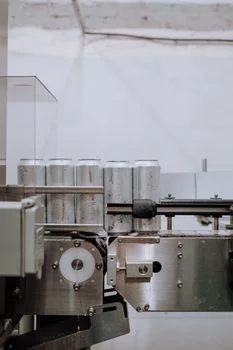
Engineering specifications for Abu Dhabi sewage treatment systems in 2026 are defined by the separation efficiency of Total Suspended Solids (TSS) and Biological Oxygen Demand (BOD) across varying influent strengths. Matching the system type to the specific wastewater profile is the most critical step in procurement to ensure long-term compliance and operational stability.
Dissolved Air Flotation (DAF): These systems excel in removing non-soluble contaminants. A DAF system for Abu Dhabi industrial wastewater typically achieves TSS removal rates of 92–97% when influent concentrations are between 50–500 mg/L. Energy consumption remains low at 0.3–0.5 kWh/m³, making it the preferred choice for petrochemical and food processing applications where FOG levels are high. However, DAF is a physical-chemical process and often requires downstream biological treatment to meet stringent BOD limits.
Membrane Bioreactor (MBR): For projects requiring the highest effluent quality, the integrated MBR system for DOE-compliant effluent in Abu Dhabi is the standard. Utilizing 0.1 μm filtration, MBRs produce effluent with COD <50 mg/L and TSS <5 mg/L. While energy use is higher (0.6–1.2 kWh/m³), the 60% footprint reduction compared to conventional activated sludge (CAS) justifies the $300K–$1.5M CAPEX for space-constrained urban or industrial sites.
Integrated Underground Plants (WSZ Series): These systems are designed for residential communities, hospitals, and small commercial developments. Using an A/O (Anaerobic/Oxic) biological contact oxidation process followed by sedimentation and disinfection, the WSZ series integrated sewage treatment plant handles flows from 1–80 m³/h. They are fully automated and require minimal operator intervention, making them ideal for decentralized infrastructure.
| System Type | TSS Removal % | Energy Use (kWh/m³) | Footprint Requirement | Typical CAPEX (USD) |
|---|---|---|---|---|
| DAF (Physical-Chemical) | 92–97% | 0.3–0.5 | Moderate | $150K – $800K |
| MBR (Biological + Membrane) | >99% | 0.6–1.2 | Very Low | $300K – $1.5M |
| Integrated (WSZ Series) | 85–95% | 0.4–0.7 | Low (Underground) | $200K – $1M |
| Hybrid (DAF + MBR) | >99.5% | 0.8–1.4 | Low-Moderate | $400K – $1.8M |
Hybrid systems combine the robust pretreatment of DAF with the precision of MBR. This configuration is increasingly used in Abu Dhabi’s heavy industrial sectors to reduce chemical consumption by 30% compared to standalone DAF units, as the MBR stage can handle higher organic loads with less coagulant assistance.
Abu Dhabi DOE Compliance: Discharge Limits and System Selection
The Abu Dhabi Department of Energy (DOE) Recycled Water and Biosolids Regulations mandate that all treated effluent discharged into the environment or reused for irrigation must meet a TSS limit of <30 mg/L and a BOD limit of <20 mg/L. Achieving these limits consistently requires a system selection strategy mapped directly to these 2026 benchmarks. Standalone DAF systems, while excellent for solids removal, typically achieve TSS levels in the 30–50 mg/L range, which often necessitates secondary sand filtration or polishing to ensure compliance.
In contrast, MBR systems are inherently compliant, consistently delivering TSS <5 mg/L and BOD <10 mg/L without the need for tertiary treatment. This reliability is why many DOE-compliant hospital wastewater treatment systems in Abu Dhabi have transitioned to MBR technology. A 2025 case study of an Abu Dhabi hospital showed that by switching from a conventional activated sludge system to an MBR, the facility reduced its average effluent TSS from 45 mg/L to 3 mg/L, effectively avoiding an estimated $120,000 in annual non-compliance fines.
| Parameter | DOE 2026 Limit | DAF Capability | MBR Capability | Integrated (WSZ) |
|---|---|---|---|---|
| TSS (mg/L) | <30 | 30–50 | <5 | 10–20 |
| BOD (mg/L) | <20 | 40–60 | <10 | 15–25 |
| COD (mg/L) | <120 | 150–200 | <50 | 60–90 |
| pH | 6.0 – 9.0 | 6.0 – 9.0 | 6.0 – 9.0 | 6.0 – 9.0 |
| Fecal Coliform | <1,000 CFU | Requires UV/Cl | Inherent Removal | Integrated UV |
For municipal projects, UAE municipal sewage treatment engineering specs and compliance guidelines emphasize the importance of nutrient removal (Nitrogen and Phosphorus). Hybrid systems are particularly effective here, as the DAF stage removes chemically precipitated phosphorus while the MBR stage handles biological nitrogen removal through nitrification and denitrification cycles.
Cost Models: CAPEX, OPEX, and ROI for Abu Dhabi Projects
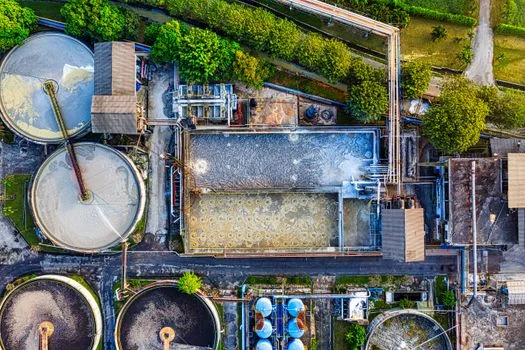
Total Cost of Ownership (TCO) for sewage treatment equipment in Abu Dhabi is primarily influenced by the 2–3× CAPEX premium of Membrane Bioreactor (MBR) systems compared to Dissolved Air Flotation (DAF) units. However, when evaluating the 2026 cost models, procurement managers must factor in the high cost of industrial water and the potential for treated sewage effluent (TSE) reuse. In Abu Dhabi, industrial electricity tariffs remain stable at approximately $0.08/kWh, but chemical costs for coagulants and flocculants can fluctuate significantly based on import logistics.
- CAPEX Breakdown: DAF units for 4–300 m³/h flow rates range from $150K to $800K. MBR systems for 10–2,000 m³/day range from $300K to $1.5M, a price that includes a membrane replacement reserve fund. Integrated underground plants (1–80 m³/h) cost between $200K and $1M, inclusive of basic civil works.
- OPEX Drivers: Energy is the primary driver for MBR (0.6–1.2 kWh/m³), while chemical dosing dominates DAF OPEX. Membrane replacement for MBR systems in the Abu Dhabi climate typically costs $50–$100/m² every 5–8 years, depending on the salinity and temperature of the influent.
- Local Factors: While equipment often carries a 5% import duty, spare parts for systems manufactured or assembled within the UAE may qualify for 0% duties. Labor costs for maintenance are a significant variable; DAF systems typically require 0.5 Full-Time Equivalent (FTE) for chemical management, whereas MBR systems require 1 FTE for membrane cleaning and system calibration.
ROI for hybrid DAF-MBR systems is typically achieved within 3–5 years. This is driven by a 30% reduction in chemical consumption and the elimination of DOE penalties, which can reach $50,000 per violation. the ability to reuse MBR-treated water for onsite cooling towers or irrigation provides a direct offset against municipal water utility costs.
Supplier Selection Checklist: 5 Critical Criteria for Abu Dhabi Buyers
Procurement risk for wastewater infrastructure in Abu Dhabi is mitigated by a selection framework that prioritizes local service response times and compliance with the UAE Fire and Life Safety Code. Use the following five criteria to evaluate any potential sewage treatment equipment supplier in abu dhabi:
- Local Service Response Time: Ensure the supplier can guarantee a <4-hour response time for emergency repairs in Mussafah or ICAD. International suppliers should have a local service agreement with a UAE-based engineering firm to handle immediate mechanical failures.
- Compliance with UAE Fire & Life Safety Code: All electrical components and housing for sewage treatment equipment must meet NFPA 820 standards (Standard for Fire Protection in Wastewater Treatment and Collection Facilities) and be approved by Abu Dhabi Civil Defense (ADCD). Verify third-party certifications such as UL or FM Global for all control panels.
- Turnkey vs. Modular Flexibility: Turnkey suppliers handle the entire lifecycle from design to commissioning. However, modular suppliers offer the advantage of phased upgrades. For example, a facility can install a DAF system today and add an MBR module in 2027 as discharge limits tighten or production capacity increases.
- Spare Parts Availability: Verify that critical spares, particularly MBR membranes and DAF pump seals, are stocked in Mussafah warehouses. Relying on international shipping for membranes can lead to 4–6 weeks of downtime, which is unacceptable for continuous industrial processes.
- Local Case Studies and Performance Data: Request at least three references from Abu Dhabi-based projects in your specific sector (e.g., food processing, healthcare, or oil and gas). Review their historical performance data for TSS/BOD removal and system uptime percentages.
Red flags during the selection process include a lack of DOE compliance documentation, vague Operation and Maintenance (O&M) contracts, or systems that do not account for the high ambient temperatures (up to 50°C) which can affect biological activity and membrane integrity.
Frequently Asked Questions
Q: What’s the best sewage treatment system for a small hospital in Abu Dhabi?
A: MBR systems are the industry standard for healthcare facilities due to their small footprint and high-quality effluent. The compact MBR system for Abu Dhabi hospitals and clinics is specifically designed to handle medical waste, combining multi-stage biological treatment with ozone disinfection to eliminate pathogens and pharmaceutical residues without heavy chemical dosing.
Q: How much does a DAF system cost for a 100 m³/h food processing plant in Mussafah?
A: The CAPEX for a 100 m³/h DAF system typically ranges from $350,000 to $600,000. This estimate includes the DAF unit, pretreatment bar screens, an equalization tank, and a sludge dewatering plate-frame filter press to handle the generated solids. OPEX is generally around $0.50 per cubic meter of treated water.
Q: Can I discharge MBR effluent directly into Abu Dhabi’s sewer system?
A: Yes, MBR effluent (TSS <5 mg/L, BOD <10 mg/L) comfortably meets DOE and ADDC (Abu Dhabi Distribution Company) sewer discharge limits. However, you must ensure the effluent temperature is below 45°C and the pH remains between 6.0 and 9.0 to comply with local network constraints.
Q: What’s the lifespan of an MBR membrane in Abu Dhabi’s climate?
A: High-quality PVDF (Polyvinylidene Fluoride) membranes typically last 5–8 years in Abu Dhabi. The lifespan is shortened by high-salinity influent or improper cleaning. Monthly Clean-In-Place (CIP) cycles and efficient membrane scouring with air are essential to prevent irreversible fouling in high-temperature environments.
Q: Are there financing options for sewage treatment equipment in Abu Dhabi?
A: Yes, many suppliers offer leasing arrangements (3–7 years) that include O&M services. Additionally, local banks like ADCB and FAB provide green financing for DOE-compliant water projects at competitive interest rates. Industrial projects may also qualify for government grants via the Tawazun Council, which can cover up to 20–30% of the initial CAPEX.