Why Abu Dhabi Hospitals Need Specialized Wastewater Treatment
Abu Dhabi’s Department of Energy (DOE) mandates hospital wastewater treatment to meet stringent effluent standards (e.g., <10 mg/L TSS, <100 CFU/100mL fecal coliform) before discharge or reuse. With TAQA’s 41 plants treating 1.34M m³/day (2023), hospitals must select systems that align with DOE’s reuse hierarchy—prioritizing membrane bioreactors (MBR) for high pathogen removal or dissolved air flotation (DAF) for cost-sensitive projects. This guide details 2026 engineering specs, compliance pathways, and zero-risk equipment selection for healthcare facilities.
Hospital wastewater is significantly more complex than standard municipal sewage, containing 10–100× higher pathogen loads, including E. coli, norovirus, and various multi-drug resistant organisms (MDROs) according to WHO 2023 data. Unlike residential effluent, healthcare facilities discharge high concentrations of pharmaceutical residues such as antibiotics, hormones, and contrast agents. These substances are not efficiently removed by conventional activated sludge (CAS) systems and require advanced oxidation processes or high-efficiency membrane filtration to meet the DOE’s emerging contaminant limits outlined in the draft 2026 standards.
The regulatory risk for Abu Dhabi healthcare facilities is substantial. DOE audits specifically target hospitals to ensure non-compliance does not compromise the emirate's recycled water network. For example, a 300-bed hospital in Al Ain failed a DOE inspection in 2023 because its disinfection system could not consistently meet fecal coliform limits during peak flow periods (TAQA report). Such failures result in immediate fines and the suspension of discharge permits, forcing facilities to rely on expensive tanker services for waste removal. Investing in specialized compact hospital wastewater treatment systems for small clinics or larger MBR units is a regulatory necessity to mitigate these operational risks.
Abu Dhabi’s push for a circular economy means hospitals are increasingly expected to contribute to the "Net Zero" water goal. Effluent that meets Class A standards can be reused for on-site landscaping or cooling towers, significantly reducing the facility's water procurement costs. Without specialized treatment, hospitals lose the opportunity to offset their high utility expenses through sustainable water reuse.
DOE Wastewater Standards for Abu Dhabi Hospitals: 2026 Compliance Checklist
Compliance with the Department of Energy (DOE) standards is the primary driver for equipment selection in Abu Dhabi. The 2026 regulatory framework emphasizes the "Reuse Hierarchy," where treated effluent is classified based on its safety for human contact and environmental impact. Hospitals are generally required to produce Class A or Class B+ effluent, especially if the water is intended for irrigation within the facility grounds.
The following table outlines the critical effluent quality limits hospitals must achieve to remain compliant with DOE 2025/2026 mandates:
| Parameter | DOE Limit (Class A Reuse) | Monitoring Frequency | Compliance Implication |
|---|---|---|---|
| Total Suspended Solids (TSS) | <10 mg/L | Continuous (Online) | Requires membrane or high-rate filtration |
| Fecal Coliform | <100 CFU/100mL | Daily (Lab) | Mandates 4-log pathogen reduction |
| BOD₅ | <5 mg/L | Weekly | Indicates complete biological stabilization |
| COD | <10 mg/L | Weekly | Focuses on pharmaceutical residue removal |
| Ammonia (NH₃-N) | <1 mg/L | Weekly | Requires nitrification/denitrification cycles |
| Residual Chlorine | <0.5 mg/L | Continuous | Prevents toxicity in discharge/reuse |
Disinfection is the most critical compliance hurdle for hospitals. To achieve a 99.99% pathogen kill rate, facilities must deploy multi-stage disinfection. While chlorine is traditional, the DOE's strict limits on residual chlorine often necessitate the use of DOE-approved chlorine dioxide generators for hospital effluent disinfection or UV sterilization. Chlorine dioxide is preferred in hospital settings because it is more effective against biofilms and Legionella than standard sodium hypochlorite.
Biosolids management is also under increased scrutiny. Under the DOE’s 2025 biosolids reuse strategy, dewatered sludge must achieve less than 20% moisture content to be eligible for land application or composting. This requires hospitals to integrate advanced sludge dewatering systems for DOE-compliant biosolids reuse into their treatment train. For facilities with more than 200 beds, continuous online sensors for pH, turbidity, and residual chlorine are mandatory, with data directly integrated into the DOE’s monitoring portal.
Hospital Wastewater Treatment Technologies: MBR vs. DAF vs. Ozone/UV
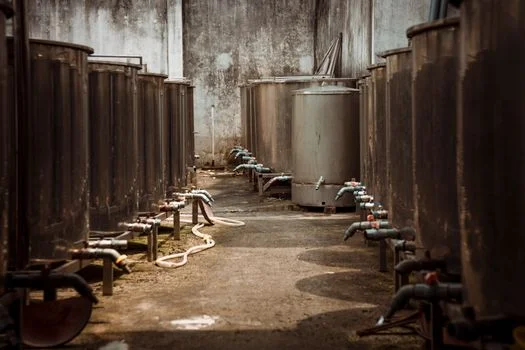
Selecting the right technology depends on the facility's footprint, budget, and the intended use of the treated water. In Abu Dhabi, three technologies dominate the healthcare sector: Membrane Bioreactors (MBR), Dissolved Air Flotation (DAF), and Advanced Oxidation (Ozone/UV).
Membrane Bioreactor (MBR) systems represent the gold standard for hospital wastewater. By combining biological treatment with ultrafiltration (typically <0.1 μm), MBRs achieve 99.9% pathogen removal and produce effluent that exceeds DOE Class A standards. The 60% smaller footprint compared to conventional systems makes MBR systems for hospital wastewater treatment in Abu Dhabi ideal for urban hospitals with limited space. While energy-intensive, the high-quality effluent allows for direct reuse in cooling towers.
Dissolved Air Flotation (DAF) is primarily used as a robust pretreatment step or in facilities where high concentrations of oils, greases, and suspended solids are present (e.g., hospitals with large industrial kitchens). DAF systems for cost-effective hospital wastewater pretreatment can remove 92–97% of TSS but must be followed by a biological stage and secondary disinfection to meet DOE pathogen limits. It is a lower-CAPEX alternative for facilities that do not require Class A reuse quality.
Ozone and UV are tertiary treatment processes focused on disinfection and the destruction of pharmaceutical residues. Ozone is particularly effective at breaking down complex organic molecules like antibiotics. When used in combination with MBR, these technologies ensure the facility meets the most stringent "emerging contaminant" standards expected in 2026.
| Feature | MBR (Membrane Bioreactor) | DAF + Disinfection | Ozone/UV (Polishing) |
|---|---|---|---|
| Effluent Quality | Ultra-low TSS/BOD (Class A) | Standard (Class B) | Pathogen-free / No residuals |
| Pathogen Removal | 99.9% (Physical Barrier) | 90-95% (Chemical) | 99.99% (Oxidation) |
| Footprint | Very Small | Medium | Very Small |
| CAPEX (500 m³/d) | AED 3.5M – 4.5M | AED 2.0M – 3.0M | AED 1.5M – 2.5M |
| OPEX (per m³) | AED 1.8 – 2.5 | AED 0.8 – 1.5 | AED 1.2 – 2.0 |
For a standard 300-bed hospital, the typical process flow involves: Screening → Equalization → Anoxic/Aeration Tank → MBR Filtration → UV/Chlorine Dioxide Disinfection → Reuse/Discharge. This sequence ensures compliance with all DOE parameters while maximizing the longevity of the equipment.
Engineering Specs for Hospital Wastewater Systems in Abu Dhabi (2026)
Engineering hospital wastewater systems in Abu Dhabi requires precise sizing and material selection to handle the unique chemical profile of medical effluent. Design parameters must follow DOE guidelines, which suggest an average flow rate of 0.5–1.5 m³/bed/day. For a 300-bed hospital, this necessitates a plant capacity of 150–450 m³/day to accommodate peak loads during shift changes and laundry operations.
Materials must be selected for high corrosion resistance. All tanks, piping, and submerged components should be constructed from Stainless Steel (316L). For MBR systems, membranes made of Polyvinylidene Fluoride (PVDF) or Polyethersulfone (PES) are recommended due to their high resistance to the cleaning chemicals and pharmaceutical solvents common in hospital waste. Automation is no longer optional; DOE requires systems in hospitals with >200 beds to feature PLC-controlled operation with SCADA integration for real-time reporting of turbidity and chlorine levels.
| Component | Engineering Specification | Purpose |
|---|---|---|
| Tanks/Piping | Stainless Steel 316L / HDPE | Corrosion resistance against medical chemicals |
| MBR Membranes | PVDF Hollow Fiber (0.03 μm) | Physical barrier for pathogens and microplastics |
| Dewatering | Plate-Frame Filter Press (1–50 m²) | Achieving <20% moisture for biosolids reuse |
| Disinfection | ClO₂ Generator (50–5,000 g/h) | 99.99% kill rate with minimal residuals |
| Automation | Siemens/Schneider PLC + SCADA | Remote monitoring and DOE data logging |
| Pumps | Dual-redundant Centrifugal | Ensures 24/7 uptime for critical care |
Redundancy is a critical design factor. Hospital systems must include dual-redundant pumps and backup power for disinfection units to prevent untreated discharge during power outages or mechanical failures. Integration of an automatic chemical dosing system ensures that pH adjustment and coagulant addition remain precise even during fluctuating influent concentrations (HydropureWater engineering data, 2025).
For hospitals in remote or expanding areas of Abu Dhabi, containerized wastewater treatment for hospitals offers a modular solution that can be deployed quickly and scaled as the facility grows. These systems are pre-engineered and factory-tested, significantly reducing on-site installation time and DOE permitting delays.
CAPEX and OPEX Breakdown for Hospital Wastewater Treatment in Abu Dhabi
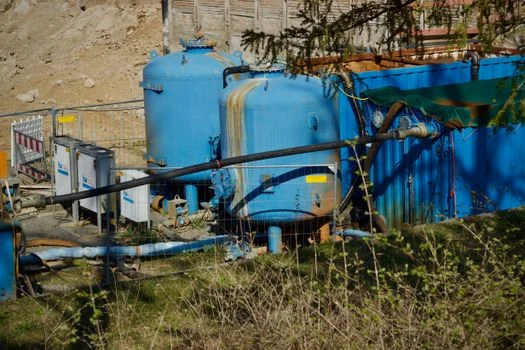
Budgeting for a hospital wastewater system in Abu Dhabi requires a clear understanding of both the initial capital expenditure (CAPEX) and the long-term operational costs (OPEX). While MBR systems have a higher upfront cost, their ability to produce high-value reuse water often results in a more favorable return on investment (ROI) compared to cheaper systems that only allow for discharge.
CAPEX for a 50–500 m³/day system typically ranges from AED 1.2M to AED 4.5M. This investment is generally distributed as follows: 60% for core equipment (membranes, tanks, pumps), 20% for mechanical and electrical installation, 15% for DOE permitting and consultancy fees, and 5% for staff training and commissioning. It is important to note that DOE permitting costs (AED 50K–200K) can vary based on the complexity of the reuse application.
OPEX ranges from AED 0.8 to AED 2.5 per cubic meter of treated water. The highest costs are typically energy (40%), followed by specialized chemicals for disinfection and membrane cleaning (30%), and routine maintenance (20%). Biosolids disposal remains a "hidden" cost, ranging from AED 200–500 per ton if the sludge does not meet reuse standards. However, hospitals can recover 30–50% of their CAPEX within 5–7 years by replacing expensive desalinated water with treated effluent for irrigation and cooling (TAQA case study data).
| Capacity (m³/day) | MBR CAPEX (AED) | MBR OPEX (AED/yr) | DAF CAPEX (AED) | DAF OPEX (AED/yr) |
|---|---|---|---|---|
| 50 | 1.2M – 1.8M | 45K – 60K | 0.8M – 1.1M | 25K – 35K |
| 150 | 2.2M – 2.8M | 120K – 150K | 1.5M – 1.9M | 70K – 90K |
| 500 | 3.8M – 4.5M | 350K – 450K | 2.5M – 3.2M | 200K – 280K |
To maximize ROI, hospital operators should compare their local context with other arid regions. For instance, hospital wastewater treatment in arid regions like Rajasthan or Saudi Arabia shows that water reuse is the single biggest factor in reducing the total cost of ownership. Similarly, looking at Singapore’s NEA standards for hospital wastewater can provide insights into future regulatory trends regarding pharmaceutical residue limits.
Zero-Risk Equipment Selection Checklist for Abu Dhabi Hospitals
Procuring a wastewater system is a high-stakes decision for hospital facility managers. To avoid DOE fines, operational downtime, or premature equipment failure, procurement teams should follow this zero-risk selection framework:
- DOE Compliance Verification: Does the vendor provide guaranteed effluent quality that meets 2026 Class A standards? Request certified lab results from a UAE-based installation.
- Vendor Qualifications: Does the manufacturer have a local service network in Abu Dhabi or Dubai? Ensure they have at least 5 years of experience specifically in healthcare wastewater.
- System Redundancy: Are critical components (pumps, blowers, disinfection units) dual-redundant? A single point of failure can lead to a compliance breach.
- Automation and Integration: Is the PLC system compatible with DOE’s remote monitoring requirements? Ensure the SCADA system can export data in the required formats.
- Sludge Management: Does the system include a filter press or centrifuge capable of reaching <20% moisture? Without this, biosolids disposal costs will escalate.
- Warranty and Support: Insist on a minimum 2-year equipment warranty and a 10-year pro-rated warranty on MBR membranes.
- Training: Does the proposal include on-site training for hospital technical staff? Effective operation is as important as the equipment itself.
Common pitfalls include selecting undersized systems to save on CAPEX, which inevitably leads to permit violations during peak flows. Another risk is ignoring the "total cost of ownership" by choosing a low-CAPEX system with high chemical and energy requirements. By using this checklist, hospital procurement officers can ensure their investment is both compliant and cost-effective for the long term.
Frequently Asked Questions
What are the primary DOE standards for hospital wastewater in Abu Dhabi?
Hospitals must typically meet Class A or Class B+ reuse standards. Key limits include TSS <10 mg/L, BOD₅ <5 mg/L, and fecal coliform <100 CFU/100mL. Continuous monitoring of pH, turbidity, and chlorine is mandatory for larger facilities.
Why is MBR preferred over conventional treatment for hospitals?
MBR provides a physical barrier (0.03–0.1 μm) that removes 99.9% of pathogens and significantly reduces pharmaceutical residues. It also has a 60% smaller footprint, which is critical for hospital sites where land value is high.
How can hospitals reduce the cost of wastewater treatment?
The most effective way is through water reuse. By using treated effluent for irrigation or cooling towers, hospitals can offset the cost of purchasing desalinated water. Additionally, high-efficiency dewatering reduces the volume and cost of biosolids disposal.
Is containerized treatment suitable for permanent hospital use?
Yes, containerized systems are increasingly used as permanent solutions in Abu Dhabi. They offer the same engineering specs as built-in-place plants but are faster to deploy and easier to scale if the hospital expands.
What is the typical ROI for a hospital wastewater system in Abu Dhabi?
Most hospitals see an ROI within 5 to 7 years. This is driven by savings in water procurement, reduced fines for non-compliance, and lower costs for biosolids management when using advanced dewatering technology.