Hospital wastewater treatment in Singapore must meet applicable trade-effluent rules before discharge to sewer or watercourse. Typical design targets cited for high-risk hospital effluent include COD below 50 mg/L, BOD below 30 mg/L, and pathogen reduction above 99% under stated disinfection conditions. Activated sludge with chlorine dosing can reach about 97.5% COD reduction at 3 L/s with 0.5 ppm residual chlorine. MBR trains deliver near-reuse effluent through less than 1 μm filtration and about a 60% smaller footprint. Electrocoagulation often removes 90–95% of selected heavy metals and pathogens when sized for the pollutant load.
Why Hospital Wastewater Treatment in Singapore Needs On-Site Control
On-site pretreatment is required because ward, theatre, laundry, and laboratory streams carry pathogen loads and micropollutants that municipal trains are not sized to strip. Hospital wastewater pathogen concentrations are typically 3–10 times higher than municipal sewage. Pharmaceutical residues further raise treatment complexity before lawful discharge.
Organic strength is also higher on most acute-care campuses. Chemical Oxygen Demand (COD) in hospital wastewater commonly ranges from 300–1,200 mg/L at peak theatre and laundry hours. Untreated organics can fuel algal blooms that deplete dissolved oxygen in receiving waters. About 90% of Singapore hospitals discharge to municipal sewers, yet municipal water reclamation plants are built mainly for domestic sewage. They do not reliably inactivate hospital pathogens or remove pharmaceuticals without upstream pretreatment at the hospital boundary.
Most plants we size for acute-care campuses therefore start with source separation and a dedicated pretreatment skid before the public sewer connection. Earlier guidance for high-risk wards called for mandatory pretreatment where infectious-disease loads or large flows are present. A 500-bed hospital case described in prior project notes drew enforcement action after BOD limits were exceeded because the pretreatment train could not cut medical organic load before sewer discharge.
Infectious waste, blood waste, and other prohibited streams must stay out of the trade-effluent line. Those fractions need licensed collection under Singapore’s toxic industrial waste and infectious-waste rules, separate from the continuous liquid train. Mixing them into the sewer feed is a compliance failure even when COD and BOD look acceptable on paper.
| Parameter | Hospital Wastewater (Typical) | Municipal Wastewater (Typical) |
|---|---|---|
| Pathogen Concentration (CFU/100mL) | 105 - 108 | 104 - 106 |
| COD (mg/L) | 300 - 1,200 | 250 - 600 |
| BOD (mg/L) | 150 - 600 | 100 - 300 |
| Pharmaceutical Residues | Present (e.g., antibiotics, hormones) | Trace amounts (if any) |
| Heavy Metals | Potentially elevated (e.g., mercury, silver) | Low |
NEA Discharge Limits and Compliance Benchmarks for Hospital Effluent
NEA discharge limits for hospital effluent depend on the receiving pathway under Singapore’s Environmental Protection and Management framework. Earlier guidance used COD <50 mg/L, BOD <30 mg/L, and TSS <30 mg/L as practical hospital design targets, with fecal coliforms below 1,000 CFU/100 mL after disinfection. According to NEA allowable limits for trade effluent discharge to watercourse or controlled watercourse, published COD limits are 100 mg/L for watercourse and 60 mg/L for controlled watercourse. BOD limits are 50 mg/L and 20 mg/L at 5 days and 20°C. TSS limits are 50 mg/L and 30 mg/L on the same NEA table. Free chlorine is listed at 1 mg/L for both pathways, not a zero residual (NEA).
Hospital effluent pH must stay within 6–9 on the same NEA schedule. Temperature of discharge must not exceed 45°C at the point of entry under the published watercourse limits. Earlier design notes also kept ammonia-nitrogen below 10 mg/L where the receiving standard or internal sewer agreement required it. Compliance checks use grab or composite samples analyzed by accredited laboratories. Sampling frequency rises after non-compliance or when a facility is flagged as high risk.
Pathogen control remains a buyer decision driver even when organics already meet the numeric table. Earlier guidance set fecal coliforms below 1,000 CFU/100 mL for hospital discharge polishing. WHO irrigation guidance often cites values up to 10,000 CFU/100 mL for selected reuse cases. Singapore hospital designs usually specify a tighter disinfection step than irrigation reuse alone would demand.
Non-compliance costs real money and schedule. Earlier enforcement notes cited fines up to SGD 50,000 per offense plus mandatory upgrades. Pretreatment pressure is highest for campuses above about 200 beds or with infectious-disease wards. Flow and load triggers there push owners toward dedicated hospital effluent trains rather than raw sewer discharge.
When a hospital discharges to the public sewer instead of a watercourse, PUB trade-effluent permission and monitoring rules also apply. Owners should confirm which numeric schedule governs the connection before writing performance guarantees into the equipment contract. Mixing sewer and watercourse numbers in one RFP is a common cause of over- or under-sized disinfection packages.
| Parameter | NEA 2026 Discharge Limit for Hospital Wastewater | Typical WHO Guideline (for comparison) |
|---|---|---|
| Chemical Oxygen Demand (COD) | <50 mg/L | <100 mg/L (general) |
| Biological Oxygen Demand (BOD) | <30 mg/L | <30 mg/L (general) |
| Total Suspended Solids (TSS) | <30 mg/L | <50 mg/L (general) |
| Fecal Coliforms | <1,000 CFU/100 mL | <10,000 CFU/100 mL (for irrigation) |
| pH | 6.0 - 9.0 | 6.0 - 9.0 |
| Ammonia-Nitrogen (Ammonia-N) | <10 mg/L | <10 mg/L (some regions) |
| Chlorine Residuals | Zero detectable | <0.2 mg/L (some regions) |
Use the table above as the article’s original hospital design benchmark set. Cross-check any watercourse discharge permit against the NEA published watercourse and controlled-watercourse columns before locking equipment guarantees. Keep the older COD <50 mg/L and BOD <30 mg/L figures as conservative internal targets where the owner wants margin above the published watercourse schedule.
Treatment Technologies Compared: MBR vs. Electrocoagulation vs. Activated Sludge
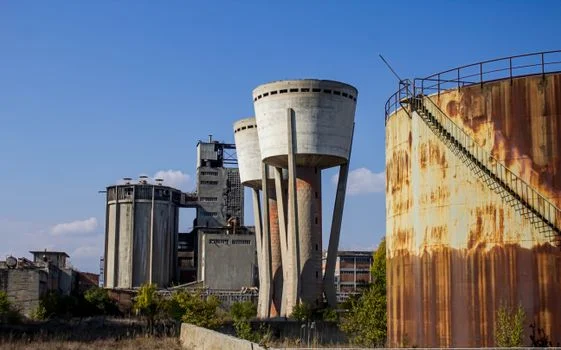
Activated sludge with chlorine dosing remains the baseline biological option for many hospital sites. At a typical flow of 3 L/s with 0.5 ppm residual chlorine, COD removal of about 97.5% has been reported in hospital wastewater studies from 2020. The process handles organic load well and usually carries lower CapEx. Aeration tanks plus secondary clarifiers consume plot space and generate more sludge for disposal, which matters on dense Singapore campuses.
Membrane bioreactor (MBR) trains raise effluent quality while shrinking civil works. Pathogen removal typically exceeds 99.9% because the membrane is a physical barrier. Filtrate quality is often below 1 μm, which supports non-potable reuse loops for cooling or irrigation after further polishing where required. Footprint is about 60% smaller than conventional activated sludge at equal duty. A 50 m³/h MBR package for hospital duty typically sits near SGD 1.2 million CapEx. Energy and membrane replacement raise OPEX, yet lower sludge volume and tighter solids control often close the gap on total cost of ownership.
Electrocoagulation (EC) targets pharmaceuticals and metals that biology alone may miss. Removal of 90–95% for selected heavy metals and specific pharmaceutical compounds is achievable when current density and residence time match the influent. EC avoids chemical coagulants and the associated chemical sludge. Energy use of about 0.5–1.0 kWh/m³ and periodic electrode replacement must still be budgeted. For oncology or laboratory-heavy campuses, EC is often staged ahead of biological polishing.
Hybrid layouts cut risk when one unit process cannot cover the full matrix. Dissolved air flotation ahead of MBR can push TSS removal above 98% and cut membrane fouling by up to 40% under the operating cases used in prior designs. Field issues still differ by technology. MBR needs CIP for fouling. EC needs electrode maintenance. Activated sludge can bulk and raise effluent TSS after shock loads from theatres or laundry. HydropureWater supplies integrated MBR packages for medical campuses and the Medical & Hospital Wastewater Treatment System with ozone disinfection for medical facilities.
Disinfection choice follows the solids and pathogen target. Chlorine is simple but residual control must match the receiving limit—earlier notes used zero detectable residual, while NEA watercourse tables list free chlorine at 1 mg/L. Ozone and UV avoid persistent residual issues when the upstream solids load is already low enough for reliable kill. Most plants we commission for high-risk wards run UV or ozone after MBR rather than relying on high chlorine alone.
| Feature | Activated Sludge (with Cl2 dosing) | MBR (Membrane Bioreactor) | Electrocoagulation (EC) |
|---|---|---|---|
| COD Removal Efficiency | 90-97.5% | >95% | 70-90% (often pre-treatment or specific pollutants) |
| Pathogen Removal | 99-99.9% (with disinfection) | >99.99% (physical barrier) | 90-95% |
| Pharmaceutical Residue Removal | Low to moderate | Moderate (some biodegradation) | 90-95% (specific compounds) |
| Footprint | Large | 60% smaller than AS | Compact |
| Typical CapEx (50 m³/h system) | SGD 900K | SGD 1.2M | SGD 1.1M |
| Energy Consumption | 0.3-0.6 kWh/m³ | 0.6-1.0 kWh/m³ | 0.5-1.0 kWh/m³ |
| Chemical Use | High (nutrients, coagulants, chlorine) | Moderate (cleaning chemicals) | Low to none (pH adjustment if needed) |
| Sludge Production | High | Moderate (less than AS) | Moderate (metal hydroxides) |
| Operational Challenges | Sludge bulking, odor, large footprint | Membrane fouling, higher CapEx | Electrode passivation, higher energy use |
| Effluent Quality | Good (meets basic discharge) | Excellent (near-reuse quality) | Good (specific pollutant removal) |
Cost Breakdown: CapEx, OPEX, and ROI for Hospital Wastewater Treatment Systems
CapEx for a typical 50 m³/h hospital wastewater treatment system in Singapore generally falls between SGD 800,000 and SGD 1.5 million installed. Within that band, activated sludge often lands near SGD 900,000, MBR near SGD 1.2 million, and electrocoagulation near SGD 1.1 million. Those figures cover equipment, installation, civil works, and commissioning for the stated duty.
OPEX decides whether the CapEx premium pays back. Energy usually takes 40–50% of annual OPEX through pumps, blowers, and mixers. Chemicals—coagulants, disinfectants, and membrane cleaners—often take 20–30%. Labor for monitoring and adjustments is about 15–20%. Maintenance plus spares take about 10–15% under 2023 market breakdowns used in prior estimates. PLC-controlled chemical dosing for hospital wastewater treatment trims chemical overshoot and operator hours when setpoints track online quality.
MBR payback of 4–6 years is common when sludge haulage drops by about SGD 50,000 per year. Avoided non-compliance incidents valued near SGD 30,000 per year further support the case. Near-reuse effluent can also cut purchased water for cooling or irrigation loops. Electrocoagulation payback of 6–8 years depends on how valuable the metal or pharmaceutical removal step is to the compliance case.
Grant pathways can soften CapEx if the project includes measurable reuse. Earlier programme notes describe NEA’s 3R (Reduce, Reuse, Recycle) Fund covering up to 50% of CapEx for qualifying water-recycling projects with measurable conservation benefits. Confirm current eligibility on official channels before locking the finance model. IoT monitoring, predictive maintenance, and automated controls further cut labor and chemical waste once the plant is online.
Cost drivers that move bids by more than 10% include membrane area and flux, electrode material, civil tank depth, standby power, and the length of the performance guarantee. Owners who only compare CapEx often under-budget CIP chemicals, electrode plates, and sludge haulage in years two and three. Ask every vendor for a 3-year OPEX table at the same flow and influent COD before ranking offers.
| Cost Category | Activated Sludge (50 m³/h) | MBR (50 m³/h) | Electrocoagulation (50 m³/h) |
|---|---|---|---|
| Estimated CapEx (SGD) | SGD 900,000 | SGD 1,200,000 | SGD 1,100,000 |
| Annual OPEX Breakdown (Typical %) | |||
| Energy | 40-45% | 45-50% | 50-55% |
| Chemicals | 25-30% | 15-20% | 5-10% |
| Labor | 15-20% | 15-20% | 10-15% |
| Maintenance/Spares | 10-15% | 15-20% (membrane replacement) | 15-20% (electrode replacement) |
| Estimated Annual Savings (MBR vs. AS) | N/A | SGD 50K (sludge) + SGD 30K (fine avoidance) | N/A |
| Typical ROI Payback Period | N/A (higher ongoing costs) | 4-6 years | 6-8 years (depending on pollutant value) |
How to Select Hospital Wastewater Equipment for Singapore Sites
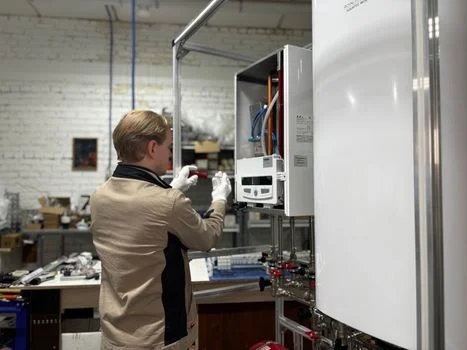
Equipment selection for Singapore hospital sites works best as a five-step engineering gate, not a brochure comparison. Facility managers and EPC teams can use the sequence below to keep compliance, footprint, and OPEX aligned from survey through award.
Step 1: Assess influent quality. Characterize raw wastewater for COD, BOD, TSS, pH, ammonia-N, and fecal coliforms. Oncology, infectious-disease, and lab blocks need pharmaceutical and metal scans as well. Use 24-hour composite samples so peak theatre and laundry loads are not missed in the design basis.
Step 2: Match technology to limits and contaminants. Choose the train that hits the receiving-water or sewer agreement and the micropollutant list. MBR suits high pathogen loads and reuse goals. EC suits metals and selected pharmaceuticals. Activated sludge can work on simpler organic profiles but usually needs polishing for full hospital pathogen targets.
Step 3: Evaluate footprint and scalability. Plot area is scarce on Singapore campuses. MBR typically needs about 60% less area than activated sludge at the same flow. Prefer modular skids when bed-count growth is planned within five years and civil disruption must stay limited.
Step 4: Compare vendor proposals on 3-year OPEX. Request energy, chemicals, labor, membrane or electrode replacement, warranty terms, and written performance guarantees against the agreed limits. Ask for references from other Singapore healthcare sites and a clear service package with response times.
Step 5: Pilot before full build. A 3-month pilot at about 10% of average flow validates COD, BOD, TSS, pathogen removal, energy, chemical dose, and fouling rates under real hospital diurnal patterns. That step prevents buying a train that only works on paper wastewater.
Selection checklist for procurement teams:
- Confirm discharge pathway (public sewer vs watercourse) and the matching numeric limits.
- List infectious, oncology, and lab streams that need segregation or dedicated treatment.
- Set pathogen and pharmaceutical removal targets with units and sampling points.
- Budget CapEx and 3-year OPEX for at least two technology options at equal flow.
- Require membrane or electrode life guarantees and CIP chemical allowances.
- Plan online monitoring for pH, turbidity or TSS, and residual disinfectant where used.
- Reserve space and power for a 10% flow pilot skid before final award.
Operators should also document diurnal COD and pathogen peaks for at least two mid-week days and one weekend day. Theatre lists and laundry cycles often create morning spikes that a design based on daily averages will miss. Where oncology wards discharge intermittently, grab samples alone understate pharmaceutical peaks and can leave the EC or advanced oxidation stage undersized.
For brownfield upgrades inside existing plant rooms, verify structural loading, exhaust, and chemical storage before selecting MBR cassettes or EC cells. A train that fits the hydraulic duty can still fail if membrane CIP chemicals cannot be stored under the site’s fire and safety rules. Include those constraints in the RFP so vendors do not propose packages that cannot be installed as drawn.
Sludge handling deserves its own line item in every hospital bid. Activated sludge plants produce more wet cake and often need larger dewatering capacity. MBR sludge volumes are lower but still require licensed disposal routes. EC generates metal-hydroxide sludge that may be classified differently from biological sludge, so confirm disposal codes early with the waste contractor.
Staffing models differ as well. A compact MBR with online turbidity and pressure sensors can run with fewer daily manual checks than a large clarifier plant. Electrode inspection for EC still needs a scheduled shutdown window. Match the technology to the available operator skill set, not only to CapEx and footprint.
Keep as-built drawings of sampling points, flow meters, and chemical dosing lines updated after every upgrade. Auditors and lab contractors work faster when the hydraulic path is unambiguous on a single drawing set.
Record membrane TMP trends and electrode voltage weekly so fouling or passivation is caught before effluent quality drifts.
Train shift operators on grab-sample locations and chain-of-custody forms before the first compliance audit. A correct lab result is useless if the sample was taken from the wrong chamber.
Who This Is For / Next Step
This guide is for hospital facility engineers, EPC contractors, and procurement managers sizing pretreatment for Singapore acute-care campuses. Teams that only discharge low-strength domestic-like wastewater with no medical streams may not need a dedicated hospital train. If you need a duty-matched MBR, medical package, or dosing skid, request a hospital wastewater treatment quote with your flow, COD/BOD, and discharge pathway.
Frequently Asked Questions
What are NEA discharge limits for hospital wastewater in Singapore?
Earlier hospital design guidance used COD <50 mg/L, BOD <30 mg/L, TSS <30 mg/L, fecal coliforms <1,000 CFU/100 mL, pH 6–9, and ammonia-N <10 mg/L. According to NEA allowable limits for watercourse discharge, COD is 100 mg/L (60 mg/L controlled) and BOD is 50 mg/L (20 mg/L controlled) at 5 days and 20°C. TSS is 50 mg/L (30 mg/L controlled), with free chlorine listed at 1 mg/L (NEA).
How do MBR systems compare to activated sludge for hospitals?
MBR systems typically exceed 99.9% pathogen removal and produce <1 μm filtrate suitable for non-potable reuse. They need about a 60% smaller footprint than activated sludge. CapEx for a 50 m³/h MBR is about SGD 1.2 million versus about SGD 900,000 for activated sludge. Lower sludge volume and tighter solids control often improve 4–6 year ROI under Singapore hospital duties.
Can electrocoagulation remove pharmaceutical residues from hospital effluent?
Yes. Electrocoagulation can remove 90–95% of selected pharmaceutical compounds and heavy metals when current and residence time match the load. It needs little or no chemical coagulant, which cuts chemical sludge. Budgets must still include 0.5–1.0 kWh/m³ energy and electrode replacement.
Are government grants available for hospital wastewater upgrades in Singapore?
Earlier programme notes state that NEA’s 3R Fund can cover up to 50% of CapEx for qualifying water-recycling systems with measurable conservation benefits. Hospitals should verify current eligibility, technical criteria, and application routes on official channels before assuming grant support in CapEx models.
Why is automated monitoring important for hospital wastewater plants?
Automated monitoring gives real-time effluent and process data so operators can hold discharge limits without waiting for lab turnaround. It supports tighter chemical dosing, early fouling or upset alarms, and lower manual sampling load. Fewer compliance excursions mean fewer fines and forced upgrades.
Further Reading
Explore these in-depth articles on related wastewater treatment topics: