
Why Mexico City Hospitals Need Specialized Wastewater Treatment
Mexico City hospitals generate approximately 1.2 million m³/year of wastewater containing high concentrations of pharmaceuticals, pathogens, and heavy metals that municipal systems are not equipped to neutralize. The Atotonilco Wastewater Treatment Plant (WWTP) provides a nominal average treatment capacity of 35 m³/s for the Valley of Mexico, but it was designed primarily for municipal organic loads, leaving specialized hospital effluent to bypass effective degradation of complex chemical compounds. Research indicates that hospital wastewater (HWW) in Mexico City acts as a primary source of chemical and microbiological contamination, often containing recalcitrant pharmaceuticals like carbamazepine and diclofenac at levels ranging from 1 to 50 μg/L (ResearchGate data).
The urgency for on-site treatment is compounded by Mexico City’s chronic water scarcity, characterized by a 20% supply deficit and increasing groundwater contamination from arsenic and nitrates. For facility managers, treating effluent to a standard suitable for non-potable reuse—such as for cooling towers or green area irrigation—is no longer an environmental preference but an operational necessity to mitigate reliance on the over-stressed municipal grid. Untreated medical effluent typically presents a Chemical Oxygen Demand (COD) between 500 and 1,500 mg/L and a Biological Oxygen Demand (BOD) of 200 to 800 mg/L, which far exceeds the assimilative capacity of local drainage systems without pre-treatment.
The presence of multi-drug resistant (MDR) pathogens, including Pseudomonas aeruginosa and Escherichia coli, in hospital discharge poses a significant public health risk. Standard municipal chlorination often fails to achieve the required 4-log reduction for viruses and 3-log reduction for bacteria found in medical environments. Implementing a compact ozone-based hospital wastewater system for Mexico City clinics ensures that these biological hazards are neutralized at the source, preventing the spread of antibiotic resistance through the city's hydraulic network.
Mexico City’s Regulatory Requirements for Hospital Wastewater: NOM-001-SEMARNAT and Local Standards
Compliance for Mexico City hospitals is governed by the national NOM-001-SEMARNAT-2021 standard, but local enforcement by the Secretaría del Medio Ambiente (SEDEMA) often imposes more stringent thresholds for specific contaminants. NOM-001-SEMARNAT-2021 mandates that discharge into national water bodies must maintain Total Suspended Solids (TSS) below 30 mg/L and COD below 125 mg/L. However, for hospitals operating within the urban fabric of the CDMX, SEDEMA enforces specific limits on heavy metals and increasingly monitors pharmaceutical residues, requiring levels often below 1 μg/L for certain compounds to prevent environmental toxicity.
The financial risk of non-compliance has escalated with recent enforcement actions. SEDEMA 2023 data shows that penalties for discharging untreated or improperly treated wastewater can reach up to 50,000 UMAs (Unidad de Medida y Actualización), approximately $350,000 USD, or result in the immediate shutdown of the medical facility. To ensure compliance, systems must be designed to meet the 4-log reduction (99.99%) for viruses and 3-log reduction (99.9%) for bacteria as recommended by the WHO Guidelines for Safe Use of Wastewater.
| Parameter | NOM-001-SEMARNAT Limit | SEDEMA Local Target | Typical Influent (CDMX) | Required Removal Efficiency |
|---|---|---|---|---|
| TSS (mg/L) | <30 | <15 | 200–600 | 95%–97% |
| COD (mg/L) | <125 | <80 | 500–1,500 | 92%–95% |
| BOD₅ (mg/L) | <30 | <20 | 200–800 | 90%–97% |
| Fecal Coliforms (MPN/100mL) | <1,000 | <200 | 10⁶–10⁹ | 99.99% |
| Pharmaceuticals (μg/L) | N/A (Monitoring) | <1.0 | 1–50 | 90%+ |
Facility managers should also reference how Puebla’s package wastewater treatment standards for hospitals are aligning with these stricter CDMX protocols, as regional regulatory convergence is expected by late 2025.
Treatment Technologies for Hospital Wastewater in Mexico City: How to Remove Pharmaceuticals and Pathogens
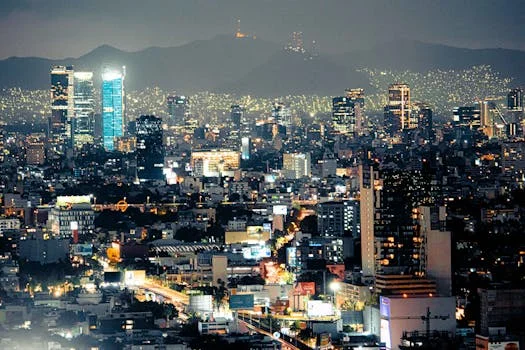
Effective treatment of hospital wastewater requires a multi-stage approach that combines physical separation, biological degradation, and advanced oxidation. Primary treatment must focus on the removal of macro-solids and fats, oils, and grease (FOG) typically found in hospital kitchens and laundry facilities. High-efficiency DAF systems are frequently employed to remove over 90% of FOG and 70% of TSS, providing a stable influent for subsequent biological processes.
For secondary treatment, Membrane Bioreactor (MBR) technology has become the gold standard for Mexico City hospitals due to its small footprint and high effluent quality. MBR systems for large Mexico City hospitals requiring 95% COD removal utilize a membrane area of approximately 2 m²/m³ of treated water. This technology eliminates the need for secondary clarifiers and achieves nearly 100% removal of suspended solids, which is critical for meeting the strict SEDEMA reuse standards.
Tertiary treatment is where pharmaceutical removal occurs. Traditional biological systems are ineffective against compounds like carbamazepine. Advanced Oxidation Processes (AOP), specifically ozone and Chlorine Dioxide (ClO₂), are required. Ozone dosages of 5 mg/L can degrade up to 90% of pharmaceutical residues (per ResearchGate study data). For disinfection, on-site ClO₂ generators for hospital wastewater disinfection in Mexico City are preferred over traditional chlorine because they do not form trihalomethanes (THMs) and are more effective at penetrating the biofilm of medical pathogens.
| Technology | COD Removal | Pharm. Removal | Pathogen Removal | Footprint | OPEX | Best For |
|---|---|---|---|---|---|---|
| DAF + Chlorination | 30–50% | <10% | 2-log | Medium | Low | Small Clinics (Pre-treatment) |
| MBR + UV | 90–95% | 20–40% | 3-log | Small | Medium | General Hospitals (Compliance) |
| MBR + Ozone/ClO₂ | 95–98% | 90%+ | 4-log+ | Small | High | Large Hospitals (Reuse/SEDEMA) |
| Activated Sludge | 80–85% | <15% | 2-log | Large | Medium | Rural Facilities (Low Land Cost) |
Cost Breakdown for Hospital Wastewater Treatment Systems in Mexico City: 2025 Benchmarks
The Capital Expenditure (CAPEX) for a hospital wastewater system in Mexico City is primarily driven by the required effluent quality and the volume of daily discharge. For small clinics with 50 to 200 beds, a standard system utilizing DAF and basic disinfection typically ranges from $150,000 to $500,000 USD. In contrast, large-scale medical centers (500 to 1,000 beds) requiring MBR and advanced ozone oxidation for pharmaceutical removal can expect CAPEX investments between $800,000 and $2 million USD.
Operating Expenditure (OPEX) is influenced by energy consumption, chemical dosing, and membrane maintenance. MBR systems integrated with ozone typically cost between $1.50 and $3.00 per m³ to operate. While this is higher than the $0.50 to $1.20 per m³ for basic DAF systems, the ROI is realized through water reuse and the avoidance of regulatory fines. In Mexico City, municipal water supply for commercial/industrial use costs roughly $0.80/m³; by reusing treated effluent for non-potable needs, a 1,000-bed hospital discharging 500 m³/day can save approximately $146,000 USD annually in water procurement costs alone.
| Hospital Size (Beds) | Flow Rate (m³/day) | Recommended System | CAPEX (USD) | OPEX/m³ | Payback Period |
|---|---|---|---|---|---|
| 50–150 | 30–75 | DAF + Ozone | $150K–$300K | $1.20 | 4–5 Years |
| 200–500 | 100–250 | MBR + ClO₂ | $400K–$750K | $1.80 | 3–4 Years |
| 500–1,000 | 300–600 | MBR + Ozone + RO | $1M–$2M | $2.50 | 5–7 Years |
Beyond direct water savings, hospitals can leverage Mexico’s 2024 carbon market and potential tax incentives for environmental infrastructure. Hidden costs to budget for include SEDEMA permitting fees ($10,000–$50,000 depending on complexity) and specialized sludge disposal, which costs between $0.20 and $0.50 per kg in the Mexico City metropolitan area.
Step-by-Step Guide to Designing a Hospital Wastewater System for Mexico City
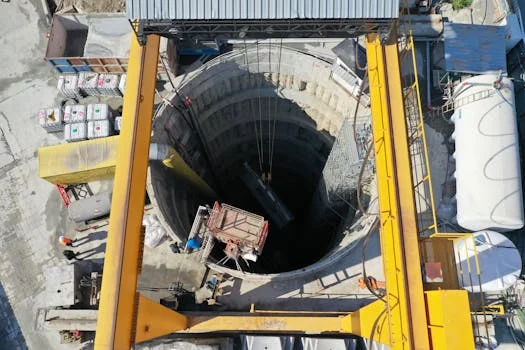
Designing a system that meets Mexico City's unique hydraulic and regulatory challenges requires a systematic engineering approach. Engineers should begin by characterizing the influent over a 7-day period to capture the variance in pharmaceutical and pathogen loads between peak surgical hours and night shifts.
- Characterize Influent: Establish a baseline using CDMX hospital averages (COD 800 mg/L, TSS 400 mg/L). Specifically test for carbamazepine and fecal coliforms to determine the required log-reduction.
- Select Core Technology: Choose MBR for high-strength organic removal or DAF for facilities with high fat and grease discharge (e.g., those with large cafeteria operations).
- Size Equipment: Calculate MBR membrane area by multiplying the daily flow rate (m³/day) by a flux factor of 0.05. For DAF systems, the surface area should be flow