Gdańsk Sewage Treatment Equipment Suppliers 2025: Engineering Specs, CAPEX & Zero-Risk Selection Guide
Gdańsk’s industrial and municipal buyers face strict EU Urban Waste Water Directive 91/271/EEC limits (COD ≤125 mg/L, BOD ≤25 mg/L) and local Polish Water Law requirements. Top suppliers like Ecol-Unicon (PEHD equipment plant in Gdańsk) and Marex Technology (50m³/h ISO-certified systems) offer MBR, DAF, and A/O solutions, but CAPEX varies 300% between technologies. This guide provides Gdańsk-specific engineering specs, 2025 cost benchmarks, and a zero-risk supplier selection framework to match equipment to compliance needs and budget constraints.
Why Gdańsk Buyers Need Local Sewage Treatment Equipment Suppliers
Polish Water Law and EU Directive 91/271/EEC impose strict discharge limits (COD ≤125 mg/L, BOD ≤25 mg/L, TSS ≤35 mg/L) on industrial and municipal wastewater, where non-compliance risks fines up to PLN 1M (€220K) or immediate plant shutdowns according to the Polish Environmental Protection Inspectorate 2023. For procurement managers in the Pomeranian Voivodeship, the stakes are elevated by the region's unique industrial profile. Gdańsk’s industrial base, spanning shipbuilding, food processing, and chemical manufacturing, generates high-strength wastewater with COD levels ranging from 5,000 to 20,000 mg/L, necessitating specialized pretreatment before discharge into the municipal grid (Gdańsk Waterworks 2024 report).
Local suppliers, such as Ecol-Unicon’s dedicated PEHD plant in Gdańsk, provide a logistical advantage that international importers cannot match. Lead times for locally manufactured equipment typically range from 8 to 12 weeks, compared to 20+ weeks for non-EU imports. local manufacturers ensure equipment aligns with Polish technical standards, specifically PN-EN 12255 for biological treatment systems, which is often a prerequisite for securing EU development grants. The 2025 regulatory environment in Poland also demands higher transparency in equipment performance data to satisfy the "polluter pays" principle enforced by regional water boards.
The cancelled Gdańsk-Wschod WWTP tender serves as a critical cautionary tale for municipal planners. The project faced significant setbacks when a lack of rigorous supplier vetting led to equipment specifications that did not meet local hydraulic loading requirements, resulting in project delays and massive cost overruns (DevelopmentAid). This highlights the necessity of selecting suppliers who not only provide hardware but also understand the specific chemical and biological loads characteristic of the Gdańsk-Gdynia-Sopot metropolitan area. Buyers must evaluate how Gdańsk’s compliance challenges compare to Boston’s EPA standards to understand the global context of local environmental regulations.
Gdańsk’s Top 5 Sewage Treatment Equipment Suppliers: Engineering Specs Compared
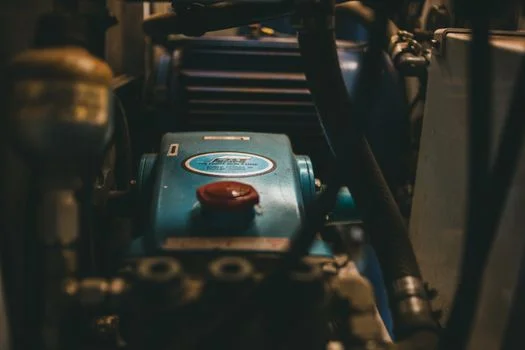
Ecol-Unicon, operating a major PEHD equipment plant in Gdańsk, remains the regional leader for prefabricated Dissolved Air Flotation (DAF) systems. Their DAF line is engineered for high-efficiency solids removal, achieving 92–97% TSS removal rates at capacities ranging from 4 to 300 m³/h. These units are frequently deployed in Gdańsk’s food processing sector, such as the 120m³/h DAF system installed for a local meat processor in 2023, which effectively reduced grease and oil loads to within municipal limits in a 10-week lead time. For those seeking high-performance separation, Gdańsk-optimized DAF systems for food processing and industrial wastewater offer the most reliable path to meeting TSS standards.
Marex Technology specializes in ISO 9001-certified Membrane Bioreactor (MBR) systems, utilizing 0.1 μm PVDF membranes. Their DF series is designed for 95% COD removal, making it ideal for the high-strength effluents found in the Port of Gdańsk. While MBR systems offer superior effluent quality, they require higher energy inputs (0.8–1.2 kWh/m³) compared to DAF (0.4–0.6 kWh/m³). MBR systems for Gdańsk’s space-constrained industrial zones are particularly valuable where land costs or footprint limitations prohibit larger traditional treatment basins.
| Supplier | Primary Technology | COD/TSS Removal | Energy Use (kWh/m³) | Typical Lead Time |
|---|---|---|---|---|
| Ecol-Unicon | DAF | 92-97% TSS | 0.4 - 0.6 | 10 Weeks |
| Marex Technology | MBR (DF Series) | 95% COD | 0.8 - 1.2 | 16 Weeks |
| Polish Water Tech | A/O (Biological) | 85-90% COD | 0.3 - 0.5 | 12 Weeks |
| Aquafilter | Media Filtration | <60% (Low Scale) | 0.2 - 0.4 | 4 Weeks |
| Marcor | Distributor (Mixed) | Varies by OEM | Varies | 20+ Weeks |
Polish Water Tech Solutions offers turnkey Anoxic/Oxic (A/O) systems designed for high-strength wastewater (COD 10,000 mg/L). These systems achieve 85–90% removal and are often chosen for municipal projects due to their lower CAPEX, despite requiring a footprint roughly three times larger than MBR. Conversely, Aquafilter focuses on food-service filtration for small-scale applications (max 10 m³/h), which is unsuitable for industrial or municipal volumes. Marcor acts primarily as a distributor for major EU brands like Veolia and Xylem; while they offer expert advice, their reliance on external manufacturing often extends lead times beyond 20 weeks, which can be a bottleneck for projects with strict commissioning deadlines.
Technology Matching: How to Choose Between MBR, DAF, and A/O for Gdańsk’s Wastewater
Influent quality is the primary driver for technology selection in the Gdańsk market, where industrial discharge varies significantly by sector. Dissolved Air Flotation (DAF) is the standard for effluents with high concentrations of Fats, Oils, and Grease (FOG), typical of the local fish processing and shipbuilding industries, where it can achieve 90% removal. In contrast, Membrane Bioreactors (MBR) are required for soluble COD removal (95%) and meeting tertiary treatment standards without additional filtration. For example, a Gdańsk shipyard producing wastewater with 15,000 mg/L COD and 500 mg/L oil would typically require DAF pretreatment to protect the sensitive membranes of a downstream MBR system.
Compliance with the EU Directive 91/271/EEC is non-negotiable for municipal planners. MBR systems inherently meet these tertiary treatment requirements, including disinfection, within a single process. DAF systems, while efficient at solids removal, often require post-treatment such as sand filtration or UV disinfection to meet sensitive area discharge standards. Footprint is another critical factor in Gdańsk’s urban industrial zones, such as the areas surrounding the Port of Gdańsk. MBR systems occupy 60% less space than traditional A/O systems (50 m² vs 150 m² for a 200m³/day plant), allowing for onsite treatment in densely developed areas.
| Criteria | DAF (Dissolved Air Flotation) | MBR (Membrane Bioreactor) | A/O (Anoxic/Oxic) |
|---|---|---|---|
| Best For | FOG, Oil, & TSS Removal | Soluble COD & Limited Space | Nitrogen Removal & Budget |
| Footprint (200m³/d) | Medium (80 m²) | Small (50 m²) | Large (150 m²) |
| Effluent Quality | Secondary (Requires Filter) | Tertiary (Ready for Reuse) | Secondary |
| Op. Complexity | Moderate (Chemical Dosing) | High (Membrane Cleaning) | Low (Biological Balance) |
Energy consumption remains a significant long-term cost factor, with Gdańsk’s industrial energy rates averaging PLN 0.75/kWh. DAF systems (0.4–0.6 kWh/m³) and A/O systems (0.3–0.5 kWh/m³) are significantly more energy-efficient than MBR (0.8–1.2 kWh/m³). A simple decision framework for Gdańsk buyers: If influent COD exceeds 5,000 mg/L and space is limited, MBR is the necessary choice. If FOG exceeds 300 mg/L, DAF is required for pretreatment. If the total project budget is under €1M and land is available, an A/O biological system offers the best ROI.
2025 CAPEX and OPEX Breakdown for Gdańsk Wastewater Treatment Plants
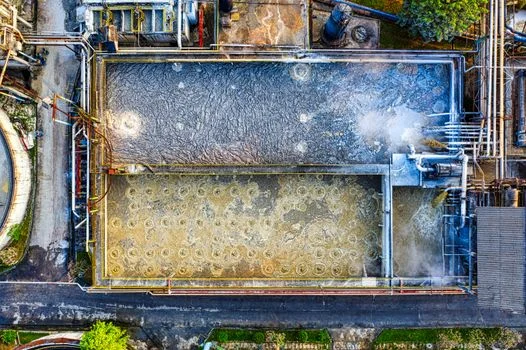
CAPEX for sewage treatment equipment in Gdańsk is influenced by technology choice and the origin of the equipment. For a system processing 100–500 m³/day, DAF systems typically range from PLN 1.5M to 4M. MBR systems, due to the high cost of membranes and advanced control systems, range from PLN 3M to 8M. Traditional A/O systems remain the most affordable at PLN 1M to 2.5M, though these figures exclude the higher land acquisition costs associated with their larger footprint. These benchmarks, sourced from the Gdańsk Waterworks 2024 cost database, include equipment, installation, and initial commissioning.
OPEX considerations must account for Gdańsk-specific cost factors, including an 8% VAT on equipment from local suppliers like Ecol-Unicon, compared to potential 15% import duties on non-EU equipment. Labor costs in the Pomeranian region are approximately 20% higher than the national average (Polish Statistical Office 2023), affecting maintenance budgets. MBR systems have the highest annual OPEX at PLN 2.5–3.5/m³, driven by energy use and membrane replacement cycles. However, for plants under 200 m³/day, MBR’s higher OPEX is often offset by the significant reduction in sludge disposal costs—MBR produces 30% less sludge than A/O systems.
| Technology | 2025 CAPEX (PLN) | OPEX (PLN/m³) | Sludge Yield | ROI Period |
|---|---|---|---|---|
| DAF | 1.5M - 4.0M | 1.2 - 1.8 | High (Chemical Sludge) | 4 - 6 Years |
| MBR | 3.0M - 8.0M | 2.5 - 3.5 | Low (Biological) | 5 - 7 Years |
| A/O | 1.0M - 2.5M | 0.8 - 1.5 | Moderate | 3 - 5 Years |
ROI calculations should factor in the avoidance of non-compliance fines. A 2022 case study of a Gdańsk food processor demonstrated that an MBR installation saved the company PLN 800K per year in environmental penalties. When comparing these figures, it is helpful to see how Gdańsk’s CAPEX compares to Warsaw’s 2025 cost benchmarks, as regional supply chain differences can impact final pricing by 10-15%.
Zero-Risk Supplier Selection: A 7-Step Checklist for Gdańsk Buyers
To avoid the pitfalls of the cancelled Gdańsk-Wschod WWTP tender, procurement teams must follow a structured vetting process that prioritizes technical verification over the lowest bid. The following checklist is designed to mitigate risk for industrial and municipal projects in the Gdańsk region.
- Step 1: Verify Certifications: Ensure the supplier holds ISO 9001 and PN-EN 12255 certifications. For example, Marex Technology’s ISO certification was cited as a key factor in reducing audit times by 40% for the SOMEX project.
- Step 2: Data-Driven Case Studies: Request at least three case studies from the last five years showing measurable effluent quality (COD, BOD, TSS). A red flag is any supplier citing "satisfied customers" without providing laboratory-verified data.
- Step 3: Local Service Capacity: Assess the supplier’s ability to provide 24/7 technical support. Local suppliers like Ecol-Unicon offer on-site technicians within hours, whereas EU-wide distributors average a 48-hour response time.
- Step 4: Lead Time Commitment: Compare lead times in writing. Local production (8–16 weeks) is critical for Gdańsk’s seasonal industries, such as food processing, which must commission new capacity before peak periods.
- Step 5: Pilot Testing: Evaluate options for pilot testing. Suppliers like Polish Water Tech Solutions often offer 2-week pilot tests (approx. PLN 50K) to validate system performance on actual site wastewater before a full-scale purchase.
- Step 6: Warranty Terms: Review the specifics of equipment warranties. MBR suppliers typically offer 5-year membrane warranties, while DAF suppliers should offer at least 2 years on mechanical components like skimmers and pumps.
- Step 7: Compliance Guarantee: Explicitly request third-party lab reports (e.g., from TÜV Rheinland) confirming the equipment meets both the Polish Water Law and EU Directive 91/271/EEC for the intended application.
Frequently Asked Questions
What are the discharge limits for industrial wastewater in Gdańsk?
Under EU Directive 91/271/EEC and the Polish Water Law, standard limits are COD ≤125 mg/L, BOD ≤25 mg/L, and TSS ≤35 mg/L, with a pH range of 6.5–9. Metalworking plants in Gdańsk often face stricter limits for heavy metals, such as nickel ≤2 mg/L.
How much does a 200m³/day MBR system cost in Gdańsk?
For 2025, the CAPEX for a 200m³/day MBR system ranges from PLN 4.5M to 6M, including installation. OPEX is typically between PLN 2.8 and 3.5/m³, largely driven by energy consumption of 0.8–1.2 kWh/m³.
Which Gdańsk suppliers offer turnkey solutions?
Ecol-Unicon (specializing in DAF), Marex Technology (MBR), and Polish Water Tech Solutions (A/O) all provide full turnkey services including design, installation, and commissioning. Marcor primarily serves as a distributor for international brands.
What’s the lead time for sewage treatment equipment in Gdańsk?
Local manufacturers generally deliver within 8–16 weeks. Importing systems from outside Poland or the EU typically extends lead times to 20–26 weeks. Custom-engineered MBR systems for high-strength industrial wastewater may require an additional 4–6 weeks for design finalization.
Can I use a DAF system for municipal wastewater in Gdańsk?
DAF is highly effective as a pretreatment stage to remove solids and grease (90% removal). However, to meet EU tertiary treatment standards for municipal discharge, it must be paired with post-treatment processes like sand filtration and UV disinfection.