Water Disinfection Equipment Manufacturer: ClO₂ & Ozone Systems Compared
HydropureWater provides advanced water disinfection equipment, including chlorine dioxide (ClO₂) generators capable of achieving 99%+ microbial kill rates and ozone systems for chemical-free disinfection. The ClO₂ Generator, for instance, produces up to 20,000 g/h and complies with stringent EPA, EU Drinking Water Directive 98/83/EC, and WHO standards, making it ideal for critical industrial and hospital wastewater applications. For facility managers like Mr. Chen, who recently received a notice of violation for coliform bacteria exceeding discharge limits from his hospital’s effluent, selecting the right water disinfection equipment manufacturer is paramount. His existing UV system, once sufficient, now struggles with variable turbidity, highlighting the urgent need for a robust, compliant, and cost-effective solution that guarantees pathogen reduction and offers vital residual protection.Why Industrial Facilities Need Reliable Water Disinfection
Untreated effluent violates EPA and EU Urban Waste Water Directive 91/271/EEC, risking fines up to $50,000/day for non-compliant industrial facilities. Beyond regulatory penalties, critical sectors such as hospitals, food processing plants, and pharmaceutical manufacturers must achieve a 99%+ pathogen reduction to meet stringent public health standards and prevent outbreaks. Hospital wastewater, for example, often contains antibiotic-resistant bacteria and viral pathogens, requiring advanced disinfection methods to safeguard public health and the environment. Disinfection serves as the final, indispensable barrier before treated wastewater is discharged or reused, protecting downstream infrastructure, aquatic ecosystems, and human health from microbial contamination. Selecting the appropriate water disinfection equipment manufacturer is therefore not merely a compliance exercise but a strategic operational decision impacting safety, sustainability, and financial viability.How Chlorine Dioxide Generators Work: On-Site Production & Safety
Ozone Disinfection: Chemical-Free but Energy-Intensive
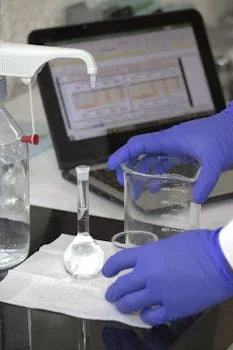
Ozone disinfection systems generate O₃ via corona discharge, achieving a 99%+ microbial kill rate without introducing residual chemicals into the effluent, a key advantage for sensitive environments. In this process, oxygen gas (O₂) is passed through an electrical field, splitting the O₂ molecules into individual oxygen atoms, which then recombine to form ozone (O₃). Ozone is a powerful oxidant that rapidly destroys bacteria, viruses, and protozoa by disrupting their cell membranes and enzymatic processes. While highly effective and leaving no harmful byproducts, ozone generation requires a significant energy input, typically ranging from 5–15 kWh/kg O₃, making it more energy-intensive than chemical alternatives. Effective disinfection also necessitates precise contact time, usually between 4–10 minutes, within a dedicated contact chamber to ensure adequate pathogen inactivation. Ozone systems are particularly well-suited for small to mid-scale medical and food facilities where chemical dosing is restricted or undesirable, providing a chemical-free water disinfection solution. For applications demanding a compact ozone-based disinfection system for clinics, HydropureWater offers tailored solutions.ClO₂ vs Ozone vs UV: Performance, Compliance & Operational Cost
| Parameter | Chlorine Dioxide (ClO₂) | Ozone (O₃) | Ultraviolet (UV) |
|---|---|---|---|
| Microbial Kill Rate | 99.9% (3-log+) for bacteria, viruses, protozoa (e.g., E. coli, Giardia, Cryptosporidium) | 99.9% (3-log+) for bacteria, viruses, protozoa (e.g., E. coli, Giardia, Cryptosporidium) | 99% (2-log+) for bacteria, viruses (less effective on some protozoa) |
| Target Pathogens | Broad-spectrum, including resistant organisms; effective against biofilms | Broad-spectrum, highly effective against viruses & cysts | DNA disruption; less effective on repairable organisms or highly turbid water |
| Residual Effect | Yes (stable residual, prevents regrowth) | No (decomposes rapidly) | No (no residual protection) |
| Chemical Use | On-site generation from precursors (e.g., sodium chlorite + acid) | No chemicals added to water; generated from oxygen | No chemicals added to water |
| Turbidity Tolerance | High (effective up to >100 NTU) | High (effective up to >100 NTU) | Low (efficacy significantly reduced above 10 NTU) |
| Energy Consumption | Low-moderate (for generation and dosing pumps) | High (5–15 kWh/kg O₃ for generation) | Moderate-high (for lamps and ballasts) |
| CAPEX/m³ (approx.) | $80–$200/m³ (system scale & automation dependent) | $120–$300/m³ (system scale & automation dependent) | $50–$150/m³ (system scale & automation dependent) |
| OPEX (Key Drivers) | Chemical costs, minor electricity | High electricity costs, minor maintenance | Lamp replacement, electricity, cleaning |
| Safety Concerns | Safe on-site generation; ClO₂ gas is toxic but contained | Ozone gas is toxic; requires careful containment | Electrical safety, UV lamp handling |
| Compliance Alignment | EPA, EU 98/83/EC, WHO (drinking water & wastewater) | EPA, EU (wastewater discharge, some drinking water) | EPA, EU (wastewater discharge, some drinking water) |
Choosing the Right Manufacturer: Automation, Compliance & Support
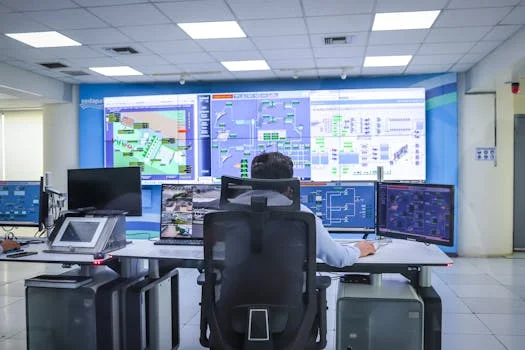
Beyond initial equipment specifications, evaluating a water disinfection equipment manufacturer on automation capabilities, verifiable compliance documentation, and robust after-sales support is critical for long-term operational reliability. A key differentiator is the level of automation offered: look for PLC-controlled systems with remote monitoring capabilities, such as HydropureWater’s ClO₂ generators, which integrate HMI interfaces and detailed alarm logs. This minimizes the need for dedicated operators, enhances safety through automatic shutdown protocols, and provides critical data for performance optimization and troubleshooting. Verifying compliance documentation is non-negotiable; manufacturers should provide certifications like EPA, CE, ISO 9001, and region-specific standards such as NEMA in Kenya or CPCB in India, demonstrating adherence to international and local regulatory requirements. A reputable manufacturer offers comprehensive after-sales service, including guaranteed spare parts availability, rapid-response field technician support, and detailed system validation reports, which are essential for maintaining peak performance and ensuring continuous compliance. This holistic approach to manufacturer evaluation ensures not only initial equipment quality but also sustained operational excellence and peace of mind.Frequently Asked Questions
What is the most effective water disinfection method for hospitals?
Ozone and ClO₂ both achieve 99%+ kill rates for a broad spectrum of pathogens. Ozone is chemical-free, making it ideal for discharge into sensitive environments, while ClO₂ offers longer residual protection, preventing regrowth in pipelines.
How much does a ClO₂ generator cost for industrial use?
The cost for an industrial ClO₂ generator typically ranges from $15,000 to $120,000, depending on the desired output (50–20,000 g/h) and the level of automation. For detailed pricing, consult our 2025 industrial ClO₂ system pricing by capacity.
Is on-site ClO₂ generation safe?
Yes, modern on-site ClO₂ generators are designed with advanced safety features. They use enclosed systems with leak detection and automatic shutoff mechanisms, complying with stringent OSHA and EPA safety standards, significantly reducing risks compared to storing bulk chemicals.
Can UV systems replace chlorine in wastewater treatment?
UV systems can replace chlorine in certain applications, primarily those with low turbidity. However, UV provides no residual protection, meaning disinfected water can be re-contaminated, and its efficacy is severely compromised during solids spikes or high-TSS events. To troubleshoot UV disinfection failures in high-TSS wastewater, alternative or supplementary methods are often required.
Do disinfection systems require skilled operators?
Fully automated systems, such as HydropureWater’s, are designed for minimal operator intervention. They feature PLC controls, remote monitoring, and auto-shutdown capabilities that ensure safety and consistent performance without the need for a dedicated,