As a trusted micro bubble flotation manufacturer, HydropureWater delivers DAF systems that generate 30–50μm micro bubbles for >95% removal of FOG, suspended solids, and colloidal matter. Our DAF line handles 4–300 m³/h across food, textile, petrochemical, and municipal applications, combining proven efficiency with full automation and compliance-ready performance.
What Is Micro Bubble Flotation and How Does It Work?
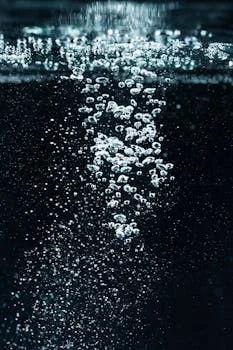
Micro bubble flotation utilizes precisely engineered bubbles, typically 30–50 microns in diameter, to achieve highly efficient separation of fine suspended solids, FOG (Fats, Oils, and Grease), and colloidal matter from industrial wastewater.
The core mechanism involves dissolving air into wastewater under elevated pressure in a saturation tank. This supersaturated water is then released through a pressure reduction valve into the flotation tank, where the sudden pressure drop causes the dissolved air to precipitate out as millions of microscopic bubbles. These micro bubbles, due to their minute size and high surface area-to-volume ratio, exhibit a strong affinity for hydrophobic contaminants such as oil droplets, grease particles, and fine suspended solids. They attach to these contaminants, forming lightweight floc structures that rapidly rise to the surface of the flotation tank, creating a sludge layer. This layer is then continuously removed by a surface skimmer, leaving clarified water for further treatment or discharge.
The critical advantage of micro bubbles (30–50μm) over the larger bubbles (100–200μm) generated by conventional flotation methods lies in their superior collision efficiency and increased buoyancy. A higher number of smaller bubbles provides significantly more surface area for contaminant attachment, leading to more complete and faster separation. This enhanced contact probability ensures that even the finest and most challenging contaminants, which might evade larger bubbles, are effectively captured and removed, resulting in significantly cleaner effluent.
Why Micro Bubble DAF Outperforms Traditional Separation Methods
Building on the advantages of micro bubble flotation, its performance in contaminant removal surpasses traditional methods. Micro bubble dissolved air flotation (DAF) systems consistently achieve superior contaminant removal rates compared to traditional separation methods like gravity separators and conventional flotation, particularly for fine particulates and emulsified oils.
Micro bubbles, precisely controlled within the 30–50μm diameter range, offer a significantly higher surface area-to-volume ratio—typically 5–10 times greater than the 100–200μm bubbles produced by traditional flotation systems. This exponential increase in available surface area maximizes the probability of collision and adhesion between the bubbles and target contaminants. As a result, micro bubble DAF achieves greater than 95% removal of FOG and suspended solids, a performance level that far surpasses traditional API (American Petroleum Institute) separators.
Beyond superior removal efficiency, micro bubble DAF systems demonstrate robust performance under high hydraulic loads and variable influent quality, common challenges in industrial settings. Their ability to effectively capture fine, slow-settling particles and emulsified oils means less reliance on chemical coagulants and flocculants. This optimized chemical usage can lead to a reduction in chemical costs by up to 30% in comparable applications, as the enhanced physical separation capabilities of micro bubbles minimize the need for chemical-intensive aggregation. the rapid floatation kinetics associated with micro bubbles allow for smaller equipment footprints and faster throughput, contributing to overall operational efficiency and cost savings. For a detailed comparison, engineers can further compare DAF and API separator performance for oil-water separation and understand their respective strengths and limitations in industrial wastewater treatment.
Key Performance Parameters of Industrial Micro Bubble Flotation Systems
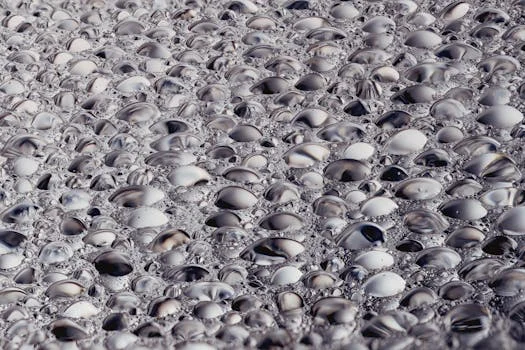
Effective evaluation of industrial micro bubble flotation systems requires a detailed understanding of their key performance parameters, which define operational efficiency, capacity, and compliance capabilities. HydropureWater's DAF line of high-efficiency micro bubble DAF systems exemplify these capabilities, engineered for demanding industrial wastewater treatment applications.
The DAF line offers a wide flow capacity range, from 4 m³/h for smaller operations up to 300 m³/h for large-scale industrial facilities, with 13 standard models designed to meet diverse hydraulic loads. These systems consistently deliver high removal efficiencies: greater than 95% for FOG, greater than 90% for suspended solids, and are highly effective on colloidal matter, removing particles down to 1μm. This performance is largely attributed to the precisely controlled bubble size, maintained between 30–50 microns, which is optimized for maximum contaminant adhesion and minimal energy input.
In terms of physical footprint, HydropureWater's compact DAF units are designed for space efficiency, reducing space requirements by up to 40% compared to conventional clarifiers. This compact design is crucial for industrial plants with limited available space. Operational simplicity is achieved through full automation; the DAF line features PLC-controlled systems with automatic skimming and sludge discharge, significantly reducing the need for continuous operator intervention and minimizing labor costs.
| Parameter | Specification (HydropureWater) | Significance for Industrial Applications |
|---|---|---|
| Flow Capacity | 4–300 m³/h (13 standard models) | Scalable for diverse industrial volumes, from small batch processes to continuous high-volume effluent. |
| FOG Removal Efficiency | >95% | Ensures compliance for industries with high oil and grease content (e.g., food, petrochemicals), reducing downstream load. |
| Suspended Solids (SS) Removal Efficiency | >90% | Achieves low TSS levels, crucial for discharge permits and protecting subsequent treatment stages. |
| Effective Particle Size Removal | Down to 1μm (colloidal matter) | Handles fine particulates that bypass conventional separation, improving effluent clarity. |
| Micro Bubble Diameter | 30–50 microns | Optimized for maximum contaminant attachment and efficient separation kinetics with minimal air consumption. |
| Footprint Reduction | Up to 40% vs. conventional clarifiers | Maximizes usable plant space, reducing capital expenditure on land or facility expansion. |
| Automation Level | Fully PLC-controlled, automatic skimming & sludge discharge | Minimizes operational labor, enhances reliability, and ensures consistent performance with remote monitoring capabilities. |
| Recycle Ratio | 10–20% | Optimized for energy efficiency, minimizing power consumption while maintaining effective bubble generation. |
Micro Bubble Flotation by Industry: Applications and Case Performance
Micro bubble flotation technology is utilized across various industries for effective wastewater treatment.Micro bubble flotation technology demonstrates versatile and high-performance capabilities across diverse industrial sectors, addressing specific wastewater challenges with tailored efficiency. Its ability to effectively remove fine suspended solids, FOG, and colloidal matter makes it a critical pre-treatment or primary treatment step in various industrial processes.
- Food Processing: In slaughterhouses, dairies, and snack food production, micro bubble DAF systems are instrumental in removing high concentrations of BOD (Biological Oxygen Demand), COD (Chemical Oxygen Demand), and fats from effluent. For instance, a dairy processing plant utilizing micro bubble flotation can see a >90% reduction in FOG and >70% reduction in BOD/COD, significantly reducing the organic load on downstream biological treatment systems and preventing costly upsets.
- Pulp & Paper: This industry faces challenges with lignin, fiber fines, and ink particles. Micro bubble DAF efficiently separates these contaminants, improving effluent clarity and enabling compliance. Systems can consistently reduce Total Suspended Solids (TSS) to below 30 mg/L, improving water reuse potential and meeting strict discharge regulations.
- Metalworking: Machining coolants and metal finishing operations generate wastewater rich in oil emulsions and heavy metal particulates. Micro bubble DAF effectively treats these complex effluents, achieving FOG concentrations below 10 mg/L, which is critical for direct discharge compliance and reducing disposal costs for oily waste.
- Textile: Textile dye houses produce high-color wastewater with suspended pigments and chemical additives. Micro bubble-enhanced coagulation allows for efficient removal of color and suspended solids, often cutting chemical use compared to conventional clarification methods while achieving significant reductions in COD and TSS.
- Petrochemical: Refineries and chemical plants generate large volumes of oily wastewater. Micro bubble flotation serves as a robust pre-treatment stage, achieving >95% free oil removal before the effluent proceeds to biological or tertiary treatment. This protects sensitive downstream processes and ensures compliance with stringent environmental standards for oil and grease discharge.
These industry-specific applications highlight the adaptability and proven performance of micro bubble DAF technology in meeting complex wastewater treatment demands. For broader insights into industrial wastewater management, including systems, costs, and compliance, explore resources on industrial wastewater treatment in various regions.
How to Select the Right Micro Bubble Flotation Manufacturer
Selecting a reliable micro bubble flotation manufacturer involves evaluating not only the technical specifications of their equipment but also their proven track record, compliance adherence, and long-term support capabilities. A strategic procurement decision requires a holistic assessment beyond initial purchase price, focusing on lifecycle costs and operational reliability.
First, prioritize manufacturers offering full system integration. A comprehensive solution should include not just the flotation unit, but also integrated coagulation and flocculation tanks, chemical dosing systems, efficient skimming mechanisms, and automated sludge discharge. This ensures seamless operation and optimized performance across the entire treatment chain.
Second, verify the manufacturer's ability to ensure compliance with relevant regulatory bodies, such as EPA, EU directives, and local discharge standards. Demand clear evidence that their systems can consistently achieve target effluent quality, for instance, TSS below 30 mg/L and FOG below 10 mg/L, which are common benchmarks for industrial discharge permits.
Third, always demand performance data, not just marketing claims. Request detailed removal efficiency test reports by contaminant type, preferably from independent third-party evaluations or verifiable field data from similar industrial applications. This data provides objective proof of the system's capabilities.
Finally, assess the manufacturer's after-sales support infrastructure. This includes the availability of spare parts, responsive technical assistance, and advanced features like remote monitoring and diagnostics. Robust support minimizes downtime and ensures the long-term operational efficiency and return on investment of your DAF system. To understand real 2025 DAF machine cost and ROI for industrial buyers, consider consulting comprehensive pricing guides.
Frequently Asked Questions
Industrial plant engineers and procurement managers frequently inquire about the operational specifics and applicability of micro bubble flotation systems for their wastewater treatment needs.
What size are micro bubbles in DAF systems? Micro bubbles typically range from 30 to 50 microns in diameter, which is optimal for attaching to fine suspended solids, oil droplets, and colloidal matter, maximizing separation efficiency.
How much space does a micro bubble flotation system require? Compact DAF units like HydropureWater's are engineered to reduce footprint by up to 40% compared to conventional clarifiers, making them suitable for facilities with limited space.
Can micro bubble flotation replace an API separator? Yes, micro bubble DAF can effectively replace or augment API separators, especially for emulsified oils below 60μm where API separators are ineffective; DAF achieves greater than 95% FOG removal, including emulsified oils.
What industries benefit most from micro bubble flotation? Industries with high FOG and fine solids loads, such as food processing, textiles, petrochemicals, metalworking, and pulp & paper, benefit significantly from micro bubble flotation for pre-treatment and primary clarification.
Is micro bubble flotation energy efficient? Yes, modern micro bubble DAF systems are designed for energy efficiency, utilizing low-energy saturation pumps and optimized recycle ratios (typically 10–20%) to minimize power consumption while maintaining high performance.
Related Equipment
The following HydropureWater products are engineered for the wastewater challenges discussed above:
- high-efficiency micro bubble DAF system for industrial wastewater — view specifications, capacity range, and technical data
Need a customized solution? Request a free quote