Why West Virginia’s Sewage Treatment Needs Are Unique
West Virginia’s rugged topography and dispersed population centers create a logistical environment where traditional, centralized wastewater infrastructure often fails to meet modern regulatory and economic standards. Approximately 40% of the state’s municipal wastewater plants are over 30 years old, leading to frequent mechanical failures and increased scrutiny from the West Virginia Department of Environmental Protection (WVDEP). For a plant manager in the Kanawha Valley or the Eastern Panhandle, the frustration of failing a WVDEP inspection due to outdated clarifiers or inefficient aeration systems is a significant operational risk that can lead to heavy fines and administrative orders.
The state’s industrial mix—dominated by coal mining, chemical manufacturing, and food processing—requires specialized equipment capable of handling high Total Suspended Solids (TSS) and high Biological Oxygen Demand (BOD). In the coal sector, for instance, managing high-volume discharges requires robust pretreatment systems like Dissolved Air Flotation (DAF) to handle coal fines and slurry. Meanwhile, rural communities and small medical clinics often lack the footprint for large-scale systems, necessitating the use of compact WSZ series package plant for rural WV projects that can be installed with minimal excavation in mountainous terrain. WVDEP’s NPDES permit thresholds are strict: any discharge exceeding 1,000 Gallons Per Day (GPD) requires a permit, with typical effluent limits set at 30 mg/L for both BOD and TSS. Meeting these limits in a state with variable seasonal flows and challenging geography requires a shift from "one-size-fits-all" hardware to engineered solutions tailored to Appalachian site conditions.
Top 5 Sewage Treatment Equipment Suppliers Serving West Virginia in 2025
Selecting a sewage treatment equipment supplier in west virginia usa requires balancing local technical support with a manufacturer's engineering depth. The following suppliers represent the primary options for municipal and industrial procurement teams in 2025.
Sullivan Environmental Technologies (Charleston, WV): Serving as a primary manufacturers' representative, Sullivan provides access to 18 major equipment lines. Their portfolio includes Gorman-Rupp self-priming pumps, which are a standard in WV lift stations for their 50 to 5,000 GPM flow ranges, and Innovatreat systems, which are known for achieving 95%+ BOD removal in compact footprints. They are the go-to for turnkey municipal upgrades.
Snyder Environmental Services (Kearneysville, WV): A localized provider specializing in the installation and maintenance of small-to-medium municipal systems. They focus on package plants and lift stations ranging from 200 to 2,000 GPD, making them a preferred choice for residential developments and small rural municipalities in the Eastern Panhandle.
Wigen Water Technologies (Regional Coverage): While based in Western PA, Wigen provides heavy-duty submersible pumps and advanced filtration systems across West Virginia. Their equipment is specifically engineered for high-solids applications, such as treating coal slurry or industrial wastewater from chemical plants. You can learn how RO systems can treat WV’s high-TDS mine water by integrating Wigen’s high-pressure filtration components.
Chardon Labs (WV Service Areas): It is critical to note that Chardon Labs focuses on chemical water treatment for cooling towers and boilers rather than biological sewage treatment. While they are a major player in the WV industrial market, they should be excluded from searches for secondary or tertiary sewage treatment equipment.
Clear Creek Water Works (Minden, WV): This supplier focuses on water purification and well-water treatment. Like Chardon, their scope is primarily potable water and clean-water applications, making them less suitable for large-scale municipal sewage or industrial pretreatment projects.
| Supplier | Primary Specialization | WV Presence | Best For |
|---|---|---|---|
| Sullivan Environmental | Turnkey Municipal & Industrial | Charleston (Local) | Large-scale upgrades & NPDES compliance |
| Snyder Environmental | Small Municipal & Residential | Kearneysville (Local) | Package plants & Lift stations |
| Wigen Water Tech | Heavy Industrial Filtration | Regional Service | High-solids & Mining applications |
| HydropureWater (OEM) | Integrated Package Plants | Direct Ship/Consulting | Compact, low-maintenance rural sites |
Engineering Specs Comparison: Flow Rates, Removal Efficiencies & Footprint
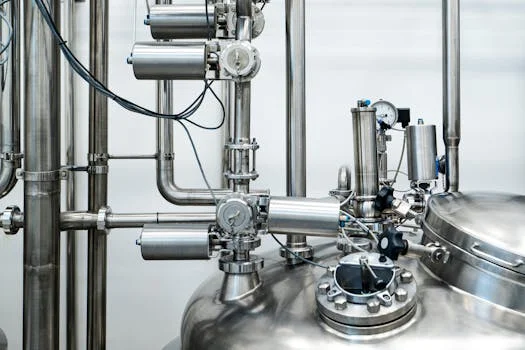
For municipal engineers, the technical specification is the ultimate deciding factor. In West Virginia, where flat land is a premium, the footprint of a system is often as important as its removal efficiency. Integrated systems like the compact WSZ series package plant for rural WV projects are designed to reside underground, occupying as little as 10 to 50 square feet for small-scale operations, which is critical for sites in the Appalachian foothills.
When comparing suppliers, focus on the Energy Use (kWh/1,000 gal) and TSS/BOD Removal %. High-efficiency systems like Innovatreat (represented by Sullivan) or MBR (Membrane Bioreactor) units offer superior effluent quality but come with higher energy demands. Conversely, extended aeration package plants offer a balance of reliability and lower operational costs for rural communities.
| Equipment Type | Flow Rate Range (GPM) | TSS Removal (%) | BOD Removal (%) | Footprint Requirement |
|---|---|---|---|---|
| Gorman-Rupp Pumps | 50 – 5,000 | N/A (Transfer) | N/A | Small (Pump Station) |
| Innovatreat Systems | 10 – 500 | 98% | 95%+ | Medium |
| HydropureWater WSZ Series | 1 – 80 m³/h | 90-95% | 90-95% | Very Low (Underground) |
| Standard MBR Units | 20 – 1,000 | 99% | 98% | Medium (High Height) |
| Wigen Submersibles | Up to 2,500 | N/A (Solids Handling) | N/A | Minimal |
For a 500 GPD rural clinic or a small housing development, prioritizing a compact footprint and low energy consumption is essential. In these scenarios, the engineering team should evaluate the total lifecycle cost of underground integrated systems versus traditional surface-level clarifiers which may require expensive climate-controlled housing in WV winters.
West Virginia Compliance Checklist: WVDEP Permits, Discharge Limits & Local Codes
Compliance in West Virginia is governed primarily by the WVDEP Division of Water and Waste Management. Any sewage treatment equipment supplier in west virginia usa must provide documentation that their systems can consistently meet National Pollutant Discharge Elimination System (NPDES) permit requirements. For most municipal discharges, the baseline limits are 30 mg/L for BOD and 30 mg/L for TSS, though these can be significantly tighter for "High Quality" or "Trout Waters" streams.
Industrial pretreatment is another critical compliance area. Facilities discharging into municipal sewers must meet local pretreatment standards to prevent "interference" or "pass-through" at the municipal plant. For example, chemical plants in the Ohio River Valley often utilize a high-efficiency DAF system for WV industrial pretreatment to remove fats, oils, and greases (FOG) and heavy metals before the water reaches the public works facility. You can dive deeper into DAF engineering for WV industrial applications to understand the specific chemistry required for West Virginia's industrial effluents.
- WVDEP NPDES Permits: Required for any discharge over 1,000 GPD. Expect a 6-12 month lead time for permit approval on new projects.
- Selenium Limits: Particularly for coal mining regions, effluent limits for selenium can be as low as 5 µg/L, requiring advanced ion exchange or biological reduction equipment.
- Local Codes: Kanawha County mandates tertiary filtration for any discharge into the Elk River to protect municipal water intakes. Monongalia County often requires advanced odor control systems for any plant exceeding 1 MGD (Million Gallons per Day) located near residential zones.
Cost Benchmarks for West Virginia Projects: CAPEX, OPEX & ROI by System Type
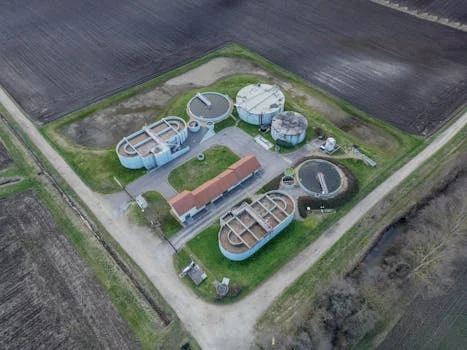
Budgeting for a wastewater project in West Virginia requires accounting for the "Appalachian Premium"—the added cost of shipping and installing heavy equipment in remote or mountainous areas. CAPEX (Capital Expenditure) for a package plant typically ranges from $5 to $15 per GPD of capacity, while more complex MBR systems can reach $20 to $40 per GPD. To accurately compare sludge dewatering options for WV municipal plants, engineers must look beyond the initial purchase price to the long-term operational costs.
| System Type | CAPEX ($/GPD) | OPEX ($/1,000 gal) | Payback Period | Best Use Case |
|---|---|---|---|---|
| Integrated Package (WSZ) | $5 – $12 | $0.40 – $0.80 | 3–5 Years | Rural clinics, small towns |
| DAF Pretreatment | $8 – $18 | $0.50 – $1.20 | 2–4 Years | Coal slurry, food processing |
| MBR (Membrane) | $20 – $40 | $1.50 – $3.00 | 5–8 Years | Strict discharge limits (Trout waters) |
| Extended Aeration | $10 – $20 | $0.70 – $1.10 | 4–6 Years | Standard municipal upgrades |
Operational expenses (OPEX) in West Virginia are influenced by electricity rates ($0.08–$0.12/kWh) and labor costs for certified operators, which average $25–$35 per hour. A 10,000 GPD industrial facility installing a $150,000 DAF system can often see a return on investment (ROI) within 3 years by eliminating municipal surcharges for high-strength waste. For municipal projects, the ROI is often measured in "compliance years"—the avoidance of daily WVDEP fines which can exceed $10,000 per violation. To further optimize costs, consider how a plate frame filter press can reduce sludge volume, lowering disposal fees which are a major component of OPEX in the state.
How to Select the Right Supplier for Your West Virginia Project
The selection process should be a data-driven journey that minimizes risk and ensures long-term WVDEP compliance. Follow this decision framework to navigate your procurement:
- Define the Influent and Effluent Profile: Determine your peak flow (GPM), average daily flow (GPD), and the specific pollutants you must target (e.g., BOD, TSS, Nitrogen, Phosphorus, or Selenium).
- Assess Site Constraints: If you are working on a mountain ridge or a narrow valley, prioritize systems with a small footprint or those capable of underground installation, such as the WSZ series.
- Match Capabilities to Suppliers: Use the comparison tables above. For high-volume municipal pumping, Sullivan Environmental (Gorman-Rupp) is the standard. For compact, self-contained rural treatment, an integrated package plant is more cost-effective.
- Request Compliance Documentation: Ask the supplier for a "WVDEP Compliance Assurance Letter" or a list of similar installations in West Virginia that have successfully maintained NPDES compliance for at least three years.
- Calculate Total Cost of Ownership (TCO): Do not buy on CAPEX alone. A system that is $20,000 cheaper today but costs $5,000 more per year in electricity and chemicals will be more expensive within four years.
By following this framework, procurement teams can move from a reactive "fix-it-now" mentality to a proactive asset management strategy that satisfies both stakeholders and environmental regulators.
Frequently Asked Questions
Q: What is the most cost-effective sewage treatment option for a small West Virginia rural community?
A: For flows between 50 and 500 GPD, integrated package plants like the WSZ series are most effective. They start at approximately $5 per GPD capacity and require minimal operator intervention, making them ideal for communities with limited budgets and part-time maintenance staff.
Q: Does the WVDEP require specific brands of equipment?
A: No, the WVDEP does not mandate specific brands. However, they do require that the equipment is "engineered and certified" to meet the specific discharge limits of your NPDES permit. Choosing a supplier with a history of WVDEP-compliant installs, like Sullivan or Snyder, simplifies the permitting process.
Q: How do I handle high solids from coal mining runoff?
A: High-solids wastewater is best handled through a combination of heavy-duty submersible pumps (like those from Wigen) and a Dissolved Air Flotation (DAF) unit. This combination allows for the rapid separation of coal fines and heavy sediments before secondary treatment or discharge.
Q: What are the typical BOD removal rates for equipment sold in WV?
A: Most modern equipment sold by reputable suppliers in West Virginia achieves between 90% and 98% BOD removal. For projects discharging into sensitive watersheds, MBR systems are recommended as they consistently reach the 98%+ range required for ultra-low effluent limits.
Related Equipment
- ozone-based medical wastewater system for WV clinics — view specifications, capacity range, and technical data
Need a customized solution? Request a free quote with your specific flow rate and pollutant parameters.