In 2025, Panama City industrial facilities must comply with ANAM’s Decreto Ejecutivo 35 (2021), which mandates effluent limits of BOD < 30 mg/L and TSS < 50 mg/L—violations incur fines up to $50,000. For facilities generating 50–500 m³/day of wastewater, dissolved air flotation (DAF) systems achieve 90–95% TSS removal at capital costs of $1.2M–$8M, while membrane bioreactors (MBRs) deliver near-reuse quality (<1 mg/L TSS) but cost 30–50% more. This guide compares equipment types, supplier selection criteria, and cost benchmarks to help you choose zero-risk solutions for Panama City’s regulatory environment.
Why Panama City Factories Are Facing $50K Fines for Wastewater Non-Compliance in 2025
In 2023, a food processing plant in the Colón Free Zone incurred a $22,000 fine for discharging wastewater with total suspended solids (TSS) exceeding the permissible 50 mg/L, leading to enforcement action by ANAM (HydropureWater field data, 2025). This real-world case underscores the critical need for Panama City industrial wastewater compliance. ANAM’s Decreto Ejecutivo 35 (2021) sets stringent effluent limits for industrial discharges into national waters, directly impacting facilities across Panama City and its industrial zones. Key parameters mandated include Biochemical Oxygen Demand (BOD) less than 30 mg/L, Total Suspended Solids (TSS) less than 50 mg/L, oil and grease below 10 mg/L, and a pH range of 6–9. Additionally, specific limits apply to heavy metals like lead (<0.1 mg/L), cadmium (<0.05 mg/L), and chromium (<0.5 mg/L), depending on the industry.
Beyond ANAM’s jurisdiction, the Ministry of Health (MINSA) plays a crucial role in enforcing effluent standards, particularly for food and beverage processing plants, pharmaceutical manufacturers, and medical facilities, ensuring public health protection. Non-compliance with these regulations represents a significant financial and operational risk, with fines reaching up to $50,000 for severe or repeated violations. More critically, ANAM’s enforcement authority includes the power to issue operational shutdowns, which can halt production entirely and result in substantial economic losses far exceeding the initial fines. Therefore, selecting the right sewage treatment equipment supplier in Panama City is not merely a procurement decision but a strategic imperative to ensure continuous operation and avoid severe penalties. This article focuses on how to select equipment that meets these evolving standards cost-effectively, safeguarding your facility's future.
Panama City’s Wastewater Treatment Landscape: Municipal vs Decentralized Solutions
Panama City's municipal wastewater treatment infrastructure, anchored by the SUEZ plant, boasts a significant capacity of 238,000 m³/day, primarily serving residential and commercial areas. However, for many industrial facilities, connecting to this municipal system is not always feasible or sufficient. Industries generating high-strength wastewater, such as food processing, chemical plants, and certain manufacturing operations, often face limitations due to the municipal system's design capacity for industrial loads or specific pollutant concentrations. remote industrial zones like Panama Pacifico and parts of the Colón Free Zone may lack direct access to municipal sewer lines, necessitating on-site, decentralized wastewater treatment solutions.
Comparing costs, municipal connection fees in Panama City typically range from $0.50–$1.20/m³ of discharged wastewater, which can be attractive for smaller, less complex discharges. However, for facilities generating 100–500 m³/day, the capital expenditure (CAPEX) for an on-site decentralized system can range from $1.2M–$15M, depending on technology and capacity. Despite the higher upfront investment, decentralized systems offer significant advantages, including greater flexibility in treatment processes, the potential for treated wastewater reuse (reducing potable water consumption), and direct control over compliance. This control is vital for industries with variable effluent quality, as it minimizes the risk of ANAM fines due to municipal system overloads or inadequate pretreatment. For companies evaluating wastewater treatment plant suppliers Latin America-wide, understanding these local dynamics is paramount.
The table below summarizes the key considerations for municipal versus decentralized wastewater treatment in Panama City:
| Feature | Municipal Connection | Decentralized (On-site) System |
|---|---|---|
| Capacity & Coverage | 238,000 m³/day (SUEZ plant), limited industrial coverage | Scalable from 50 m³/day to 10,000+ m³/day; site-specific |
| Suitability for Industries | Low-strength commercial/residential wastewater | Food processing, chemical, mining, remote manufacturing |
| Cost (Operating) | $0.50–$1.20/m³ (connection fees) | $0.25–$0.70/m³ (OPEX, excluding CAPEX) |
| Cost (Capital) | Minimal (connection infrastructure) | $1.2M–$15M for 100–500 m³/day systems |
| Compliance Control | Limited; reliant on municipal system performance | Full control; direct accountability for effluent quality |
| Water Reuse Potential | None | High; treated water can be reused for process, irrigation, cooling |
| Flexibility | Low; fixed infrastructure | High; adaptable to changing effluent characteristics |
| Industrial Zones | Available in central zones | Essential for Colón Free Zone, Panama Pacifico, remote sites |
Head-to-Head: DAF vs MBR vs Package Plants for Panama City Industrial Wastewater
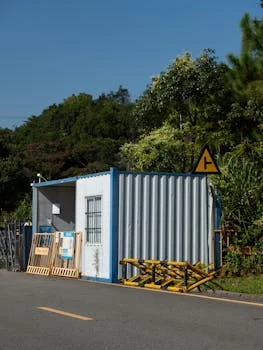
Selecting the optimal wastewater treatment technology for industrial facilities in Panama City hinges on specific effluent characteristics, desired discharge quality, and operational footprint. Three primary technologies stand out for their applicability in meeting ANAM’s Decreto Ejecutivo 35 effluent limits: Dissolved Air Flotation (DAF), Membrane Bioreactors (MBR), and integrated package plants (such as the WSZ series). Each offers distinct advantages for various industrial wastewater challenges.
Dissolved Air Flotation (DAF) systems are highly effective physical-chemical treatment units designed to remove suspended solids, fats, oils, and grease (FOG) from wastewater. They work by dissolving air in the wastewater under pressure and then releasing it at atmospheric pressure in a flotation tank. The tiny air bubbles attach to the pollutants, causing them to float to the surface for skimming. DAF systems for high-efficiency TSS and FOG removal are particularly suited for industries with high organic loads and FOG, like food processing plants in Panama City.
Membrane Bioreactors (MBR) combine biological treatment with membrane filtration, offering superior effluent quality. The membranes act as a physical barrier, effectively removing all suspended solids, bacteria, and viruses, producing water of near-reuse quality. Integrated MBR systems for near-reuse-quality effluent in water-scarce areas are ideal for facilities requiring stringent discharge standards or aiming for wastewater reuse, such as hotels, resorts, or industrial parks in water-scarce regions like Panama Pacifico.
Package Plants, often modular sewage treatment systems Panama, are compact, pre-engineered units that integrate multiple treatment processes (e.g., screening, aeration, clarification) into a single system. The WSZ series package plants for remote or space-constrained facilities are designed for rapid deployment and are excellent for remote industrial sites or facilities with limited space, offering robust treatment for diverse wastewater streams.
The following table provides a head-to-head comparison of these technologies:
| System Type | TSS Removal (%) | BOD Removal (%) | Effluent Quality (mg/L) | Footprint (m²/100 m³) | CAPEX ($/m³ capacity) | OPEX ($/m³ treated) | Ideal Use Cases (Industries) |
|---|---|---|---|---|---|---|---|
| DAF | 90–95% | 30–60% (as primary treatment) | TSS: 20–50, BOD: 50–150 | 10–15 | $2,000–$4,000 | $0.30–$0.50 | Food processing, slaughterhouses, dairies, pulp & paper (for FOG/TSS removal) |
| MBR | >99% | >95% | TSS: <1, BOD: <5 | 5–10 | $3,500–$6,000 | $0.40–$0.70 | Hotels, hospitals, pharmaceuticals, water reuse applications, high-tech manufacturing |
| Package Plants (WSZ Series) | 85–90% | 85–90% | TSS: 30–50, BOD: 20–30 | 15–25 | $1,500–$3,000 | $0.25–$0.45 | Remote factories, small industrial parks, construction camps, facilities with limited space |
For Panama City facilities, DAF systems are a cost-effective choice for primary treatment, particularly where high FOG and TSS are the main concerns. MBRs offer the highest quality effluent, making them indispensable for water reuse Panama City initiatives and for meeting the strictest ANAM limits. Package plants provide a versatile, compact solution for diverse applications, especially where quick installation and minimal civil works are priorities. For facilities in regions like Panama Pacifico, where water scarcity can be an issue, MBR's ability to produce near-reuse quality water offers significant operational advantages by reducing reliance on municipal water sources.
Cost Breakdown: 2025 CAPEX and OPEX for Panama City Wastewater Treatment Systems
Understanding the total cost of ownership for industrial wastewater treatment systems in Panama City requires a comprehensive analysis of both initial capital expenditures (CAPEX) and ongoing operational expenses (OPEX). These costs are influenced by system type, capacity, local labor rates, energy prices, and regulatory requirements. For a broader comparison of regional costs, facility managers can compare Panama City’s costs with Santiago’s wastewater treatment market.
The CAPEX for a sewage treatment equipment supplier in Panama City typically includes the cost of the equipment itself, civil works (foundations, tanks, buildings), installation, commissioning, and engineering design. OPEX covers energy consumption, chemical reagents (coagulants, flocculants, disinfectants), spare parts, maintenance labor, sludge disposal, and monitoring. In Panama, labor costs for skilled technicians range from $15–$25/hr, while industrial electricity rates are approximately $0.12–$0.18/kWh. These local factors significantly influence the overall cost structure.
Here is a detailed cost benchmark for common wastewater treatment systems in Panama City for 2025:
| System Type | Capacity (m³/day) | CAPEX Range ($) | Installation Cost ($) | Annual OPEX ($) | $/m³ Treated |
|---|---|---|---|---|---|
| DAF | 100 | $200,000–$400,000 | $50,000–$100,000 | $10,000–$18,000 | $0.30–$0.50 |
| 300 | $600,000–$1,200,000 | $150,000–$300,000 | $28,000–$50,000 | $0.30–$0.45 | |
| MBR | 100 | $350,000–$600,000 | $70,000–$150,000 | $14,000–$25,000 | $0.40–$0.70 |
| 300 | $1,000,000–$1,800,000 | $200,000–$450,000 | $40,000–$75,000 | $0.40–$0.65 | |
| Package Plants | 100 | $150,000–$300,000 | $40,000–$80,000 | $9,000–$16,000 | $0.25–$0.45 |
| 300 | $450,000–$900,000 | $120,000–$240,000 | $25,000–$45,000 | $0.25–$0.40 |
Example 5-Year Total Cost of Ownership (TCO) for a 200 m³/day DAF system:
- Equipment CAPEX: $400,000 – $800,000
- Installation CAPEX: $100,000 – $200,000
- Total Initial CAPEX: $500,000 – $1,000,000
- Annual OPEX: ($0.30–$0.45/m³ * 200 m³/day * 365 days) = $21,900 – $32,850
- 5-Year OPEX: $109,500 – $164,250
- Estimated 5-Year TCO: $609,500 – $1,164,250 (excluding major repairs/upgrades)
Hidden costs can also impact the final project budget. These include import duties, which typically range from 5–15% for specialized wastewater treatment equipment imported into Panama. Additionally, ANAM permitting fees for environmental impact assessments and discharge permits can range from $2,000–$10,000, depending on the project's scale and complexity. Accounting for these factors is crucial for accurate budgeting and project success.
How to Select a Sewage Treatment Equipment Supplier in Panama City: Zero-Risk Framework
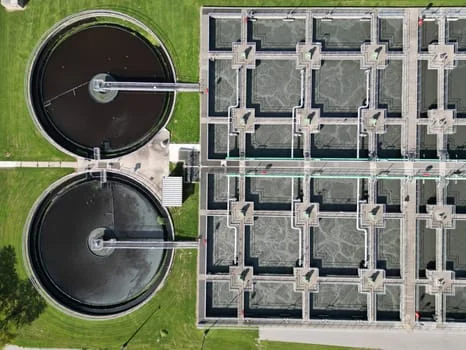
A robust supplier selection framework is critical for mitigating risks and ensuring long-term compliance with Panama City’s stringent environmental regulations. Choosing a sewage treatment equipment supplier in Panama City requires more than just comparing equipment specifications; it demands a deep understanding of local regulatory nuances, logistical capabilities, and after-sales support. For insights into regulatory environments, see how Panama City’s standards compare to the UK’s regulatory environment.
- Step 1: Verify ANAM/MINSA Compliance Certifications. A reputable supplier must demonstrate a clear understanding of and adherence to local regulations. Request documented proof of successful installations meeting ANAM’s Decreto Ejecutivo 35 (2021) and MINSA’s effluent limits. This includes certified effluent test reports, compliance with ISO 14001 (Environmental Management Systems), and experience navigating local permitting processes. Ensure the supplier provides equipment designed to achieve BOD < 30 mg/L and TSS < 50 mg/L consistently.
- Step 2: Assess Local Support Capabilities. Industrial operations cannot afford prolonged downtime. Evaluate the supplier's commitment to local support, which includes 24/7 technical assistance, a readily available inventory of spare parts within Panama, and bilingual (Spanish/English) documentation and training. A strong local presence minimizes response times for maintenance and troubleshooting, which is critical for operational reliability.
- Step 3: Evaluate Customization for Panama City’s Water Quality. Panama City’s diverse industrial landscape means wastewater characteristics vary significantly (e.g., high FOG in food processing, heavy metals in mining, specific chemicals in manufacturing). The supplier should demonstrate the ability to customize or fine-tune their standard equipment to address your specific influent quality challenges, rather than offering a one-size-fits-all solution. This includes pilot testing capabilities or detailed process design based on your effluent analysis.
- Step 4: Compare Financing Options. Investigate various financing solutions, which may include direct purchasing, equipment leasing options, or assistance in securing government grants or incentives for environmental projects. Some suppliers may offer flexible payment terms or collaborate with local financial institutions, easing the upfront capital burden for modular sewage treatment systems Panama.
- Step 5: Request Case Studies from Panama City or Similar Latin American Markets. Real-world performance data is invaluable. Ask for case studies or references from installations in Panama City, the Colón Free Zone, Panama Pacifico, or other Latin American countries with similar regulatory and environmental conditions. This provides tangible evidence of the supplier’s experience and the reliability of their equipment in relevant operational environments.
Use the following checklist to thoroughly evaluate potential suppliers:
| Criteria | Description | Evaluation Points (e.g., 1-5) | Supplier A Score | Supplier B Score |
|---|---|---|---|---|
| ANAM/MINSA Compliance | Proven track record of meeting Decreto Ejecutivo 35; provides certified effluent data, local permits. | (1=Poor, 5=Excellent) | ||
| Local Support & Service | 24/7 technical support, local spare parts inventory, certified technicians in Panama. | (1=Poor, 5=Excellent) | ||
| Customization Capability | Ability to adapt systems to specific industrial wastewater characteristics (FOG, heavy metals, etc.). | (1=Poor, 5=Excellent) | ||
| Financing Options | Offers flexible payment terms, leasing, or assistance with grants/incentives. | (1=Poor, 5=Excellent) | ||
| Relevant Case Studies | Demonstrated success in Panama City or similar Latin American industrial settings. | (1=Poor, 5=Excellent) | ||
| Warranty & Guarantees | Comprehensive equipment warranty (e.g., 2+ years) and performance guarantees. | (1=Poor, 5=Excellent) | ||
| Lead Time | Realistic and reliable lead times for equipment delivery and commissioning (e.g., 12-20 weeks). | (1=Poor, 5=Excellent) |
Frequently Asked Questions
Addressing frequently asked questions provides industrial facility managers with immediate, data-backed insights into Panama City's wastewater treatment challenges and solutions.
Q1: What are the most common ANAM violations for industrial wastewater in Panama City?
A1: The most common ANAM violations typically involve exceeding limits for Total Suspended Solids (TSS), Biochemical Oxygen Demand (BOD), and oil and grease. Heavy metal limits are also frequently violated by specific industries, leading to significant Panama City industrial wastewater compliance fines as seen in the Colón Free Zone wastewater fines.
Q2: How much does it cost to install a 300 m³/day DAF system in Panama City?
A2: For a 300 m³/day DAF system, the capital expenditure (CAPEX) can range from $600,000–$1,200,000 for the equipment, with an additional $150,000–$300,000 for installation costs in Panama City. Annual operational expenses (OPEX) would typically be around $28,000–$50,000.
Q3: Can I reuse treated wastewater from an MBR system in my food processing plant?
A3: Yes, an MBR system can produce near-reuse-quality effluent (<1 mg/L TSS, <5 mg/L BOD) suitable for non-potable applications such as irrigation, cooling towers, and even certain process waters, depending on specific regulatory approval for wastewater reuse Panama City. This can significantly reduce fresh water consumption.
Q4: What’s the lead time for importing sewage treatment equipment to Panama?
A4: The typical lead time for manufacturing and importing specialized sewage treatment equipment to Panama can range from 12 to 20 weeks, depending on the system's complexity and the supplier's manufacturing schedule. This period includes factory acceptance testing, shipping, and customs clearance.
Q5: Are there government incentives for installing wastewater treatment systems in Panama?
A5: While specific large-scale government incentives for private industrial wastewater treatment systems can vary, Panama often promotes environmental compliance through tax benefits for green investments or facilitated access to loans from development banks for sustainable projects. It is advisable to consult with local environmental authorities and financial institutions for the latest programs. For further reading on DAF technology, explore what is a DAF machine: engineering process, efficiency data, industrial selection guide 2025.