Why Accra’s Wastewater Treatment Costs Are Rising in 2026
Accra's burgeoning urban population, which grew from 44% in 2000 to 58% in 2023 according to UN-Habitat, is placing unprecedented strain on existing centralized sewer networks. This rapid urbanization necessitates decentralized wastewater treatment solutions for industrial facilities. With only about 15% of urban wastewater treated nationally, as reported by UN-Habitat, a significant backlog exists for compliance projects in industrial centers like Tema and Takoradi. The Ghana EPA’s 2019 Liquid Waste Regulations are a key driver, mandating on-site treatment for any facility generating more than 5 m³/day of effluent. Non-compliance can result in substantial fines, reaching up to GHS 50,000 per violation. For example, a food processing plant in Tema faced GHS 180,000 in fines in 2023 due to inadequate pretreatment, highlighting the direct financial and operational risks associated with failing to meet regulatory discharge standards.
Wastewater Treatment Plant Cost in Accra: CAPEX Breakdown by Technology and Capacity
Understanding the capital expenditure (CAPEX) for a wastewater treatment plant in Accra is crucial for accurate budgeting. Costs vary significantly based on the chosen technology and the plant's daily treatment capacity. For 2026, a 50 m³/day MBBR system typically starts at GHS 1.2 million, while a more advanced 500 m³/day MBR plant can reach up to GHS 18 million. These figures encompass equipment, installation, and initial compliance testing. The majority of CAPEX is allocated to equipment, with MBR systems generally costing 30–40% more than MBBR due to the inclusion of sophisticated membrane modules. For instance, high-performance flat sheet membranes, such as those in our DF Series, can represent GHS 800,000–1.2 million of the CAPEX for a 500 m³/day MBR plant. Civil works, including excavation, foundation, and landscaping, are also a substantial component. Opting for underground WSZ sewage treatment plants can reduce land acquisition costs by up to 40%, though excavation and civil integration might still range from GHS 200,000–500,000. securing necessary permits and undergoing initial compliance testing with the Ghana EPA adds an estimated GHS 50,000–150,000 to the upfront investment, with annual audits incurring an additional GHS 20,000–50,000.
| Capacity (m³/day) | Technology | Estimated CAPEX (GHS) | Equipment Cost (GHS) | Civil Works Cost (GHS) | Permits & Labor (GHS) |
|---|---|---|---|---|---|
| 50 | MBBR | 1,200,000 - 1,800,000 | 700,000 - 1,000,000 | 300,000 - 400,000 | 200,000 - 400,000 |
| MBR | 1,600,000 - 2,400,000 | 1,000,000 - 1,500,000 | 300,000 - 400,000 | 300,000 - 500,000 | |
| SBR | 900,000 - 1,500,000 | 500,000 - 800,000 | 200,000 - 300,000 | 200,000 - 400,000 | |
| 200 | MBBR | 4,500,000 - 6,500,000 | 2,500,000 - 3,500,000 | 800,000 - 1,200,000 | 1,200,000 - 1,800,000 |
| MBR | 6,000,000 - 9,000,000 | 4,000,000 - 5,500,000 | 800,000 - 1,200,000 | 1,200,000 - 2,300,000 | |
| SBR | 3,000,000 - 4,500,000 | 1,500,000 - 2,500,000 | 700,000 - 1,000,000 | 800,000 - 1,000,000 | |
| 500 | MBBR | 10,000,000 - 15,000,000 | 6,000,000 - 8,000,000 | 2,000,000 - 3,000,000 | 2,000,000 - 4,000,000 |
| MBR | 15,000,000 - 18,000,000 | 9,000,000 - 11,000,000 | 2,000,000 - 3,000,000 | 2,000,000 - 4,000,000 | |
| SBR | 7,000,000 - 10,000,000 | 3,500,000 - 5,000,000 | 1,500,000 - 2,000,000 | 2,000,000 - 3,000,000 |
Operating Costs (OPEX) in Accra: What Buyers Overlook
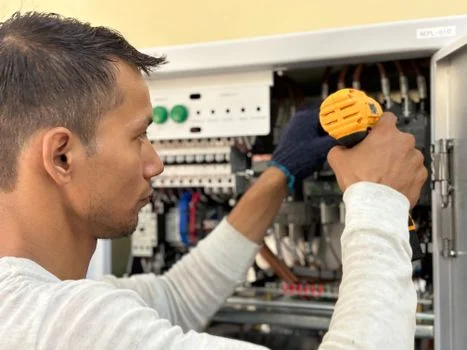
Beyond the initial capital investment, operating costs (OPEX) represent a significant portion of the total cost of ownership for wastewater treatment plants in Accra. These ongoing expenses, averaging GHS 18–45/m³ as indicated by industry data, can be substantially impacted by factors often overlooked during procurement. Sludge disposal is a prime example; costs can range from GHS 100–300 per tonne, a considerable expense for facilities generating significant volumes. Implementing on-site dewatering solutions, such as plate-and-frame filter presses, can reduce these disposal costs by up to 50%. For MBR systems, the periodic replacement of membrane modules is a major OPEX component. These replacements can cost approximately GHS 1.5 million every 5–7 years. However, optimizing aeration efficiency through systems like our DAF machines can lead to energy savings of 15–20%, directly reducing OPEX. Chemical consumption, primarily for coagulation and flocculation, can add GHS 2–5/m³ to operating expenses. Utilizing automatic chemical dosing systems can minimize chemical waste by up to 30%. Labor costs for skilled operators, typically GHS 3,000–5,000 per month per operator, also contribute to OPEX, though advanced automation can reduce staffing needs.
| Cost Component | Estimated Cost Range (per m³ or per tonne) | Mitigation Strategy |
|---|---|---|
| Energy | Variable (e.g., GHS 5-15/m³) | Energy-efficient aeration (e.g., DAF), optimized pump usage |
| Chemicals (Coagulants/Flocculants) | GHS 2-5/m³ | Automatic chemical dosing systems, optimized chemical selection |
| Labor (Skilled Operators) | GHS 3,000-5,000/month per operator | Automated systems, remote monitoring |
| Sludge Disposal | GHS 100-300/tonne | On-site dewatering (e.g., plate-and-frame filter presses) |
| Membrane Replacement (MBR) | GHS 1.5M every 5-7 years (for 500 m³/day) | Effective pre-treatment, proper maintenance, selecting robust membrane types |
| Consumables (e.g., filter media, spare parts) | Variable | Proactive maintenance, stocking critical spares |
MBBR vs. MBR vs. SBR: Which Technology Fits Your Accra Facility?
Selecting the appropriate wastewater treatment technology is a critical decision for industrial facilities in Accra, with MBBR (Moving Bed Biofilm Reactor), MBR (Membrane Bioreactor), and SBR (Sequencing Batch Reactor) offering distinct advantages and disadvantages. MBR systems excel in producing high-quality effluent, consistently achieving Chemical Oxygen Demand (COD) below 50 mg/L and Total Suspended Solids (TSS) below 10 mg/L, making them ideal for industries requiring water reuse, such as textile manufacturing. However, MBRs come with the highest CAPEX (up to GHS 18 million for a 500 m³/day plant) and significant OPEX, particularly due to membrane replacement costs. MBBR technology offers a balanced approach, providing 92–97% TSS removal with a more moderate CAPEX (around GHS 12 million for a 500 m³/day plant) and lower OPEX compared to MBR. Its flexible sizing, typically ranging from 1 to 80 m³/h, makes it suitable for diverse applications like hotels, hospitals, and decentralized treatment needs. SBR systems generally present the lowest CAPEX (approximately GHS 8 million for a 500 m³/day plant) but can incur higher OPEX due to their batch operational nature. They are best suited for smaller facilities with highly variable influent flows, such as those found in rural or remote industrial sites. A detailed MBR vs. MBBR cost comparison for industrial buyers can further illuminate these trade-offs.
| Feature | MBBR | MBR | SBR |
|---|---|---|---|
| Effluent Quality (Typical COD/TSS) | Good (92-97% TSS removal) | Excellent (<50 mg/L COD, <10 mg/L TSS) | Good (variable, depends on design) |
| Footprint | Moderate | Smallest (approx. 60% smaller than conventional) | Moderate to Large (batch tanks) |
| Energy Use | Moderate | Higher (aeration & pumping) | Variable (can be high due to cycling) |
| CAPEX | Medium | High | Low |
| OPEX | Low to Medium | High (membranes, energy) | Medium to High (energy, manual operation) |
| Scalability | Good | Good (modular) | Moderate |
| Maintenance Complexity | Low | Medium (membrane cleaning) | Medium (operational control) |
| Ideal Applications | Hotels, hospitals, decentralized plants, moderate industrial loads | Water reuse, stringent discharge, high-end residential, specific industrial needs (e.g., textiles) | Small facilities, variable flows, remote locations, cost-sensitive projects |
Hidden Costs in Accra’s Wastewater Treatment Market
Beyond the clearly itemized costs of equipment and installation, several "hidden" expenses can significantly inflate the total cost of ownership for wastewater treatment plants in Accra. Permits and ongoing compliance are a recurring cost; Ghana EPA audits can range from GHS 20,000–50,000 annually, and failure to comply can lead to fines of up to GHS 50,000 per violation. Labor costs are also a factor; while fully automated systems like our WSZ underground integrated sewage treatment plants can reduce staffing needs by 50%, skilled operators for less automated systems typically command salaries of GHS 3,000–5,000 per month. Downtime due to equipment malfunction or fouling can result in production losses and further fines. For MBR systems, membrane fouling can halt operations, but effective pre-treatment, such as using GX Series rotary mechanical bar screens, can reduce downtime by up to 30%. Sludge management is another critical area; rising landfill fees in Accra, between GHS 100–300 per tonne, make on-site dewatering with solutions like a plate-and-frame filter press a more cost-effective long-term strategy.
Zero-Risk Procurement Checklist for Accra Buyers
To ensure a zero-risk procurement decision for wastewater treatment plants in Accra, industrial buyers should follow a structured checklist encompassing regulatory, technical, and financial considerations. Firstly, thoroughly verify the latest Ghana EPA discharge limits, which typically include parameters like COD <250 mg/L, TSS <50 mg/L, and pH 6–9, and secure all necessary permits before committing to a purchase. Secondly, technically, match the chosen technology to your specific influent characteristics (e.g., high COD load may favor MBR) and any site footprint constraints. Thirdly, from a financial perspective, request detailed itemized quotes for both CAPEX and OPEX, ensuring that all potential hidden costs, such as sludge disposal and eventual membrane replacement, are factored in. Utilize a wastewater treatment ROI calculator to compare the long-term financial viability of different options. Fourthly, rigorously vet potential suppliers by checking for certifications like ISO 9001 and their proven track record with projects in Accra or similar industrial hubs in Ghana, requesting case studies. Finally, confirm the local availability of critical spare parts, such as MBR membranes or DAF skimmers, to prevent extended downtime.
Frequently Asked Questions
What is the cheapest wastewater treatment technology for Accra?
Sequencing Batch Reactor (SBR) systems generally offer the lowest initial CAPEX, with a 500 m³/day plant potentially costing around GHS 8 million. However, their OPEX can be higher due to batch operation and energy requirements. The MBBR system presents a more balanced option, offering a moderate CAPEX (around GHS 12 million for 500 m³/day) and competitive OPEX (estimated at GHS 25/m³).
How much does sludge disposal cost in Accra?
Sludge disposal fees in Accra typically range from GHS 100 to GHS 300 per tonne. Implementing on-site dewatering technologies, such as a plate-and-frame filter press, can effectively reduce these costs by up to 50% by decreasing the volume and weight of the sludge requiring transport.
What are the Ghana EPA discharge limits for industrial wastewater?
According to Ghana EPA's 2019 Liquid Waste Regulations, industrial wastewater discharge limits generally require COD to be below 250 mg/L, TSS below 50 mg/L, and pH to be maintained between 6 and 9. Advanced technologies like MBR integrated wastewater treatment systems can achieve effluent quality far exceeding these standards, with COD typically below 50 mg/L.
How often do MBR membranes need replacement?
MBR membranes typically have a lifespan of 5 to 7 years under optimal operating conditions. The cost for replacing these membranes for a substantial plant can be significant, estimated at GHS 1.5 million. Implementing robust pre-treatment steps, such as those provided by dissolved air flotation (DAF) machines, can help extend membrane life by 20–30% through effective removal of solids and particulate matter.
Can I install a wastewater treatment plant underground in Accra?
Yes, underground wastewater treatment plants are a viable and increasingly popular solution, especially in urban areas with limited space. Our WSZ underground integrated sewage treatment systems are designed for such applications and can be fully landscaped over, offering aesthetic benefits alongside efficient treatment. They are particularly well-suited for facilities like hotels, hospitals, and commercial complexes.