Kaohsiung Wastewater Treatment Plant Cost 2026: CAPEX, OPEX & Tech-Specific Breakdown for Industrial Buyers
In Kaohsiung, wastewater treatment plant costs vary widely by technology and scale: CAPEX ranges from NT$50M for a 1,000 m³/day DAF system to NT$2B+ for a 50,000 m³/day MBR plant with water reuse. OPEX averages NT$0.8–NT$3.5/m³, with energy and chemical costs accounting for 60–70% of expenses. The Linhai Water Resource Centre’s BTO model saves NT$30M annually by combining municipal wastewater treatment with recycled water production—critical for Kaohsiung’s water-stressed industrial zones.
Why Kaohsiung’s Industrial Buyers Need Precise Wastewater Treatment Cost Data
Kaohsiung's industrial sector faces severe water scarcity, with the 2025 drought reducing industrial water supply by 30%, necessitating significant investment in recycled water infrastructure (Taiwan Water Resources Agency). This environmental pressure, coupled with stringent regulatory oversight, makes precise cost data for wastewater treatment plants (WWTPs) indispensable for industrial procurement managers, environmental engineers, and plant operators. Without a clear understanding of capital expenditures (CAPEX) and operational expenditures (OPEX) across different technologies, facilities risk inefficient investments, compliance failures, and increased operational liabilities.
Compliance costs represent a substantial financial burden for non-adherence. Taiwan EPA fines for effluent violations, such as exceeding a Chemical Oxygen Demand (COD) limit of 100 mg/L, can range from NT$500K to NT$5M per incident, per 2024 Environmental Protection Administration regulations. Such penalties can severely impact a facility's profitability and reputation, potentially leading to operational shutdowns. For instance, a petrochemical plant facing repeated effluent violations could incur millions in fines, far exceeding the cost of a robust treatment upgrade.
Kaohsiung's proactive stance on water conservation includes ambitious recycled water mandates. The city's 2026 industrial water reuse target of 25% of total supply requires treated wastewater to meet stringent standards, typically less than 10 mg/L for Biochemical Oxygen Demand (BOD) and less than 5 mg/L for Total Suspended Solids (TSS), as specified by the Linhai Water Resource Centre. These standards often necessitate advanced tertiary treatment, increasing the complexity and cost of WWTPs, but simultaneously unlocking significant long-term savings. A Kaohsiung electronics manufacturer, for example, successfully saved NT$12M annually by switching from municipal water priced at NT$15/m³ to recycled water at NT$8/m³ after investing in an advanced onsite treatment and reuse system.
Understanding the detailed cost breakdown by technology and compliance level allows industrial buyers to make informed decisions that mitigate risks, ensure regulatory compliance, and secure a sustainable water supply.
Kaohsiung Wastewater Treatment Plant Costs: CAPEX Breakdown by Technology
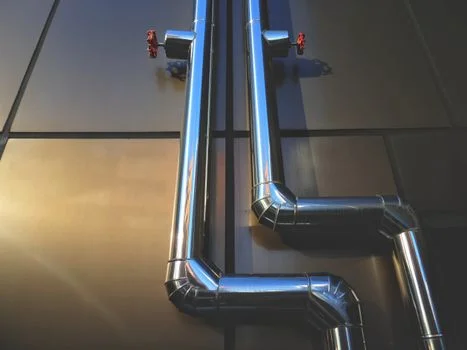
Industrial wastewater treatment plant CAPEX in Kaohsiung for 2026 ranges from NT$30M for a small chemical precipitation system to over NT$800M for large-scale MBR plants, heavily influenced by technology choice and capacity. The initial capital investment for a wastewater treatment plant is a critical factor, varying significantly based on the chosen technology, treatment capacity, influent characteristics, and the required effluent quality. For Kaohsiung's diverse industrial sectors, including petrochemical, electronics, and food processing, understanding these variations is essential.
Common industrial wastewater treatment technologies exhibit distinct CAPEX profiles. For instance, a high-efficiency DAF system for Kaohsiung’s petrochemical wastewater with a capacity of 1,000 m³/day typically ranges from NT$50M to NT$300M. Conventional activated sludge systems, suitable for moderate organic loads, generally fall between NT$80M and NT$500M. Advanced MBR system for Kaohsiung’s recycled water and high-strength wastewater, offering superior effluent quality and smaller footprints, command higher CAPEX, from NT$100M to NT$800M. Simpler chemical precipitation systems, often used for heavy metal removal, have a lower entry cost, ranging from NT$30M to NT$200M.
Scale effects significantly impact unit CAPEX; for example, the unit CAPEX can drop by approximately 40% when the treatment capacity doubles from 1,000 m³/day to 10,000 m³/day, according to CTCI’s EPCC project data. Land costs are another major consideration in densely populated industrial zones like Kaohsiung. While underground systems, such as HydropureWater's WSZ series, can add 20% to the overall CAPEX, they offer substantial savings by reducing land lease costs by up to 50% (HydropureWater case studies). Turnkey Engineering, Procurement, Construction, and Commissioning (EPCC) projects, like those undertaken by CTCI for PTA wastewater recovery, typically add 10–15% to the CAPEX but can reduce commissioning time by up to 6 months, offering faster project delivery and reduced risk.
The influent quality also directly impacts CAPEX. Highly concentrated PTA effluent from petrochemical facilities, with COD loads ranging from 500–5,000 mg/L, often requires more robust and multi-stage treatment processes, leading to higher CAPEX compared to less complex food processing wastewater.
| Technology | Typical CAPEX Range (NT$) for 1,000-10,000 m³/day | Primary Application in Kaohsiung | Key Cost Drivers |
|---|---|---|---|
| Chemical Precipitation | NT$30M – NT$200M | Heavy metal removal (Electronics) | Chemical storage, sludge dewatering |
| DAF (Dissolved Air Flotation) | NT$50M – NT$300M | TSS, FOG removal (Petrochemical, Food) | Tank construction, air compressor, sludge handling |
| Activated Sludge | NT$80M – NT$500M | BOD/COD removal (General industrial) | Aeration systems, clarifiers, sludge processing |
| MBR (Membrane Bioreactor) | NT$100M – NT$800M | High-quality effluent, water reuse (Petrochemical, Electronics) | Membrane modules, aeration, advanced controls |
Operating Costs (OPEX) in Kaohsiung: Energy, Chemicals, and Labor
Operating expenses (OPEX) for industrial wastewater treatment plants in Kaohsiung vary from NT$0.5/m³ for basic chemical precipitation to NT$3.5/m³ for advanced MBR systems, with energy and chemical costs comprising 60–70% of total expenses. Understanding the long-term operational costs is crucial for evaluating the total lifecycle cost of a WWTP. These costs are primarily driven by energy consumption, chemical usage, labor requirements, and routine maintenance.
OPEX ranges per cubic meter (NT$/m³) show significant variation across technologies. Chemical precipitation systems can operate at NT$0.5–NT$1.5/m³, mainly due to chemical consumption. DAF systems typically range from NT$0.8–NT$2.0/m³, with energy for air compressors and coagulants contributing significantly. Conventional activated sludge systems fall between NT$1.2–NT$2.5/m³, largely influenced by aeration energy. MBR systems, while offering superior effluent quality, generally have higher OPEX at NT$1.5–NT$3.5/m³ due to intensive aeration and membrane cleaning requirements.
Energy costs are a major component, especially for biological and membrane-based systems. MBR systems, for example, consume 0.8–1.2 kWh/m³, which is approximately 30% higher than conventional activated sludge systems due to membrane scouring and higher aeration demands. Given Kaohsiung’s industrial electricity rates of around NT$2.5/kWh, energy efficiency is a critical design consideration. Chemical costs also form a substantial part of OPEX. DAF systems require NT$0.5–NT$1.2/m³ for coagulants and flocculants (e.g., PAC, polyacrylamide) to achieve optimal separation. In contrast, MBR systems use NT$0.2–NT$0.5/m³ primarily for membrane cleaning chemicals, such as sodium hypochlorite or citric acid, depending on the fouling type. Automated chemical dosing, facilitated by an automated chemical dosing for Kaohsiung’s DAF and chemical precipitation systems, can optimize usage and reduce costs.
Labor costs are another variable. Fully automated systems, like HydropureWater's WSZ series underground integrated sewage treatment plants, can reduce labor costs to NT$0.1–NT$0.3/m³ due to minimal manual intervention. Conversely, more manually operated systems may incur labor costs of NT$0.5–NT$1.0/m³. Maintenance expenses also vary; MBR membranes, while durable, require replacement every 5–7 years, which can cost NT$5M–NT$20M per replacement depending on plant size. DAF systems, on the other hand, typically require annual skimmer maintenance at a lower cost of NT$200K–NT$500K.
| Technology | Typical OPEX Range (NT$/m³) | Main OPEX Drivers | Cost-Saving Opportunities |
|---|---|---|---|
| Chemical Precipitation | NT$0.5 – NT$1.5 | Chemicals (coagulants, pH adjusters), sludge disposal | Optimized dosing, sludge reduction |
| DAF (Dissolved Air Flotation) | NT$0.8 – NT$2.0 | Energy (air compressor), chemicals (coagulants) | Energy-efficient compressors, automated chemical dosing |
| Activated Sludge | NT$1.2 – NT$2.5 | Energy (aeration), sludge disposal | High-efficiency blowers, anaerobic digestion for sludge |
| MBR (Membrane Bioreactor) | NT$1.5 – NT$3.5 | Energy (aeration, membrane scouring), membrane cleaning chemicals, membrane replacement | Efficient membrane cleaning, energy recovery, optimized aeration |
Tech-Specific Cost Drivers: Matching Treatment Methods to Kaohsiung’s Common Pollutants
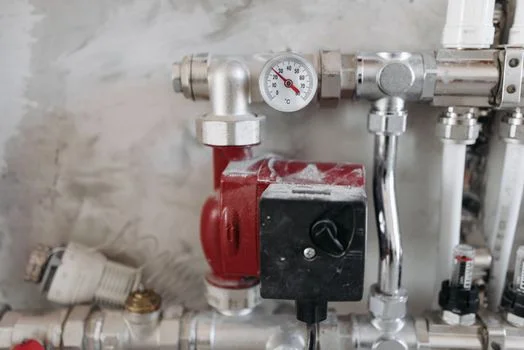
Selecting the optimal wastewater treatment technology for Kaohsiung’s specific industrial pollutants, such as PTA effluent, electronics wastewater, or food processing discharge, can reduce operational costs by up to 40% compared to generic solutions. The most cost-effective treatment strategy is always tailored to the unique characteristics of the influent wastewater.
For PTA wastewater, which represents Kaohsiung's largest industrial sector, initial treatment often focuses on suspended solids (TSS) and high organic loads. A DAF system can effectively remove up to 90% of TSS at an OPEX of approximately NT$1.2/m³. However, to achieve compliance for COD and BOD, subsequent biological treatment is essential. Advanced biological systems, such as MBR, are often required, pushing the combined OPEX to around NT$2.5/m³ for comprehensive treatment. For further insights, comparing with Taichung’s wastewater treatment cost benchmarks for comparison can provide broader regional context.
Electronics wastewater in Kaohsiung frequently contains heavy metals like copper and nickel. Chemical precipitation for Kaohsiung’s heavy metal wastewater is a highly effective method, removing up to 95% of these metals at an OPEX of about NT$0.8/m³. However, for applications requiring ultra-low limits (<0.1 mg/L), such as specific reuse scenarios, more advanced methods like ion exchange or RO systems for Kaohsiung’s electronics wastewater become necessary, which can increase OPEX to NT$1.5/m³ or more.
Food processing wastewater is characterized by high organic content, fats, oils, and grease (FOG). While conventional aerobic treatment is common, anaerobic digestion offers a compelling cost-saving opportunity, reducing OPEX by up to 40% (around NT$0.6/m³) by generating biogas for energy recovery. This approach, however, necessitates effective pre-treatment to remove FOG and large solids using equipment like rotary mechanical bar screens to prevent operational issues in the anaerobic reactor.
For achieving recycled water standards, MBR systems are particularly effective, consistently producing effluent with <10 mg/L BOD and <5 mg/L TSS, meeting Taiwan’s stringent recycled water requirements. While MBR systems can add approximately 20% to the CAPEX compared to conventional activated sludge systems, the benefit of producing high-quality water suitable for reuse often justifies the investment, especially in water-stressed Kaohsiung.
Influent variability, such as seasonal spikes in organic load or flow rate common in food processing facilities, can significantly impact OPEX. Systems must be designed with sufficient buffering capacity and robust controls to handle these fluctuations without incurring excessive chemical or energy costs, or risking non-compliance.
| Pollutant Type | Primary Treatment Method | Typical OPEX (NT$/m³) | Achieved Removal Efficiency | Considerations for Kaohsiung |
|---|---|---|---|---|
| PTA Wastewater (High COD/TSS) | DAF + MBR | NT$2.5 | 90% TSS (DAF), 95% COD/BOD (MBR) | High organic load, potential for reuse |
| Electronics Wastewater (Heavy Metals) | Chemical Precipitation + Ion Exchange | NT$0.8 (CP), NT$1.5 (IX) | 95% (CP), >99% for ultra-low limits (IX) | Strict discharge limits, potential for valuable metal recovery |
| Food Processing Wastewater (FOG/BOD) | Rotary Screen + Anaerobic Digestion | NT$0.6 | 80% BOD (Anaerobic), FOG removal | Pre-treatment critical, biogas production benefits |
| General Industrial (Recycled Water) | MBR + RO | NT$3.5+ | <10 mg/L BOD, <5 mg/L TSS (MBR), high purity (RO) | Meets Taiwan reuse standards, high upfront cost |
Compliance Costs: Taiwan EPA Standards vs. Recycled Water Requirements
Meeting Taiwan EPA discharge limits for industrial wastewater in Kaohsiung requires compliance with strict parameters like BOD <30 mg/L and COD <100 mg/L, while recycled water standards demand even lower pollutant levels, such as BOD <10 mg/L and TSS <5 mg/L. Compliance is a non-negotiable aspect of industrial wastewater treatment, directly impacting design, technology selection, and long-term costs. The regulatory landscape in Taiwan differentiates between direct discharge standards and the more stringent requirements for water reuse.
Taiwan EPA discharge limits, as stipulated by the Water Pollution Control Act (2026), specify parameters such as BOD <30 mg/L, COD <100 mg/L, TSS <30 mg/L, and Ammonia-Nitrogen (NH3-N) <10 mg/L for general industrial wastewater. Meeting these standards typically requires secondary biological treatment, often supplemented with primary physical-chemical processes.
However, Kaohsiung’s recycled water standards, particularly those outlined by the Linhai Water Resource Centre, are significantly more stringent to ensure the safety and suitability of water for industrial reuse. These include BOD <10 mg/L, TSS <5 mg/L, turbidity <2 NTU, and E. coli <10 CFU/100mL. Achieving these levels necessitates tertiary treatment and advanced disinfection, which inherently adds to both CAPEX and OPEX.
Cost add-ons for achieving these higher compliance levels are considerable. Tertiary filtration, such as sand filters or ultrafiltration, typically adds NT$0.3–NT$0.8/m³ to OPEX. Disinfection, vital for recycled water, can cost NT$0.1–NT$0.5/m³ for methods like chlorine dioxide generation or UV irradiation. Continuous monitoring and analytical testing, crucial for demonstrating compliance, contribute an additional NT$0.2–NT$0.4/m³ to operational expenses. A Kaohsiung petrochemical plant, for example, successfully reduced its compliance fines by 80% after upgrading to an MBR system, involving a CAPEX of NT$15M and an OPEX of NT$2.5/m³, demonstrating the financial benefits of proactive investment in advanced treatment.
Recycled water plants, like the Linhai Water Resource Centre, achieve lower overall OPEX by integrating municipal wastewater treatment with advanced recycled water production in a single facility. This synergistic approach optimizes infrastructure and operational processes, reducing the per-cubic-meter cost of both compliance and water reuse.
| Parameter | Taiwan EPA Discharge Limit (2026) | Kaohsiung Recycled Water Standard | Typical Cost Add-on for Recycled Water (NT$/m³) |
|---|---|---|---|
| BOD | <30 mg/L | <10 mg/L | NT$0.3-0.8 (Tertiary Filtration) |
| COD | <100 mg/L | N/A (often met by BOD/TSS) | N/A (implied by BOD/TSS) |
| TSS | <30 mg/L | <5 mg/L | NT$0.3-0.8 (Tertiary Filtration) |
| NH3-N | <10 mg/L | N/A (depends on reuse application) | NT$0.5-1.0 (Advanced N Removal, if needed) |
| Turbidity | N/A | <2 NTU | NT$0.3-0.8 (Tertiary Filtration) |
| E. coli | N/A | <10 CFU/100mL | NT$0.1-0.5 (Disinfection) |
How to Choose the Right Wastewater Treatment System for Kaohsiung’s Industrial Needs
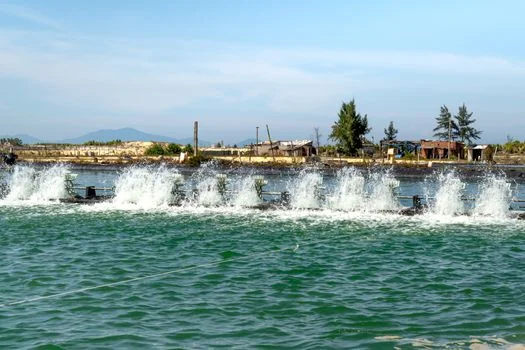
Selecting the optimal wastewater treatment system for Kaohsiung's diverse industrial needs involves a six-step framework, starting with comprehensive wastewater characterization and culminating in a detailed CAPEX/OPEX comparison against compliance requirements. This systematic approach ensures that the chosen solution is both technically effective and economically viable for specific industrial applications.
- Step 1: Characterize Wastewater. Begin with thorough laboratory tests to understand the influent wastewater's composition. Key parameters include Chemical Oxygen Demand (COD), Biochemical Oxygen Demand (BOD), Total Suspended Solids (TSS), pH, heavy metal concentrations (e.g., for electronics wastewater), and Fats, Oils, and Grease (FOG) content (e.g., for food processing). For PTA effluent, specific organic compounds and their treatability should be assessed.
- Step 2: Determine Flow Rate and Peak Loads. Accurately calculate the average daily flow rate (m³/day) and identify any significant peak loads or seasonal variations. For food processing facilities, seasonal spikes in production can drastically alter wastewater volume and pollutant concentration, requiring systems with adequate buffering and design flexibility.
- Step 3: Match Treatment Method to Pollutants. Based on the wastewater characteristics, select the most appropriate treatment technologies. For high TSS and FOG, a DAF system is often the primary choice. For significant COD/BOD reduction, biological methods like activated sludge or MBR are necessary. Heavy metal removal typically requires chemical precipitation, sometimes followed by ion exchange for ultra-low limits.
- Step 4: Compare CAPEX/OPEX for Shortlisted Systems. Use the detailed cost breakdowns provided in this article to estimate the capital and operational expenses for each viable technology. Consider the lifecycle costs, not just the initial investment. This comparison should be specific to the desired capacity and effluent quality.
- Step 5: Evaluate Compliance Costs and Land Constraints. Assess the additional costs required to meet Taiwan EPA discharge limits or Kaohsiung’s more stringent recycled water standards, including tertiary treatment, disinfection, and monitoring. Factor in land availability in Kaohsiung’s industrial zones; if space is limited, compact systems like MBR or underground WSZ series plants may be more cost-effective despite higher unit CAPEX.
- Step 6: Request Quotes from Qualified Providers. Engage with experienced EPCC providers (e.g., CTCI) for comprehensive turnkey solutions, especially for complex projects requiring integrated design and construction. Alternatively, consider modular suppliers (e.g., HydropureWater) for phased deployments or when flexibility is paramount. Obtain detailed proposals that include equipment, installation, commissioning, and estimated long-term support.
Frequently Asked Questions
Industrial buyers in Kaohsiung frequently inquire about the total cost, most effective technologies for specific pollutants, and the financial benefits of recycled water facilities, all of which are critical for informed procurement decisions.
Q: How much does a 10,000 m³/day wastewater treatment plant cost in Kaohsiung?
A: CAPEX for a 10,000 m³/day plant in Kaohsiung typically ranges from NT$300M for a DAF system to NT$800M for an MBR plant, with OPEX varying from NT$0.8–NT$3.5/m³, depending on the specific technology chosen and the required effluent compliance.
Q: What are the most cost-effective treatment methods for PTA wastewater in Kaohsiung?
A: For PTA wastewater, the most cost-effective approach involves a two-stage process: DAF for initial TSS removal (around NT$1.2/m³ OPEX) followed by advanced biological treatment, such as MBR, for comprehensive COD/BOD compliance, bringing the total OPEX to approximately NT$2.5/m³.
Q: How do recycled water plants in Kaohsiung reduce OPEX?
A: Recycled water plants, exemplified by the Linhai Water Resource Centre, reduce OPEX by integrating municipal wastewater treatment with industrial recycled water production. This combined approach optimizes resource utilization and operational synergies, saving approximately NT$30M annually for the Linhai facility.
Q: What are the compliance costs for discharging wastewater in Kaohsiung?
A: Meeting Taiwan EPA discharge limits (e.g., BOD <30 mg/L, COD <100 mg/L) often requires tertiary treatment (adding NT$0.3–NT$0.8/m³ to OPEX) and disinfection (NT$0.1–NT$0.5/m³ for methods like ClO₂ or UV) beyond secondary treatment to avoid fines.
Q: Should I choose an EPCC project or a modular system for my Kaohsiung plant?
A: EPCC projects (e.g., by CTCI) typically add 10–15% to CAPEX but significantly reduce project commissioning risks and timelines by up to 50% for complex, large-scale facilities. Modular systems (e.g., from HydropureWater) offer greater flexibility, faster deployment for smaller capacities, and are suitable for phased expansions or when land constraints are severe.