Industrial Wastewater Treatment in England: Specs, Compliance and Cost
Industrial wastewater treatment in England must meet site-specific Environment Agency or sewerage consent limits while holding CAPEX in the £200K–£5M band and OPEX near £5–£50/m³. Many sector consents still reference TSS below 20 mg/L and COD below 125 mg/L. DAF units remove 92–97% TSS at 4–300 m³/h; MBRs deliver near-reuse effluent with about 60% smaller footprints than conventional activated sludge.
Why UK Manufacturers Are Upgrading Wastewater Treatment Systems
Earlier industry summaries cited a 22% rise in Environment Agency enforcement actions across 2023–2024. According to the Environment Agency Chief Regulator’s report 2024-25, enforcement notices issued in England rose from 161 in 2023 to 295 in 2024, and 98 prosecution cases resulted in fines totalling £3.8 million. Food processing and chemical plants remain frequent scrutiny targets for organic load and toxic substance breaches.
A Midlands food manufacturer faced £850K in fines and production halts after repeated Chemical Oxygen Demand (COD) exceedances. Beyond fines, sludge disposal across England still ranges from £80–£150/tonne, and energy-intensive aeration can account for 30–50% of total OPEX. Many sites also lack space for larger conventional trains, so compact primary and secondary packages are replacing ageing sedimentation tanks that miss modern TSS and COD limits.
England-Specific Wastewater Regulations: Permits, Limits, and Enforcement
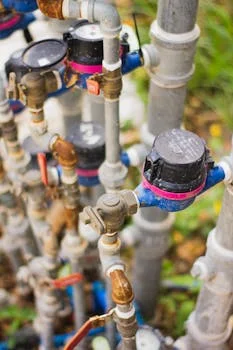
Trade effluent and direct-discharge permits in England typically set effluent quality below 20 mg/L Total Suspended Solids (TSS) and 125 mg/L Chemical Oxygen Demand (COD), though limits vary by sector and receiving water. According to GOV.UK guidance on discharging effluent in England, discharges of trade or sewage effluent to surface water or to ground generally require an Environment Agency environmental permit unless an exemption applies. Metal finishing often faces nickel caps near <0.5 mg/L; dairy plants may see BOD limits near <30 mg/L; textile colour limits can reach <50 ADMI units after heightened dye and microplastics scrutiny.
Permit applications need pre-treatment plans, monitoring frequencies, and reporting obligations. Common violations include pH outside the 6–9 range, TSS or COD exceedances, and elevated heavy metals, with typical penalties of £5K–£20K per incident. For copper-bearing rinse waters, plants often pair pH control with chemical precipitation for copper removal before polishing or discharge.
| Industry Sector | Key Pollutant | Typical Discharge Limit (England) | Enforcement Focus |
|---|---|---|---|
| Food Processing | COD, BOD, FOG, TSS | COD <125 mg/L, BOD <30 mg/L, FOG <20 mg/L, TSS <20 mg/L | Organic load, fats, oils, grease |
| Metal Finishing | Heavy Metals (Ni, Cu, Zn), pH | Ni <0.5 mg/L, Cu <1.0 mg/L, pH 6-9 | Toxic substances, pH balance |
| Dairy | BOD, COD, Phosphorus | BOD <30 mg/L, COD <125 mg/L, P <2 mg/L | High organic load, nutrient removal |
| Textile & Dyeing | Color, TSS, COD | Color <50 ADMI, TSS <20 mg/L, COD <125 mg/L | Dyes, microplastics, suspended solids |
| Chemical Manufacturing | Specific Organics, pH, Heavy Metals | Highly variable, often substance-specific (e.g., Benzene <0.1 mg/L) | Complex contaminants, toxicity |
Industrial Wastewater Treatment Technologies: Engineering Specs and Performance Data
High-efficiency DAF systems for UK industrial wastewater achieve 92–97% TSS removal and 85–95% Fats, Oils, and Grease (FOG) removal at 4–300 m³/h, with energy use listed at 10–30 kWh/m³ for packaged skids. Compact MBR systems for high-COD wastewater in England provide <1 μm filtration, 95–99% COD removal, and up to 60% smaller footprints than conventional activated sludge. Chemical dosing typically applies coagulants such as ferric chloride at 50–200 mg/L for pH control, metal precipitation, and flocculation.
After primary and secondary treatment, sludge dewatering solutions to reduce disposal costs in England such as plate and frame filter presses raise cake dry solids to 25–35% and cut haulage mass. Where outdoor civil works are constrained, an Underground Package Sewage Treatment Plant (WSZ Series) can house biological stages below grade while DAF or chemical pre-treatment sits above grade. For process detail on FOG and TSS removal, see how DAF systems remove 95%+ FOG and TSS from industrial wastewater, and compare MBR footprints against conventional trains in dedicated engineering notes.
| Technology | Key Application | TSS Removal Efficiency (%) | COD Removal Efficiency (%) | Typical Flow Rate (m³/h) | Relative Footprint | Energy Use (kWh/m³) | Typical Effluent Quality |
|---|---|---|---|---|---|---|---|
| Dissolved Air Flotation (DAF) | FOG, TSS, Particulate COD | 92–97% | 40–60% | 4–300 | Medium | 10–30 | Reduced TSS/FOG, pre-treatment for biological |
| Membrane Bioreactor (MBR) | High COD, BOD, Nutrient Removal | >99% | 95–99% | 5–500 | Small (60% less than CAS) | 25–45 | Near-reuse quality, very low TSS/BOD/COD |
| Chemical Dosing (Coagulation/Flocculation) | Heavy Metals, pH Adjustment, Turbidity | 70–90% (as pre-treatment) | 20–50% | Variable | Small | 5–15 | Precipitated metals, improved clarity |
| Plate & Frame Filter Press | Sludge Dewatering | N/A (sludge processing) | N/A (sludge processing) | 1–50 (sludge volume) | Medium | 5–20 (per tonne dry solids) | 25–35% dry solids cake |
How Do Treatment Equipment Costs Compare?
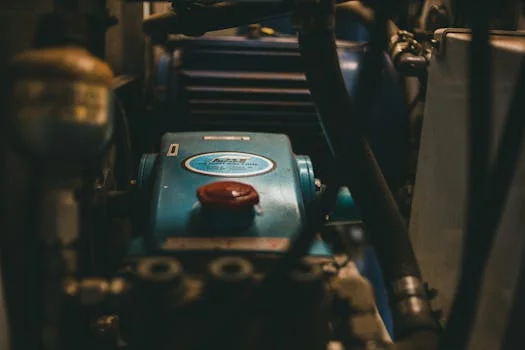
Treatment equipment costs in the UK still cluster by technology: DAF CAPEX £150K–£1M, MBR CAPEX £300K–£3M, and chemical dosing CAPEX £50K–£200K, each including install and commissioning. Energy often drives 30–50% of OPEX, chemicals 10–20%, and sludge disposal £80–£150/tonne in England after dewatering. A 100 m³/h food-plant DAF at about £800K CAPEX can generate roughly £250K/year in avoided fines, lower sludge mass, and process gains when consent risk is high.
Hidden costs include permit fees (£5K–£20K), monitoring gear (£10K–£50K), and operator training. Payback for efficient trains is typically 2–5 years when compliance avoidance and disposal savings are counted. For electroplating-specific CAPEX and chemical OPEX detail, compare published UK cost breakdowns for plating wastewater against the ranges below.
| Cost Category | DAF System (Typical Range) | MBR System (Typical Range) | Chemical Dosing (Typical Range) | Notes |
|---|---|---|---|---|
| CAPEX (Initial Investment) | £150K–£1M | £300K–£3M | £50K–£200K | Includes equipment, installation, commissioning |
| OPEX (Per Year, Example 100 m³/h plant) | ||||
| Energy Costs | £30K–£80K | £50K–£150K | £5K–£15K | Significant driver, varies by power rates |
| Chemicals | £10K–£40K | £5K–£20K | £20K–£100K | Coagulants, flocculants, membrane cleaning chemicals |
| Sludge Disposal | £50K–£150K | £30K–£100K | £10K–£50K | £80–£150/tonne in England, post-dewatering |
| Maintenance & Labor | £15K–£40K | £20K–£60K | £5K–£15K | Regular servicing, operator time |
| ROI Drivers | Avoided fines, reduced water usage, lower disposal costs, enhanced reputation | Payback period typically 2-5 years for efficient systems | ||
What Drives Lifecycle Cost for Treatment Equipment?
Lifecycle cost for treatment equipment is driven first by energy share (often 30–50% of annual OPEX), then by sludge haulage at £80–£150/tonne and by membrane or chemical consumables. Selection that cuts dry-solids mass, aeration intensity, or membrane fouling therefore moves total cost of ownership more than a lower equipment quote alone. When influent FOG stays above 100 mg/L, adding DAF before biological stages usually reduces both membrane cleaning chemicals and downtime cost over a 10–15 year plant life.
How to Select the Right Wastewater Treatment System for Your UK Facility
System selection for industrial wastewater treatment in England starts with measured influent TSS, COD, FOG, and metals against the Environment Agency or sewerage consent. Match technology to load: DAF for food plants with high FOG and TSS, MBR for high-COD chemical wastewater needing near-reuse quality, and chemical dosing for metal precipitation in electroplating. Then check footprint and power: MBRs suit tight sites; DAF suits flows above about 50 m³/h with FOG above 100 mg/L. Target payback under five years using the CAPEX and OPEX ranges above.
Checklist before tender covers seven items. Confirm consent limits and sampling frequency, then collect 24-hour composite influent data. Check available plot or basement volume, sludge offtake contracts, and gate fees. Review power tariff, standby generation, operator skill for membranes versus flotation, and reuse ambition versus sewer discharge. For deeper engineering comparisons, review MBR system engineering and efficiency data for UK wastewater treatment and how DAF systems remove 95%+ FOG and TSS from industrial wastewater.
This guide is for plant engineers and procurement teams sizing England industrial pre-treatment or reuse trains. Sites seeking only municipal sewage polishing without industrial FOG or metals should look at package biological units rather than full DAF–MBR trains. Next step: send influent analyses and consent limits for a duty-point equipment match.
Frequently Asked Questions
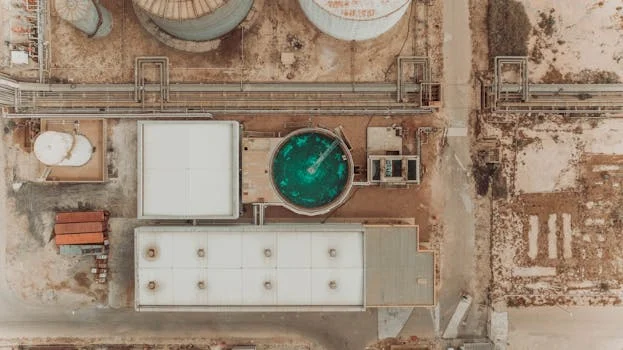
What are the most common Environment Agency violations for industrial wastewater in England?
The most common industrial wastewater violations in England remain pH outside the permitted band (typically 6–9), TSS and COD exceedances, and elevated heavy metals. Enforcement intensity has risen: notices issued moved from 161 in 2023 to 295 in 2024, with prosecution fines totalling £3.8 million across 98 cases that year (Environment Agency Chief Regulator’s report 2024-25). Site-specific consent wording still controls exact numeric triggers.
How much does a DAF system cost for a 50 m³/h food processing plant?
A DAF system for a 50 m³/h food processing plant typically carries CAPEX of £300K–£500K including installation and commissioning. OPEX often falls near £15–£30/m³ when energy, coagulants or flocculants, and post-dewatering sludge disposal are combined. Actual quotes swing with FOG load, chemical dose, and regional power and gate fees.
Can MBR systems handle high-FOG wastewater?
MBR systems are generally not suitable as the first stage when FOG exceeds about 100 mg/L because oils foul membranes and raise cleaning chemical use. Primary DAF or equivalent FOG removal should cut grease before the bioreactor. After FOG control, MBR trains can then deliver >99% TSS and 95–99% COD removal for high-strength soluble organics.
What are the sludge disposal costs in England?
Sludge disposal costs in England typically run £80–£150/tonne for landfill routes and about £50–£100/tonne for incineration, depending on region, dry solids, and hazardous classification. Raising cake solids from dilute slurry to 25–35% dry solids with a filter press cuts tonnes hauled and often dominates OPEX savings after energy. Always confirm current gate fees with local contractors.
How often do I need to renew my trade effluent discharge consent?
Trade effluent discharge consents in England typically require renewal every 3–5 years under the issuing sewerage undertaker or Environment Agency regime. A review can be triggered sooner if production processes, wastewater strength, or discharge volume change materially. Keep monitoring records current so renewals do not force emergency plant upgrades.