In 2025, Ibadan’s industrial plants face strict wastewater discharge limits—NESREA mandates COD < 250 mg/L and TSS < 50 mg/L, while Lagos EPA enforces even stricter COD < 150 mg/L for food processors in Alakia. Dissolved Air Flotation (DAF) systems achieve 92–97% TSS removal at ₦15–₦45 million ($18K–$55K) for 10–50 m³/h capacities, while MBR systems deliver near-reuse-quality effluent (<1 mg/L TSS) at ₦30–₦80 million ($36K–$97K). This guide provides Ibadan-specific engineering specs, cost benchmarks by industry, and a zero-risk supplier selection framework to avoid fines and optimize CAPEX/OPEX.
Why Ibadan’s 2025 Wastewater Regulations Are Forcing Plant Upgrades
Ibadan’s industrial plants are facing intensified regulatory pressure in 2025, driven by strict discharge limits and increased enforcement, making wastewater treatment upgrades no longer optional but essential for operational continuity and financial stability. NESREA’s 2023 National Environmental Regulations mandate specific discharge parameters for industrial effluent, including a maximum Chemical Oxygen Demand (COD) of 250 mg/L, Biological Oxygen Demand (BOD) of 30 mg/L, Total Suspended Solids (TSS) of 50 mg/L, and a pH range of 6–9 (NESREA 2023 National Environmental Regulations). These limits apply broadly across Nigeria, including for industrial wastewater treatment in Ibadan.
However, plants situated within high-density industrial zones, particularly those in Alakia and Oluyole Industrial Estates, often face additional scrutiny from the Lagos State Environmental Protection Agency (LASEPA), which can impose even stricter local standards. For instance, LASEPA enforces a COD limit of 150 mg/L for food processing plants in specific areas, a benchmark significantly tighter than the national standard. A stark example of this heightened enforcement occurred in 2023 when a beverage facility in the Alakia Industrial Estate incurred a ₦2.5 million fine for discharging effluent with TSS levels exceeding 150 mg/L, demonstrating the severe financial penalties for non-compliance (LASEPA enforcement data, 2023). Compliance deadlines for existing plants are typically staggered, allowing time for upgrades, but new facilities must meet these standards from day one. Penalties for non-compliance extend beyond fines to include operational shutdowns, permit revocations, and reputational damage, reflecting a growing trend towards stringent environmental oversight.
The risks associated with non-compliance are highly industry-specific. Food processing plants in Ibadan, for example, typically generate wastewater with high levels of TSS, BOD, and Fats, Oils, and Grease (FOG), directly impacting TSS and BOD discharge limits. Textile dyeing plants contend with highly colored effluent containing toxic dyes and heavy metals, requiring specialized treatment to meet strict color and heavy metal discharge limits. Chemical plants often produce complex wastewater streams with varying pH levels and hazardous chemical contaminants, necessitating robust systems to ensure compliance with pH and chemical-specific discharge limits. Understanding these specific risks is the first step toward selecting appropriate sewage treatment equipment for industrial plants in Ibadan.
Ibadan’s Top 5 Sewage Treatment Equipment Types: Engineering Specs & Removal Efficiencies
Selecting the right sewage treatment equipment is critical for Ibadan’s industrial plants to meet stringent discharge limits, with specific technologies excelling at removing particular contaminants. Dissolved Air Flotation (DAF) systems are highly effective for food and textile plants, achieving 92–97% TSS removal and 50–90% FOG removal from industrial wastewater (HydropureWater field data, 2025). DAF works by saturating wastewater with air under pressure, then releasing it at atmospheric pressure, creating microscopic bubbles that attach to suspended solids, oils, and grease, floating them to the surface for skimming. This makes DAF systems for Ibadan’s food and textile plants an efficient primary treatment option for high TSS and FOG loads.
For operations requiring near-reuse-quality effluent, Membrane Bioreactor (MBR) systems are an advanced solution, consistently delivering less than 1 mg/L TSS and over 99% pathogen removal. MBR technology combines conventional activated sludge treatment with membrane filtration, eliminating the need for a secondary clarifier and tertiary filtration. This results in a significantly smaller footprint and superior effluent quality compared to conventional activated sludge, though with higher energy consumption for membrane aeration and cleaning. MBR systems for near-reuse-quality effluent in Ibadan are ideal for plants aiming for water recycling or discharge into sensitive receiving bodies.
Chemical dosing with Polyaluminum Chloride (PAC) is a cost-effective method for enhancing coagulation and flocculation, leading to 30–40% sludge volume reduction. PAC typically costs ₦1,200–₦1,800/kg (HydropureWater supplier data, 2025) and is particularly effective in Ibadan’s hard water conditions, optimizing particle aggregation before sedimentation or DAF. Plate-frame filter presses are essential for sludge dewatering, producing sludge cakes with 20–30% dry solids content, significantly reducing disposal volumes and costs. Options range from manual to hydraulic to fully PLC-controlled systems, offering trade-offs between CAPEX, labor intensity, and automation. Sludge dewatering solutions for Ibadan’s industrial plants are critical for managing the solid waste generated by treatment processes.
Finally, Chlorine Dioxide (ClO₂) generators provide highly effective disinfection with a 99.9% kill rate for bacteria and viruses, ensuring compliance with WHO and EPA standards for effluent discharge. On-site generation of ClO₂ mitigates the risks associated with bulk chlorine storage and transportation, offering a safer and more stable disinfection solution.
| Equipment Type | Primary Contaminants Targeted | Typical Removal Efficiency | Key Engineering Spec |
|---|---|---|---|
| Dissolved Air Flotation (DAF) | TSS, FOG, light organics | 92–97% TSS, 50–90% FOG | Micro-bubble generation, skimming system |
| Membrane Bioreactor (MBR) | TSS, BOD, Pathogens | <1 mg/L TSS, 99% Pathogen | Submerged membranes (UF/MF), integrated aeration |
| Chemical Dosing (PAC) | Suspended Solids, Turbidity | Enhanced coagulation/flocculation | Dosing pump, mixing tank, optimal dose ratios |
| Plate-Frame Filter Press | Sludge Volume | 20–30% dry solids content | Filter plates, hydraulic/manual closure, cake discharge |
| Chlorine Dioxide Generator | Bacteria, Viruses, Pathogens | 99.9% kill rate | On-site chemical reaction, controlled dosing |
CAPEX/OPEX Breakdown: 2025 Wastewater Treatment Costs for Ibadan Plants by Industry
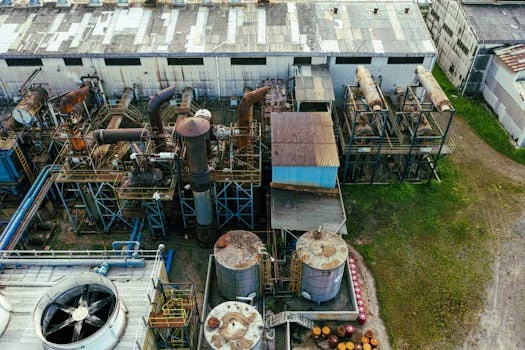
Understanding the capital expenditure (CAPEX) and operational expenditure (OPEX) associated with wastewater treatment is crucial for Ibadan-based procurement teams planning 2025 upgrades, as costs vary significantly by industry and system scale. For food processing plants with capacities of 10–50 m³/h, a typical system combining DAF with chemical dosing can incur a CAPEX of ₦25–₦60 million ($30K–$73K). The OPEX for such systems ranges from ₦5–₦12/m³ ($0.006–$0.015/m³), primarily driven by the cost of PAC, electricity for pumps and blowers, and labor for operation and maintenance. These cost benchmarks for high-strength organic wastewater are vital for accurate budget planning.
Textile dyeing plants, often handling larger volumes (50–200 m³/h) and more complex effluents, typically require advanced treatment like MBR systems combined with chemical dosing, leading to a CAPEX of ₦50–₦120 million ($60K–$145K). The OPEX for these systems is higher, ranging from ₦8–₦18/m³ ($0.01–$0.022/m³), largely due to the energy demands of membrane aeration and the periodic cost of membrane replacement, which can be substantial. Chemical plants, with capacities of 20–100 m³/h, often necessitate a more comprehensive treatment train including DAF, a filter press for sludge dewatering, and Chlorine Dioxide (ClO₂) generation for disinfection. This multi-stage approach results in a CAPEX of ₦40–₦90 million ($48K–$109K) and an OPEX of ₦10–₦25/m³ ($0.012–$0.03/m³), with hazardous waste disposal costs representing a significant component of the operational budget.
Beyond direct equipment and chemical costs, several hidden costs can impact the total project budget. Land acquisition in prime industrial areas like Alakia can add ₦2–₦5 million ($2.4K–$6K) per acre to CAPEX, especially for larger systems or prefabricated wastewater treatment systems for Ibadan’s space-constrained plants. Permitting and regulatory compliance fees can range from ₦500K–₦2 million ($600–$2.4K), while initial operator training and ongoing skill development may cost ₦1–₦3 million ($1.2K–$3.6K) per year. However, these investments offer significant returns on investment (ROI). Water reuse, for example, can generate savings of ₦300–₦800/m³ ($0.36–$0.97/m³) by reducing reliance on municipal water supply. Avoiding NESREA or LASEPA fines, which can exceed ₦2.5 million per violation, represents a direct financial benefit. efficient sludge dewatering with PAC can reduce sludge disposal costs by 30–40%, minimizing transport and landfill fees.
| Industry Type | Typical Flow Rate (m³/h) | Primary Equipment Train | Estimated CAPEX (NGN/USD) | Estimated OPEX (NGN/USD per m³) |
|---|---|---|---|---|
| Food Processing | 10–50 | DAF + Chemical Dosing | ₦25–₦60M ($30K–$73K) | ₦5–₦12 ($0.006–$0.015) |
| Textile Dyeing | 50–200 | MBR + Chemical Dosing | ₦50–₦120M ($60K–$145K) | ₦8–₦18 ($0.01–$0.022) |
| Chemical Plants | 20–100 | DAF + Filter Press + ClO₂ | ₦40–₦90M ($48K–$109K) | ₦10–₦25 ($0.012–$0.03) |
Supplier Comparison Matrix: How to Evaluate Ibadan’s Sewage Treatment Equipment Vendors
Evaluating sewage treatment equipment suppliers in Ibadan requires a structured approach that extends beyond initial price quotes, focusing on long-term performance, support, and compliance assurance. Key evaluation criteria include a vendor's proven local compliance expertise with NESREA and Lagos EPA regulations, which ensures the proposed solution meets specific regional standards without requiring costly retrofits. After-sales support is paramount, encompassing guaranteed response times for breakdowns, local availability of critical spare parts, and access to skilled technicians. Installation timelines, typically ranging from 4–12 weeks depending on system complexity, should be clearly defined and adhered to, minimizing plant downtime. A comprehensive warranty, ideally 1–5 years on major components, provides essential protection for your investment.
Procurement teams should be vigilant for red flags that signal potential risks. These include suppliers unable to provide verifiable Ibadan references from similar industrial plants, vague or non-specific performance guarantees (e.g., "high efficiency" instead of "95% TSS removal"), and the absence of pilot testing options for their proposed technology. Suppliers can generally be categorized into local distributors, who might offer lower initial costs but potentially limited technical support, versus international manufacturers, who may have higher CAPEX but provide global standards of technology and support. Pilot testing is a critical step in de-risking procurement, typically costing ₦2–₦5 million ($2.4K–$6K) and lasting 2–4 weeks. It allows plant engineers to validate a system's performance under actual site conditions, interpreting results against predefined TSS/COD removal benchmarks and chemical consumption rates.
A real-world case study highlights the value of thorough evaluation: an Ibadan beverage plant invested in a ₦45 million ($55K) DAF system after a comprehensive pilot test. Before the upgrade, their wastewater consistently showed TSS levels of 450 mg/L, frequently leading to non-compliance. Post-installation and commissioning, the DAF system consistently reduced TSS to below 30 mg/L, not only achieving full NESREA compliance but also significantly reducing their risk of fines and improving their environmental footprint. This demonstrates how a well-chosen sewage treatment equipment supplier in Ibadan can deliver tangible results.
| Evaluation Criteria | Ideal Supplier Characteristics | Red Flags to Watch For |
|---|---|---|
| Local Compliance Expertise | Demonstrable track record with NESREA/LASEPA in Ibadan; specific knowledge of local discharge points. | Generic claims; no specific local project references or regulatory liaison experience. |
| After-Sales Support | Guaranteed 24-48hr response time; local spare parts inventory; certified Ibadan-based technicians. | No clear service level agreement; reliance on overseas support; limited spare parts availability. |
| Installation & Commissioning | Detailed project plan with realistic timelines (4-12 weeks); experienced local installation team. | Vague timelines; subcontracting without oversight; no dedicated project manager. |
| Performance Guarantees | Specific, measurable effluent quality (e.g., <50 mg/L TSS); chemical consumption guarantees. | Broad, qualitative claims (e.g., "highly efficient"); no financial penalties for underperformance. |
| Warranty & Training | Comprehensive 1-5 year warranty on major components; included operator training program. | Limited warranty scope; extra charges for basic training; no long-term maintenance contracts. |
| Pilot Testing Options | Available on-site pilot units; clear methodology for performance validation. | No pilot testing offered; reliance solely on lab data or simulations. |
Step-by-Step Selection Checklist: Zero-Risk Equipment Procurement for Ibadan Plants
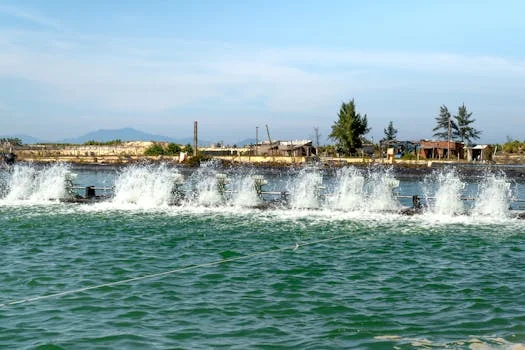
Implementing a structured, step-by-step procurement process is essential for Ibadan plants to select the optimal sewage treatment equipment, minimizing risks and ensuring long-term compliance and cost-effectiveness. This checklist guides procurement teams through the critical phases of decision-making.
- Step 1: Audit Current Discharge Quality & Regulatory Alignment. Begin by conducting a comprehensive audit of your plant’s current wastewater discharge. Test for key parameters such as COD, BOD, TSS, pH, FOG, and any specific heavy metals or toxic compounds relevant to your industry. Compare these results directly against the latest NESREA and Lagos EPA discharge limits to identify specific areas of non-compliance and quantify the treatment gap. This initial data forms the foundation for defining your treatment needs.
- Step 2: Define Treatment Goals & Budget. Clearly articulate your treatment goals. Are you aiming for mere compliance with discharge limits, or do you intend to achieve higher quality effluent for water reuse, generating significant savings (₦300–₦800/m³)? Simultaneously, establish a realistic budget, considering both CAPEX (equipment, installation, permitting, land) and OPEX (chemicals, electricity, labor, maintenance, sludge disposal). Evaluate the trade-offs between initial investment and ongoing operational costs, potentially exploring solutions for filter media selection for Ibadan’s hard water conditions.
- Step 3: Shortlist Equipment Types & Request Pilot Tests. Based on your audited discharge quality and treatment goals, shortlist 2–3 suitable equipment types from the options discussed (e.g., DAF, MBR, chemical dosing, filter presses). Engage with 2–3 reputable suppliers in Ibadan and request detailed proposals, including the option for pilot testing. Ensure these proposals clearly outline the technology, expected performance, and local support capabilities.
- Step 4: Evaluate Pilot Results & Negotiate Guarantees. If feasible, proceed with pilot testing from your shortlisted suppliers. Carefully evaluate the pilot results, focusing on achieved TSS/COD removal efficiencies, actual sludge volume generated, and chemical consumption rates under your plant's specific wastewater characteristics. Use this data to negotiate robust performance guarantees with your chosen supplier, specifying effluent quality, chemical usage, and energy consumption, with clear penalties for underperformance.
- Step 5: Finalize Contract & Post-Commissioning Plan. Once a supplier and technology are selected, finalize the contract. Ensure it includes clear payment milestones (e.g., 30% upfront, 40% on delivery, 30% post-commissioning), a comprehensive warranty for all major components, and a detailed operator training program. Additionally, establish a post-commissioning plan that covers ongoing maintenance, spare parts supply, and continuous performance monitoring to ensure sustained compliance and optimal operation.
Frequently Asked Questions
Ibadan's industrial plants frequently have specific questions regarding wastewater treatment equipment and compliance. Here are answers to common queries:
What are the primary NESREA discharge limits for industrial plants in Ibadan?
NESREA's 2023 National Environmental Regulations mandate COD < 250 mg/L, BOD < 30 mg/L, TSS < 50 mg/L, and a pH range of 6–9 for industrial effluent in Ibadan.
How much does a DAF system typically cost for a food processing plant in Ibadan?
A DAF system for a 10–50 m³/h food processing plant in Ibadan typically costs between ₦15–₦45 million ($18K–$55K) in CAPEX, with OPEX ranging from ₦5–₦12/m³.
Why is Lagos EPA enforcement relevant for Ibadan-based plants?
Lagos EPA enforces stricter limits, such as COD < 150 mg/L for food processors in areas like Alakia, and their enforcement actions, like the ₦2.5 million fine in 2023, signal a broader trend of regulatory stringency that can impact Ibadan plants.
What is the main advantage of MBR systems over conventional activated sludge?
MBR systems deliver near-reuse-quality effluent (<1 mg/L TSS, 99% pathogen removal) with a significantly smaller footprint compared to conventional activated sludge, making them ideal for high-quality discharge or water reuse.
What are the hidden costs associated with wastewater treatment upgrades in Ibadan?
Hidden costs can include land acquisition (₦2–₦5 million/acre), permitting fees (₦500K–₦2 million), and operator training (₦1–₦3 million/year), which should be factored into the overall budget.
Further Reading
Explore these in-depth articles on related wastewater treatment topics: