Sewage Treatment Equipment Suppliers in Bangalore: 2025 Engineering Guide with Costs, Compliance & Supplier Decision Framework
Bangalore’s sewage treatment equipment market offers systems ranging from ₹5 lakhs for compact 10 KLD underground plants to ₹5+ crores for 1000 KLD MBR systems. Key suppliers like GTS Enviro and Daksha Greenenviro provide capacities from 2–1000 KLD, with removal efficiencies of 90–98% for BOD/TSS (per KSPCB 2024 benchmarks). Local compliance requires adherence to Karnataka State Pollution Control Board (KSPCB) standards and Bangalore Water Supply and Sewerage Board (BWSSB) guidelines, including mandatory reuse of treated water for non-potable applications. This guide compares technical specs, costs, and supplier capabilities to help you select the right system for your project.
Bangalore’s Sewage Treatment Equipment Market: 2025 Landscape
KSPCB’s 2024 effluent standards mandate strict quality for treated sewage, significantly influencing the design and selection of sewage treatment equipment in Bangalore. For discharge into public sewers, residential wastewater must meet BOD < 30 mg/L and TSS < 50 mg/L, while industrial and hospital wastewater often faces stricter limits, sometimes requiring advanced pretreatment or tertiary systems. Surface water discharge standards are even more stringent, demanding BOD < 10 mg/L and TSS < 20 mg/L. Beyond discharge, the BWSSB Circular 2023/12 makes 100% reuse of treated sewage mandatory for large residential complexes (over 20 units) and commercial buildings, driving demand for high-efficiency systems capable of producing near-potable quality effluent for non-potable applications like gardening, flushing, and cooling towers.
The market for sewage treatment equipment supplier in Bangalore is experiencing robust growth, primarily fueled by Bangalore’s rapid urbanization, with the city's population reaching an estimated 13.6 million in 2024. This growth, coupled with increasing water scarcity and stricter enforcement of pollution control norms, compels facilities to invest in efficient wastewater management. Common buyer pain points include significant space constraints within urban developments, leading to increased interest in compact underground sewage treatment plant Bangalore solutions. High operational costs associated with energy consumption and chemical usage are another major concern, pushing demand for energy-efficient designs. Additionally, a prevalent lack of clarity on supplier capabilities, particularly regarding compliance track records and after-sales support, poses challenges for facility managers and procurement officers evaluating industrial ETP suppliers in Bangalore or residential STP plant manufacturers.
Types of Sewage Treatment Systems Available in Bangalore: Engineering Specs and Use Cases
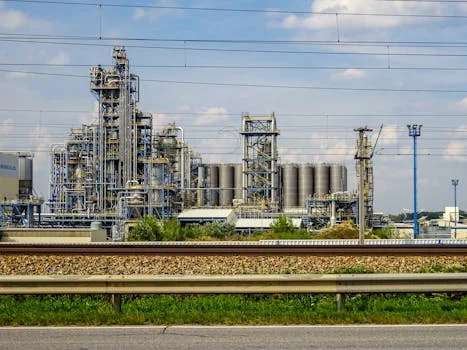
Selecting the optimal sewage treatment system in Bangalore hinges on matching specific project requirements—such as available footprint, desired effluent quality, and automation level—to the appropriate technology. Each primary system type offers distinct engineering specifications and is best suited for particular use cases, from large industrial facilities to space-constrained hotels.
- Conventional Activated Sludge Process (ASP): These systems are widely adopted due to their proven reliability and cost-effectiveness for larger volumes. They typically handle flow rates from 10–1000 KLD, achieving BOD removal efficiencies of 85–95%. ASPs require a relatively larger footprint, generally 0.5–2 m²/KLD, making them suitable for extensive residential complexes, townships, and industrial parks where space is not a critical constraint. Key process parameters include maintaining Mixed Liquor Suspended Solids (MLSS) between 2,500–4,000 mg/L and an F/M (Food-to-Microorganism) ratio of 0.2–0.5.
- Membrane Bioreactor (MBR): MBR systems integrate biological treatment with membrane filtration, producing superior effluent quality suitable for direct reuse. They manage flow rates from 10–2000 KLD, boasting high BOD removal efficiencies of 95–98%. Their compact design, requiring only 0.2–0.5 m²/KLD, makes them ideal for applications with limited space, such as hospitals, hotels, and high-rise commercial buildings. HydropureWater’s DF series MBR membranes, for instance, feature a 0.1 μm pore size, delivering high-quality treated water with outputs ranging from 32–135 m³/day per module, enabling high-efficiency MBR system for near-reuse-quality effluent.
- Underground Package Plants (WSZ Series): Designed for minimal visual impact and footprint, these systems are a popular choice for urban environments. HydropureWater’s WSZ series compact underground sewage treatment plant for space-constrained sites offers flow rates from 1–80 m³/h, achieving BOD removal of 90–95%. These fully automated units typically combine anoxic, aerobic, sedimentation, and disinfection stages within a single buried tank, making them perfect for individual buildings, small residential complexes, and resorts where aesthetics and space are paramount.
- Sequencing Batch Reactor (SBR): SBRs operate in a batch mode, performing equalization, aeration, and clarification in a single tank. They are effective for flow rates of 50–500 KLD, with BOD removal efficiencies of 85–95%. Their operational flexibility makes them suitable for intermittent flows, such as those found in schools, small industries, or facilities with variable occupancy.
- Decentralized Systems: These modular, smaller-scale systems cater to flow rates typically less than 10 KLD. They are highly adaptable for rural areas, remote communities, or standalone buildings that lack access to centralized municipal sewer networks. While offering flexibility and reduced infrastructure costs, their operational efficiency and maintenance requirements must be carefully weighed against the benefits of larger, centralized systems.
| System Type | Capacity Range (KLD) | BOD Removal Efficiency | Footprint (m²/KLD) | Typical Use Cases |
|---|---|---|---|---|
| Conventional Activated Sludge (ASP) | 10–1000 | 85–95% | 0.5–2.0 | Large residential complexes, industrial parks |
| Membrane Bioreactor (MBR) | 10–2000 | 95–98% | 0.2–0.5 | Hospitals, hotels, space-constrained sites |
| Underground Package Plant (WSZ Series) | 1–80 (m³/h) | 90–95% | 0.1–0.3 (compact) | Individual buildings, small complexes, resorts |
| Sequencing Batch Reactor (SBR) | 50–500 | 85–95% | 0.4–1.0 | Schools, small industries, intermittent flows |
| Decentralized Systems | <10 | 80–90% | Variable (modular) | Rural areas, standalone buildings |
Top Sewage Treatment Equipment Suppliers in Bangalore: Head-to-Head Comparison
Evaluating STP plant manufacturers in Bangalore requires a systematic approach, considering technical specifications, compliance history, and post-installation support to ensure long-term operational success. While many suppliers operate in the region, a direct comparison matrix reveals key differentiators that can significantly impact project outcomes. For instance, reputable firms often highlight their 25+ years of expertise, while others may emphasize their GST registration (e.g., Daksha Greenenviro's 29AAIFD3572A1ZM) as a mark of legitimacy and established presence. some suppliers specialize in niche areas, such as Bioman Sewage Solutions' focus on hospital wastewater treatment standards and equipment selection, addressing specific effluent characteristics and regulatory needs.
When shortlisting vendors for RFPs, prioritize suppliers who demonstrate a clear understanding of KSPCB and BWSSB regulations and can provide explicit performance guarantees. A critical red flag is the absence of KSPCB certification for their proposed systems, as this indicates a potential risk for non-compliance and future penalties. Similarly, a lack of a robust local service network can lead to costly downtime and prolonged maintenance issues. Vague performance guarantees or unwillingness to provide detailed case studies with verifiable effluent quality data should also raise concerns. For instance, HydropureWater, through its local partners, focuses on providing advanced solutions like MBR and underground package plants that meet stringent KSPCB standards, backed by comprehensive after-sales support and clear performance metrics.
| Supplier Name | System Types Offered | Capacity Range (KLD) | Removal Efficiency (BOD/TSS) | Footprint (m²/KLD) | Automation Level | Compliance Certifications | Lead Time (weeks) | After-Sales Support |
|---|---|---|---|---|---|---|---|---|
| GTS Enviro | ASP, SBR, MBR | 2–1000 | 90–98% | 0.3–1.5 | Semi-to-Full | KSPCB, ISO 9001 | 8–12 | 1-year warranty, AMC plans |
| Daksha Greenenviro | ASP, Package Plants | 5–500 | 85–95% | 0.5–2.0 | Semi-Automated | KSPCB | 6–10 | Standard warranty, repair services |
| Bioman Sewage Solutions | ASP, MBR, Hospital-specific | 10–2000 | 90–98% | 0.2–1.0 | Full Automation | KSPCB, NABH (for hospitals) | 10–14 | Extended warranty, AMC, remote monitoring |
| AMR Infinite Technologies | ASP, SBR, Compact | 10–1000 | 88–96% | 0.4–1.8 | Semi-to-Full | KSPCB | 7–11 | 1-year warranty, on-call support |
| HydropureWater (via local partners) | MBR, Underground (WSZ), ASP | 5–2000 | 95–99% | 0.1–1.0 | Full Automation (PLC) | ISO, CE, KSPCB (partner-certified) | 8–16 | Global warranty, local AMC, remote diagnostics |
Cost Benchmarks for Sewage Treatment Equipment in Bangalore (2025)
The capital cost for wastewater treatment equipment cost in Karnataka varies significantly based on system type, capacity, and desired effluent quality. For instance, a compact 10 KLD underground package plant (like HydropureWater’s WSZ Series) typically ranges from ₹8–15 lakhs, whereas a 50 KLD unit might be ₹30–50 lakhs. High-efficiency MBR systems, known for their superior effluent quality and smaller footprint, command higher capital costs, with a 10 KLD system priced at ₹12–20 lakhs and a 50 KLD MBR system ranging from ₹50–80 lakhs, reflecting the advanced membrane technology (HydropureWater MBR product page for reference). Conventional Activated Sludge Process (ASP) systems generally represent a more budget-friendly option, costing ₹5–10 lakhs for 10 KLD and ₹25–40 lakhs for 50 KLD. Sequencing Batch Reactor (SBR) systems fall in a similar range, with 10 KLD units at ₹7–12 lakhs and 50 KLD systems at ₹35–60 lakhs.
Beyond the initial capital outlay, operational costs are a critical long-term consideration for any sewage treatment equipment supplier in Bangalore. Power consumption is a major component, typically ₹1–3 per KLD per year, with MBR systems often having higher energy demands due to membrane aeration and filtration. Chemical costs, including coagulants, flocculants, and disinfectants, can add ₹0.5–1.5 per KLD per year. Labor for monitoring and maintenance usually accounts for ₹0.5–2 per KLD per year. For MBR systems, membrane replacement is an additional recurring cost, estimated at ₹0.2–0.5 per KLD per year, depending on membrane life and cleaning frequency. Hidden costs, often overlooked, include civil works (e.g., ₹2–5 lakhs for a 50 KLD system), KSPCB approval fees (₹50,000–1 lakh), and BWSSB connection charges (₹1–2 lakhs). An ROI calculation for a 50 KLD MBR system, for example, could demonstrate annual savings of ₹15 lakhs in water bills (assuming 70% reuse at ₹0.05/L), leading to a typical payback period of 3–5 years.
| System Type | Capacity (KLD) | Capital Cost (₹ Lakhs) | Operational Cost (₹/KLD/year) | Hidden Costs (₹ Lakhs) |
|---|---|---|---|---|
| Underground Package Plant (WSZ Series) | 10 | 8–15 | 2–4 | 2–3 |
| Underground Package Plant (WSZ Series) | 50 | 30–50 | 2–4 | 5–8 |
| MBR System | 10 | 12–20 | 3–5 | 2–3 |
| MBR System | 50 | 50–80 | 3–5 | 5–8 |
| Conventional ASP | 10 | 5–10 | 1–3 | 2–3 |
| Conventional ASP | 50 | 25–40 | 1–3 | 5–8 |
| SBR | 10 | 7–12 | 1.5–3.5 | 2–3 |
| SBR | 50 | 35–60 | 1.5–3.5 | 5–8 |
Compliance Checklist for Sewage Treatment Plants in Bangalore
Adherence to regulatory frameworks is paramount for any sewage treatment plant in Bangalore, as non-compliance can lead to significant penalties and operational disruptions. The Karnataka State Pollution Control Board (KSPCB) mandates a Consent to Establish (CTE) and a Consent to Operate (CTO) for all STPs with a capacity exceeding 10 KLD. The application process, involving submission of detailed project reports and environmental impact assessments, typically takes 6–8 weeks for initial approval.
The Bangalore Water Supply and Sewerage Board (BWSSB) further reinforces environmental stewardship through its BWSSB Circular 2023/12, which makes the reuse of 100% of treated water mandatory for non-potable applications in large residential complexes and commercial buildings. This includes uses such as gardening, toilet flushing, and cooling towers, requiring STPs to produce effluent of a quality suitable for these purposes.
Effluent quality standards are rigorously enforced by KSPCB 2024. For discharge into municipal sewers, the treated water must meet BOD < 30 mg/L and TSS < 50 mg/L. However, if the treated effluent is discharged into surface water bodies, much stricter standards apply: BOD < 10 mg/L and TSS < 20 mg/L. For reuse applications, similar stringent standards for BOD and TSS are often enforced to ensure public health and safety. STPs exceeding 50 KLD capacity are required to implement online real-time monitoring systems for parameters like flow, pH, BOD, and TSS, with data submitted regularly through KSPCB’s e-waste portal. Failure to comply with these regulations can result in severe penalties, including fines ranging from ₹1–5 lakhs per violation and, in extreme cases, forced plant shutdown, as evidenced by KSPCB’s 2023 enforcement actions.
How to Select the Right Sewage Treatment Equipment for Your Project: A Step-by-Step Framework
A structured decision framework is essential for selecting the most appropriate sewage treatment equipment, mitigating risks of non-compliance, and optimizing long-term operational efficiency. This systematic approach ensures that all critical factors, from effluent quality to site constraints, are thoroughly evaluated.
- Step 1: Define your effluent quality requirements. Begin by clearly identifying the target BOD, TSS, and pathogen levels required for your treated wastewater. These requirements are dictated by your discharge destination—whether it's into a municipal sewer, a surface water body, or for specific reuse applications (e.g., gardening, flushing). Refer to KSPCB standards for precise benchmarks; for instance, reuse typically demands BOD < 10 mg/L and TSS < 20 mg/L.
- Step 2: Calculate your flow rate (KLD). Accurately determine the daily wastewater volume your facility generates. For residential complexes, a common estimate is 135 L/person/day. Commercial facilities might use 50–100 L/employee/day, while hospitals can generate 500–800 L/bed/day. Overestimating or underestimating flow can lead to oversized or undersized systems, impacting both capital and operational costs.
- Step 3: Assess site constraints. Evaluate the available physical space for the STP, considering the footprint, soil conditions, and any noise restrictions. For sites with limited space or aesthetic concerns, compact underground sewage treatment plant for space-constrained sites, like HydropureWater’s WSZ series, offer a viable solution by burying the entire treatment unit.
- Step 4: Evaluate automation needs. Determine the desired level of automation. Fully automated systems, often featuring PLC-controlled operations for remote monitoring and minimal manual intervention (e.g., HydropureWater’s PLC-controlled systems and PLC-controlled chemical dosing for precise wastewater treatment), can reduce labor costs but may have higher initial capital expenditure. Manual or semi-automated systems require more operator involvement.
- Step 5: Compare suppliers using the matrix. Utilize the head-to-head comparison matrix provided earlier in this guide to shortlist potential vendors. Prioritize suppliers with a strong local service network, a proven track record of KSPCB-certified installations, and clear performance guarantees. Scrutinize their after-sales support and warranty terms.
- Step 6: Request pilot testing for larger systems. For projects exceeding 100 KLD, consider requesting a pilot test. This allows for real-world evaluation of the system's performance with your actual influent wastewater over a 30-day trial period, including influent and effluent quality testing, before committing to a full-scale installation.
- Step 7: Plan for compliance. Integrate the KSPCB Consent to Establish (CTE) and Consent to Operate (CTO) application processes, along with BWSSB approvals for treated water reuse, into your project timeline. Factor in an estimated 8–12 weeks for securing all necessary regulatory clearances to avoid project delays.
Frequently Asked Questions
Q: How much does it cost to set up a sewage treatment plant in Bangalore?
A: Costs for a sewage treatment equipment supplier in Bangalore vary widely. They range from ₹5 lakhs for a compact 10 KLD underground plant to over ₹5 crores for a 1000 KLD MBR system. Operational costs typically add ₹2–5/KLD/year. For a common 50 KLD system, expect an upfront cost of ₹30–80 lakhs, plus ₹1–2 lakhs/year for power, chemicals, and maintenance (data from 2025 cost benchmarks in this guide).
Q: How to sell STP water in Bangalore?
A: BWSSB allows treated STP water to be sold for non-potable uses like gardening, construction, and cooling towers, provided you obtain a reuse license. Pricing is typically 30–50% of freshwater rates (₹0.03–0.05/L). It is crucial that your STP consistently meets KSPCB’s stringent reuse standards (BOD < 10 mg/L, TSS < 20 mg/L) to ensure marketability and compliance.
Q: What are the 4 types of sewage management?
A: The four primary types of sewage management technologies discussed in this guide are: 1) Conventional Activated Sludge Process (ASP), 2) Membrane Bioreactor (MBR), 3) Sequencing Batch Reactor (SBR), and 4) Decentralized/Underground Systems. Each offers distinct advantages and disadvantages concerning footprint, cost, and effluent quality (refer to the 'Types of Systems' section for detailed specifications).
Q: What are the disadvantages of STP?
A: Disadvantages of STPs include: 1) High capital cost (e.g., ₹10–20 lakhs for a 10 KLD system), 2) Operational complexity, often requiring trained staff for MBR/ASP systems, 3) Energy-intensive operation (0.5–1.5 kWh/KLD for MBRs), 4) Challenges with sludge disposal, as KSPCB requires licensed handlers, and 5) Potential odor issues if not properly maintained. Compact underground systems (HydropureWater’s WSZ series) can mitigate some of these by offering automated, less visible designs.
Q: Can I use a small sewage treatment plant for my apartment in Bangalore?
A: Yes, small sewage treatment plants are mandatory for apartment complexes in Bangalore, with KSPCB requiring STPs for buildings having more than 20 units or over 100 occupants. For a typical 50-unit apartment, a 10–15 KLD underground system, costing approximately ₹8–12 lakhs, is a common choice. Ensure the selected system complies with BWSSB’s mandatory reuse guidelines and KSPCB’s effluent discharge standards.