
Wastewater Treatment Plant Cost in Córdoba 2025: CAPEX, OPEX & Tech-Specific Breakdown for Industrial Buyers
In Córdoba, wastewater treatment plant costs vary widely based on capacity, technology, and compliance needs. For example, a 10,000 GPD (38 m³/day) plant using conventional activated sludge costs ARS 120M–150M (USD $130K–$165K) in 2025, while an MBR system for the same capacity ranges from ARS 180M–220M (USD $200K–$245K). Local factors like import duties (18% on equipment), labor (ARS 1,500/hour for skilled operators), and Suquía River discharge limits (COD ≤ 250 mg/L) can increase CAPEX by 20–30%. This guide provides Córdoba-specific cost benchmarks, tech trade-offs, and compliance-driven selection criteria for industrial buyers and municipal planners.Why Córdoba’s Wastewater Treatment Costs Differ from Global Averages
Wastewater treatment plant costs in Córdoba are significantly influenced by unique local economic and regulatory factors that often distort generic global estimates. An 18% import duty on foreign equipment, such as advanced MBR membranes or specialized DAF skids, increases CAPEX by 15–25% compared to sourcing from domestic suppliers like HydropureWater. Labor costs in Córdoba for 2025, as reported by the Argentine Ministry of Labor, range from ARS 1,200–1,800/hour for operators and ARS 2,500–3,500/hour for engineers, which are competitive but require careful budgeting for long-term operations. stringent Suquía River discharge limits (COD ≤ 250 mg/L, BOD ≤ 50 mg/L, TN ≤ 15 mg/L) necessitate tertiary treatment for most industrial facilities, adding a substantial 30–50% to CAPEX compared to systems only requiring primary or secondary treatment. Local material costs also contribute to higher project expenses; concrete averages ARS 12,000/m³, steel ARS 800/kg, and PVC piping ARS 1,500/m, which are 20–40% higher than in Buenos Aires due to logistical challenges and regional supply chain dynamics.| Cost Driver | Impact on CAPEX/OPEX | Córdoba-Specific Data (2025) |
|---|---|---|
| Import Duties | Increases equipment CAPEX | 18% on foreign equipment |
| Skilled Labor | Influences installation and OPEX | Operators: ARS 1,200–1,800/hour Engineers: ARS 2,500–3,500/hour |
| Suquía River Limits | Requires advanced treatment (CAPEX & OPEX) | COD ≤ 250 mg/L, BOD ≤ 50 mg/L, TN ≤ 15 mg/L |
| Local Material Costs | Increases civil works CAPEX | Concrete: ARS 12,000/m³ Steel: ARS 800/kg PVC Piping: ARS 1,500/m |
CAPEX Breakdown: How Capacity and Technology Drive Costs in Córdoba
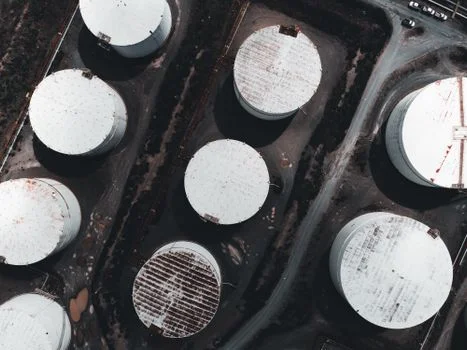
| Capacity Range (m³/day) | Typical Industrial Application | Technology Option | Estimated CAPEX (ARS, 2025) | Estimated CAPEX (USD, 2025) |
|---|---|---|---|---|
| 10–50 | Small factories, hotels, hospitals | WSZ Underground Package Plant | ARS 60M–120M | USD $65K–$130K |
| 10–50 | Small industrial, high effluent quality | MBR System | ARS 120M–200M | USD $130K–$217K |
| 50–200 | Medium food processing, textiles | Conventional Activated Sludge | ARS 200M–350M | USD $217K–$379K |
| 50–200 | Medium industrial, FOG/TSS removal | DAF + Biological | ARS 300M–500M | USD $325K–$542K |
| 200–1,000 | Large industrial, municipal | MBR System (High-efficiency) | ARS 800M–1.5B | USD $867K–$1.63M |
| 200–1,000 | Large industrial, municipal | Conventional + Tertiary | ARS 500M–1B | USD $542K–$1.08M |
OPEX Benchmarks: Energy, Chemicals, and Maintenance Costs in Córdoba
Operational expenditure (OPEX) is a critical component of total lifecycle cost for wastewater treatment plants in Córdoba, driven by local energy tariffs, chemical supply chains, and labor rates. Energy costs typically range from 0.8–1.2 kWh/m³ for conventional systems, increasing to 1.5–2.0 kWh/m³ for MBR systems due to higher aeration and filtration demands, with Córdoba’s industrial electricity rate at ARS 80–120/kWh (USD $0.087–$0.130/kWh). Chemical costs, essential for processes like coagulation, flocculation, and membrane cleaning, can be ARS 50–150/m³ (USD $0.054–$0.163/m³) for general coagulants and flocculants, and significantly higher at ARS 200–400/m³ (USD $0.217–$0.434/m³) for specialized membrane cleaning agents in MBR systems, often managed by HydropureWater’s automatic chemical dosing systems. Labor expenses typically involve one operator per 50–100 m³/day capacity, incurring an annual cost of ARS 1.2M–1.8M (USD $1.3K–$1.95K) per operator. Membrane replacement for MBR systems, a major periodic expense, amounts to ARS 5M–7M/year (USD $5.4K–$7.6K) for PVDF membranes with a typical 5–7 year lifespan. Finally, sludge disposal, often dewatered using a plate and frame filter press, carries landfill fees in Córdoba ranging from ARS 2,000–4,000/ton (USD $2.17–$4.34/ton) in 2025.| OPEX Component | Conventional System (ARS/m³) | MBR System (ARS/m³) | Córdoba-Specific Data (2025) |
|---|---|---|---|
| Energy | ARS 64–144 (0.8–1.2 kWh/m³) (USD $0.069–$0.156) |
ARS 120–240 (1.5–2.0 kWh/m³) (USD $0.130–$0.260) |
Industrial electricity: ARS 80–120/kWh |
| Chemicals | ARS 50–150 (coagulants/flocculants) (USD $0.054–$0.163) |
ARS 250–550 (coagulants + membrane cleaning) (USD $0.271–$0.596) |
Coagulants: ARS 50–150/m³ Membrane cleaning: ARS 200–400/m³ |
| Labor | ARS 30–60 (per m³ for 100 m³/day plant) (USD $0.033–$0.065) |
ARS 30–60 (per m³ for 100 m³/day plant) (USD $0.033–$0.065) |
1 operator per 50–100 m³/day (ARS 1.2M–1.8M/year) |
| Membrane Replacement | N/A | ARS 150–200 (for 100 m³/day plant) (USD $0.163–$0.217) |
ARS 5M–7M/year for MBR (5–7 year lifespan) |
| Sludge Disposal | ARS 10–20 (per m³ influent for 0.5% solids) (USD $0.011–$0.022) |
ARS 10–20 (per m³ influent for 0.5% solids) (USD $0.011–$0.022) |
ARS 2,000–4,000/ton landfill fees |
Technology Comparison: MBR vs. DAF vs. Conventional for Córdoba’s Industries
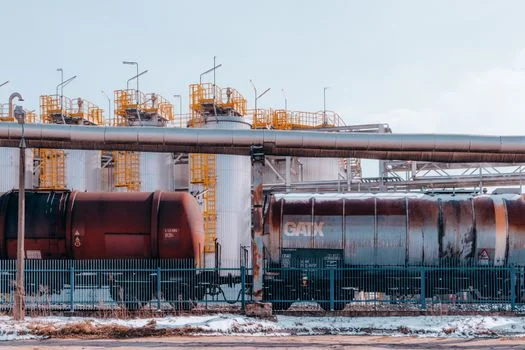
| Technology | Key Performance | Typical CAPEX (100 m³/day) | Typical OPEX (ARS/m³) | Compliance Fit (Suquía River) |
|---|---|---|---|---|
| MBR Integrated Wastewater Treatment System | COD ≤ 30 mg/L, TSS ≤ 5 mg/L, 60% smaller footprint | ARS 200M–350M (USD $217K–$379K) | ARS 250–550 (USD $0.271–$0.596) | Meets TN ≤ 15 mg/L without tertiary; ideal for water reuse |
| Dissolved Air Flotation (DAF) System (Pretreatment) | 95% FOG removal, 90% TSS removal | ARS 20M–40M (for 50–100 m³/h, USD $21.7K–$43.4K) | ARS 30–50 (USD $0.033–$0.054) | Excellent for FOG discharge limits (e.g., food processing) |
| Conventional Activated Sludge | COD removal 85–92%, BOD removal 90–95% | ARS 300M–800M (for 100–500 m³/day, USD $325K–$867K) | ARS 20–40 (USD $0.022–$0.043) | Requires tertiary polishing for nutrient removal to meet limits |
Compliance-Driven Cost Adjustments: Meeting Córdoba’s Discharge Limits
Meeting discharge limits under Argentine Law 25.687 and specific Suquía River regulations significantly impacts the CAPEX and OPEX of wastewater treatment plants in Córdoba, often requiring substantial investments in tertiary treatment. The Suquía River limits, which include stringent parameters such as COD ≤ 250 mg/L, BOD ≤ 50 mg/L, TN ≤ 15 mg/L, and TP ≤ 2 mg/L, typically necessitate advanced treatment beyond conventional primary and secondary processes for most industrial discharges. Nutrient removal, specifically for total nitrogen (TN) and total phosphorus (TP), can add ARS 100M–300M (USD $108K–$325K) to CAPEX, through technologies like biological nutrient removal (BNR) or chemical precipitation. This upgrade also increases OPEX by ARS 10–20/m³ (USD $0.011–$0.022/m³) due to additional chemical consumption and energy requirements. Disinfection is another crucial compliance step; chlorine dioxide (ClO₂) systems, such as HydropureWater’s chlorine dioxide generators, cost ARS 5M–15M (USD $5.4K–$16.3K) with an OPEX of ARS 2–5/m³ (USD $0.002–$0.005/m³), while UV systems are more expensive initially at ARS 20M–50M (USD $21.7K–$54.2K) but eliminate chemical OPEX. Continuous monitoring of effluent quality is legally mandated; online analyzers for parameters like COD, TSS, and pH can cost ARS 3M–8M (USD $3.2K–$8.7K) per parameter, with annual calibration and maintenance adding ARS 1M–2M (USD $1.08K–$2.17K). For example, a Córdoba textile plant invested ARS 80M (USD $86.7K) in tertiary filtration and ARS 12M (USD $13K) in ClO₂ disinfection to meet TN limits, increasing its total CAPEX by 40% but successfully avoiding potential ARS 5M/year (USD $5.4K/year) in non-compliance fines.| Compliance Requirement | Required Treatment Upgrade | Estimated CAPEX Adjustment (ARS) | Estimated OPEX Adjustment (ARS/m³) |
|---|---|---|---|
| Suquía River Limits (TN ≤ 15 mg/L, TP ≤ 2 mg/L) | Biological Nutrient Removal (BNR) or Chemical Precipitation | ARS 100M–300M (USD $108K–$325K) | ARS 10–20 (USD $0.011–$0.022) |
| Bacteriological Disinfection | Chlorine Dioxide Generator | ARS 5M–15M (USD $5.4K–$16.3K) | ARS 2–5 (USD $0.002–$0.005) |
| Bacteriological Disinfection | UV Disinfection System | ARS 20M–50M (USD $21.7K–$54.2K) | Negligible (no chemical OPEX) |
| Continuous Effluent Monitoring | Online Analyzers (COD, TSS, pH) | ARS 3M–8M per parameter (USD $3.2K–$8.7K) | ARS 1M–2M/year (maintenance/calibration, USD $1.08K–$2.17K) |
Supplier Landscape: Local vs. International Vendors for Córdoba’s Market
Frequently Asked Questions
What is the cost of a 50 m³/day wastewater treatment plant in Córdoba?
A 50 m³/day wastewater treatment plant in Córdoba typically costs ARS 150M–250M (USD $163K–$271K) for a conventional activated sludge system, or ARS 200M–350M (USD $217K–$379K) for an MBR system. These estimates include civil works, equipment, installation, and necessary compliance upgrades, based on 2025 Córdoba industrial benchmarks.How much does it cost to upgrade an existing plant to meet Suquía River limits?
Upgrading an existing plant to meet Suquía River limits in Córdoba generally costs ARS 80M–200M (USD $86.7K–$217K). This investment covers tertiary treatment enhancements, such as sand filtration and chlorine dioxide generators for Córdoba’s disinfection compliance, with the final cost depending on the plant’s flow rate and the influent wastewater quality, as evidenced by Argentine Law 25.687 compliance case studies.What are the OPEX costs for a 100 m³/day MBR system in Córdoba?
The annual OPEX for a 100 m³/day MBR system in Córdoba is estimated at ARS 12M–18M (USD $13K–$19.5K). This includes energy consumption (ARS 5M–8M / USD $5.4K–$8.7K), chemical costs for cleaning (ARS 3M–5M / USD $3.2K–$5.4K), and an allocation for membrane replacement (ARS 4M–5M / USD $4.3K–$5.4K), based on 2025 MBR operational data from Córdoba food processing plants.Can I use a package plant for industrial wastewater in Córdoba?
Yes, package plants can be used for industrial wastewater in Córdoba, but they are primarily suitable for low-strength wastewater (COD ≤ 500 mg/L). HydropureWater’s WSZ series underground package plants for Córdoba’s small industrial sites, ranging from ARS 60M–120M (USD $65K–$130K), are typically employed for hotels, hospitals, and small factories with less complex effluent.What are the lead times for wastewater treatment equipment in Córdoba?
Lead times for wastewater treatment equipment in Córdoba vary by supplier type. Local suppliers typically offer lead times of 4–8 weeks for manufacturing and delivery. In contrast, international suppliers require longer lead times, generally 12–16 weeks, which accounts for manufacturing, shipping, and the necessary customs clearance processes, including import duties.Related Equipment
- WSZ series underground package plants for Córdoba’s small industrial sites — view specifications, capacity range, and technical data
- DAF systems for Córdoba’s food processing and textile industries — view specifications, capacity range, and technical data
- MBR systems for Córdoba’s water reuse and high-efficiency treatment needs — view specifications, capacity range, and technical data
- Chlorine dioxide generators for Córdoba’s disinfection compliance — view specifications, capacity range, and technical data
Need a customized solution? Request a free quote with your specific flow rate and pollutant parameters.


