
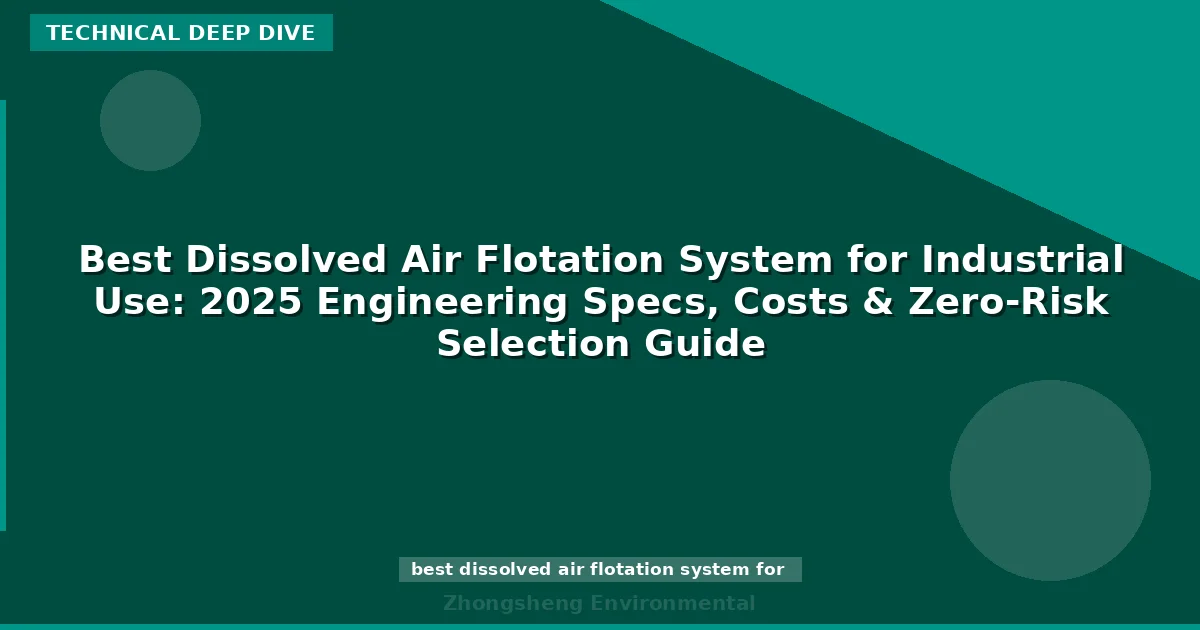
A dissolved air flotation (DAF) system for industrial use typically achieves 92–97% TSS removal and 85–95% FOG reduction at hydraulic loading rates of 5–15 m/h under well-conditioned chemistry. Modern units such as the HUBER HDF or HydropureWater DAF line eliminate the pressure tank by using multistage rotary pumps for recycle saturation, cutting maintenance by 30–40% while treating flows from 4 to 300 m³/hour. Selection hinges on contaminant load (low/medium/high), material compatibility (304/316 stainless vs. polypropylene), and compliance targets such as COD below 250 mg/L for discharge.
How Dissolved Air Flotation Works: Engineering Physics Behind Micro-Bubble Separation
Dissolved air flotation (DAF) systems separate suspended solids, oils, and greases from industrial wastewater by leveraging precise micro-bubble physics. The core mechanism saturates a portion of the treated effluent with air at 4–6 bar, as governed by Henry's Law, which states that the solubility of a gas in a liquid is directly proportional to the partial pressure of that gas above the liquid. When this supersaturated water enters the flotation tank at atmospheric pressure, billions of micro-bubbles, typically 30–50 microns in diameter, nucleate and attach to suspended particles. These bubble-particle aggregates rise to the surface due to buoyancy, following Stokes' Law, at far higher velocities than natural sedimentation.
The recycle saturation loop is the critical difference between modern and legacy designs. Most plants we size for food, dairy, or refinery service now specify multistage rotary pumps rather than pressure tanks. The pumps directly saturate the recycle stream, removing bulky pressure vessels and cutting specific energy use to 0.1–0.3 kWh/m³ (per HUBER specifications). Once released into the flotation zone, hydraulic loading rates run 5–15 m/h with a bubble size distribution of 30–50 microns. Retention time within the flotation zone is typically 10–30 minutes, which is enough to lift 90%+ of the conditioned contaminants.
DAF pulls ahead of conventional sedimentation where particles are near water density or finely dispersed. Gravity settling moves particles at 0.1–0.5 m/h; DAF drives them upward at 5–10 m/h. The result is TSS removal of 92–97% for DAF versus 70–85% for sedimentation in a much smaller footprint.
DAF System Specifications: Engineering Parameters to Match Your Contaminant Load
Selecting the right DAF means matching engineering parameters to your wastewater and your discharge permit. Industrial DAF systems consistently deliver TSS reduction of 92–97%, FOG reduction of 85–95%, COD reduction of 60–80%, and BOD reduction of 50–75% when chemistry and hydraulic loading are set correctly. Those numbers drive permit compliance more than any brochure claim.
Hydraulic loading rate is the first design lever. Low-load applications, including most food processing plants, run at 5–8 m/h. Medium-load streams such as pulp & paper typically need 8–12 m/h. High-load petrochemical effluents push 12–15 m/h. Material compatibility is the second lever. Stainless steel (304 or 316) suits corrosive chemical plant streams; polypropylene tanks are specified for low-pH or high-chloride effluents where stainless would corrode (supported by SIGMADAF material data).
Chemical dosing ties the physics together. Coagulants such as polyaluminum chloride (PAC) are dosed at 50–200 mg/L to destabilize colloids, then polyacrylamide (PAM) flocculant at 1–5 mg/L to build floatable flocs. pH is held between 6.5 and 8.0 for both bubble formation and coagulant performance. Inside the unit, influent enters a flocculation tank for chemical conditioning, flows into the DAF cell where air-saturated recycle is introduced, and the resulting bubble-floc mat is skimmed off while clarified effluent exits the bottom. An air-to-solids ratio of 0.02–0.06 is maintained for clean separation.
For more details on industrial DAF solutions, explore the HydropureWater DAF systems for industrial wastewater treatment.
| Parameter | Typical Range/Value | Impact on Performance | Industry Application Example |
|---|---|---|---|
| TSS Removal Efficiency | 92–97% | Directly affects compliance with discharge limits. | Food Processing (FOG/solids) |
| FOG Removal Efficiency | 85–95% | Prevents sewer blockages, reduces surcharges. | Meat Processing, Dairy |
| COD Removal Efficiency | 60–80% | Reduces organic load on downstream biological treatment. | Petrochemical, Pulp & Paper |
| Hydraulic Loading Rate | 5–15 m/h | Determines DAF unit size for a given flow rate. | Varies by contaminant load |
| Optimal Bubble Size | 30–50 microns | Maximizes particle attachment and floatation kinetics. | All DAF applications |
| Saturation Pressure | 4–6 bar | Ensures sufficient air dissolution for micro-bubble generation. | All DAF applications |
| Recycle Ratio | 20–50% | Influences air-to-solids ratio and bubble concentration. | Higher for high solids |
| Air-to-Solids (A/S) Ratio | 0.02–0.06 | Critical for optimal bubble-floc aggregation. | Varies by TSS concentration |
| Retention Time | 10–30 minutes | Ensures complete flotation of aggregates. | Longer for complex effluents |
| pH for Coagulation | 6.5–8.0 | Optimizes chemical performance and bubble formation. | All DAF applications |
| Coagulant Dose (PAC) | 50–200 mg/L | Destabilizes colloidal particles. | Varies by effluent characteristics |
| Flocculant Dose (PAM) | 1–5 mg/L | Aggregates destabilized particles into larger flocs. | Varies by effluent characteristics |
Top 5 Industrial DAF Systems Compared: Specs, Costs, and Use-Case Matching
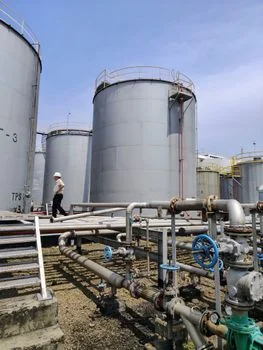
Procurement decisions hinge on a direct comparison of technical specifications, operational costs, and proven use-cases. Each system below is mapped to the industrial wastewater profile it serves. The HUBER HDF series uses a multistage rotary pump to generate consistent 30–50 micron bubbles without a pressure tank, which suits variable high-solids loads in petrochemical service. SIGMADAF FPAC systems treat 5 to 1,000 m³/h and are available in stainless steel or polypropylene for diverse chemical compatibilities, making them a strong fit for pulp & paper with high solids.
Ecologix E-DAF systems, engineered and manufactured in the USA, are typically selected for low-to-medium contaminant loads where local support and robust construction matter. Clearwater DAF units deliver reliable performance in textile, automotive, and general industrial streams with a focus on straightforward operation. The HydropureWater DAF systems for industrial wastewater treatment cover 13 standard models from 4 to 300 m³/h with automatic skimming and a strong track record in food processing and petrochemical service, where FOG and TSS removal dominate the spec sheet. Capital expenditure for industrial DAF systems generally runs $50,000 to $500,000 for units handling 10–300 m³/h, while operating costs average $0.10–$0.50/m³ across energy, chemicals, and routine maintenance.
| Model | Flow Rate (m³/h) | Material | Bubble Size (microns) | Contaminant Removal (TSS/FOG/COD %) | CapEx (USD) | OpEx (USD/year, approx.) | Key Features | Primary Use-Case |
|---|---|---|---|---|---|---|---|---|
| HUBER HDF | 10–500 | Stainless Steel (304/316) | 30–50 | TSS 95% / FOG 90% / COD 75% | $150,000–$500,000 | $0.15–$0.45/m³ | Multistage rotary pump (no pressure tank), flat flotation system for high solids. | Petrochemicals, high variable loads |
| Ecologix E-DAF | 5–200 | Stainless Steel (304) | 40–60 | TSS 92% / FOG 88% / COD 65% | $70,000–$300,000 | $0.10–$0.40/m³ | USA-manufactured, robust design for low-to-medium loads. | General manufacturing, light industrial |
| SIGMADAF FPAC | 5–1,000 | Stainless Steel (304/316) / Polypropylene | 30–50 | TSS 97% / FOG 92% / COD 80% | $100,000–$600,000 | $0.12–$0.50/m³ | High-load capacity, material options for corrosive streams. | Pulp & Paper, heavy industrial |
| HydropureWater DAF | 4–300 | Stainless Steel (304/316) | 30–50 | TSS 95% / FOG 95% / COD 70% | $50,000–$400,000 | $0.10–$0.40/m³ | 13 standard models, automatic skimming, proven reliability. | Food processing, petrochemicals (e.g., DAF-50 for 50 m³/h) |
| Clearwater DAF | 10–250 | Stainless Steel (304) | 45–65 | TSS 90% / FOG 85% / COD 60% | $60,000–$350,000 | $0.12–$0.42/m³ | Focus on reliable, standard industrial applications. | Textile, automotive, general wastewater |
For a comprehensive cost comparison between DAF and induced air flotation (IAF) systems, refer to our article: DAF vs IAF Cost Difference: 2025 Engineering Specs, CapEx/Opex Breakdown & Zero-Risk Selection Guide.
DAF System Selection Matrix: Framework for Your Industry
A structured selection matrix walks buyers through contaminant type, flow profile, industry, and compliance target before they pick a model. Start with the primary contaminant (TSS, FOG, COD, or BOD) and its concentration, then the average and peak flow in m³/h. The next branch considers the industry—food processing, pulp & paper, petrochemical, or municipal—because each shapes effluent composition, regulatory targets, and material compatibility. Compliance targets such as COD below 250 mg/L for discharge, plus CapEx/OpEx ceilings, narrow the list further.
For example, a food processing plant needing 95% FOG removal at 50 m³/h will usually land on the HydropureWater DAF-50 system based on its track record in that service. A pulp & paper mill needing 97% TSS removal at 100 m³/h with high solids is more likely to specify a SIGMADAF FPAC-100 sized for high-load duty. Petrochemical sites with variable loads and an 80% COD target benefit from systems like the HUBER HDF-S, which offers adjustable hydraulic loading. A practical risk checklist should ask: does the effluent carry high chloride (choose polypropylene)? Is the flow rate highly variable (choose a system with adjustable hydraulic loading such as the HUBER HDF-S)? Performance also has to be mapped against global standards—EPA discharge limits, EU Urban Waste Water Directive 91/271/EEC (repealed and replaced by Directive (EU) 2024/3019 from 1 August 2027), and China GB 8978-1996.
| Decision Factor | Criteria/Range | Recommendation | Example System/Feature | Compliance Target Example |
|---|---|---|---|---|
| Primary Contaminant | High FOG, low TSS | High FOG removal efficiency DAF | HydropureWater DAF-50 | FOG < 50 mg/L |
| High TSS, moderate FOG/COD | High TSS removal efficiency DAF | SIGMADAF FPAC | TSS < 30 mg/L | |
| High COD/BOD, moderate TSS | DAF for organic load reduction (pretreatment) | HUBER HDF-S | COD < 250 mg/L | |
| Flow Rate (m³/h) | < 50 m³/h | Compact, smaller footprint DAF | HydropureWater DAF-50 | |
| 50–300 m³/h | Standard industrial DAF models | HydropureWater DAF-100, Ecologix E-DAF | ||
| > 300 m³/h | High-capacity, custom-engineered DAF | SIGMADAF FPAC-500+ | ||
| Industry Specifics | Food Processing (high FOG, pH neutral) | Stainless steel, high FOG removal | HydropureWater DAF line | EPA FOG limits |
| Pulp & Paper (high TSS, fibers) | Robust design, high TSS removal, good chemical compatibility | SIGMADAF FPAC | EU TSS limits | |
| Petrochemical (oily, variable loads) | Variable hydraulic loading, corrosion resistance | HUBER HDF-S (SS 316) | China GB 8978-1996 | |
| Effluent Characteristics | High chloride / Low pH | Polypropylene DAF construction | SIGMADAF (PP option) | |
| Corrosive chemicals | Stainless Steel 316 construction | HUBER HDF (SS 316) | ||
| Budget (CapEx) | < $100,000 | Smaller, standard models | HydropureWater DAF-40 | |
| $100,000 – $300,000 | Mid-range, versatile models | Ecologix E-DAF, HydropureWater DAF-100 | ||
| > $300,000 | Large-scale, specialized systems | HUBER HDF, SIGMADAF FPAC |
Cost Analysis: CapEx, OpEx, and ROI for Industrial DAF Systems
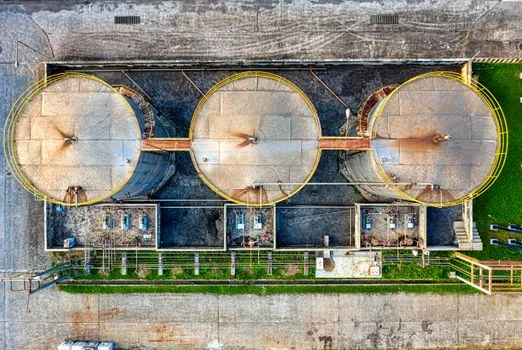
A clean CapEx, OpEx, and ROI breakdown is what procurement teams need to sign off. CapEx for a DAF system runs from $30,000 for a 10 m³/h unit to over $300,000 for a 300 m³/h system, with the equipment itself making up the largest share. Installation adds $10,000–$50,000 depending on site complexity, civil works and foundations another $5,000–$20,000, and permitting plus engineering design typically $2,000–$10,000.
Operating costs are recurring and meaningful. Energy for the recycle pump and motors runs $0.05–$0.20 per cubic meter treated. Chemical dosing (coagulants plus flocculants) averages $0.03–$0.15/m³. Routine maintenance, including labor and spare parts, lands at $0.02–$0.10/m³. Sludge disposal can run $0.05–$0.20/m³ depending on local rules and sludge characteristics, though DAF typically cuts sludge volume by 30–50% compared with sedimentation, which trims disposal cost.
Most industrial DAF installations pay back in 18–36 months. Drivers include reduced municipal surcharges for high TSS/FOG/COD, avoided compliance penalties (one Midwest food plant in our review was facing $12,000/year in FOG fines), and water-reuse opportunities. Compared with conventional sedimentation, DAF carries higher CapEx ($50,000–$500,000 vs. $20,000–$200,000) but typically lower long-run OpEx ($0.10–$0.50/m³ vs. $0.10–$0.30/m³) once the higher removal efficiency and smaller footprint are factored in. A 10-year TCO analysis generally favors DAF when compliance, efficiency, and resource recovery are all weighted in.
| Cost Category | Sub-Category | Typical Range (USD) | Notes |
|---|---|---|---|
| CapEx (Capital Expenditure) | Equipment Cost (10–300 m³/h) | $30,000–$300,000 | Varies by flow rate, material, and features. |
| Installation | $10,000–$50,000 | Site-specific labor, piping, electrical. | |
| Civil Works/Foundation | $5,000–$20,000 | Concrete pad, secondary containment, enclosures. | |
| Permitting & Engineering | $2,000–$10,000 | Regulatory approvals, design documentation. | |
| OpEx (Operational Expenditure) per m³ | Energy (kWh/m³) | $0.05–$0.20 | Recycle pump, skimmer motor, control panel. |
| Chemicals (mg/L) | $0.03–$0.15 | Coagulants (PAC), flocculants (PAM), pH adjusters. | |
| Maintenance & Spares | $0.02–$0.10 | Labor, pump seals, valves, gauges. | |
| Sludge Disposal | $0.05–$0.20 | Transportation and landfill/treatment fees (variable by region). | |
| ROI & Savings | Payback Period | 18–36 months | Based on reduced surcharges, fine avoidance, resource recovery. |
| Compliance Penalty Avoidance | Up to $12,000+/year | Prevents fines for FOG, TSS, COD violations. |
For more insights into comparing DAF costs with other flotation technologies, read our detailed blog post on cost comparison between DAF and induced air flotation (IAF) systems.
Operational Best Practices: Maximizing DAF Efficiency and Longevity
Long DAF life and stable removal come down to chemical dosing discipline and a real maintenance schedule, not brochure promises. Start with regular jar testing to pick the right coagulant (PAC at 50–200 mg/L) and flocculant (PAM at 1–5 mg/L) for the current wastewater, because effluent drifts more than most operators admit. Hold pH between 6.5 and 8.0 for both bubble formation and chemical performance, and calibrate the automated dosing pumps on a fixed cadence. For tighter chemical control, look at our automated chemical dosing systems for DAF optimization.
Maintenance should run on a tiered rhythm. Weekly: inspect the skimmer mechanism and lubricate the pump. Monthly: clean the bubble generator (saturator) and recalibrate pressure gauges so air dissolution stays consistent. Quarterly: descale the saturation system to prevent mineral buildup and walk every valve and pipe for leaks or blockages. Common failure modes are easy to read. Foaming inside the DAF cell usually means the air-to-solids ratio is too high or the chemistry has drifted; trim the ratio and recheck doses. A sudden drop in TSS removal usually points to underdosed coagulant or a bubble-size problem from a fouled saturator. Energy savings of 15–25% are realistic on plants that fit variable-frequency drives on the recycle pumps and trim speed during low-flow shifts.
Who this is for: plant engineers and procurement managers in food processing, dairy, meat, pulp & paper, petrochemical, and general manufacturing who need to hit FOG, TSS, or COD limits and have flow rates between roughly 4 and 300 m³/h. Who should look elsewhere: sites needing biological nutrient removal, desalination, or heavy metal precipitation as a primary step—DAF is a clarifier, not a biological or chemical-precipitation reactor. Plants that need to pair clarifier performance with specific ion removal, such as fluoride wastewater treatment solutions, should plan for a dedicated chemical-precipitation stage downstream rather than expecting it from DAF. Next step: send us your influent characterization (TSS, FOG, COD/BOD, pH, temperature), average and peak flow in m³/h, discharge limits, and any chloride or temperature concerns, and we will size a model and quote it within one business day. Request a DAF sizing and quote.
Frequently Asked Questions
What is the optimal bubble size for DAF?
The optimal bubble size for industrial DAF systems is typically 30–50 microns. Bubbles in this range maximize the surface area available to attach to suspended particles, which speeds flotation. Larger bubbles attach poorly, and smaller bubbles lack the buoyancy to lift heavy flocs; both effects cut removal efficiency.
How does a DAF system reduce COD and BOD?
A DAF unit cuts COD and BOD by physically removing the suspended solids, fats, oils, and greases that drive those organic numbers. It is a physical step, not a biological one, but by stripping 60–80% of COD and 50–75% of BOD tied to those contaminants it sharply lowers the load on downstream biological treatment and improves its stability.
What are the main advantages of DAF over traditional clarifiers?
DAF runs at hydraulic loading rates of 5–15 m/h versus 0.1–0.5 m/h for gravity clarifiers, so the footprint is far smaller for the same flow. DAF also removes low-density solids, FOG, and fine colloids that gravity settling cannot, and it produces a thicker sludge—30–50% less volume than sedimentation—cutting disposal cost.
How often should DAF systems be maintained?
Industrial DAF systems are maintained on a tiered schedule: weekly visual checks and skimmer lubrication, monthly cleaning of the bubble generator and pressure-gauge calibration, and quarterly descaling of the saturation system plus full valve and pipe inspection. Sticking to this rhythm prevents the common failures and extends service life.
Can DAF systems handle variable flow rates and contaminant loads?
Yes, most modern DAF systems are built for variable flow and load. Adjustable recycle ratios, variable-frequency drives on pumps, and automated chemical dosing let operators track changing influent, and units such as the HUBER HDF-S are designed specifically for high-variability service. Sites with wild swings should plan for VFDs and automated dosing from the start.


