Why Bangladeshi Facilities Need Sludge Dewatering in 2025
Sludge dewatering equipment significantly reduces disposal costs in Bangladesh by 60-80%, transforming liquid sludge (typically 1-5% solids) into a compact, dewatered cake (20-40% solids) suitable for landfill. This process is increasingly critical as the Department of Environment (DoE) mandates stricter landfill requirements, with sludge needing to achieve at least 25% dry solids for disposal, as outlined in the DoE Environmental Conservation Rules 2023, Section 12.4. Liquid sludge disposal costs in Bangladesh range from BDT 2,500–5,000/m³, whereas dewatered cake disposal averages BDT 500–1,200/m³, representing substantial operational savings for industrial facilities and municipal wastewater treatment plants (DoE 2024 data, HydropureWater field observations).
Industry-specific drivers underscore this urgency. The textile sector accounts for approximately 30% of Bangladesh’s industrial sludge volume, often characterized by high organic content and dyes. Tanneries, particularly around Dhaka's Hazaribagh and Savar industrial zones, generate sludge laden with chromium, requiring specialized dewatering and disposal protocols. Municipal wastewater treatment plants (WWTPs), such as those under Dhaka WASA, are implementing comprehensive sludge management plans for 2025, prioritizing volume reduction to alleviate pressure on landfills and reduce transportation logistics.
For instance, a tannery in Chittagong, processing 150 m³/day of wastewater, faced monthly sludge disposal costs exceeding BDT 1.5 million for liquid sludge. After installing a 100 kg/h screw press, designed with 316 stainless steel for corrosion resistance, and utilizing an automated polymer dosing system for optimal flocculation, the facility achieved 28% cake dryness. This reduced sludge volume by 75%, leading to a 70% reduction in disposal costs and an estimated payback period of 2.1 years (HydropureWater field data, 2023). Influent solids concentration for this application was 3.2%, with a cationic polymer dosage of 4.5 g/kg DS, demonstrating the tangible economic benefits of investing in robust dewatering solutions.
How Sludge Dewatering Equipment Works: Mechanisms and Process Parameters
Sludge dewatering equipment primarily operates through three core physical mechanisms: gravity drainage, mechanical compression, and centrifugal force. Understanding these principles is fundamental to selecting the most appropriate technology for specific sludge characteristics and desired cake dryness. Gravity drainage, commonly seen in belt presses and the initial zone of screw presses, relies on separating free water from flocculated sludge by allowing it to drain through a permeable medium. Mechanical compression, utilized extensively in plate and frame filter presses, applies external pressure to squeeze water out of the sludge cake, achieving higher dryness levels. Centrifugal force, employed by decanter centrifuges, uses rapid rotation to separate solids from liquids based on density differences.
For example, a screw press utilizes a continuously rotating screw within a cylindrical screen, featuring a progressive pitch design and decreasing volume between the screw flights. This design gradually compresses the sludge, expelling water through the screen while conveying the dewatered cake towards the discharge end. Key process parameters dictate the efficiency of these mechanisms. Influent solids concentration typically ranges from 1-5% in Bangladeshi industrial and municipal wastewater, directly impacting equipment sizing and throughput. Polymer dosage, critical for flocculation, varies by sludge type and equipment: screw presses generally require 3-5 g/kg DS (dry solids), while an automated polymer dosing system for filter presses often uses 5-8 g/kg DS to achieve optimal floc formation and dewatering. Target cake dryness, essential for meeting DoE landfill regulations, typically ranges from 20-40% depending on the technology and sludge type.
Pre-treatment requirements are crucial for maximizing dewatering efficiency and protecting equipment. This includes polymer conditioning, where cationic flocculants are often preferred for negatively charged municipal and textile sludge, while anionic or non-ionic polymers might be used for specific industrial sludges. Grit removal prevents abrasive wear on moving parts, particularly in screw presses and centrifuges. pH adjustment is critical for tannery sludge, as chromium precipitation and optimal polymer performance depend heavily on maintaining a specific pH range (typically 7-9). Energy consumption for dewatering operations ranges from 0.2–0.5 kWh/kg DS for screw presses and 0.5–1.2 kWh/kg DS for filter presses, per EPA 2023 benchmarks for municipal applications, making energy efficiency a key consideration.
| Parameter | Typical Range (Bangladesh) | Impact on Dewatering |
|---|---|---|
| Influent Solids Concentration | 1-5% (w/w) | Determines equipment capacity and pre-thickening needs. |
| Polymer Dosage (Screw Press) | 3-5 g/kg DS | Optimizes flocculation, enhances water release. |
| Polymer Dosage (Filter Press) | 5-8 g/kg DS | Higher dosage often required for denser cakes. |
| Achievable Cake Dryness | 20-40% (w/w) | Directly affects disposal volume and cost savings. |
| Energy Consumption (Screw Press) | 0.2-0.5 kWh/kg DS | Lower operational cost due to continuous, low-speed operation. |
| Energy Consumption (Filter Press) | 0.5-1.2 kWh/kg DS | Higher energy for hydraulic compression, but batch efficiency. |
| Operating pH Range | 6.5-9.0 | Crucial for polymer efficacy and metal precipitation, especially for tannery wastewater sludge. |
For facilities seeking robust mechanical compression for high-volume industrial applications, a high-efficiency plate and frame filter press for industrial sludge dewatering offers significant advantages in cake dryness and capacity.
Screw Press vs. Filter Press vs. Centrifuge: Head-to-Head Comparison for Bangladesh
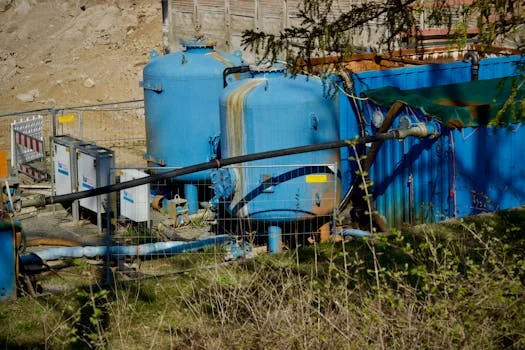
Selecting the optimal sludge dewatering technology for a Bangladeshi facility requires a detailed evaluation of performance specifications, operational costs, and suitability for specific sludge types. Each technology—screw press, filter press, and centrifuge—offers distinct advantages and trade-offs. Screw presses are ideal for continuous, small to medium-scale operations (5–50 kg/h dry solids capacity), offering low energy consumption and minimal operator attention. They typically achieve cake dryness of 18-25% for municipal sludge and 20-30% for textile sludge. Filter presses excel in batch operations requiring high cake dryness (30-45%) and are suited for high-volume industrial sludge (50–500 kg/h dry solids capacity), particularly where very dry cake is paramount for disposal or further processing. Centrifuges, while offering continuous operation and high throughput, are generally more complex, energy-intensive, and best suited for difficult-to-dewater sludges, such as oily sludge from petrochemical facilities, achieving 25-35% cake dryness.
| Feature | Screw Press | Filter Press | Centrifuge (Decanter) |
|---|---|---|---|
| Capacity Range (kg DS/h) | 5 – 100 | 50 – 500+ | 50 – 1000+ |
| Achievable Cake Dryness (%) | 18-30% | 30-45% | 25-35% |
| Polymer Use (g/kg DS) | 3-5 | 5-8 | 6-10 |
| Energy Consumption (kWh/kg DS) | 0.2-0.5 | 0.5-1.2 | 1.0-2.5 |
| Footprint (m² per 100 kg DS/day) | 0.5-1.5 | 1.5-3.0 | 2.0-4.0 |
| Maintenance (hours/month) | 2-4 | 4-8 | 8-15 |
| Capital Cost (BDT, FOB Chittagong) | 1.5M-5M | 5M-20M | 10M-40M |
| Operator Attention | Low (intermittent) | Medium (batch cycle) | Low (continuous) |
| Sludge Type Suitability | Municipal, Textile, Food | Industrial, Metallic, High Solids | Oily, Fine Solids, High Throughput |
| Noise Level | Low | Medium | High |
Bangladesh-specific considerations significantly influence equipment choice. Monsoon humidity, which averages 80-90% during the rainy season, can affect polymer storage stability, necessitating climate-controlled storage for flocculants. Frequent power fluctuations require equipment with robust Variable Frequency Drives (VFDs) and overload protection to prevent motor damage and ensure consistent performance. For corrosive sludges like those from tanneries, containing high levels of chromium and other heavy metals, 316 stainless steel construction is imperative for all wetted parts to prevent rapid corrosion and extend equipment lifespan, whereas 304 stainless steel may suffice for less aggressive municipal or textile sludges. The supplier landscape in Bangladesh includes local manufacturers like Greenify, offering basic solutions, alongside prevalent Chinese imports (e.g., TPDL 131 models) which balance cost and functionality. European brands typically command higher CAPEX but often deliver lower OPEX through superior efficiency and longevity, a factor considered in global benchmarks for sludge dewatering performance and costs.
For facilities requiring high cake dryness and processing capacity, a high-efficiency plate and frame filter press for industrial sludge dewatering remains a strong contender. Alternatively, integrating an automated polymer dosing system for sludge conditioning can enhance the performance of any dewatering unit.
Cost Breakdown: CAPEX, OPEX, and ROI for Bangladeshi Projects
A comprehensive cost analysis, encompassing both Capital Expenditure (CAPEX) and Operational Expenditure (OPEX), is essential for evaluating sludge dewatering projects in Bangladesh and building a robust business case. CAPEX for a screw press with a capacity of 5–50 kg/h dry solids typically ranges from BDT 1.5 million to BDT 5 million, while a filter press with a filtration area of 50–200 m² can cost between BDT 5 million and BDT 20 million. These figures include the equipment cost, import duties (approximately 25% for equipment from China and 10% from the EU), and installation costs, which typically add 10–20% to the equipment price. Additional CAPEX considerations include civil works for foundations, pre-thickening tanks, and an automated chemical dosing system for optimal polymer use.
OPEX represents the recurring costs of operating the dewatering system. Polymer is often the largest single OPEX component, costing BDT 1,200–2,000/kg, with consumption rates of 3-8 g/kg DS. Energy costs, at BDT 8–12/kWh, contribute significantly, with screw presses consuming 0.2–0.5 kWh/kg DS and filter presses 0.5–1.2 kWh/kg DS. Labor requirements typically involve 1–2 operators per shift for monitoring and maintenance, varying with automation levels. Annual maintenance costs, including spare parts like filter cloths, belts, or screw shafts, are estimated at 5–10% of the initial CAPEX. Sludge disposal itself, even for dewatered cake, remains an OPEX factor, albeit significantly reduced.
Consider a 100 m³/day textile wastewater treatment plant generating 2 tons of liquid sludge per day (at 2% solids). Without dewatering, disposal costs could be BDT 7,500/m³ (average), totaling BDT 15,000/day or BDT 4.5 million/year. Implementing a filter press with a CAPEX of BDT 8 million (including duties and installation) and achieving 35% cake dryness would reduce sludge volume by approximately 90%. This translates to 0.2 tons of dry cake/day, reducing disposal costs to BDT 1,000/m³ (average) for dewatered cake, or BDT 300,000/year. With annual OPEX (polymer, energy, labor, maintenance) estimated at BDT 1.2 million, the total annual savings from reduced disposal are BDT 4.2 million (4.5M - 0.3M). The net annual savings are BDT 3 million (4.2M - 1.2M), yielding a Return on Investment (ROI) with a payback period of approximately 2.7 years (BDT 8M CAPEX / BDT 3M net savings/year).
| Cost Category | Component | Typical Range (BDT) | Notes for Bangladesh |
|---|---|---|---|
| CAPEX (Capital Expenditure) | Screw Press (5-50 kg/h) | 1.5M – 5M | Includes basic unit, often 304 SS. |
| Filter Press (50-200 m²) | 5M – 20M | Higher capacity, often custom-built. | |
| Import Duties | 10-25% of equipment cost | 25% for China, 10% for EU/others. | |
| Installation & Civil Works | 10-20% of equipment cost | Varies by site complexity and local labor rates. | |
| OPEX (Operational Expenditure) | Polymer (cationic/anionic) | 1,200 – 2,000 /kg | Largest recurring cost; humidity control needed for storage. |
| Energy | 8 – 12 /kWh | Rates vary by industrial tariff; VFDs recommended. | |
| Labor | 1 – 2 operators/shift | Monitoring, cleaning, minor adjustments. | |
| Maintenance & Spares | 5 – 10% of CAPEX/year | Filter cloths, belts, screw shafts; lead times vary. | |
| Disposal Savings | Liquid vs. Dewatered | BDT 2,000 – 4,000 /m³ saved | Direct reduction in landfill tipping fees and transport. |
Hidden costs can impact the true ROI. Polymer storage requires humidity control, especially during the monsoon season, to maintain efficacy. Lead times for spare parts, particularly for specialized components from Chinese or European suppliers (4–6 weeks for Chinese, 2–4 weeks for EU), can lead to downtime if not managed proactively. adequate training for local technicians is crucial for operating and maintaining sophisticated equipment, potentially requiring initial support from foreign experts.
Selecting a Supplier: 5 Critical Questions to Ask Before Buying
Choosing the right sludge dewatering equipment supplier in Bangladesh is as critical as selecting the technology itself, directly impacting long-term operational reliability and compliance. Procurement managers and plant engineers must ask targeted questions to ensure a sound investment.
- Does the supplier have a local service center or dedicated support team in Dhaka/Chittagong? Local presence ensures rapid response for maintenance, troubleshooting, and spare parts delivery. While some Chinese OEMs offer competitive pricing, their after-sales support often relies on remote assistance or infrequent visits. Local manufacturers, such as Greenify, typically have a stronger on-the-ground presence, which is invaluable for minimizing downtime in critical operations like sludge management for hospital wastewater treatment.
- Can they customize equipment specifications, such as polymer dosing systems or material grades, for specific sludge types like tannery or textile wastewater? Generic equipment may underperform with complex industrial sludges. For instance, tannery sludge with high chromium content necessitates 316 stainless steel for all wetted parts to resist corrosion, a customization that not all suppliers readily offer. Similarly, an automated polymer dosing system must be precisely calibrated for the unique flocculation characteristics of textile sludge with varying COD levels.
- Do they offer performance guarantees, including on-site trials or lab-scale testing with your actual sludge? A supplier confident in their equipment will provide data-backed guarantees. On-site pilot trials or lab-scale dewatering tests using actual sludge samples are crucial, especially for textile sludge with its variable composition, to confirm achievable cake dryness, polymer consumption, and throughput before a full-scale investment.
- What is their warranty policy, and what are the lead times for critical spare parts? A comprehensive warranty covering key components (e.g., motors, gearboxes, filter plates) is vital. Understanding lead times for consumables like filter cloths, belts, or screw shafts is equally important. Chinese suppliers might have lead times of 4–6 weeks for specialized parts, whereas European suppliers may offer shorter lead times of 2–4 weeks, impacting potential operational disruptions.
- Can they provide documentation and certification demonstrating compliance with DoE regulations for sludge dryness and leachate tests? Meeting Bangladesh Department of Environment (DoE) standards for landfill disposal is non-negotiable. The supplier should be able to provide test reports or assist in obtaining DoE certification for the dewatered sludge cake, including parameters like dry solids content and leachate quality, ensuring the equipment helps you meet regulatory requirements.
Frequently Asked Questions
What is the typical lifespan of sludge dewatering equipment in Bangladesh?
The operational lifespan of sludge dewatering equipment in Bangladesh typically ranges from 10 to 15 years for screw presses and 15 to 20 years for filter presses, assuming proper maintenance and material selection (e.g., 304/316 stainless steel). Factors like abrasive sludge, continuous operation, and environmental conditions (monsoon humidity, power fluctuations) can influence longevity. Regular maintenance, including lubrication and timely replacement of wear parts, is crucial for extending service life.
How does monsoon humidity affect dewatering operations in Bangladesh?
Monsoon humidity, which can exceed 90% RH, primarily affects the storage and efficacy of polymer flocculants. High humidity can cause hygroscopic polymers to clump or degrade, reducing their performance. Facilities often require climate-controlled storage for polymer chemicals. Additionally, high ambient moisture can impact electrical components and promote corrosion if equipment is not adequately protected with appropriate material grades like 316 stainless steel.
What are the key DoE regulations for sludge disposal in Bangladesh?
The Bangladesh Department of Environment (DoE) Environmental Conservation Rules 2023, Section 12.4, stipulates that sludge intended for landfill disposal must achieve a minimum dry solids content of 25% (w/w). leachate from landfills receiving industrial sludge is subject to strict quality parameters to prevent groundwater contamination. Facilities must demonstrate compliance through regular testing and reporting to the DoE, often requiring certified lab analyses.
Can sludge dewatering equipment handle mixed industrial and municipal sludge?
Yes, dewatering equipment can often handle mixed sludge streams, but it requires careful pre-treatment and process optimization. Mixed sludge may have highly variable characteristics (e.g., pH, solids content, organic vs. inorganic components, heavy metals). This often necessitates specific polymer types and dosages, pH adjustment, and potentially pre-thickening to achieve optimal dewatering performance. On-site trials are highly recommended for such complex sludge streams.
What is the ROI for sludge dewatering equipment in a typical Bangladeshi textile mill?
For a typical Bangladeshi textile mill, the ROI for sludge dewatering equipment is generally favorable, with payback periods often ranging from 2 to 4 years. This is primarily driven by significant reductions in sludge disposal costs (up to 80%) and decreased transportation expenses. The exact ROI depends on factors like initial CAPEX, local disposal fees (BDT 2,500–5,000/m³ liquid vs. BDT 500–1,200/m³ dewatered), polymer costs, energy consumption, and the achievable cake dryness.
Related Equipment
The following HydropureWater products are engineered for the wastewater challenges discussed above:
- high-efficiency plate and frame filter press for industrial sludge dewatering — view specifications, capacity range, and technical data
- automated polymer dosing system for sludge conditioning — view specifications, capacity range, and technical data
Need a customized solution? Request a free quote with your specific flow rate and pollutant parameters.