Sewage Treatment Equipment Suppliers in Tampere 2025: Engineering Guide with Local Compliance, Costs & Decision Framework
By 2025, industrial and municipal facilities in Tampere must achieve effluent quality standards of TSS <35 mg/L and COD <125 mg/L, as mandated by Finland’s Water Services Act and EU Directive 91/271/EEC. While Dissolved Air Flotation (DAF) systems commonly achieve 92–97% TSS removal and Membrane Bioreactors (MBR) exceed 99%, capital expenditures for modular units in Tampere range from €50,000 to €500,000, with operational costs between €0.15 and €0.40 per cubic meter treated. This guide provides a data-driven comparison of key sewage treatment equipment suppliers in Tampere, detailing technical specifications, local compliance pathways, cost benchmarks, and a structured decision framework for optimal system selection.
Why Tampere’s Wastewater Treatment Needs Are Unique in 2025
Finland’s Water Services Act, updated in 2023, imposes stringent effluent discharge limits for all industrial and municipal operations in Tampere, particularly for sensitive receiving waters like Lake Pyhäjärvi. These updated regulations mandate maximum effluent concentrations of <35 mg/L for Total Suspended Solids (TSS) and <125 mg/L for Chemical Oxygen Demand (COD), along with specific requirements for nitrogen and phosphorus removal in designated sensitive areas (Finnish Ministry of Environment, 2023). Tampere’s robust industrial base, encompassing major players like Valmet, various paper mills, and numerous food processing facilities (e.g., Atria), generates high-strength wastewater with COD levels frequently ranging from 1,000 to 5,000 mg/L. Such elevated contaminant loads necessitate advanced pretreatment solutions before discharge into municipal systems or direct release, ensuring adherence to the Finnish Water Services Act compliance.
Tampere’s cold climate, with average winter temperatures around -5°C, significantly impacts the efficiency of biological wastewater treatment processes. Lower temperatures reduce microbial activity, demanding specialized engineering considerations such as insulated tanks, indoor installations, or heated reactors for systems like Membrane Bioreactors (MBR) to maintain optimal performance. Generic sewage treatment equipment solutions often fail to account for these local climatic challenges, leading to suboptimal removal rates and potential non-compliance. Local experience demonstrates the tangible benefits of tailored solutions; for instance, a Tampere food processor successfully reduced non-compliance fines by 40% after implementing an optimized Dissolved Air Flotation (DAF) system with precise chemical dosing, based on data from Solid Water Oy.
Sewage Treatment System Types: Engineering Specs for Tampere’s Needs
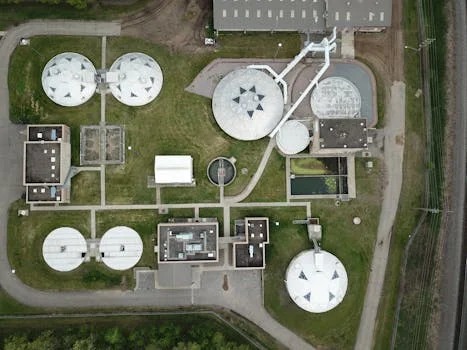
Selecting the appropriate sewage treatment equipment for a Tampere facility depends directly on the specific wastewater characteristics, required effluent quality, and available site footprint. Each system type offers distinct advantages and engineering specifications critical for effective industrial sewage systems in Tampere.
Dissolved Air Flotation (DAF) systems excel at removing fats, oils, grease (FOG), and suspended solids, making them ideal for Tampere’s food processing industries, such as Atria facilities. These systems typically achieve TSS removal rates of 92–97% and can handle flow rates from 4 to 300 m³/h. Key process parameters include a hydraulic retention time (HRT) of 10–30 minutes and an air-to-solids ratio optimized for specific effluent loads. For cold climates, DAF units often require chemical conditioning (coagulants/flocculants) and sometimes insulated tanks to maintain optimal flotation efficiency. For a deeper dive into specifications, consult a DAF system selection guide with Tampere-relevant specs.
Membrane Bioreactor (MBR) technology offers superior effluent quality, often suitable for direct reuse or discharge into sensitive receiving waters, achieving TSS levels below 5 mg/L and COD below 30 mg/L. While MBR systems demand a higher capital expenditure, typically ranging from €200,000 to €500,000 for a 100 m³/h capacity, their compact footprint makes them ideal for space-constrained sites, such as urban hospitals or industrial facilities within Tampere. MBRs operate with a high Mixed Liquor Suspended Solids (MLSS) concentration (8,000–12,000 mg/L) and a long Solids Retention Time (SRT) of 20–60 days, enhancing biological degradation. To maintain membrane flux in colder conditions, heated aeration tanks or submerged membrane configurations are often employed. Learn more about compact MBR systems for Tampere’s space-constrained sites or hospital wastewater treatment standards for Tampere’s healthcare sector.
Conventional Activated Sludge (CAS) systems are a more cost-effective option, with CAPEX ranging from €50,000 to €200,000, primarily for municipal plants in Tampere’s suburbs or industries with less stringent effluent requirements. However, CAS systems require a larger footprint and generally offer lower removal efficiencies (TSS 85–90%). Cold-weather biological efficiency is a significant concern for CAS in Tampere, often necessitating longer hydraulic retention times (HRT) or supplemental heating to prevent process upset.
Sludge Dewatering is a critical ancillary process for all sewage treatment systems, significantly reducing waste volume and disposal costs. Plate-and-frame filter presses, such as those offered by HydropureWater, can achieve 25–35% dry solids content, which is crucial for minimizing Tampere’s landfill disposal fees, currently around €150 per ton. Effective sludge dewatering solutions to reduce Tampere’s disposal costs are integral to overall operational cost efficiency. For more insights on this, refer to sludge dewatering best practices for Nordic climates.
| System Type | Target Contaminants | TSS/COD Removal (Typical) | Typical Flow Rate (Tampere) | CAPEX Range (Tampere) | OPEX Range (Tampere) | Best Use Case (Tampere) |
|---|---|---|---|---|---|---|
| Dissolved Air Flotation (DAF) | FOG, Suspended Solids | TSS 92–97%, COD 50–70% | 4–300 m³/h | €50,000–€250,000 | €0.10–€0.25/m³ | Food processing, pulp & paper, industries with high FOG/TSS |
| Membrane Bioreactor (MBR) | BOD, COD, TSS, Pathogens | TSS <5 mg/L, COD <30 mg/L | 10–200 m³/h | €200,000–€500,000 | €0.20–€0.40/m³ | Space-constrained sites, water reuse, sensitive discharge |
| Conventional Activated Sludge (CAS) | BOD, Suspended Solids | TSS 85–90%, COD 70–85% | 50–1000 m³/h | €50,000–€200,000 | €0.15–€0.30/m³ | Municipal suburbs, industries with large footprint, less stringent limits |
| Sludge Dewatering (Filter Press) | Water from Sludge | 25–35% Dry Solids | 1–10 m³/h (sludge) | €30,000–€150,000 | €0.05–€0.10/m³ (sludge) | All systems to reduce disposal volume/cost |
For high-efficiency solids removal in Tampere, consider Tampere-optimized DAF systems.
Top 5 Sewage Treatment Equipment Suppliers in Tampere: Comparison Matrix
Evaluating sewage treatment equipment suppliers in Tampere requires a granular comparison of their technical capabilities, local experience, and cost structures against specific project demands. The market for sewage treatment equipment supplier in Tampere includes both established local players and international providers, each with distinct offerings.
Supplier 1: Solid Water Oy (Finland) specializes in sludge removal and dewatering technologies, achieving TSS removal rates exceeding 95% in their primary systems. They offer strong local compliance expertise and a range of pretreatment solutions, but their system offerings are generally limited to capacities below 200 m³/h for comprehensive treatment plants, making them ideal for small to medium-sized industrial applications.
Supplier 2: Vossi Group Oy (Finland) focuses on automation and waste handling systems, partnering with international providers like PRAB. Their strength lies in integrating advanced controls and material handling for wastewater solids. However, they typically act as an integrator for specific components rather than offering full, integrated treatment systems like MBRs, which might require managing multiple vendors for a complete solution.
Supplier 3: Nordic WaterTech Solutions (Finland) provides both MBR and DAF systems, known for high removal efficiencies with COD often exceeding 99% for their advanced MBR units. Their systems are engineered for Nordic conditions, offering robust performance. However, their CAPEX tends to be higher, with a 100 m³/h MBR system potentially exceeding €300,000.
Supplier 4: HydropureWater (China) offers cost-effective DAF and MBR systems, with typical CAPEX ranging from €50,000 to €200,000 for modular units, making them a competitive option for Tampere’s industrial and municipal buyers focused on budget efficiency. While HydropureWater systems comply with international standards (e.g., CE, ISO 14001), lead times can be longer (12–16 weeks), and local support in Tampere may require third-party arrangements or remote assistance.
Supplier 5: Aquaflow Veolia (Finland) is a specialist in the pulp and paper industry, providing tailored effluent treatment solutions for high-fiber and complex industrial wastewater. Their expertise ensures robust performance in challenging conditions, but their systems typically come with a premium price point, often exceeding €400,000 for a 200 m³/h capacity plant, reflecting their specialized engineering and industry focus.
| Supplier | Primary System Focus | Key Strengths (Tampere context) | TSS/COD Removal Range | Typical Flow Capacity | Estimated CAPEX Range | Local Support | Noteworthy Limitation |
|---|---|---|---|---|---|---|---|
| Solid Water Oy | Sludge Removal, Dewatering | Local expertise, high TSS removal, specific pretreatment | TSS 95%+, COD varies | <200 m³/h | €80,000–€300,000 | Strong local presence | Limited full-system integration |
| Vossi Group Oy | Waste Handling, Automation | Automation integration, robust waste handling solutions | Component-dependent | Variable (integration) | €70,000–€280,000 | Local service/maintenance | Lacks proprietary full treatment systems (e.g., MBR) |
| Nordic WaterTech Solutions | MBR, DAF Systems | High efficiency for Nordic climate, strong compliance | TSS <5 mg/L (MBR), COD 99%+ (MBR) | 50–300 m³/h | €300,000–€600,000 | Local engineering/support | Higher capital investment |
| HydropureWater | DAF, MBR, Filter Presses | Cost-effective, wide range of technologies, CE/ISO certified | TSS 92–97% (DAF), TSS <5 mg/L (MBR) | 10–500 m³/h | €50,000–€200,000 | Remote/partner support | Longer lead times (12–16 weeks), limited direct local support |
| Aquaflow Veolia | Pulp & Paper, Industrial WWTP | Custom solutions for complex industrial wastewater, pulp/paper expertise | Industry-specific (high removal) | 100–1000 m³/h+ | €400,000–€1,000,000+ | Established local team | Premium pricing, highly specialized |
Local Compliance and Permitting: What Tampere Facilities Must Know
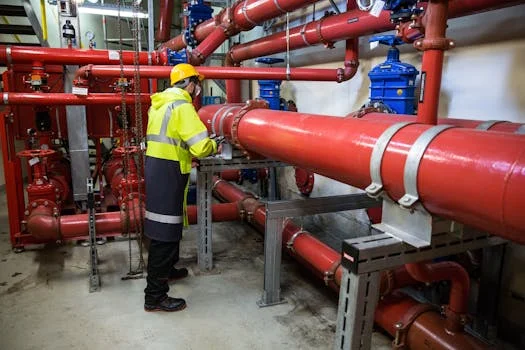
Compliance with local and national environmental legislation is non-negotiable for any industrial or municipal sewage treatment project in Tampere, with specific regulations governing effluent quality and discharge permits. The Finnish Water Services Act (2023) is the primary legislative framework, mandating strict pretreatment for industrial discharges exceeding certain thresholds, such as COD concentrations above 500 mg/L, and requires regular monitoring for heavy metals like zinc and copper. These regulations are designed to protect Finland’s extensive freshwater resources and ensure sustainable water management.
In parallel, the EU Urban Waste Water Directive 91/271/EEC requires secondary treatment for all agglomerations with a population equivalent (PE) greater than 2,000. For Tampere, this means facilities like the city’s Viinikanlahti Wastewater Treatment Plant must achieve specific removal rates for BOD (70–90%), COD (75%), and TSS (90%), with additional nutrient removal if discharging into sensitive areas. Tampere’s environmental permits are issued by the Tampere Regional Environmental Authority, which sets site-specific discharge limits that often include parameters like pH (typically 6–9) and temperature (<30°C). Non-compliance with these permits can result in significant fines, ranging from €5,000 to €50,000 per violation, depending on severity and recurrence.
The permitting process for a new or upgraded sewage treatment equipment system in Tampere typically spans 3–6 months. Required documentation includes detailed engineering reports, environmental impact assessments, and often pilot test data demonstrating the proposed system’s efficacy under local conditions. Proactive engagement with regulators can significantly streamline this process; a Tampere metalworking plant, for example, reduced its permit approval time by 50% by conducting pre-testing of a DAF system in collaboration with local environmental authorities (data from Vossi Group).
Cost Benchmarks for Tampere Projects: CAPEX, OPEX, and ROI Calculator
Understanding the full financial scope of a sewage treatment equipment project in Tampere, encompassing both capital expenditure (CAPEX) and operational expenditure (OPEX), is critical for accurate budgeting and return on investment (ROI) calculations. Capital costs for sewage treatment systems in Tampere vary significantly based on technology and capacity. Conventional activated sludge systems typically range from €50,000 to €200,000, while more advanced MBR or DAF systems fall between €200,000 and €500,000. Custom industrial solutions, particularly for high-flow or complex waste streams, can exceed €500,000.
Operational expenditure (OPEX) is a recurring cost that significantly impacts long-term financial viability. For Tampere projects, OPEX can be broken down into several key components per cubic meter treated:
- Energy: €0.05–€0.15/m³ (driven by aeration, pumping, and heating in cold climates).
- Chemicals: €0.03–€0.10/m³ (for coagulation, flocculation, pH adjustment, disinfection).
- Labor: €0.02–€0.05/m³ (for monitoring, maintenance, and operational oversight).
- Sludge Disposal: €0.05–€0.10/m³ (highly dependent on dewatering efficiency and local landfill fees, which are around €150/ton in Tampere).
The return on investment (ROI) for a new sewage treatment equipment installation in Tampere is driven by several factors. Avoiding non-compliance fines, which can range from €5,000 to €50,000 annually, represents a direct financial saving. Water reuse savings, particularly for industrial processes, can be substantial, valued at €0.50–€2.00 per cubic meter of reclaimed water. government grants, such as the Finnish Ministry of Environment’s €20M/year fund for Small and Medium-sized Enterprises (SMEs) investing in environmental technologies, can significantly offset initial CAPEX. A simple ROI calculation can be performed using the formula: (Annual Savings – Annual OPEX) / CAPEX = Payback Period (years). For example, a €300,000 MBR system generating €100,000 in annual savings (fines avoided + water reuse) with €20,000 in annual OPEX would achieve a payback period of approximately 3.75 years.
| Cost Component | Typical Range (Tampere) | Notes/Drivers |
|---|---|---|
| CAPEX (Capital Expenditure) | ||
| Conventional Systems | €50,000–€200,000 | Activated Sludge, basic DAF |
| MBR/Advanced DAF | €200,000–€500,000 | High efficiency, compact footprint |
| Custom Industrial Solutions | €500,000+ | Tailored for complex, high-volume industrial waste |
| OPEX (Operational Expenditure) per m³ Treated | ||
| Energy | €0.05–€0.15/m³ | Aeration, pumping, heating in cold climates |
| Chemicals | €0.03–€0.10/m³ | Coagulants, flocculants, pH adjusters |
| Labor | €0.02–€0.05/m³ | Monitoring, maintenance, operator wages |
| Sludge Disposal | €0.05–€0.10/m³ | Volume reduction, landfill fees (€150/ton) |
| ROI Drivers (Annual Savings Potential) | ||
| Fines Avoided | €5,000–€50,000/year | Non-compliance with Tampere Regional Environmental Authority |
| Water Reuse | €0.50–€2.00/m³ | Reduced freshwater intake costs |
| Government Grants | Up to 50% CAPEX (SMEs) | Finnish Ministry of Environment, ELY Centre |
Decision Framework: How to Select the Right Supplier for Your Tampere Project
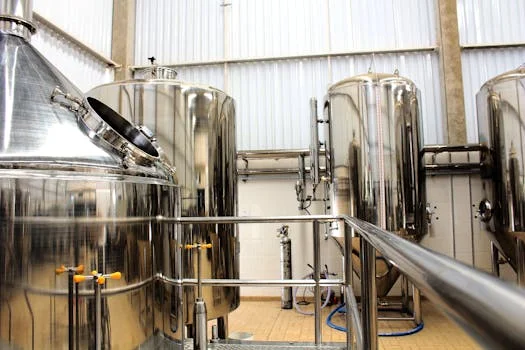
A structured decision framework is essential for industrial and municipal buyers in Tampere to navigate the complexities of selecting a sewage treatment equipment supplier that aligns with technical, regulatory, and financial objectives. This systematic approach minimizes risks and ensures optimal long-term performance.
Step 1: Define Your Wastewater Characteristics. Begin by conducting comprehensive lab tests or analyzing historical data to quantify your wastewater’s key parameters. This includes flow rate (m³/h), Total Suspended Solids (TSS), Chemical Oxygen Demand (COD), Biological Oxygen Demand (BOD), pH, temperature, and any specific contaminants (e.g., heavy metals, nutrients, FOG). This data forms the foundation for selecting an effective treatment technology.
Step 2: Match System Type to Your Needs. Based on your wastewater characteristics and required effluent quality, identify the most suitable treatment technology. For high FOG and suspended solids, Dissolved Air Flotation (DAF) is often the best choice. If space is constrained and near-reuse quality effluent is desired, a Membrane Bioreactor (MBR) system is preferred. For lower-cost municipal applications with ample land, a Conventional Activated Sludge (CAS) system might be appropriate.
Step 3: Evaluate Suppliers on Five Key Criteria. Assess potential suppliers against a balanced set of criteria:
- Technical Specifications: Compare guaranteed TSS/COD removal rates, flow capacities, energy consumption, and system robustness for cold climates.
- Compliance Expertise: Verify the supplier’s understanding of the Finnish Water Services Act and EU Directive 91/271/EEC, and their track record with Tampere Regional Environmental Authority permits.
- CAPEX/OPEX: Obtain detailed cost breakdowns, considering both initial investment and long-term operational costs including maintenance, chemicals, and sludge disposal.
- Local Support: Evaluate the availability of local installation, commissioning, maintenance, and spare parts support in Tampere.
- Case Studies: Request references or case studies of similar projects successfully implemented in Tampere or other Nordic regions.
Step 4: Request Pilot Tests. Before committing to a full-scale deployment, consider investing in a pilot test, typically costing €5,000–€20,000. A pilot system processes a small portion of your actual wastewater, validating the technology's performance under site-specific conditions and confirming that the sewage treatment equipment supplier’s claims are achievable. This step is crucial for de-risking the investment.
Step 5: Negotiate Contracts with Performance Guarantees. Ensure your contract includes clear performance guarantees, such as specific TSS removal rates (e.g., >95%) or effluent quality parameters, with penalties for non-compliance. This protects your investment and holds the supplier accountable for promised results.
| Criterion | Description | Evaluation Points |
|---|---|---|
| Wastewater Characteristics Defined | Accurate data on influent quality and quantity. | Lab reports, flow data, contaminant list (TSS, COD, BOD, pH, etc.) |
| System Type Match | Technology aligns with effluent goals and site constraints. | DAF for FOG/TSS, MBR for high quality/space, CAS for municipal/cost |
| Technical Specifications | System performance, reliability, and cold-climate suitability. | Guaranteed removal rates, energy use, material quality, automation level |
| Compliance Expertise | Supplier's knowledge of local and national regulations. | Experience with Finnish Water Services Act, EU Directive, Tampere permits |
| CAPEX/OPEX Transparency | Clear breakdown of all costs. | Detailed quotes, lifetime cost analysis, maintenance schedules |
| Local Support & Service | Availability of local personnel and spare parts. | 24/7 support, response times, proximity of service engineers |
| Case Studies & References | Proof of successful installations. | References from similar industries/municipalities in Nordic region |
| Pilot Test Recommendation | Validation of proposed technology on site. | Cost, duration, expected results, scalability |
| Performance Guarantees | Contractual assurances of effluent quality. | Penalty clauses for non-compliance, clear KPIs |
Frequently Asked Questions
Navigating the specific requirements for sewage treatment equipment in Tampere often raises common technical and logistical questions among industrial and municipal stakeholders.
What are the most common wastewater treatment challenges in Tampere’s industries?
Tampere’s industries frequently face challenges such as high Chemical Oxygen Demand (COD) from food processing, reduced biological treatment efficiency due to cold-weather biological inefficiency, and issues like fiber clogging in pulp and paper wastewater streams. These require specialized design considerations for industrial sewage systems in Tampere.
How do I choose between DAF and MBR for my Tampere facility?
Choose a Dissolved Air Flotation (DAF) system if your primary challenge is high concentrations of fats, oils, grease (FOG), or suspended solids. DAF excels at physical-chemical separation. Opt for a Membrane Bioreactor (MBR) if you require near-reuse quality effluent, need to meet extremely stringent discharge limits (e.g., for sensitive receiving waters), or have significant space constraints at your facility.
What are the lead times for sewage treatment equipment in Tampere?
Lead times for sewage treatment equipment supplier in Tampere vary depending on the supplier and system complexity. Local Finnish suppliers typically offer lead times of 4–8 weeks for standard modular units. International suppliers, including those from outside the EU, generally have longer lead times, ranging from 12–16 weeks due to manufacturing and shipping logistics.
Are there government grants for wastewater treatment upgrades in Tampere?
Yes, there are government grants available for wastewater treatment upgrades in Finland. The Finnish Ministry of Environment, for example, offers an annual fund of approximately €20 million for Small and Medium-sized Enterprises (SMEs) investing in environmental technologies and improvements. Applications for these grants can typically be made through the local ELY Centre (Centre for Economic Development, Transport and the Environment).
What maintenance is required for a DAF system in Tampere’s climate?
For a DAF system operating in Tampere’s climate, essential maintenance includes weekly checks of the skimmer mechanism and overall system cleanliness to prevent ice formation or sludge buildup. Monthly calibration of chemical dosing pumps ensures optimal coagulation and flocculation. Quarterly, a comprehensive inspection of the air saturation tank, compressor, and pressure relief valves is recommended. In cold weather, ensure proper insulation and heating systems are functioning to maintain optimal water temperature and prevent freezing within pipes and system components.