Hospital effluent treatment plants (ETPs) must achieve COD removal of 92–97% (from 120–500 mg/L influent) and TSS reduction to <30 mg/L to meet 2025 EPA and WHO discharge standards. For a 300-bed hospital generating 200 m³/day, a modular MBR system requires approximately 400 sqm footprint and 0.8–1.2 kWh/m³ energy, while chemical coagulation systems demand 30% less space but incur higher sludge disposal costs. Key parameters include pharmaceutical compound removal (e.g., 99% for ciprofloxacin via advanced oxidation) and pathogen log reduction (6-log for viruses, 4-log for bacteria).
Why Hospital Effluent Demands Specialized Treatment Plants
Hospital wastewater contains 3–10x higher concentrations of COD and TSS than typical municipal sewage, with influent levels often ranging from 120–500 mg/L COD compared to 50–200 mg/L in domestic wastewater (per PMC review). This elevated organic load, coupled with the presence of pharmaceuticals and pathogens, necessitates advanced hospital wastewater treatment plant design parameters. Pharmaceuticals such as antibiotics (e.g., ciprofloxacin, sulfamethoxazole), chemotherapy drugs, and hormones, along with highly resistant pathogens like SARS-CoV-2 and MRSA, require tertiary treatment steps beyond conventional ETPs to ensure safe discharge. Failure to comply with evolving environmental regulations can result in severe penalties; for instance, 2025 Clean Water Act updates allow EPA fines up to $54,833 per day for non-compliance, and the EU Urban Waste Water Directive 91/271/EEC mandates 95% BOD removal for hospitals exceeding 2,000 population equivalent (PE). A 2023 study published in Environmental Science & Technology directly linked untreated hospital effluent to the proliferation of antibiotic-resistant genes in downstream water supplies, highlighting the critical public health and ecological consequences of inadequate treatment.
Hospital Effluent Treatment Plant Specifications: 2025 Engineering Parameters
Meeting stringent 2025 discharge limits for hospital effluent requires precise engineering parameters, including careful consideration of influent quality, target effluent quality, and the physical and operational demands of the ETP. Influent characteristics from medical facilities are complex and variable, influencing the selection and sizing of treatment technologies. These ETP specifications for medical facilities directly impact the required treatment train.
Influent Quality Benchmarks for Hospital Effluent
| Parameter | Typical Range (General Hospital) | Notes |
|---|---|---|
| COD (Chemical Oxygen Demand) | 120–500 mg/L | Higher than municipal sewage due to chemicals, detergents. |
| BOD (Biochemical Oxygen Demand) | 80–300 mg/L | Indicates biodegradable organic matter. |
| TSS (Total Suspended Solids) | 150–160 mg/L | Includes fibers, organic matter, patient waste. |
| Total Nitrogen (TN) | 30–80 mg/L | From urine, pharmaceuticals, cleaning agents. |
| Total Phosphorus (TP) | 5–15 mg/L | From detergents, medical solutions. |
| Pathogens (Fecal Coliform) | 10^6–10^8 CFU/mL | Significant public health risk. |
| Pharmaceuticals (PhACs) | µg/L to mg/L | Highly variable, includes antibiotics, analgesics, hormones. |
Effluent Quality Targets for Hospital ETPs (2025 Standards)
| Parameter | EPA (USA) | WHO (Reuse Guidelines) | EU (91/271/EEC) | China (GB 18466-2005) |
|---|---|---|---|---|
| COD | <50 mg/L | N/A (focus on pathogens) | <125 mg/L (90% removal) | <60 mg/L |
| BOD | <20 mg/L | N/A (focus on pathogens) | <25 mg/L (95% removal) | <20 mg/L |
| TSS | <30 mg/L | N/A (focus on pathogens) | <35 mg/L (90% removal) | <30 mg/L |
| Fecal Coliform | <1,000 CFU/100mL | <1,000 CFU/100mL (unrestricted irrigation) | N/A | <500 CFU/L |
| Total Nitrogen | N/A | N/A | <10-15 mg/L (sensitive areas) | <15 mg/L |
| Pharmaceuticals | Monitored (CCL 5) | N/A (emerging concern) | N/A (emerging concern) | N/A (emerging concern) |
Hospital ETP Footprint Requirements (Modular Systems)
The hospital ETP footprint requirements are a critical design consideration, especially for urban hospitals with limited space. Modular systems offer flexibility.
| Hospital Size (Beds) | Typical Flow Rate (m³/day) | Approx. Footprint (sqm) | Notes |
|---|---|---|---|
| 100-bed | 50 m³/day | 150–200 sqm | Compact, often containerized. |
| 300-bed | 200 m³/day | 400–600 sqm | Standard modular design, potential for partial underground. |
| 500-bed | 400 m³/day | 800–1,200 sqm | Larger, may require multi-stage or hybrid systems. |
| 1000-bed+ | 800+ m³/day | 1,500+ sqm | Significant land use; underground options become highly attractive. |
Underground installations significantly reduce the visible footprint but increase civil works costs by 20-30% and complicate maintenance. Above-ground modular units offer easier access and lower initial civil costs.
Energy Consumption and Chemical Dosing Rates:
Energy consumption for biological systems, particularly advanced ones like A/O (Anaerobic/Anoxic/Oxic) or modular MBR systems for hospital effluent, typically ranges from 0.5–0.8 kWh/m³. Chemical coagulation systems can have lower energy demands for biological processes (0.3–0.5 kWh/m³) but often require more energy for sludge handling. Chemical dosing rates are crucial for performance: Coagulants like Polyaluminium Chloride (PAC) are dosed at 50–150 mg/L, flocculants (e.g., Polyacrylamide, PAM) at 1–3 mg/L, and on-site chlorine dioxide generators for hospital ETPs typically apply 5–10 mg/L for achieving 6-log virus reduction, a key disinfection standard for hospital wastewater.
Treatment Technology Comparison: MBR vs. DAF vs. Chemical Coagulation for Hospital Wastewater
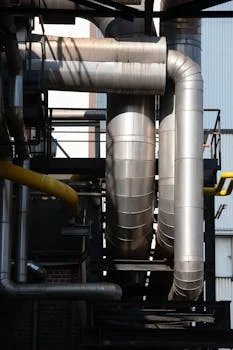
Selecting the optimal hospital effluent treatment plant specifications hinges on a hospital's specific contaminant profile, available footprint, and budget. Each technology offers distinct advantages and trade-offs for treating the complex mixture of organic matter, pharmaceuticals, and pathogens found in medical wastewater.
- MBR (Membrane Bioreactor): Modular MBR systems for hospital effluent offer superior effluent quality, achieving 99% pharmaceutical removal (e.g., ciprofloxacin, carbamazepine) and 6-log pathogen reduction. This makes MBR ideal for hospitals requiring high-quality effluent for discharge into sensitive areas or for water reuse. However, MBR systems have a higher CAPEX, typically $1,200–$1,800/m³/day of treatment capacity, and require diligent management to mitigate membrane fouling risks. They are highly suitable for space-constrained urban hospitals due to their compact footprint.
- DAF (Dissolved Air Flotation): DAF systems are highly effective for removing suspended solids and fats, oils, and grease (FOG), achieving 90–95% TSS removal and 70–80% COD reduction. While their CAPEX is lower than MBRs ($800–$1,200/m³/day), DAF requires chemical conditioning, increasing OPEX. DAF is particularly well-suited for hospitals with significant FOG contributions, such as those with large kitchens or laundries, serving as an excellent primary treatment step.
- Chemical Coagulation: This method achieves 85–92% COD removal and up to 90% TSS reduction by precipitating contaminants. It boasts the lowest footprint, often 30% less than MBR systems, making it viable for very compact sites. However, chemical coagulation incurs the highest OPEX due to chemical consumption ($0.20–$0.40/m³) and significant sludge generation. It is generally more suitable for smaller clinics or as a pre-treatment for larger systems, especially where advanced chemical dosing systems for hospital wastewater treatment are employed.
Treatment Technology Comparison Matrix for Hospital Wastewater
| Feature | MBR (Membrane Bioreactor) | DAF (Dissolved Air Flotation) | Chemical Coagulation |
|---|---|---|---|
| Primary Target | Organics, Pathogens, Pharmaceuticals | TSS, FOG, some Organics | TSS, Organics (precipitable) |
| COD Removal | 92-98% | 70-80% | 85-92% |
| TSS Removal | >99% | 90-95% | 90% |
| Pharmaceutical Removal | 99% (e.g., ciprofloxacin, carbamazepine) | Limited | Limited (some adsorption) |
| Pathogen Log Reduction | 6-log (bacteria, viruses) | 1-2 log (with disinfection) | 1-2 log (with disinfection) |
| CAPEX ($/m³/day) | $1,200–$1,800 | $800–$1,200 | $500–$900 |
| OPEX (Chemicals $/m³) | Low (for cleaning) | Moderate ($0.10–$0.20) | High ($0.20–$0.40) |
| Footprint | Compact | Moderate | Very Compact |
| Sludge Volume | Moderate (concentrated) | High (wet sludge) | Very High (chemical sludge) |
| Ideal Application | High-purity effluent, space-limited, water reuse | High FOG/TSS, pre-treatment | Small clinics, pre-treatment, cost-sensitive |
Hybrid systems, such as combining DAF for primary treatment with an MBR for secondary and tertiary treatment, can achieve exceptional results, reaching 98% COD removal and 99.9% pathogen kill. A real-world MBR case study in Kumasi hospitals demonstrates the efficiency of such integrated approaches, often reducing OPEX through optimized energy use. Emerging technologies, like advanced oxidation processes (AOPs) such as UV/H₂O₂, offer over 99% pharmaceutical removal but come with 2–3x higher energy consumption compared to MBRs, positioning them for specific, highly recalcitrant contaminant removal needs.
Modular Design Checklist: How to Scale an ETP for 50 to 1000 m³/Day
Effective modular design is crucial for scaling a hospital ETP from 50 to 1000 m³/day while maintaining performance and optimizing footprint. A structured approach ensures that all critical hospital wastewater treatment plant design parameters are addressed, from influent characteristics to final discharge. This checklist provides a step-by-step framework for engineers and procurement teams.
- Step 1: Calculate Influent Volume. Determine the average daily wastewater generation. General hospitals typically generate 0.5–0.8 m³/bed/day, while teaching hospitals with extensive laboratories and research facilities may produce 1.0–1.5 m³/bed/day. For example, a 300-bed general hospital would generate approximately 200–300 m³/day.
- Step 2: Select Technology Based on Contaminant Profile. Refer to the technology comparison table in the previous section. If pharmaceutical removal and pathogen log reduction are paramount, MBR is often preferred. For high FOG and TSS, DAF as a primary stage may be beneficial.
- Step 3: Size Primary Treatment.
- Equalization Tank: Design for 6–12 hours of hydraulic retention time (HRT) to buffer flow and concentration fluctuations.
- Screening: Install fine screens (3–6 mm aperture) for effective removal of large solids, tissues, and debris, protecting downstream equipment.
- Step 4: Size Secondary Treatment.
- MBR Tank: For modular MBR systems for hospital effluent, design the bioreactor for 4–6 hours HRT with a mixed liquor suspended solids (MLSS) concentration of 8,000–12,000 mg/L. Membrane flux rates typically range from 15–25 LMH (liters per square meter per hour).
- DAF System: For a 100 m³/day flow, a DAF system would require approximately 20–40 m² of surface area, depending on the organic load and desired removal efficiency.
- Step 5: Disinfection.
- Chlorine Dioxide (ClO₂): Dose at 5–10 mg/L with a contact time of 30–60 minutes for 6-log virus reduction. An on-site chlorine dioxide generator for hospital ETPs ensures consistent and safe dosing.
- UV Disinfection: Apply a minimum dose of 40 mJ/cm² for 4-log virus reduction. UV systems are effective but require pre-treatment to reduce turbidity for optimal performance.
- Step 6: Sludge Management. Sludge generated from hospital ETPs can be hazardous and requires proper handling.
- Thickening: Gravity thickeners or rotary drum thickeners reduce sludge volume by 50-70%.
- Dewatering: A hospital sludge dewatering with plate frame filter presses requires 1–2 m² of filtration area per 100 m³/day of wastewater treated. Alternatively, screw presses offer continuous operation with capacities of 0.5–1 m³/h. For more detailed insights, explore sludge dewatering options for hospital ETPs.
A sample Process and Instrumentation Diagram (P&ID) for a 200 m³/day MBR system would typically include influent screening, equalization, anoxic/aerobic MBR tanks, membrane filtration units, disinfection, and sludge dewatering, ensuring a comprehensive and robust treatment process.
2025 Compliance Standards: EPA, WHO, and EU Regulations for Hospital Effluent
Adhering to evolving regulatory frameworks is paramount for hospital ETPs to avoid significant fines and maintain public trust. As of 2025, environmental agencies worldwide are tightening discharge limits, particularly for sensitive contaminants found in medical wastewater, making a robust hospital effluent compliance checklist indispensable.
- EPA (USA): The U.S. Environmental Protection Agency's 40 CFR Part 460 (Hospital Point Source Category) primarily mandates conventional pollutant limits. Key parameters include BOD <30 mg/L, TSS <30 mg/L, and fecal coliform <1,000 CFU/100mL. While pharmaceuticals are not yet directly regulated under this category, they are under active monitoring through EPA’s PFAS initiatives and the Contaminant Candidate List (CCL 5), indicating future regulatory intent.
- EU (European Union): The Urban Waste Water Treatment Directive 91/271/EEC requires high levels of treatment, specifically 95% BOD removal for hospitals with a population equivalent (PE) greater than 2,000. Individual member states often impose stricter national standards. For example, Germany’s AbwV (Wastewater Ordinance) introduces specific limits for adsorbable organic halogens (AOX) at <0.5 mg/L, reflecting a focus on chemical contaminants.
- WHO (World Health Organization): The WHO Guidelines for Safe Use of Wastewater, Excreta and Greywater (2023 update) primarily focus on public health protection, especially for water reuse scenarios. For unrestricted irrigation reuse, the guidelines recommend fecal coliform levels of <1,000 CFU/100mL and <1 helminth egg/L, emphasizing pathogen removal.
- China: China’s GB 18466-2005 (Discharge Standard of Medical Organization Wastewater) sets specific limits tailored for hospital effluent, including COD <60 mg/L, BOD <20 mg/L, and ammonia nitrogen <15 mg/L, underscoring a comprehensive approach to pollutant control.
Regional Compliance Standards for Hospital Effluent (2025)
| Parameter | EPA (USA) | EU (91/271/EEC) | WHO (Reuse) | China (GB 18466-2005) |
|---|---|---|---|---|
| BOD | <30 mg/L | <25 mg/L (95% removal) | N/A | <20 mg/L |
| COD | <50 mg/L | <125 mg/L (90% removal) | N/A | <60 mg/L |
| TSS | <30 mg/L | <35 mg/L (90% removal) | N/A | <30 mg/L |
| Fecal Coliform | <1,000 CFU/100mL | N/A | <1,000 CFU/100mL | <500 CFU/L |
| Ammonia Nitrogen | N/A | N/A | N/A | <15 mg/L |
| AOX | N/A | <0.5 mg/L (Germany) | N/A | N/A |
| Pharmaceuticals | Monitored (CCL 5) | Emerging Concern | Emerging Concern | N/A |
Cost Breakdown and ROI: Hospital ETP Budgeting for 2025
Effective budgeting for a hospital ETP in 2025 requires a clear understanding of both Capital Expenditure (CAPEX) and Operational Expenditure (OPEX), along with the tangible Return on Investment (ROI) drivers. Initial investment for hospital effluent treatment plant specifications can vary significantly based on technology choice and capacity.
CAPEX Breakdown for Hospital ETPs (per m³/day capacity)
| Technology Type | Equipment & Installation | Civil Works | Total CAPEX (Approx. $/m³/day) |
|---|---|---|---|
| MBR System | $800–$1,200 | $400–$600 | $1,200–$1,800 |
| DAF System | $500–$800 | $300–$400 | $800–$1,200 |
| Chemical Coagulation | $300–$600 | $200–$300 | $500–$900 |
Civil works, including tanks, foundations, and housing, typically account for 30–40% of the total CAPEX, depending on the site conditions and whether an above-ground or underground installation is chosen.
OPEX Breakdown for Hospital ETPs (per m³ treated)
| Cost Category | Typical Range ($/m³) | Notes |
|---|---|---|
| Energy Consumption | $0.05–$0.15 | Higher for MBR (aeration, pumping), lower for chemical systems. |
| Chemicals (e.g., coagulants, disinfectants) | $0.10–$0.30 | Highest for chemical coagulation, moderate for DAF. |
| Labor & Maintenance | $0.05–$0.10 | Includes operator salaries, routine checks, spare parts. |
| Sludge Disposal | $0.08–$0.20 | Varies by sludge volume, hazardous waste classification, and local regulations. |
| Membrane Replacement (for MBR) | $0.02–$0.05 (amortized) | Membrane lifespan typically 5-10 years. |
ROI Drivers: Investing in a compliant and efficient ETP offers significant financial returns beyond environmental stewardship. Avoiding EPA fines, which can reach $54,833 per day for Clean Water Act violations, is a primary driver. treated effluent can be reused for non-potable applications such as landscaping irrigation, toilet flushing, and cooling towers, generating substantial water reuse savings of $0.50–$2.00/m³. Energy-efficient systems, especially those incorporating renewables, may also qualify for carbon credits or other environmental incentives. A real-world MBR case study in Kumasi hospitals demonstrated a 22% reduction in OPEX by integrating MBR technology with solar power. Financing options, such as green bonds (e.g., World Bank’s $150M Hospital Wastewater Treatment Program), leasing models, and public-private partnerships (PPPs), can help offset initial capital outlays.
Frequently Asked Questions
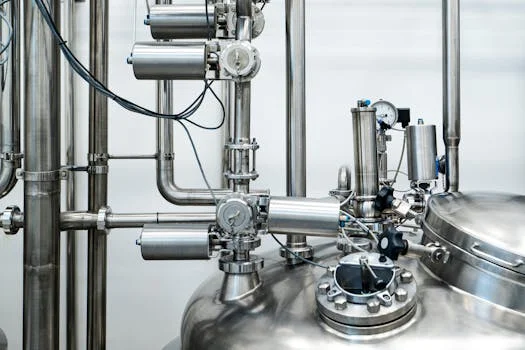
Facility managers, environmental engineers, and procurement teams frequently seek clarification on specific aspects of hospital ETP design, operation, and compliance. Understanding these common inquiries can streamline the evaluation and procurement process.
Q: What is the primary difference between STP and ETP for hospitals?
A: An STP (Sewage Treatment Plant) primarily treats domestic sewage from residential or commercial sources, focusing on BOD, COD, and TSS. An ETP (Effluent Treatment Plant) is designed for industrial wastewater, which in hospitals includes a complex mix of chemicals, pharmaceuticals, and pathogens requiring specialized, often tertiary, treatment beyond typical biological processes. Hospital ETPs are specifically engineered to handle medical waste streams.
Q: How do hospital ETPs handle antibiotic-resistant bacteria and genes?
A: Hospital ETPs address antibiotic-resistant bacteria and genes primarily through advanced biological treatment (e.g., MBRs) combined with robust disinfection. MBRs provide high biomass retention and long sludge retention times, which can promote the degradation of some pharmaceuticals and reduce pathogen loads. Tertiary disinfection steps, such as high-dose UV or on-site chlorine dioxide generators for hospital ETPs, are crucial for achieving significant log reductions (e.g., 6-log) of pathogens, including resistant strains, before discharge.
Q: What are the key considerations for sludge management in hospital ETPs?
A: Sludge from hospital ETPs often contains hazardous materials, including residual pharmaceuticals and pathogens, requiring careful handling. Key considerations include minimizing sludge volume through efficient dewatering (e.g., hospital sludge dewatering with plate frame filter presses), proper classification of sludge (hazardous vs. non-hazardous), and secure disposal in licensed facilities. Incineration or co-processing in cement kilns are common methods for hazardous sludge, while non-hazardous sludge may undergo further stabilization for land application.
Q: Can treated hospital effluent be reused, and what standards apply?
A: Yes, treated hospital effluent can be safely reused for non-potable applications, such as irrigation, toilet flushing, and cooling towers, provided it meets stringent quality standards. The WHO Guidelines for Safe Use of Wastewater (2023) recommend specific benchmarks, including fecal coliform <1,000 CFU/100mL and <1 helminth egg/L for unrestricted irrigation. Local regulations may impose additional requirements for parameters like turbidity, BOD, and specific chemical contaminants. Advanced treatment like MBR and robust disinfection are typically required for reuse.
Q: What is the typical lifespan and maintenance schedule for an MBR system in a hospital ETP?
A: A modular MBR system for hospital effluent typically has a design life of 15-20 years for the overall plant, with membranes requiring replacement every 5-10 years, depending on influent quality and operational practices. Routine maintenance includes daily checks of pressure and flow, weekly chemical enhanced backwashes (CEB), monthly maintenance cleans (MC), and annual deep cleans. Regular monitoring of key performance indicators (e.g., transmembrane pressure, flux) is crucial for proactive maintenance and extending membrane lifespan.