Madurai’s top sewage treatment equipment suppliers in 2025 must meet Tamil Nadu Pollution Control Board (TPCB) effluent standards of <30 mg/L BOD, <100 mg/L COD, and <10 mg/L TSS for Class I areas (e.g., industrial zones). Suppliers like Sakthi Hitech Aqua Systems and Aqua Majestics Technologies offer DAF (92–97% TSS removal) and MBR (99% pathogen removal) systems, with package plants starting at ₹12–18 lakhs for 50 m³/day capacities. This guide compares 5 suppliers on specs, costs, and compliance to help you shortlist the right technology for your project.
Why Madurai’s Sewage Treatment Suppliers Are Under Pressure in 2025
TPCB enforcement mandates 100% compliance for Class I industries by December 2025, according to the TPCB Madurai Regional Office (June 2024). This stringent timeline is driving an urgent need for industries and municipalities in Madurai to upgrade or install new sewage treatment equipment. Madurai faces significant water scarcity, with a 40% groundwater depletion since 2015 (Madurai Corporation Water Supply Report, 2023), intensifying reliance on treated wastewater for non-potable uses. The region's industrial growth, particularly a 15% year-over-year increase in textile and food processing units (Madurai District Industries Centre, 2024), further exacerbates the demand for advanced STP and ETP upgrades. For instance, a textile factory in Madurai’s SIDCO Industrial Estate recently incurred a ₹5 lakh fine for consistently exceeding TSS limits, highlighting the direct financial and operational risks associated with outdated or non-compliant sewage treatment equipment. This scenario underscores the critical need for Madurai-based entities to partner with reliable sewage treatment equipment suppliers that can deliver compliant and cost-effective solutions.
5 Sewage Treatment Equipment Suppliers in Madurai: Engineering Specs and Compliance Data
Evaluating sewage treatment equipment suppliers in Madurai requires a close look at their technical specifications, performance data, and alignment with TPCB compliance standards. The following five suppliers offer distinct solutions tailored to various industrial and municipal needs:
- Sakthi Hitech Aqua Systems: This supplier offers 5000 LPH (liters per hour) STPs achieving 90–95% BOD removal, treating influent with 300 mg/L BOD to an effluent quality of 15–30 mg/L. Their systems are TPCB-compliant for applications in hospitals and commercial buildings, often incorporating 400mm pressure sand filters and optional UV disinfection for enhanced water quality.
- Aqua Majestics Technologies: Specializing in MBBR (Moving Bed Biofilm Reactor) systems, Aqua Majestics provides solutions for 10–500 m³/day capacities. Their systems demonstrate 95% COD removal, reducing influent COD from 500 mg/L to an effluent of 25 mg/L, making them highly suitable for industries with high organic loads like food processing. Aqua Majestics Technologies is ISO 9001:2015 certified, indicating a commitment to quality management.
- Blue Bright Energy: Blue Bright Energy's SBR (Sequential Batch Reactor) systems feature automated PLC control, achieving 92% TSS removal by treating influent with 200 mg/L TSS down to an effluent of 16 mg/L. These systems are ideal for municipal projects due to their robust automation and offer 24/7 remote monitoring capabilities for operational efficiency.
- Nanneer Solutions: Nanneer Solutions manufactures package STPs (WSZ series) that utilize A/O (Anaerobic-Anoxic-Oxic) biological contact oxidation. These systems achieve 90% BOD removal, treating influent with 250 mg/L BOD to an effluent of 25 mg/L, and boast a footprint 30% smaller than conventional Activated Sludge Process (ASP) plants. Their competitive pricing, with 50 m³/day units starting at ₹12–15 lakhs, makes them an attractive option for space-constrained projects. For more information on compact solutions, explore the WSZ series underground STP for Madurai’s commercial buildings and residential communities.
- Silverfresh Green Machineries: Silverfresh provides DAF (Dissolved Air Flotation) systems with capacities ranging from 4–300 m³/h, achieving up to 97% TSS removal. These systems can handle influent TSS concentrations of 1000 mg/L, reducing them to an effluent of 30 mg/L, and are widely used in textile and metalworking industries. Their DAF units include automatic skimming and pH adjustment features to optimize performance.
| Supplier | Technology | Capacity Range | Key Performance (Removal %) | Influent Specs | Effluent Specs | Compliance/Certifications |
|---|---|---|---|---|---|---|
| Sakthi Hitech Aqua Systems | Conventional STP | 5000 LPH | BOD: 90–95% | BOD: 300 mg/L | BOD: 15–30 mg/L | TPCB-compliant (Hospitals, Commercial) |
| Aqua Majestics Technologies | MBBR | 10–500 m³/day | COD: 95% | COD: 500 mg/L | COD: 25 mg/L | ISO 9001:2015 certified |
| Blue Bright Energy | SBR | Customizable | TSS: 92% | TSS: 200 mg/L | TSS: 16 mg/L | Ideal for Municipal Projects |
| Nanneer Solutions | Package STP (A/O) | 50 m³/day+ | BOD: 90% | BOD: 250 mg/L | BOD: 25 mg/L | Compact footprint (30% smaller) |
| Silverfresh Green Machineries | DAF | 4–300 m³/h | TSS: 97% | TSS: 1000 mg/L | TSS: 30 mg/L | Used in Textile, Metalworking |
DAF vs MBR vs ASP: Which Sewage Treatment Technology Fits Your Madurai Project?
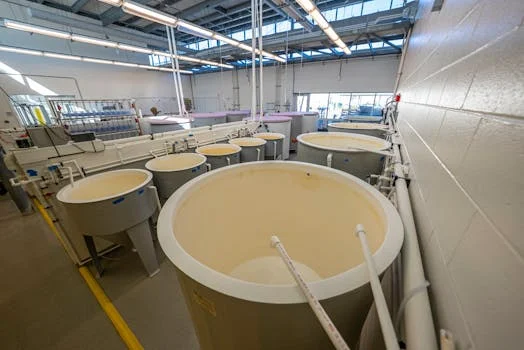
Selecting the optimal sewage treatment technology for a project in Madurai depends heavily on influent quality, desired effluent standards, available footprint, and budget. Each technology—Dissolved Air Flotation (DAF), Membrane Bioreactor (MBR), and Activated Sludge Process (ASP)—offers distinct advantages and trade-offs.
-
DAF (Dissolved Air Flotation): DAF systems are best suited for pre-treatment applications with high TSS loads, commonly found in Madurai’s textile and food processing industries. A DAF system for high-efficiency TSS removal in Madurai’s textile and food processing industries can achieve up to 97% TSS removal, offering a low footprint and fast installation. However, DAF has limited BOD/COD removal capabilities and typically requires downstream biological treatment. Operational costs are influenced by higher chemical consumption, estimated at ₹2–4 lakhs per year for coagulants and flocculants.
-
MBR (Membrane Bioreactor): MBR technology is ideal for projects requiring reuse-quality effluent, such as hospitals, residential complexes, and commercial buildings in Madurai. An Integrated MBR system for reuse-quality effluent in Madurai’s hospitals and residential complexes provides exceptional performance, achieving 99% pathogen removal and producing effluent that is TPCB-compliant for Class I areas. MBR systems are compact, making them suitable for sites with limited space. The main drawbacks include a higher CAPEX, ranging from ₹25–40 lakhs for a 50 m³/day system, and the need for membrane replacement every 5–7 years, which can cost ₹5–8 lakhs.
-
ASP (Activated Sludge Process): ASP is a proven and scalable technology best suited for large-scale municipal projects due to its cost-effectiveness at higher capacities. For a 50 m³/day plant, CAPEX ranges from ₹15–25 lakhs, making it a lower initial investment compared to MBR. However, ASP requires a larger footprint and has higher energy consumption, typically 0.8–1.2 kWh/m³, due to aeration requirements. It also demands skilled operators for optimal performance and process control.
Decision Framework:
To select the appropriate technology, consider the following:
- Influent Quality: If your wastewater has high TSS and oil/grease, DAF is an excellent pre-treatment step.
- Effluent Standard & Reuse: If you need water for non-potable reuse (e.g., gardening, flushing), MBR is the superior choice for its high-quality output and pathogen removal.
- Project Scale & Footprint: For large municipal projects with ample land, ASP is cost-effective. For smaller, space-constrained industrial or commercial projects, MBR or compact package STPs (like Nanneer Solutions' WSZ series) are preferable.
- Budget: DAF has the lowest CAPEX for primary treatment, ASP offers a moderate CAPEX for biological treatment, and MBR has the highest CAPEX but delivers the highest effluent quality.
| Feature | DAF (Dissolved Air Flotation) | MBR (Membrane Bioreactor) | ASP (Activated Sludge Process) |
|---|---|---|---|
| Primary Application | Pre-treatment (high TSS, FOG) | High-quality effluent, reuse | Large-scale biological treatment |
| TSS Removal | Up to 97% | >99% | 90-95% (after secondary clarifier) |
| BOD/COD Removal | Limited (requires biological) | >95% | >90% |
| Pathogen Removal | Low | >99% | Moderate (requires disinfection) |
| Footprint | Low | Compact | Large |
| CAPEX (50 m³/day) | ₹8–15 lakhs | ₹25–40 lakhs | ₹15–25 lakhs |
| OPEX (Energy) | Moderate (air compressor) | Moderate (aeration, membrane scour) | High (aeration) |
| Key Cons | High chemical costs, limited BOD/COD | High CAPEX, membrane replacement | Large footprint, high energy, skilled operators |
| Ideal For Madurai | Textile, food processing (pre-treatment) | Hospitals, residential, commercial (reuse) | Municipal projects, large industries |
Cost Breakdown: Sewage Treatment Equipment in Madurai (2025 Benchmarks)
Budgeting for sewage treatment equipment in Madurai involves understanding both Capital Expenditure (CAPEX) and Operational Expenditure (OPEX), along with potential hidden costs. These benchmarks reflect 2025 market conditions and Madurai-specific factors.
-
CAPEX Ranges:
- DAF systems: Typically range from ₹8–15 lakhs for a 50 m³/day capacity.
- MBR systems: Generally cost ₹25–40 lakhs for a 50 m³/day capacity due to advanced membrane technology.
- ASP systems: Fall within ₹15–25 lakhs for a 50 m³/day plant, offering a balance between cost and scalability.
These figures include civil works, equipment procurement, and installation. Madurai-specific labor costs for skilled workers are estimated at ₹800–1200 per day, influencing overall installation expenses.
-
OPEX Breakdown:
- Energy Consumption: Ranges from 0.5–1.5 kWh/m³ depending on the technology and automation level. ASP typically has higher energy demands due to continuous aeration.
- Chemicals: DAF systems may incur ₹2–5 lakhs per year for coagulants and flocculants. MBR systems generally require ₹1–3 lakhs per year for cleaning chemicals.
- Membrane Replacement: For MBR systems, membranes need replacement every 5–7 years, costing ₹5–8 lakhs, a significant periodic expense.
- Labor: A 50 m³/day plant typically requires one operator, with a monthly salary ranging from ₹18,000–25,000 (approx. ₹20,000/month used for calculation).
-
Hidden Costs:
- TPCB Compliance Testing: Annual testing by NABL-accredited labs can cost ₹50,000–1 lakh.
- Sludge Disposal: Landfill fees and transportation for sludge disposal can amount to ₹2–4 lakhs per year, depending on sludge volume and local regulations.
- Remote Monitoring: Cloud-based remote monitoring systems, increasingly mandatory for plants over 50 m³/day, may cost ₹1–2 lakhs per year.
ROI Calculator Example:
Consider a 50 m³/day MBR system installed in a hospital in Madurai:
- CAPEX: ₹30 lakhs
- Annual OPEX: ₹6 lakhs (energy, chemicals, labor, prorated membrane replacement)
- Water Reuse Savings: Assuming ₹8 lakhs per year from reduced fresh water consumption and disposal fees.
- Payback Period: (₹30 lakhs CAPEX) / (₹8 lakhs water reuse savings - ₹6 lakhs OPEX) = 3.5 years.
| Cost Category | DAF (50 m³/day) | MBR (50 m³/day) | ASP (50 m³/day) |
|---|---|---|---|
| CAPEX (₹ Lakhs) | 8–15 | 25–40 | 15–25 |
| Energy OPEX (kWh/m³) | 0.5–0.8 | 0.7–1.0 | 0.8–1.2 |
| Chemicals OPEX (₹ Lakhs/year) | 2–5 | 1–3 | 0.5–1.5 |
| Membrane Replacement (₹ Lakhs/5-7 years) | N/A | 5–8 | N/A |
| Labor OPEX (₹ Lakhs/year) | 2.4 (1 operator) | 2.4 (1 operator) | 2.4 (1 operator) |
| TPCB Testing (₹ Lakhs/year) | 0.5–1 | 0.5–1 | 0.5–1 |
| Sludge Disposal (₹ Lakhs/year) | 2–4 | 1–3 | 2–4 |
| Remote Monitoring (₹ Lakhs/year) | 0–1 | 1–2 | 1–2 |
TPCB Compliance Checklist for Sewage Treatment Plants in Madurai
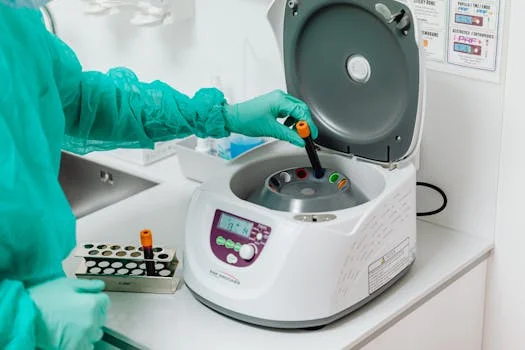
Achieving and maintaining TPCB compliance is paramount for any sewage treatment plant in Madurai to avoid fines, operational shutdowns, and reputational damage. The Tamil Nadu Pollution Control Board has specific standards and procedures that must be rigorously followed.
-
Effluent Standards for Class I Areas (Madurai): TPCB Notification No. TPCB/2023/05 specifies stringent effluent quality parameters for Class I areas, which include industrial zones and densely populated urban areas in Madurai. These standards are:
- BOD (Biochemical Oxygen Demand): <30 mg/L
- COD (Chemical Oxygen Demand): <100 mg/L
- TSS (Total Suspended Solids): <10 mg/L
- pH: 6.5–8.5
-
Permit Process: The compliance journey begins with obtaining the necessary permits. Operators must first submit Form IV (Consent to Establish) to the TPCB Madurai Regional Office before commencing any construction or installation. Upon successful installation and trial runs, Form V (Consent to Operate) must be submitted. The typical timeline for obtaining these approvals ranges from 30–60 days, requiring thorough documentation and adherence to guidelines.
-
Monitoring Requirements: Regular monitoring and reporting are mandatory. Daily testing is required for parameters such as pH, TSS, and BOD. Monthly testing extends to heavy metals (e.g., chromium, lead) if they are potential contaminants in the influent. All analyses must be conducted by NABL-accredited laboratories, such as the Tamil Nadu Test House in Madurai, to ensure credibility and accuracy of results.
-
Common Compliance Pitfalls: Several issues frequently lead to TPCB non-compliance:
- Inadequate Sludge Management: Improper disposal of sludge can result in TPCB fines ranging from ₹1–3 lakhs. A clear plan for dewatering, storage, and authorized disposal is essential.
- Lack of Remote Monitoring: For plants with capacities exceeding 50 m³/day, remote monitoring systems are mandatory. Failing to implement these can lead to fines and operational scrutiny.
- Non-Calibrated Sensors: Malfunctioning or uncalibrated sensors provide inaccurate data, potentially leading to incorrect process adjustments and effluent violations, resulting in fines of ₹50,000–1 lakh.
How to Shortlist a Sewage Treatment Equipment Supplier in Madurai: 7 Questions to Ask
Shortlisting a sewage treatment equipment supplier in Madurai requires a systematic approach, combining technical, commercial, and compliance due diligence. Asking the right questions during site visits or RFP processes ensures you select a partner capable of delivering a reliable and compliant system.
-
Technical Due Diligence:
- Pilot Test Reports: Request pilot test reports (e.g., 30-day performance data) specific to your influent quality. This demonstrates a supplier's confidence in their technology's ability to handle your unique wastewater characteristics.
- Membrane Warranties: For MBR suppliers, inquire about membrane warranties, which should ideally be 5 years or more, covering performance and defects.
- Energy Consumption Guarantees: Ask for specific guarantees on energy consumption, such as <0.8 kWh/m³ for ASP systems, to ensure predictable operational costs.
-
Commercial Due Diligence:
- Itemized Quotes: Demand detailed, itemized quotes that clearly break down costs for equipment, civil works, installation, and commissioning. Avoid lump-sum figures.
- Payment Terms: Clarify payment terms (e.g., 30% advance, 60% on delivery, 10% on successful commissioning) to protect your investment.
- After-Sales Support: Assess after-sales support, including 24/7 helpline availability, response times for service requests, and the presence of spare parts inventory or service centers in Madurai. For example, Sakthi Hitech has a Madurai office, and Aqua Majestics covers Tamil Nadu, ensuring local support. Compare DAF systems with alternatives by exploring this engineering comparison with data, costs & decision framework.
-
Compliance Due Diligence:
- TPCB/CPCB Certifications: Verify relevant environmental and quality certifications like ISO 14001 (Environmental Management) and OHSAS 18001 (Occupational Health and Safety).
- References from Similar Projects: Request references from clients with similar industrial applications (e.g., textile factories, hospitals) in Madurai or Tamil Nadu. Contact these references to verify performance and satisfaction.
- Local Service Presence: Confirm if the supplier has a local office or dedicated service team in Madurai or nearby regions to ensure quick response times for maintenance and emergencies.
Red Flags: Be wary of suppliers who refuse pilot tests, provide vague or non-itemized quotes, or cannot produce comprehensive TPCB compliance documentation. Such indicators may signal a lack of transparency or technical capability. For broader regional insights, you can also explore sewage treatment equipment suppliers in Kochi for regional comparisons.
Frequently Asked Questions
Here are answers to common questions about sewage treatment equipment suppliers and compliance in Madurai:
What is the contact number for sewage treatment equipment suppliers in Madurai?
For direct inquiries, you can reach Sakthi Hitech Aqua Systems at +91-7942671716, Aqua Majestics Technologies at +91-9787120409, and Nanneer Solutions at +91-98430 55555. These numbers are based on publicly available information from related searches.
What are the TPCB effluent standards for sewage treatment plants in Madurai?
For Class I areas in Madurai, the Tamil Nadu Pollution Control Board (TPCB) mandates effluent standards of BOD <30 mg/L, COD <100 mg/L, TSS <10 mg/L, and pH between 6.5–8.5. These standards are outlined in TPCB Notification No. TPCB/2023/05.
How much does a 50 m³/day sewage treatment plant cost in Madurai?
The cost for a 50 m³/day sewage treatment plant in Madurai varies by technology: DAF systems typically range from ₹8–15 lakhs, MBR systems from ₹25–40 lakhs, and ASP systems from ₹15–25 lakhs. These prices generally include civil works and installation. Annual operational expenses (OPEX) can range from ₹4–8 lakhs depending on the selected technology and specific site conditions. To understand municipal requirements, refer to this engineering guide on municipal sewage treatment plants in Gujarat.
Which sewage treatment technology is best for hospitals in Madurai?
MBR (Membrane Bioreactor) systems are generally considered ideal for hospitals in Madurai. Their ability to achieve 99% pathogen removal, produce high-quality reuse-grade effluent, and operate within a compact footprint makes them suitable for sensitive environments like healthcare facilities. An example is Aqua Majestics Technologies’ MBBR system, which can be tailored for a 100-bed hospital requiring approximately 50 m³/day capacity.
What are the common mistakes to avoid when installing a sewage treatment plant in Madurai?
Common mistakes include underestimating sludge disposal costs, which can be ₹2–4 lakhs per year, neglecting the mandatory remote monitoring system for plants exceeding 50 m³/day capacity, and failing to conduct a pilot test of the system with your specific influent quality before full-scale installation. These oversights can lead to unexpected expenses, non-compliance fines, and operational inefficiencies.