Sewage Treatment Equipment Supplier in Hurghada: 2025 Engineering Guide with Costs, Compliance & Supplier Checklist
In 2025, Hurghada’s sewage treatment equipment market is dominated by suppliers like New Quality, Water Line Egypt, and EnviroTech, offering solutions for resorts, industrial facilities, and municipalities. For example, a 1,200 m³/day wastewater treatment plant (e.g., Makadi Bay Resort) requires equipment with TSS removal ≥95% and COD reduction ≥90% to comply with Egypt’s Law 48/1982. This guide compares technical specs, costs (CAPEX: $500–$1,200/m³/day), and supplier capabilities to help you select the right system for your project.Why Hurghada Needs Advanced Sewage Treatment Equipment in 2025
Hurghada’s wastewater generation is projected to reach 250,000 m³/day by 2025, a significant increase from 180,000 m³/day in 2024, according to the Hurghada Water & Wastewater Company. This escalating demand is primarily driven by a 12% annual tourism growth, as reported by the Egyptian Ministry of Tourism in 2023, coupled with the rapid expansion of industrial zones such as Al-Gouna and Sahl Hasheesh. The increasing volume and complexity of wastewater necessitate advanced sewage treatment equipment to prevent environmental degradation and ensure public health. Failure to upgrade existing infrastructure or implement compliant new systems carries substantial regulatory risks. Facilities found non-compliant with Egypt’s Law 48/1982, as amended in 2023, face fines up to EGP 500,000 per violation. Decree 92/2013 sets stringent discharge limits, requiring treated effluent to meet standards such as Total Suspended Solids (TSS) <30 mg/L, Chemical Oxygen Demand (COD) <60 mg/L, and Biological Oxygen Demand (BOD) <30 mg/L. These regulations are critical for protecting the Red Sea’s delicate marine ecosystem. A notable example of successful compliance and financial benefit is Makadi Bay Resort’s 1,200 m³/day wastewater treatment plant. By investing in advanced sewage treatment equipment supplied by a leading provider, the facility achieved a reduction in TSS from an influent concentration of 220 mg/L to less than 10 mg/L. This performance not only exceeded regulatory requirements but also allowed the resort to avoid an estimated EGP 2.1 million in annual fines, demonstrating a clear return on investment for high-efficiency systems. Such case studies underscore the urgency and economic prudence of adopting advanced sewage treatment solutions in Hurghada.Sewage Treatment Equipment Options for Hurghada Projects
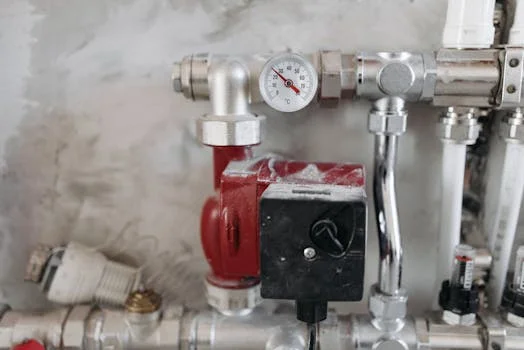
| Equipment Type | Key Advantage | Typical Application | Footprint (m²/m³/day) | Effluent Quality | Link |
|---|---|---|---|---|---|
| Integrated Underground System (WSZ Series) | Compact, fully automated, minimal visual impact | Resorts, hotels, residential areas | 2–5 | Meets discharge standards (TSS <30, BOD <30) | WSZ Series |
| Dissolved Air Flotation (DAF) System | High-efficiency FOG, oil, and TSS removal | Industrial pre-treatment (food, petrochemical) | Varies by flow, generally compact | Reduced TSS, FOG for downstream treatment | DAF line |
| Membrane Bioreactor (MBR) System (DF Series) | Near-reuse-quality effluent, small footprint | Water reuse projects, high-density areas | 0.8–1.5 (60% smaller than conventional) | Ultra-filtered, low TSS, BOD, turbidity | DF Series |
Hurghada-Specific Equipment Specs: What to Look For
Hurghada’s unique environmental conditions, characterized by high temperatures, humidity, and potential for saltwater intrusion, demand sewage treatment equipment constructed with corrosion-resistant materials like 316L stainless steel for extended operational lifespans. The influent quality for sewage treatment equipment suppliers in Hurghada varies significantly between facility types. Hotels and resorts typically generate wastewater with BOD ranging from 200–350 mg/L and TSS from 150–300 mg/L. In contrast, industrial facilities, especially those in oil/gas or food processing, can produce effluent with COD concentrations between 500–2,000 mg/L and may contain heavy metals, as cited by EnviroTech’s data on industrial effluent in Egypt. Climate considerations are paramount for wastewater treatment plant design in Hurghada. The high humidity and proximity to the Red Sea necessitate materials that resist corrosion, particularly for components exposed to the atmosphere or aggressive wastewater, such as clarifier mechanisms and DAF system enclosures. For coastal plants, saltwater intrusion into collection systems can increase influent salinity, affecting biological treatment processes and requiring robust design for pumps and piping. Energy efficiency is a critical factor for long-term operational costs. MBR systems, for instance, typically consume 0.6–1.2 kWh/m³ of treated wastewater, while conventional activated sludge systems can range from 0.4–0.8 kWh/m³. However, advanced MBR designs with optimized aeration and pumping can narrow this gap, with some chemical dosing systems for hotels and industrial applications contributing to overall process optimization. EnviroTech’s energy-saving case studies demonstrate that careful system design can lead to significant reductions in power consumption. Footprint requirements are often a major constraint for Hurghada resort wastewater solutions, where premium land value dictates compact designs. Underground systems, such as the WSZ Series, are particularly advantageous as they can be buried, allowing for landscaping or other facilities above ground, as demonstrated by Makadi Bay’s buried plant. This design integrates the treatment facility seamlessly into the resort environment. Automation and remote monitoring capabilities are essential for efficient operation and compliance. PLC-controlled systems, often found in advanced chemical dosing systems and rotary mechanical bar screens, provide precise control over treatment processes and enable remote monitoring of key parameters. These systems can be programmed with alarm thresholds for pH, Dissolved Oxygen (DO), and turbidity, alerting operators to deviations and ensuring consistent effluent quality.| Parameter | Hotels/Resorts (Typical Range) | Industrial Facilities (Typical Range) | Hurghada-Specific Consideration |
|---|---|---|---|
| Influent BOD | 200–350 mg/L | 200–1000 mg/L | High organic load from F&B, laundry |
| Influent COD | 350–600 mg/L | 500–2000 mg/L | Potential for high refractory organics |
| Influent TSS | 150–300 mg/L | 100–500 mg/L | Variable depending on pre-treatment |
| Corrosion Resistance | Standard | Standard | 316L SS for coastal plants, high humidity |
| Energy Consumption (kWh/m³) | 0.4–1.2 | 0.6–1.5+ (process dependent) | Optimization for high electricity costs |
| Footprint | Compact/Underground preferred | Flexible, but efficiency valued | Limited space, aesthetic integration |
Top 3 Sewage Treatment Equipment Suppliers in Hurghada: 2025 Comparison
| Supplier | Primary Specialization | Key Products/Services | Strengths | Weaknesses | Typical CAPEX ($/m³/day) |
|---|---|---|---|---|---|
| New Quality | Resort/Hotel wastewater treatment | Chemical dosing, diffusers, pumps, turnkey STP | Local service, hospitality focus, integrated solutions | Limited industrial heavy-metal experience | $600–$900 |
| Water Line Egypt | Desalination, general wastewater units | DAF systems, RO pre-treatment, compact units | Extensive client base, international certifications | Higher CAPEX for advanced systems | $800–$1,200 |
| EnviroTech | Industrial wastewater (oil/gas, food) | MBR systems, heavy-metal removal, custom engineering | Custom engineering, energy-saving tech, complex effluent expertise | Longer lead times (12–16 weeks) | $700–$1,100 |
2025 Cost Benchmarks for Sewage Treatment Projects in Hurghada
The capital expenditure (CAPEX) for a typical sewage treatment plant in Hurghada ranges from $500 to $1,200 per cubic meter per day (m³/day) of treatment capacity, influenced by technology choice and project scale. A detailed CAPEX breakdown for a new installation typically allocates approximately 60% to equipment costs, 20% to civil works (including excavation, concrete structures, and buildings), 10% to installation, and the remaining 10% to commissioning and initial operational setup. For instance, the Makadi Bay Resort’s 1,200 m³/day project represented a total investment of approximately $1.2 million, highlighting the significant capital required for advanced sewage treatment equipment. Operational expenditure (OPEX) for wastewater treatment plants in Hurghada typically ranges from $0.15–$0.40 per cubic meter of treated water. This includes major components such as energy, which can account for $0.10–$0.30/m³ due to high electricity tariffs and intensive aeration requirements for biological processes. Chemical consumption (coagulants, flocculants, disinfectants) contributes $0.05–$0.15/m³, while labor and maintenance costs range from $0.02–$0.08/m³. EnviroTech’s energy-saving case studies have demonstrated that optimized designs can achieve up to a 30% reduction in energy OPEX, directly impacting overall cost-efficiency. An ROI calculator for sewage treatment projects in Hurghada often reveals a payback period of 3–7 years, primarily driven by avoided regulatory fines and potential water reuse savings. Considering the EGP 500,000/year fine for non-compliance with Egypt’s Law 48/1982, and potential water reuse savings of EGP 20/m³, the financial benefits are substantial. For a sample calculation, a 500 m³/day hotel plant that achieves compliance and reuses 70% of its treated water could save:- Avoided fines: EGP 500,000/year
- Water reuse savings: 500 m³/day * 0.70 * 365 days/year * EGP 20/m³ = EGP 2,555,000/year
- Total annual savings: EGP 3,055,000 (approx. $98,500 USD at ~31 EGP/USD)
| Cost Category | Description | Typical Range (USD/m³/day CAPEX) | Typical Range (USD/m³ OPEX) |
|---|---|---|---|
| CAPEX | Equipment, civil works, installation, commissioning | $500–$1,200 | N/A |
| - Equipment | Treatment units, pumps, blowers, controls | 60% of total CAPEX | N/A |
| - Civil Works | Tanks, foundations, buildings, earthworks | 20% of total CAPEX | N/A |
| - Installation & Commissioning | Labor, testing, startup | 20% of total CAPEX | N/A |
| OPEX | Energy, chemicals, labor, maintenance | N/A | $0.15–$0.40 |
| - Energy | Electricity for pumps, blowers, controls | N/A | $0.10–$0.30 |
| - Chemicals | Coagulants, flocculants, disinfectants | N/A | $0.05–$0.15 |
| - Labor & Maintenance | Operator salaries, spare parts, repairs | N/A | $0.02–$0.08 |
Compliance Checklist: Egypt’s 2025 Wastewater Discharge Standards
| Parameter | Law 48/1982 (Amended 2023) Limit | Decree 92/2013 (Industrial Effluent) | Monitoring Frequency (Typical) |
|---|---|---|---|
| pH | 6.0–9.0 | 6.0–9.0 | Daily |
| TSS (Total Suspended Solids) | <30 mg/L | <30 mg/L | Daily/Weekly |
| COD (Chemical Oxygen Demand) | <60 mg/L | <60 mg/L | Weekly |
| BOD (Biological Oxygen Demand) | <30 mg/L | <30 mg/L | Weekly |
| Chromium (Cr) | N/A | <0.1 mg/L | Monthly (Industrial) |
| Lead (Pb) | N/A | <0.5 mg/L | Monthly (Industrial) |
Frequently Asked Questions
What are the primary challenges for sewage treatment in Hurghada?
The primary challenges include high influent organic loads from tourism, elevated temperatures that affect biological processes, potential for saltwater intrusion in coastal areas, and strict regulatory compliance with Egypt’s 2025 discharge standards. Limited space for expansion in resort areas also necessitates compact, high-efficiency systems.
What is the typical lifespan of sewage treatment equipment in Hurghada's climate?
With proper design, installation, and regular maintenance, high-quality sewage treatment equipment in Hurghada can have a lifespan of 15-25 years for civil structures and 7-15 years for mechanical and electrical components. Corrosion-resistant materials are crucial for extending equipment life in the humid Red Sea climate.
How do Egypt's 2025 discharge standards impact equipment selection?
Egypt's 2025 discharge standards (Law 48/1982, Decree 92/2013) necessitate advanced treatment technologies capable of achieving very low TSS, COD, and BOD levels. This often steers selection towards MBR systems or integrated biological-chemical processes, particularly for industrial effluent treatment in the Red Sea region requiring heavy metal removal.
Can treated wastewater be reused in Hurghada resorts?
Yes, treated wastewater can be reused for non-potable applications such as irrigation of green spaces, toilet flushing, and cooling towers, provided it meets specific reuse quality standards. MBR systems are particularly effective at producing effluent suitable for these purposes, offering significant water savings for Hurghada resort wastewater solutions.
What maintenance is required for advanced sewage treatment systems?
Advanced systems require routine maintenance including regular checks of pumps, blowers, and diffusers, calibration of sensors and chemical dosing pumps, membrane cleaning (for MBRs), and sludge management. A comprehensive preventive maintenance schedule and skilled operators are essential for optimal performance and longevity.