Why Jaipur Hospitals Need Wastewater Treatment Plants in 2025
Hospitals in Jaipur with 50+ beds must install sewage treatment plants (STPs) per Rajasthan State Pollution Control Board’s 2014 mandate, with stricter enforcement in 2025. Typical STP costs range from ₹2.5 lakh for a 50-bed facility to ₹50 lakh+ for 500+ beds, depending on technology (e.g., MBR vs. conventional A/O). Key compliance requirements include COD < 250 mg/L, BOD < 30 mg/L, and fecal coliform < 1000 MPN/100mL. This guide provides engineering specs, cost benchmarks, and a vendor checklist for Jaipur hospitals.
The Rajasthan State Pollution Control Board (RSPCB) issued a directive in 2014 making the installation of STPs mandatory for healthcare facilities with more than 50 beds. By 2025, enforcement has transitioned from simple inspections to a digital-first compliance model. Hospitals are now required to submit quarterly water quality reports via the RSPCB online portal. Failure to provide these reports or evidence of meeting discharge standards triggers automatic alerts, leading to physical inspections and potential legal action under the Rajasthan Water (Prevention and Control of Pollution) Act, 1974.
Penalties for non-compliance are substantial, ranging from ₹10,000 to ₹1 lakh for initial violations, with the risk of operational shutdowns if corrective measures are not implemented within 30 days. For instance, in 2023, a mid-sized Jaipur hospital was fined ₹50,000 after an unannounced inspection revealed a Biological Oxygen Demand (BOD) level of 80 mg/L, significantly exceeding the permitted 30 mg/L threshold. Beyond financial risk, untreated hospital effluent is a primary source of groundwater contamination in Jaipur’s industrial and residential clusters.
Environmental data indicates that untreated hospital wastewater contributes approximately 15–20% of Jaipur’s microbial pollution in the local aquifer. This wastewater contains hazardous pathogens, pharmaceuticals, and chemical reagents that conventional municipal systems cannot neutralize. For facility managers, the STP is no longer just a regulatory burden; it is a critical infrastructure component required to maintain the hospital's license to operate and its reputation within the community.
Rajasthan PCB Compliance Checklist for Hospital STPs
Compliance with the Rajasthan State Pollution Control Board (RSPCB) requires rigorous adherence to specific effluent discharge standards and administrative protocols. The RSPCB 2024 guidelines emphasize the removal of organic loads and the neutralization of infectious pathogens before any water is discharged into public sewers or used for on-site landscaping. To achieve compliance, hospitals must ensure their STPs meet these standards.
| Parameter | RSPCB Permissible Limit | Testing Frequency |
|---|---|---|
| Biochemical Oxygen Demand (BOD) | < 30 mg/L | Monthly (Internal) / Quarterly (PCB) |
| Chemical Oxygen Demand (COD) | < 250 mg/L | Monthly (Internal) / Quarterly (PCB) |
| Total Suspended Solids (TSS) | < 100 mg/L | Monthly |
| Fecal Coliform | < 1000 MPN/100mL | Monthly |
| Oil and Grease | < 10 mg/L | Quarterly |
To ensure 2025 compliance, Jaipur hospital administrators must maintain a complete documentation trail. This includes the 'Consent to Establish' (CTE) obtained before construction and the 'Consent to Operate' (CTO), which typically takes 30–45 days for approval after a successful inspection. The RSPCB inspection protocol involves verifying the installation of electromagnetic flow meters at both the inlet and outlet, checking the disinfection logbook, and reviewing sludge disposal records. Missing disinfection records or incomplete O&M (Operation and Maintenance) logbooks are the most common reasons for inspection failure in Jaipur facilities.
Special attention must be paid to laundry wastewater. High surfactant levels from hospital laundries can inhibit the biological processes in an STP. Implementing pre-treatment stages specifically for laundry and kitchen waste ensures that the main biological reactor operates within its design parameters. Once the STP is operational, the facility must submit an annual report summarizing total water treated and the volume of sludge disposed of at authorized sites.
Hospital Wastewater Treatment Technologies: Engineering Comparison for Jaipur Facilities
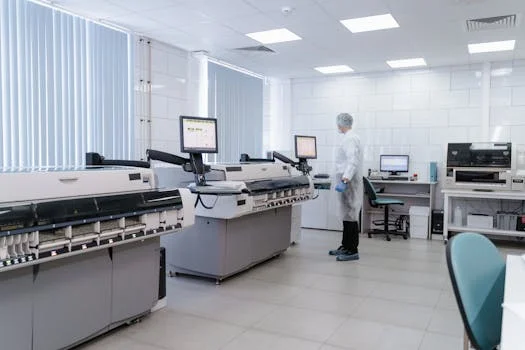
Selecting the right treatment technology depends on available space, bed capacity, and the specific chemical profile of the hospital's effluent. In Jaipur, where groundwater often has high Total Dissolved Solids (TDS) and hospitals produce significant antibiotic residues, advanced filtration and disinfection are essential.
| Technology | COD/BOD Removal | Footprint Requirement | Ideal Bed Capacity |
|---|---|---|---|
| Membrane Bioreactor (MBR) | 92–97% | Ultra-Compact (Smallest) | 200 – 1000+ Beds |
| Conventional A/O Process | 80–85% | Large | 50 – 150 Beds |
| Moving Bed Biofilm Reactor (MBBR) | 85–90% | Moderate | 100 – 300 Beds |
| SBR (Sequencing Batch Reactor) | 88–92% | Moderate | 150 – 500 Beds |
For hospitals with space constraints, compact hospital wastewater treatment systems utilizing MBR technology are the preferred choice. MBR combines biological treatment with membrane filtration, resulting in high-quality effluent that often exceeds RSPCB standards. This technology is particularly effective at removing antibiotic-resistant bacteria and micro-pollutants that are common in oncology and infectious disease wards. While the capital investment is higher, the 60% reduction in footprint compared to conventional systems makes it viable for urban Jaipur hospitals.
Conventional Anoxic/Oxic (A/O) systems remain a cost-effective solution for smaller 50-bed facilities with available land. This process uses a sequence of anoxic and aerobic tanks to remove nitrogen and carbonaceous matter. However, for hospitals with high-volume kitchens or large-scale laundry operations, integrating DAF systems for hospital laundry wastewater is critical. DAF units remove over 95% of fats, oils, and greases (FOG) and suspended solids that would otherwise clog biological reactors.
Disinfection is the final critical stage. While liquid chlorine is common, many Jaipur facilities are transitioning to Chlorine Dioxide (ClO₂) generators. ClO₂ offers a 99%+ kill rate for antibiotic-resistant pathogens and remains effective across a wider pH range than chlorine, which is vital given Jaipur's variable groundwater chemistry. This ensures compliance with fecal coliform limits even during peak flow periods.
Cost Breakdown: Hospital STP Installation in Jaipur (2025 Data)
Budgeting for a hospital STP requires a distinction between capital expenditure (CAPEX) and ongoing operational expenditure (OPEX). In the Jaipur market, costs are influenced by technology choice and the degree of automation required for RSPCB reporting.
| Hospital Size | Technology Type | Estimated CAPEX (₹) | OPEX (₹ per m³) |
|---|---|---|---|
| 50 Beds | Conventional A/O | 2.5 Lakh – 6 Lakh | 1.5 – 2.0 |
| 100-200 Beds | MBBR / SBR | 12 Lakh – 22 Lakh | 1.0 – 1.5 |
| 200-500 Beds | MBR (Advanced) | 25 Lakh – 45 Lakh | 0.8 – 1.2 |
| 500+ Beds | MBR (Integrated) | 50 Lakh+ | 0.5 – 0.9 |
Capital costs cover the primary equipment, including pumps, blowers, membrane modules, and control panels. For high-capacity systems, incorporating a plate and frame filter press for sludge dewatering can reduce the volume of waste by 70%, significantly lowering long-term disposal costs. In Jaipur, authorized sludge disposal services charge between ₹2,000 and ₹5,000 per ton, making dewatering a high-ROI investment.
Operational costs are dominated by electricity (40-50%), chemicals for disinfection and pH adjustment (20%), and labor (20%). While an MBR system has a higher CAPEX, its lower OPEX per cubic meter of treated water often results in a lower total cost of ownership over a 10-year lifecycle. When calculating ROI, facility managers should weigh the ₹2.5 lakh investment for a 50-bed system against the potential for a ₹1 lakh fine and the subsequent legal costs of a non-compliance shutdown. In most cases, the plant pays for itself within 24 months through avoided penalties and the ability to reuse treated water for non-potable hospital needs.
Vendor Selection Checklist for Jaipur Hospitals
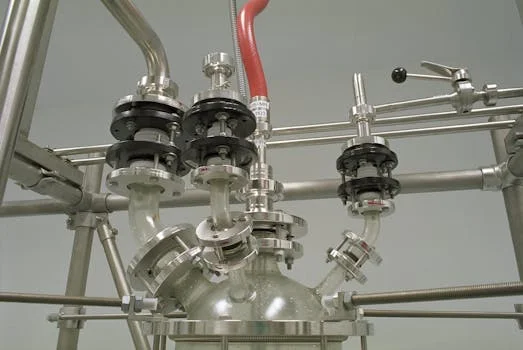
Choosing a vendor in Jaipur requires looking beyond the lowest price. Because hospital wastewater is biologically complex, the vendor must demonstrate specific expertise in medical effluent management and local regulatory navigation.
- Technical Expertise: Verify if the vendor has installed systems in hospitals of similar bed capacity. Ask specifically how they handle antibiotic residues and high-TDS groundwater typical of the Rajasthan region.
- Compliance Support: A reliable vendor should provide RSPCB documentation templates and assist with the 'Consent to Operate' application. Ask: "Do you provide NABL-accredited water quality test reports as part of the commissioning process?"
- Post-Installation Service: Downtime in a hospital STP can lead to immediate regulatory violations. Ensure the vendor has a local service center in Jaipur and offers 24/7 support with guaranteed response times.
- Annual Maintenance Contracts (AMC): Evaluate the AMC terms. A comprehensive AMC should include regular membrane cleaning (for MBR), sensor calibration, and quarterly performance audits.
- Warranty Terms: Standard equipment should carry at least a 1-year warranty. For MBR systems, look for vendors offering a 5-year pro-rated warranty on membrane modules, as these are the most expensive consumable components.
Before finalizing a contract, request references from at least two Jaipur-based healthcare facilities. Contact their facility managers to confirm the plant's actual performance against design specs and the vendor's responsiveness to maintenance requests. This step is essential to avoid "fly-by-night" contractors who provide low-cost hardware but no long-term technical support.
Frequently Asked Questions
Q: What is the minimum bed capacity for STP installation in Jaipur?
A: According to the Rajasthan State Pollution Control Board’s 2014 order, all healthcare facilities with 50 or more beds are required to install a functional STP. Facilities with 100+ beds are subject to more frequent inspections and stricter electronic reporting requirements.
Q: How much does a hospital STP cost in Jaipur?
A: For a 50-bed hospital, a conventional system starts at approximately ₹2.5 lakh. For larger 500-bed hospitals requiring advanced MBR technology, costs can exceed ₹50 lakh. Operational costs typically range from ₹0.5 to ₹2 per cubic meter of water treated