Why Panama City Hospitals Need Onsite Wastewater Treatment Systems
Hospital wastewater in Panama City presents a complex treatment challenge, demanding systems that not only meet stringent MINSA effluent standards (e.g., COD ≤ 125 mg/L, fecal coliform ≤ 1,000 CFU/100 mL) but also effectively manage pharmaceuticals, pathogens, and high organic loads. Panama’s sewage infrastructure, while undergoing significant upgrades like the expansion of the Juan Díaz WWTP from 190,000 to 380,000 m³/day, is primarily designed for domestic sewage and lacks the capacity to handle the unique characteristics of medical effluent, as noted in Hazen and Sawyer’s Panama Bay Sanitation Project reports. MINSA's effluent standards for medical facilities are notably stricter than general municipal discharge limits, necessitating onsite pretreatment even within Panama City, a fact underscored by MINSA’s 2014 Environmental Assessment. With over 50% of non-urban areas still lacking basic sanitation services, as indicated by the Report Water Sector in Panama, self-contained treatment solutions are not just advantageous but mandatory for new hospitals, particularly in provinces like Chiriquí or Colón. For example, a 50-bed hospital in Chiriquí Province incurred $12,000 in fines in 2023 for exceeding COD limits; an installed onsite system, such as the compact medical wastewater system with a 0.5 m² footprint and 99%+ ozone disinfection, costing approximately $35,000, would have prevented these recurring penalties and environmental risks.
Panama’s Hospital Wastewater Discharge Standards: MINSA, ANAM, and Local Requirements
Navigating Panama's regulatory landscape for hospital wastewater requires a thorough understanding of multiple agencies' requirements, ensuring compliance for engineers and hospital administrators. MINSA's primary standards for medical wastewater, detailed in its 2014 Environmental Assessment, mandate specific effluent quality: COD ≤ 125 mg/L, BOD₅ ≤ 25 mg/L, TSS ≤ 30 mg/L, fecal coliform ≤ 1,000 CFU/100 mL, with pH maintained between 6 and 9. If chlorination is employed, residual chlorine must not exceed 1 mg/L. For facilities situated in or near ecologically sensitive areas, such as the Panama Canal watershed, ANAM imposes additional stringent requirements, including limits on heavy metals (e.g., mercury ≤ 0.001 mg/L, cadmium ≤ 0.01 mg/L) and the screening of pharmaceutical compounds (e.g., carbamazepine ≤ 0.1 μg/L). Hospitals discharging to the municipal system, such as the Juan Díaz WWTP, must adhere to its pretreatment specifications, which, according to the EIB’s Panama City and Bay Wastewater Treatment Project documentation, require influent to meet BOD₅ ≤ 200 mg/L and TSS ≤ 250 mg/L, with no visible solids. A 2014 Japanese technical cooperation pilot project in the Panama metropolitan area focused on developing an industrial and hospital wastewater monitoring system, emphasizing real-time tracking of parameters like pH and turbidity, further highlighting the growing emphasis on precise environmental management.
| Parameter | MINSA Limit | ANAM Limit (near protected areas) | Juan Díaz WWTP Pretreatment Limit | Unit |
|---|---|---|---|---|
| COD | ≤ 125 | N/A | N/A | mg/L |
| BOD₅ | ≤ 25 | N/A | ≤ 200 | mg/L |
| TSS | ≤ 30 | N/A | ≤ 250 | mg/L |
| Fecal Coliform | ≤ 1,000 | N/A | N/A | CFU/100 mL |
| pH | 6–9 | N/A | N/A | - |
| Residual Chlorine (if used) | ≤ 1 | N/A | N/A | mg/L |
| Mercury | N/A | ≤ 0.001 | N/A | mg/L |
| Cadmium | N/A | ≤ 0.01 | N/A | mg/L |
| Carbamazepine | N/A | ≤ 0.1 | N/A | μg/L |
Hospital Wastewater Treatment Technologies: MBR vs. Ozone vs. Chlorine Dioxide for Panama City
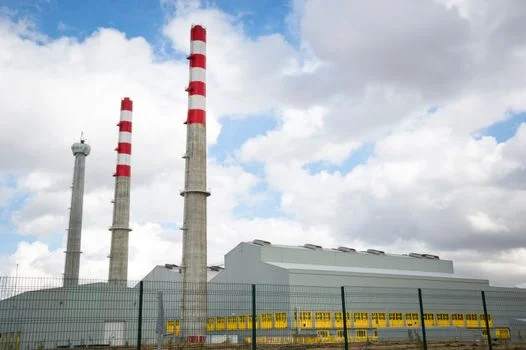
Selecting the appropriate technology for hospital wastewater treatment in Panama City hinges on balancing effluent quality requirements, available space, and operational complexity. Membrane Bioreactor (MBR) systems, such as HydropureWater’s DF Series, offer superior effluent quality, achieving filtration below 1 μm and consistently meeting limits of COD ≤ 50 mg/L and TSS ≤ 5 mg/L. While ideal for large hospitals (50+ beds) with dedicated space for sludge management, MBR systems represent a higher capital expenditure (CAPEX) of $50K–$80K for a 10 m³/day unit and demand skilled maintenance, with membrane cleaning typically required every 3–6 months. For smaller clinics or facilities with limited space, ozone disinfection, exemplified by the compact medical wastewater system (0.5 m² footprint), provides a 99%+ pathogen kill rate without chemical residuals. Its CAPEX is in the range of $28K–$42K for a 10 m³/day unit, but it incurs higher energy consumption (1.2 kWh/m³). Chlorine dioxide generators, like HydropureWater’s, present a more budget-friendly option with lower CAPEX ($20K–$35K) and energy use (0.8 kWh/m³). However, they necessitate chemical dosing and can produce disinfection byproducts, such as chlorite (limited to ≤ 1 mg/L per EPA standards), making them suitable for facilities with existing chemical handling infrastructure. The choice between these technologies significantly impacts both initial investment and ongoing operational costs, requiring careful consideration for long-term cost efficiency.
| Technology | Effluent Quality (COD/TSS) | Footprint | CAPEX (10 m³/day) | OPEX (Annual Estimate) | Maintenance Complexity | Ideal Use Case |
|---|---|---|---|---|---|---|
| MBR (e.g., HydropureWater DF Series) | COD ≤ 50 mg/L, TSS ≤ 5 mg/L (<1 μm filtration) | Moderate to Large | $50,000–$80,000 | $5,000–$10,000 (energy, consumables, maintenance) | High (membrane cleaning, skilled operators) | Large hospitals (50+ beds), space available, strict effluent needs |
| Ozone Disinfection | 99%+ pathogen kill (disinfection) | Very Compact (0.5 m²) | $28,000–$42,000 | $2,700–$5,000 (energy, minor maintenance) | Moderate (generator checks, electrode cleaning) | Small clinics, retrofits, space-constrained facilities |
| Chlorine Dioxide (e.g., HydropureWater) | Variable, depends on dosing; potential DBPs | Compact | $20,000–$35,000 | $3,000–$6,000 (energy, chemicals, maintenance) | Moderate (chemical handling, dosing calibration) | Facilities with existing chemical infrastructure, cost-sensitive |
Designing a Hospital Wastewater System for Panama City: Step-by-Step Engineering Guide
A systematic approach is crucial for designing effective hospital wastewater treatment systems in Panama City that meet all regulatory requirements. The process begins with Step 1: Characterizing influent wastewater. This involves laboratory testing to accurately measure parameters such as COD (typically 300–800 mg/L), BOD₅ (150–400 mg/L), TSS (200–500 mg/L), and the presence of specific pharmaceutical compounds, often requiring pilot studies as recommended by Hazen and Sawyer’s Panama Bay flow monitoring guidelines. Step 2: Sizing the system is critical; engineers must consider peak flow rates, which can be 1.5 times the average daily flow, and then select technology to meet MINSA’s stringent effluent limits. For instance, a 50-bed hospital with an average flow of 10 m³/day will require a system capable of handling a peak flow of 15 m³/day. Step 3: Implementing pretreatment is essential. This typically includes rotary mechanical bar screens, like HydropureWater’s GX Series, for coarse solids removal, followed by equalization tanks designed to buffer flow fluctuations, with a typical retention time of 6–12 hours. Step 4: Primary treatment selection depends on the influent characteristics; Dissolved Air Flotation (DAF) systems offer high efficiency (90%+) for Fats, Oils, and Grease (FOG) removal, while sedimentation tanks provide simpler, albeit less efficient, TSS removal (60–70%). Step 5: Designing secondary treatment involves choosing between MBR for superior effluent quality or ozone/chlorine dioxide for more compact solutions, always including redundancy for critical components like dual ozone generators. Step 6: Sludge handling must be planned meticulously, utilizing dewatering equipment such as plate-and-frame filter presses (e.g., HydropureWater’s 1 m²–500 m² models) to achieve ≥20% solids, followed by disposal as hazardous waste according to ANAM’s guidelines, which may include incineration or controlled landfilling. Finally, Step 7: Automating and monitoring the system with PLC controls and real-time sensors (pH, turbidity, flow) is vital to ensure continuous compliance and align with the monitoring objectives of MINSA’s 2014 pilot project for industrial and hospital wastewater.
Cost Breakdown: Hospital Wastewater Treatment Systems in Panama City (2025 CAPEX/OPEX)
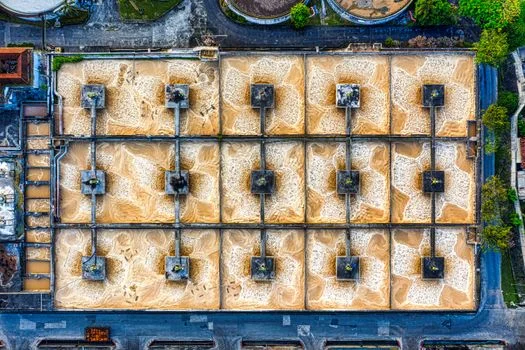
Understanding the financial implications of hospital wastewater treatment is paramount for effective budgeting and procurement in Panama City. For a 10 m³/day system utilizing ozone disinfection, the Capital Expenditure (CAPEX) typically breaks down as follows: equipment costs range from $22,000 to $30,000, installation adds $3,000 to $6,000, civil works account for $2,000 to $4,000, and commissioning costs are between $1,000 and $2,000, resulting in a total installed cost of $28,000–$42,000. The Operational Expenditure (OPEX) for such a system is significantly lower, with annual energy costs estimated at $1,200–$1,800 (based on $0.12/kWh), maintenance at $800–$1,500, sludge disposal at $500–$1,200, and chemicals (for chlorine dioxide systems) at $200–$500, totaling approximately $2,700–$5,000 per year. For a 50-bed hospital facing annual fines of $12,000 due to non-compliance (as seen in the Chiriquí example), the return on investment (ROI) for an onsite treatment system is compelling, with CAPEX recovery achievable within 3–5 years, not to mention potential savings from reduced municipal surcharges if discharging to the Juan Díaz WWTP. Comparing technologies, MBR systems incur higher initial CAPEX but can offer lower long-term OPEX in certain scenarios due to reduced chemical usage, while chlorine dioxide systems provide a balance of moderate CAPEX and OPEX.
| Cost Category | Compact Medical Wastewater System (Ozone) (10 m³/day) | MBR System (10 m³/day) | Chlorine Dioxide System (10 m³/day) | Notes |
|---|---|---|---|---|
| CAPEX (Equipment) | $22,000–$30,000 | $40,000–$60,000 | $15,000–$25,000 | Excludes civil works, installation, commissioning |
| CAPEX (Installation & Civil Works) | $5,000–$10,000 | $8,000–$15,000 | $4,000–$8,000 | Varies by site conditions |
| Total Installed CAPEX | $28,000–$42,000 | $50,000–$80,000 | $20,000–$35,000 | |
| OPEX (Annual - Energy) | $1,200–$1,800 | $2,000–$3,500 | $800–$1,500 | Based on $0.12/kWh |
| OPEX (Annual - Maintenance) | $800–$1,500 | $2,000–$4,000 | $700–$1,200 | Includes consumables, parts |
| OPEX (Annual - Sludge Disposal) | $500–$1,200 | $600–$1,500 | $400–$1,000 | Varies by volume and disposal method |
| OPEX (Annual - Chemicals) |
Related Equipment
- compact medical wastewater system with 99%+ ozone disinfection — view specifications, capacity range, and technical data
- MBR systems for high-quality effluent (<1 μm filtration) in large hospitals — view specifications, capacity range, and technical data
- chlorine dioxide generators for cost-effective hospital wastewater disinfection — view specifications, capacity range, and technical data
Need a customized solution? Request a free quote with your specific flow rate and pollutant parameters.
Further Reading
Explore these in-depth articles on related wastewater treatment topics: